2026 Value Guide: Choosing an AKA Sorority Necklace
Discover how to evaluate an AKA sorority necklace for true value in 2026. Compare materials, Greek licensing, and pricing tiers for a smart purchase.

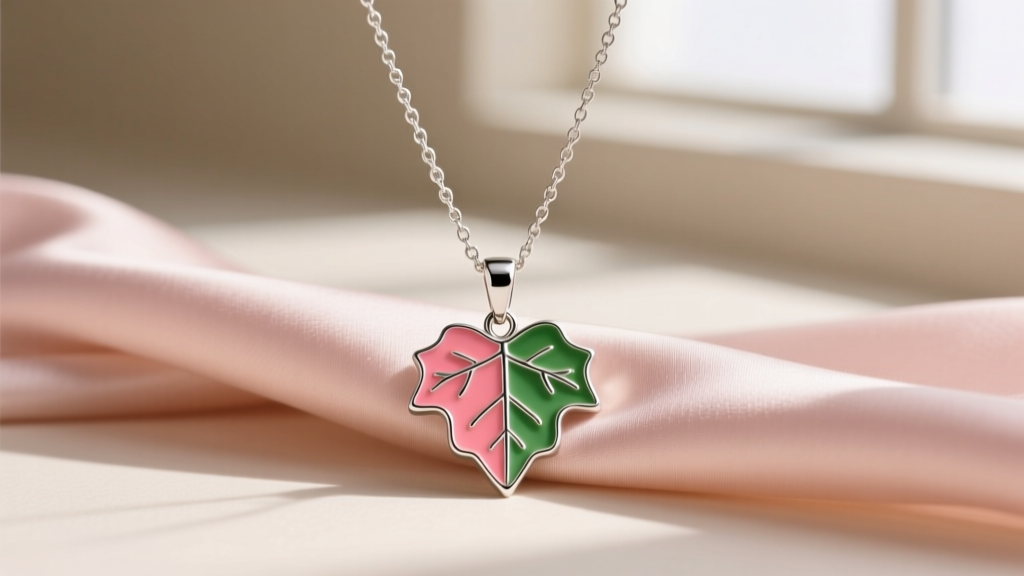
The True Cost of Sorority Pride: Assessing Value in 2026
Wearing the symbols of Alpha Kappa Alpha Sorority, Incorporated is a profound expression of sisterhood, legacy, and personal achievement. Whether you are a neophyte receiving your first official piece of jewelry or an alumna looking to add to your collection, the market for an aka sorority necklace is vast and, frankly, saturated with varying degrees of quality. In 2026, the disparity between a $20 mass-produced pendant and a $150 heirloom-quality piece is not always obvious to the untrained eye. As a jewelry value assessor, my goal is to help you look past the marketing gloss and evaluate the actual metallurgical and structural value of your sorority jewelry. This guide will break down licensing, metal grades, enamel techniques, and chain mechanics so you can invest your budget wisely.
Authentication and Greek Licensing: The Baseline of Value
Before evaluating the physical materials, we must address intellectual property and authenticity. Alpha Kappa Alpha Sorority, Incorporated fiercely protects its trademarks, including the ivy leaf, the letters, and the specific shades of salmon pink and apple green. According to the official Alpha Kappa Alpha Sorority website, all official merchandise must be produced by licensed vendors.
When shopping for an AKA sorority necklace, look for the official holographic sticker from the Collegiate Licensing Company (CLC). If a vendor on a marketplace like Etsy or Amazon cannot provide proof of CLC licensing, you are likely purchasing a bootleg item. From a value perspective, unlicensed jewelry often cuts corners on material safety (using lead-heavy base metals) and color accuracy (using hot pink instead of the official salmon pink). Paying premium prices for unlicensed jewelry is a poor investment, as it holds no official recognition and often degrades rapidly.
Decoding Metal Grades and Plating Thickness
The most significant factor in the price variance of an AKA sorority necklace is the base metal and the plating technique. Many mid-tier boutiques use deceptive terminology like 'silver-tone' or 'gold-dipped' to mask inferior materials.
Base Metals: Brass vs. Sterling Silver
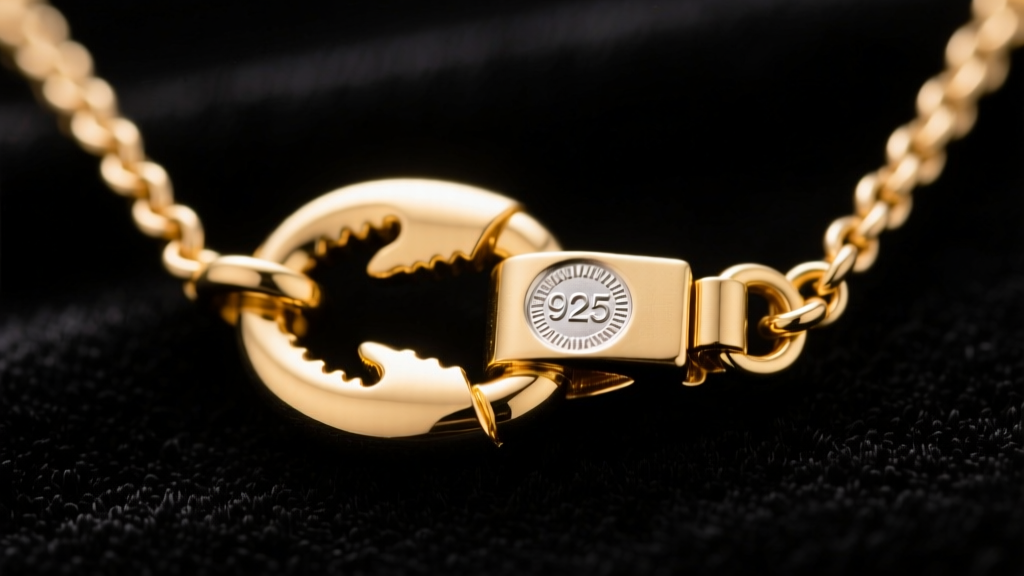
Budget necklaces typically use brass or zinc alloy as a base. While durable, these metals can cause skin discoloration and allergic reactions if the plating wears off. True value begins at 925 Sterling Silver. A genuine 925 stamp guarantees that the core metal is 92.5% pure silver, offering intrinsic melt value and hypoallergenic properties.
Plating: Flash vs. Vermeil
If you prefer the look of gold, understanding plating thickness is critical. The Gemological Institute of America (GIA) notes that standard 'flash' gold plating is usually less than 0.1 microns thick—it will rub off against the skin within months. For long-term value, seek out Gold Vermeil. By US standards, vermeil must be a minimum of 2.5 microns of gold plated over a sterling silver base. A vermeil AKA sorority necklace will cost 30% to 50% more than a flash-plated piece, but it will last for years with proper care, making the cost-per-wear significantly lower.
Enamel Techniques: Soft vs. Hard Enamel
The iconic salmon pink and apple green colors of AKA jewelry are usually achieved through enamel. However, not all enamel is created equal. The manufacturing process drastically affects both the price and the longevity of the pendant.
- Soft Enamel: The enamel is filled into recessed areas of the metal mold and baked. The metal lines separating the colors remain raised, giving the pendant a textured feel. Soft enamel is cheaper to produce and prone to chipping if dropped on a hard surface.
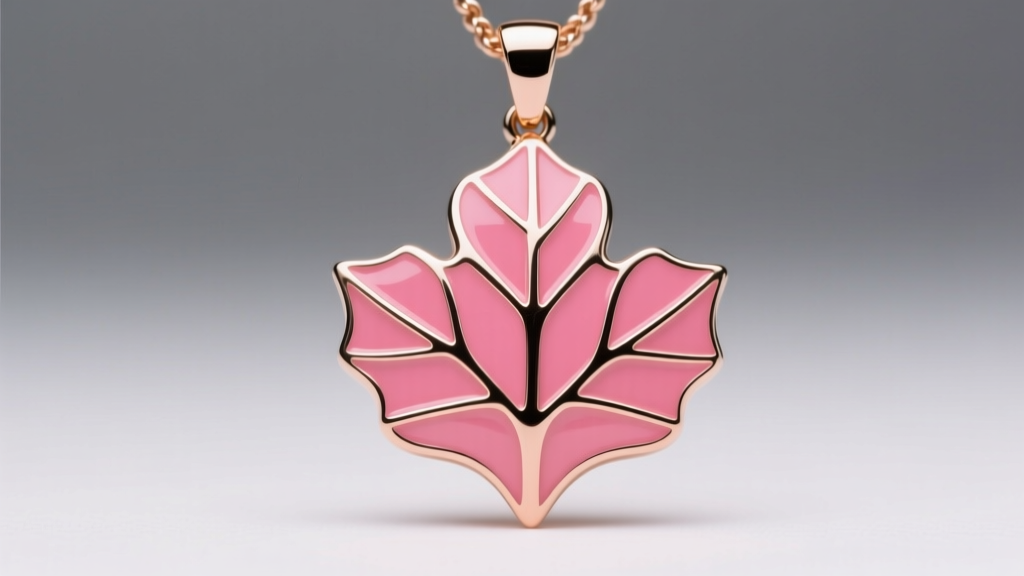
- Hard Enamel (Cloisonné): The enamel is filled to the top of the metal lines, then ground down and polished completely flat. This creates a smooth, glass-like finish that is highly resistant to scratching and fading. Hard enamel requires more labor and precision, adding roughly $15 to $30 to the wholesale cost, but it is the hallmark of a premium AKA sorority necklace.
2026 Pricing Tiers: What Should You Actually Pay?
To help you assess whether a vendor is pricing their jewelry fairly, I have categorized the current market rates for licensed AKA necklaces into three distinct value tiers.
| Value Tier | Expected Price Range | Materials & Construction | Best For |
|---|---|---|---|
| Tier 1: Budget | $25 - $45 | Brass/Zinc base, flash plating (0.1 microns), soft enamel, 0.8mm cable chain, spring ring clasp. | Short-term wear, college students on a strict budget, backup travel jewelry. |
| Tier 2: Mid-Range | $60 - $95 | 925 Sterling Silver base, 1-micron gold/rhodium plating, hard enamel, 1.0mm box chain, lobster clasp. | Daily wear, professional environments, graduation gifts. |
| Tier 3: Investment | $130 - $250+ | Solid 10k/14k Gold or heavy Vermeil (2.5+ microns), hard enamel or pavé cubic zirconia accents, 1.5mm rope chain. | Heirloom pieces, milestone anniversaries, lifelong daily wear without tarnishing. |
"True value in sorority jewelry is not just about the initial price tag; it is about the cost-per-wear and the emotional resonance of wearing a piece that maintains its beauty through decades of sisterhood and service."
Evaluating Chain Quality and Clasp Durability
A common failure point in any pendant necklace is the chain. Many vendors pair a beautiful, heavy 8-gram enamel ivy leaf pendant with a flimsy 0.8mm cable chain to keep their profit margins high. This is a structural mismatch. A heavy pendant will cause a thin cable chain to stretch, kink, and eventually snap.
When assessing the value of an AKA sorority necklace, check the chain specifications. For pendants weighing over 4 grams, you need a minimum chain width of 1.2mm. Box chains and rope chains offer superior tensile strength compared to standard cable chains. Furthermore, inspect the clasp. Spring ring clasps are inexpensive and difficult to operate with one hand, often failing when the internal spring wears out. A high-value necklace will always feature a lobster claw clasp, which provides a secure, mechanical lock that protects your investment from accidental loss.
Red Flags: Spotting Overpriced 'Boutique' Markup
In 2026, the rise of social media boutiques has led to severe price inflation. It is not uncommon to see a vendor selling a brass-based, soft enamel AKA sorority necklace for $120 simply because it is packaged in a velvet box with a branded ribbon. To protect your budget, always demand transparency. If the product description does not explicitly state '925 Sterling Silver' or 'Solid 14k Gold', assume it is base metal. Do not pay Tier 3 prices for Tier 1 materials. Always verify the vendor's CLC licensing status before entering your credit card information.
Final Verdict: Maximizing Your Sorority Jewelry Budget
Finding the perfect AKA sorority necklace requires balancing emotional significance with material reality. If your budget is tight, it is better to save up for a Tier 2 sterling silver piece with hard enamel than to settle for a Tier 1 brass piece that will tarnish and turn your skin green within a semester. By understanding the nuances of Greek licensing, metal plating thicknesses, and chain mechanics, you can confidently navigate the market and select a piece of jewelry that truly honors the legacy of 1908.


