Expert Care and Cleaning Tips for Your Alabama Necklace
Learn expert care, maintenance, and cleaning tips for your Alabama necklace. Protect enamel inlays, silver borders, and chains.

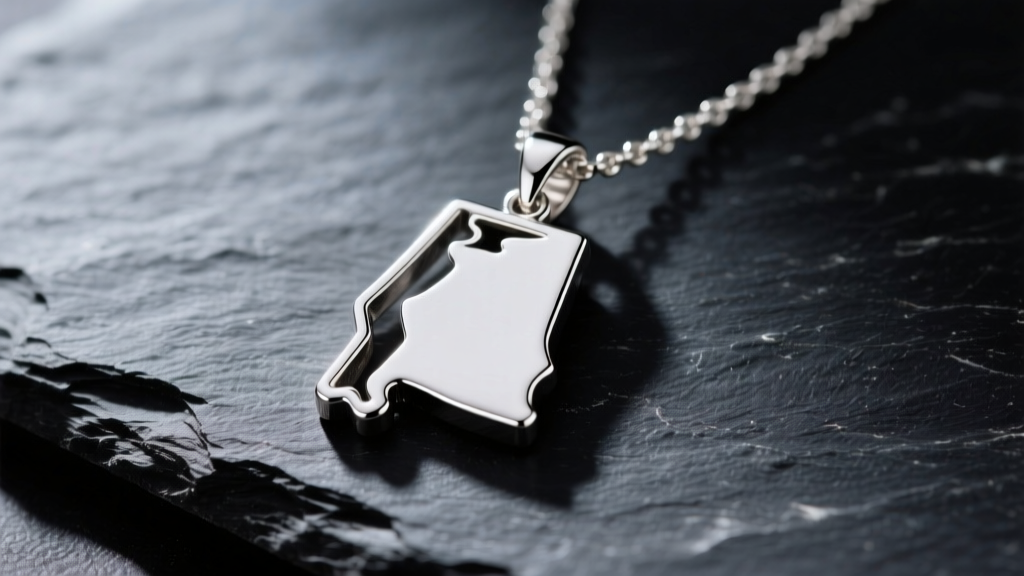
State-pride jewelry has evolved from simple souvenir-shop trinkets into sophisticated, everyday wardrobe staples. Among the most beloved of these regional pieces is the Alabama necklace, a pendant that captures the distinct geographic silhouette of the Yellowhammer State. Whether your piece features a high-polish sterling silver finish, a 14k gold vermeil coating, or vibrant crimson and white enamel inlays representing the state's iconic colors, maintaining its pristine condition requires specialized knowledge.
Unlike simple geometric pendants, a state-shaped necklace presents unique maintenance challenges. The intricate laser-cut borders, mixed-material inlays, and delicate chains demand a tailored approach to cleaning and storage. In this comprehensive 2026 guide, we break down the material science, structural vulnerabilities, and professional cleaning protocols required to keep your Alabama necklace looking flawless for decades.
The Material Science of State-Pride Jewelry
Before applying any cleaning solution, you must accurately identify the base metal and finishing techniques used in your specific Alabama necklace. The most common variations include:
- 925 Sterling Silver: Composed of 92.5% pure silver and 7.5% copper. The copper alloy provides durability but is highly susceptible to oxidation, reacting with sulfur in the air and skin acids to form silver sulfide (tarnish).
- 14k Gold Vermeil: A thick layer of 14k gold (minimum 2.5 microns) electroplated over a sterling silver base. It offers a luxurious look but can wear down to the silver base if subjected to abrasive polishing.
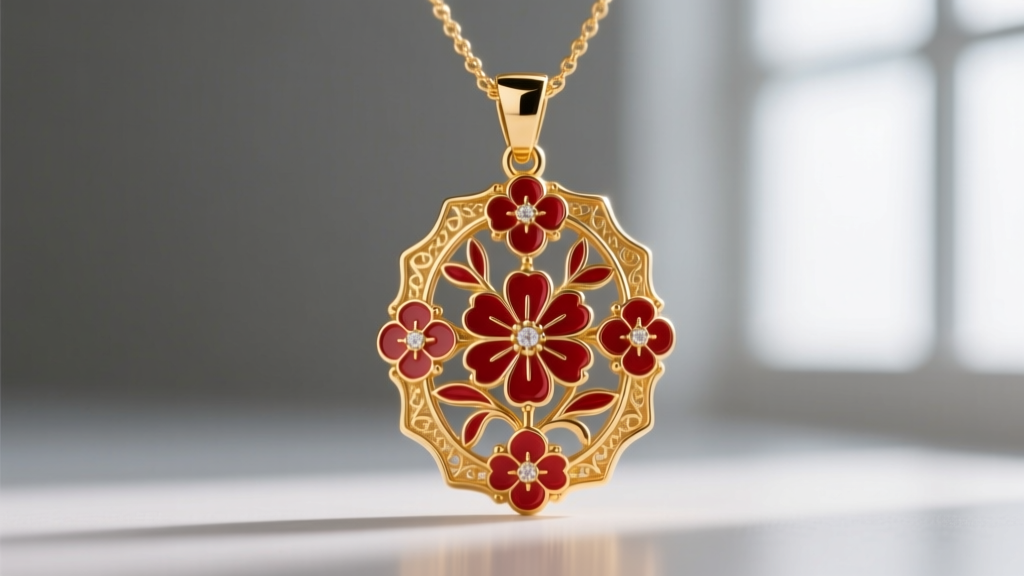
- Enameled Brass or Silver: Many Alabama necklaces feature champlevé or cloisonné enamel, where powdered glass is fused to the metal at high temperatures to create the crimson 'A' or state flag motifs.
According to the Gemological Institute of America (GIA), understanding the Mohs hardness scale of your jewelry's components is critical. While pure silver is relatively soft (2.5-3), enamel acts like glass (5-6), and gold alloys vary based on their karat. Using a one-size-fits-all jewelry dip can strip gold plating and cloud glass-based enamels.
The Border Challenge: Cleaning Intricate Crevices
The silhouette of Alabama is not a simple rectangle. The northern border features slight geometric irregularities, the eastern border follows the natural curve of the Chattahoochee River, and the southern coastline along the Gulf of Mexico and Mobile Bay features complex, jagged edges. These tight, laser-cut crevices are prime real estate for the accumulation of sebum, dead skin cells, lotion residue, and environmental dust.
The Professional Cleaning Protocol
Forget harsh chemical dips. To safely extract debris from the intricate borders of your Alabama necklace without scratching the high-polish finish, follow this four-step protocol:
- The Surfactant Bath: Mix three drops of mild, phosphate-free dish soap (like Dawn) into a bowl of warm distilled water. Distilled water is crucial, as tap water contains chlorine and hard minerals that can leave microscopic spots on silver and gold.
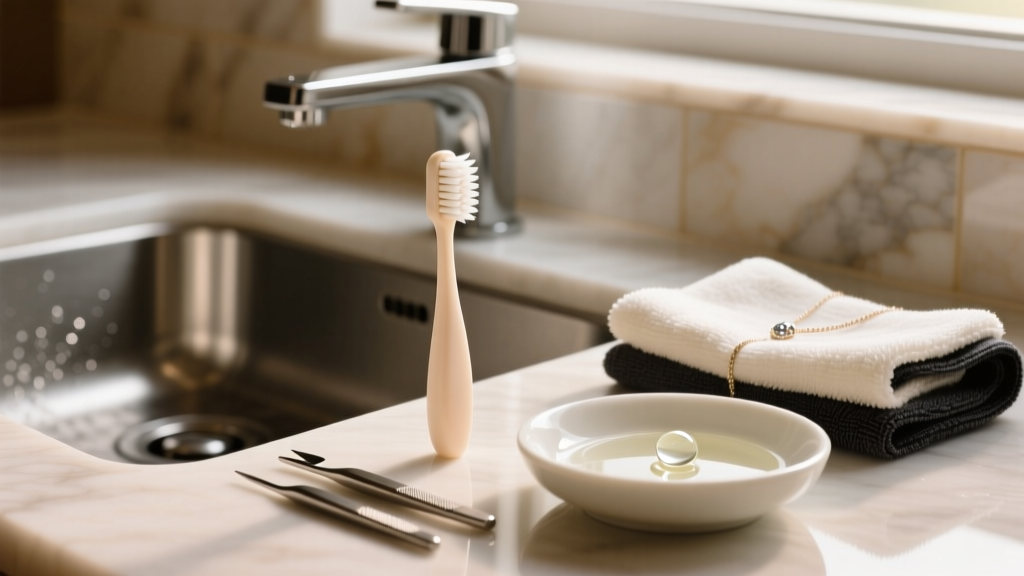
- Targeted Agitation: Submerge the pendant for exactly three minutes to loosen oils. Then, using an ultra-soft baby toothbrush (never a standard adult toothbrush, which can leave micro-scratches), gently trace the state's borders. Use the bristles to sweep outward from the center, pushing debris out of the Mobile Bay cutout and river curves.
- The Stubborn Gunk Removal: If lotion has hardened in a tight corner, do not use a metal needle. Instead, use a wooden toothpick or a soft interproximal brush designed for braces to gently dislodge the buildup.
- The Distilled Rinse and Dry: Rinse the pendant under a gentle stream of distilled water. Immediately pat it dry with a lint-free microfiber cloth. Never use paper towels or tissues, as their wood-pulp fibers will cause microscopic abrasions on polished silver.
Enamel Preservation: What to Avoid at All Costs
If your Alabama necklace features the iconic crimson and white enamel details, you must completely alter your cleaning strategy. Enamel is essentially fused glass, making it highly vulnerable to thermal shock and chemical etching.
Expert Warning: Never place an enameled necklace in an ultrasonic jewelry cleaner. The high-frequency sound waves create microscopic cavitation bubbles that can cause the glass enamel to fracture, craze, or separate from the metal backing.
Furthermore, avoid homemade baking soda pastes. While baking soda is often touted as a natural silver cleaner, its crystalline structure is abrasive enough to dull the high-gloss finish of enamel and scratch gold vermeil. The Jewelers of America strongly recommends using only pH-neutral, non-abrasive liquid cleaners for mixed-material jewelry.
Cleaning Agent Compatibility Matrix
| Cleaning Agent | Sterling Silver | Gold Vermeil | Crimson Enamel | Verdict for Alabama Necklace |
|---|---|---|---|---|
| Ultrasonic Cleaner | Safe | Risky (can strip plating) | Dangerous (causes fractures) | AVOID |
| Commercial Silver Dip | Safe (short term) | Dangerous (strips gold) | Dangerous (causes clouding) | AVOID |
| Baking Soda Paste | Abrasive | Abrasive | Dulls Finish | AVOID |
| Mild Soap + Distilled Water | Safe | Safe | Safe | HIGHLY RECOMMENDED |
| Isopropyl Alcohol (90%+) | Safe | Safe | Safe (use sparingly) | Good for spot-cleaning oils |
Chain and Clasp Maintenance
The pendant is only half the equation. The chain supporting your Alabama necklace—typically a delicate 14-inch to 18-inch cable or box chain—requires its own maintenance routine. Box chains, while visually appealing, are notorious for trapping skin oils between their interlocking square links, leading to a dull, grayish buildup.
To clean the chain, lay it flat on a microfiber cloth. Dip a cotton swab in the mild soapy distilled water solution and run it along the length of the chain, applying gentle pressure. For the lobster clasp, the tiny internal spring mechanism frequently fails when clogged with hand lotion or cosmetic powders. To flush the clasp, use a syringe to push a small amount of 90% isopropyl alcohol directly into the lever hinge. Pump the lever open and closed several times to dislodge the debris, then let it air dry. This simple step can extend the mechanical life of your clasp by years.
Strategic Storage and Anti-Tarnish Protocols
Proper storage is the most effective form of preventative maintenance. Sterling silver tarnishes when exposed to hydrogen sulfide in the ambient air. To protect your Alabama necklace when it is not being worn, abandon the standard jewelry box and adopt a micro-climate storage approach.
- Anti-Tarnish Strips: Place a 3M or Hagerty anti-tarnish paper strip inside an airtight ziplock bag with the necklace. These strips absorb sulfur compounds before they can react with the copper in your sterling silver.
- Silica Gel Packets: Humidity accelerates the tarnishing process. Toss a small silica gel packet into the storage bag to maintain a dry environment, especially if you live in the high-humidity climate of the actual state of Alabama.
- Individual Isolation: Never store your state-shaped pendant loosely in a drawer with other jewelry. The sharp, laser-cut points of the state's borders can easily scratch softer gemstones, while harder diamonds or sapphires from other pieces can gouge the silver.
By understanding the unique material composition and geographic intricacies of your jewelry, you can ensure your piece remains a vibrant, tarnish-free tribute to your state pride. Consistent, gentle care using the correct tools will preserve both the sentimental and material value of your necklace for a lifetime.


