Ultimate Care Guide for Your Sterling Albatross Necklace
Learn how to properly clean, polish, and store your albatross necklace. Expert tips for sterling silver, brass, and enamel maritime pendants.

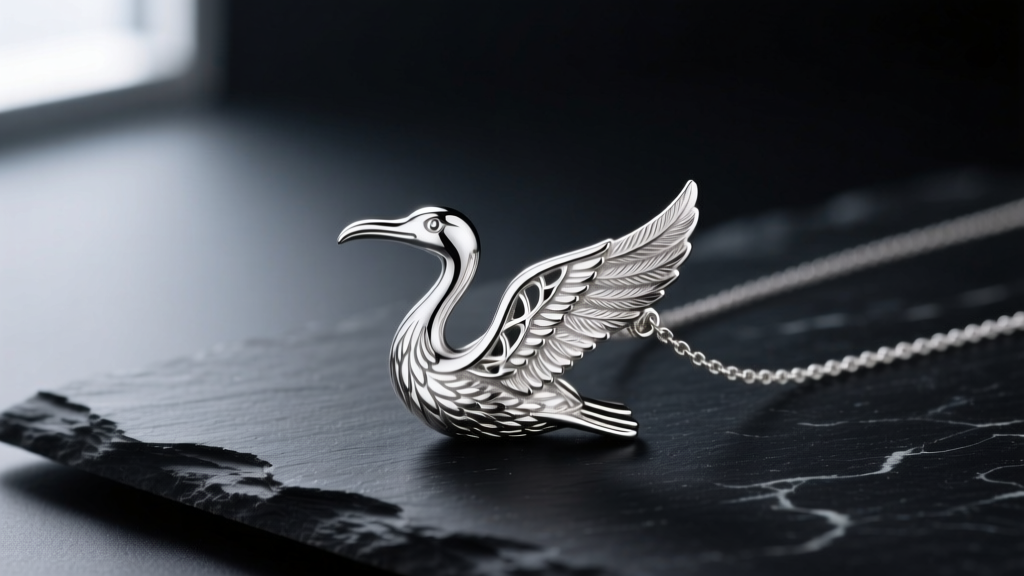
The albatross necklace holds a revered place in maritime jewelry, symbolizing good luck, safe passage, and a deep respect for the ocean. Whether your piece is a family heirloom passed down through generations of sailors or a modern artisan-crafted pendant you purchased to commemorate a love for the sea, proper maintenance is essential. Because these pendants often feature intricate feather engravings, mixed metals, and delicate enamel work, they require a specialized approach to cleaning and storage. In this comprehensive guide, we will explore the exact methodologies for preserving the structural integrity and visual brilliance of your albatross necklace.
The Symbolism and Material Composition
Before applying any cleaning agents, it is crucial to understand the materials that make up your specific piece. Historically, maritime talismans were carved from bone or cast in brass and bronze. Today, the vast majority of high-quality albatross necklaces are cast in 925 sterling silver, often accented with oxidized detailing, gold vermeil, or vitreous enamel. According to the Gemological Institute of America (GIA), sterling silver is an alloy containing 92.5% pure silver and 7.5% copper. This copper addition provides the necessary tensile strength for jewelry but is also the primary culprit behind tarnish formation.
If your albatross pendant features a brass or bronze bail (the loop that connects the pendant to the chain), you are dealing with a galvanic couple. When two dissimilar metals rest against each other in the presence of moisture (like human sweat), it can accelerate localized corrosion. Understanding these material interactions is the first step in expert-level jewelry maintenance.
The Chemistry of Tarnish and Environmental Hazards
Tarnish on a silver albatross necklace is not a sign of poor quality; it is a natural chemical reaction. Silver reacts with hydrogen sulfide in the atmosphere to form silver sulfide, which manifests as a dull, yellowish, or black film on the surface. To minimize this reaction, you must identify and avoid common environmental hazards:
- Chlorine and Saltwater: Never wear your necklace while swimming in pools or the ocean. Chlorine can cause irreversible pitting in sterling silver, while saltwater accelerates the corrosion of copper alloys and brass findings.
- Sulfur-Rich Environments: Hot springs, volcanic regions, and even certain rubber bands or latex gloves contain high levels of sulfur that will rapidly blacken your pendant.
- Cosmetics and Lotions: Apply perfumes, hairsprays, and lotions at least 15 minutes before putting on your necklace. The alcohols and emulsifiers in these products can degrade enamel accents and leave a stubborn, cloudy film on the metal.
Deep Cleaning Methods by Material
When your albatross necklace requires a deep clean, avoid harsh commercial dips. Instead, use a targeted approach based on the pendant's primary material. The Jewelers of America recommends mild, pH-neutral surfactants for routine jewelry cleaning to protect delicate patinas and gemstone inlays.
| Material | Safe Cleaning Agent | Agents to Avoid | Drying Method |
|---|---|---|---|
| 925 Sterling Silver | Warm water + pH-neutral dish soap | Bleach, ammonia, silver dip | Microfiber cloth, air dry |
| Solid Brass / Bronze | Lemon juice + baking soda paste | Chlorine, harsh abrasives | Soft cotton towel |
| Vitreous Enamel Accents | Damp microfiber cloth only | Ultrasonic cleaners, acids | Air dry flat |
| Carved Bone / Horn | Dry, soft-bristled brush only | Water, oils, liquid soaps | N/A |
Step-by-Step Sterling Silver Cleaning
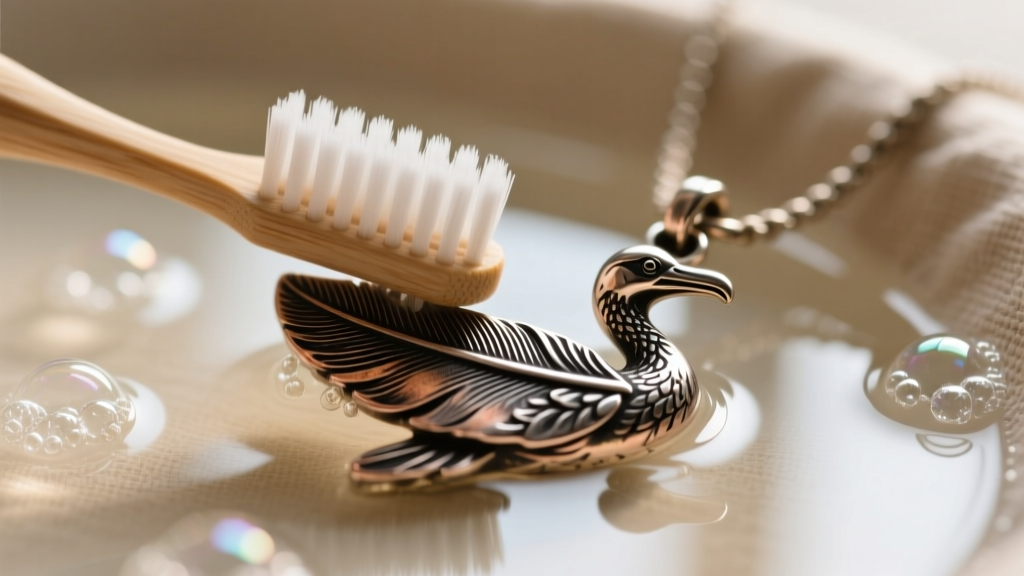
For a standard sterling silver albatross pendant, mix three drops of mild, phosphate-free dish soap into a bowl of lukewarm distilled water. Submerge the pendant for no more than three minutes. Using a soft-bristled baby toothbrush, gently agitate the bristles over the surface. Pay special attention to the back of the pendant and the interior of the bail, where skin oils and dead cells accumulate. Rinse thoroughly under lukewarm running water and pat dry with a lint-free microfiber cloth.
Preserving Intentional Oxidation and Antiqued Details
Many artisan albatross necklaces utilize intentional oxidation—a process where the jeweler applies liver of sulfur to darken the recessed areas of the casting. This technique dramatically highlights the intricate barbs and shafts of the albatross's wings. If you use a liquid silver dip or an aggressive polishing wheel, you will strip this dark patina, leaving the pendant looking flat and washed out.
To polish an oxidized albatross necklace safely, use a treated jeweler's cloth (such as a Sunshine cloth) and strictly polish the raised, high-relief areas of the bird's body and wings. Fold the cloth to create a firm edge, allowing you to buff the silver without dragging the abrasive compound into the darkened feather crevices. Never use a toothbrush with abrasive toothpaste or baking soda on an oxidized piece, as the grit will become lodged in the details and lighten the intentional patina.
Ultrasonic Cleaners: A Critical Warning
While ultrasonic cleaners are highly effective for removing dirt from diamond rings, they pose a severe threat to many albatross necklaces. The high-frequency sound waves create microscopic cavitation bubbles in the cleaning solution. If your pendant features vitreous enamel, mother-of-pearl inlays, or glued turquoise accents, the vibrations can easily fracture the enamel or shatter the inlay. Furthermore, if the pendant has a hollow-backed casting to reduce weight, the ultrasonic pressure can cause the thin metal walls to warp or collapse. Stick to manual, gentle cleaning methods for all maritime motif jewelry.
Restoring Chains and Bail Hardware
The bail is the unsung hero of your albatross necklace. It is the loop at the top of the pendant through which the chain passes. Because the bail is constantly subjected to friction from the chain, it is often the first component to fail. Inspect the interior of the bail every six months. If you notice a deep groove or thinning of the metal (common in 2mm to 3mm cast bails), take the piece to a professional jeweler to have a hardy, soldered jump ring added as a protective liner.
For the chain itself, a 1.5mm to 2mm cable or rope chain is standard for these pendants. To clean the chain, lay it flat on a paper towel, apply a small amount of your soapy water solution, and gently run a soft cloth down its length. This prevents the chain from tangling and ensures you do not accidentally pull and stretch the delicate links.
Proper Storage Techniques for Maritime Jewelry
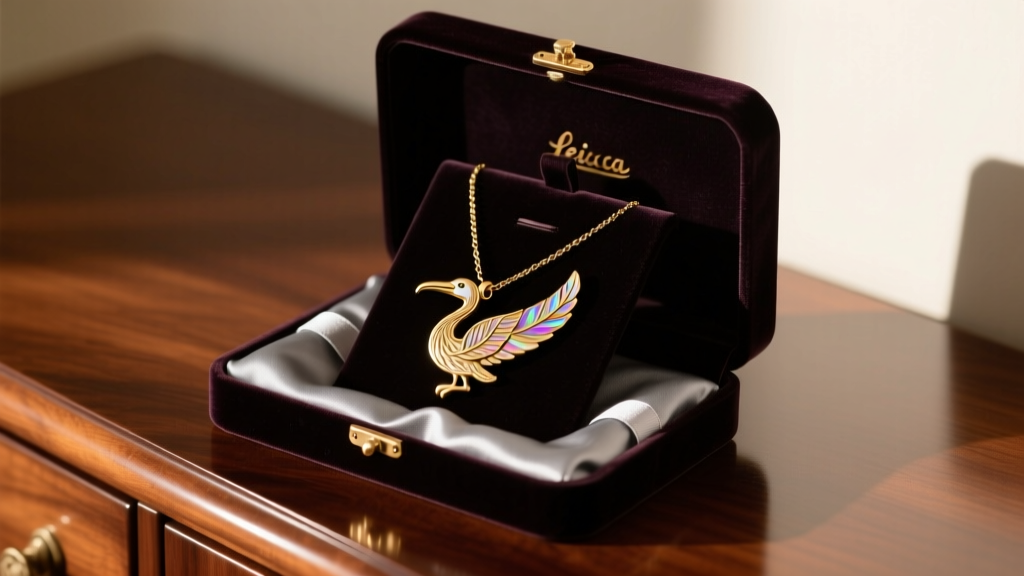
How you store your albatross necklace when it is not being worn is just as important as how you clean it. Exposure to ambient humidity and airborne pollutants will guarantee rapid tarnishing. Follow these archival-level storage protocols:
- Use Polyethylene, Not PVC: Store your necklace in a zip-seal bag made of polyethylene. Avoid polyvinyl chloride (PVC) plastics, which emit gases that accelerate silver sulfide formation.
- Anti-Tarnish Strips: Place a 3M anti-tarnish strip inside the bag. These strips contain copper-based particles that intercept and absorb sulfur compounds before they can reach your jewelry. Replace the strips every six months.
- Humidity Control: Include a small silica gel desiccant packet in your storage box or bag to maintain a low-humidity microenvironment. Ideal storage humidity for sterling silver is below 50%.
- Prevent Scratching: Never store your albatross necklace in a communal jewelry box where it can rub against harder gemstones like diamonds or sapphires, which will easily scratch the silver surface.
Conclusion
An albatross necklace is more than a simple accessory; it is a wearable piece of maritime history and personal symbolism. By understanding the specific metallurgical properties of your pendant, avoiding harsh chemical cleaners, and implementing strict, low-humidity storage protocols, you can ensure that your talisman remains as pristine as the ocean winds it represents. Regular, gentle maintenance will keep the silver gleaming and the intricate feather details sharp for decades to come.


