Thatch Necklace Metals: Silver, Gold & Weave Durability
Compare sterling silver, 14k gold, and vermeil for your thatch necklace. Discover which metal best withstands the intricate woven chain pattern.

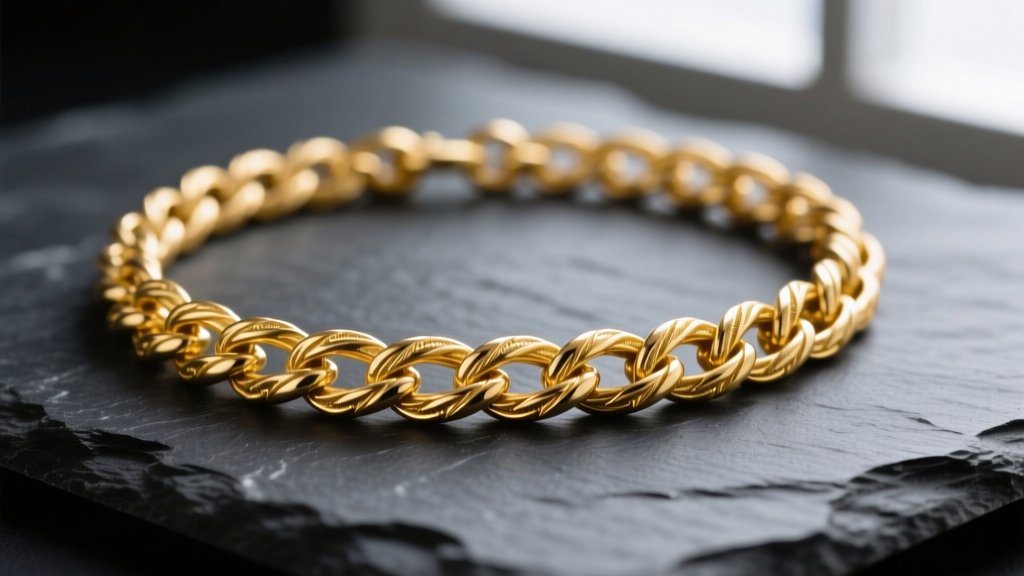
The thatch necklace has seen a massive resurgence in fine and fashion jewelry, prized for its dense, woven texture that mimics the intricate, overlapping patterns of a thatched roof. Unlike standard cable or curb chains, the thatch weave is a complex, multi-directional link structure. While visually stunning, this high-surface-area design presents unique metallurgical challenges. The tight crevices trap environmental elements, and the constant micro-friction between interlocking links tests the tensile strength and wear-resistance of the underlying metal.
As we navigate the jewelry market in 2026, consumers and collectors alike must look beyond the aesthetic appeal of the thatch pattern and evaluate the material science behind the chain. Whether you are eyeing a heavy sterling silver piece or a delicate 18k gold weave, understanding how different alloys behave under the specific mechanical stresses of a thatch weave is critical for long-term durability. This guide breaks down the material properties, failure modes, and maintenance requirements of the most common metals used in thatch necklaces.
The Anatomy of a Thatch Weave Chain
To understand material performance, we must first examine the physical structure of the thatch chain. A traditional thatch weave is typically constructed from fine wire, usually ranging between 20-gauge (0.81mm) and 24-gauge (0.51mm). These fine wires are looped, twisted, and tightly woven to create a finished chain width of 3mm to 6mm.
Because the individual links are exceptionally small and densely packed, a standard 18-inch thatch necklace contains thousands of individual friction points. Every time the wearer moves, the links articulate, rubbing against one another. This continuous metal-on-metal contact requires an alloy with high structural integrity. Furthermore, the dense weave creates microscopic crevices that easily trap sebum (skin oils), lotions, and environmental sulfur, accelerating chemical reactions like oxidation and tarnishing in susceptible metals.
Material Comparison: How Metals Handle the Thatch Pattern
Sterling Silver (925) and Crevice Corrosion
Sterling silver is the most common and accessible metal for thatch necklaces. Stamped as 925, it consists of 92.5% pure silver and 7.5% alloying metals, almost always copper. Pure silver is too soft to hold the rigid structure of a thatch weave, making the copper addition necessary for tensile strength. However, copper is highly reactive to sulfur and moisture.
In a smooth chain, silver tarnish is easily wiped away. In a thatch necklace, the tight weave creates what metallurgists call "crevice corrosion." Sulfur compounds in the air and chlorine in tap water become trapped deep within the woven links, causing the copper alloy to oxidize and turn black. According to the Silver Institute, silver sulfide formation is rapid in high-humidity environments. If you live in a coastal or humid climate, a sterling silver thatch necklace will require bi-weekly cleaning to prevent deep-set, stubborn oxidation that dulls the chain's signature textured shine.
14k vs. 18k Solid Gold: Tensile Strength and Friction
When investing in a solid gold thatch necklace, the karat weight dictates not just the color, but the chain's lifespan. The Gemological Institute of America (GIA) notes that alloying metals like zinc, copper, and silver are added to gold to increase its hardness and durability.
14k Gold (58.5% pure gold): With a Vickers hardness rating of approximately 130-140, 14k gold is exceptionally resilient. The higher alloy content provides the necessary rigidity for the 22-gauge wires used in thatch weaves to resist stretching. The constant friction of the thatch pattern will cause minimal micro-abrasions over decades of wear, making 14k the superior choice for daily-wear thatch chains.
18k Gold (75% pure gold): 18k gold offers a richer, deeper yellow hue but sits lower on the hardness scale (Vickers ~115). While still durable, the softer nature of 18k gold means the continuous friction of the thatch links rubbing together will slowly wear away the metal at the contact points. Over 10 to 15 years of daily wear, an 18k thatch chain may experience "link elongation," where the chain visibly stretches and becomes more prone to snapping under sudden tension.
Gold Vermeil and Plated Brass: The Friction Problem
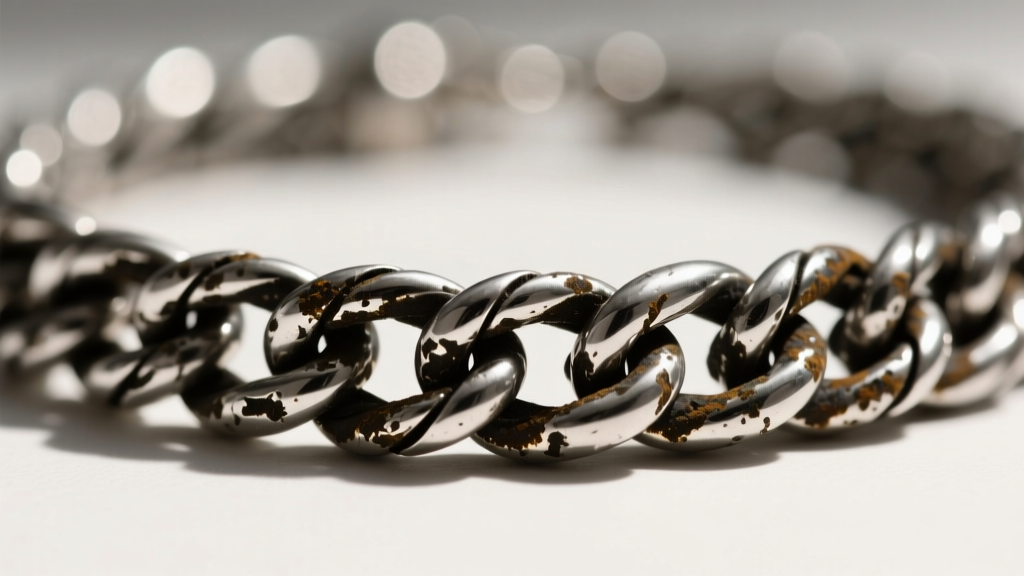
Gold vermeil (a thick layer of gold over a sterling silver base) and gold-plated brass offer the luxurious look of a gold thatch necklace at a fraction of the cost. By FTC and international standards, vermeil must have a gold layer of at least 2.5 microns. However, the thatch weave is the ultimate stress test for plated jewelry.
Because the links are constantly articulating and grinding against each other, the gold plating at the friction points will wear away much faster than on a smooth cable chain. Within 6 to 12 months of daily wear, a vermeil thatch necklace will likely reveal the silver or brass core at the peaks of the woven links. Once the base metal is exposed, brass will quickly turn the skin green due to copper oxidation, while the exposed silver will tarnish, creating a patchy, two-tone appearance that is impossible to polish without removing more of the surrounding gold plating.
Durability and Failure Modes in Thatch Chains
When evaluating a thatch necklace, it is vital to understand the specific failure modes associated with this weave. Below is a comparative data table outlining how different materials perform under the unique stresses of the thatch pattern in the current 2026 market.
| Material Grade | Wire Gauge Tolerance | Vickers Hardness (Approx) | Crevice Tarnish Risk | Friction Wear Risk | 2026 Avg Price (18") |
|---|---|---|---|---|---|
| Sterling Silver (925) | 20ga - 24ga | 65 - 75 | High | Low | $85 - $160 |
| 14k Solid Gold | 20ga - 24ga | 130 - 140 | None | Very Low | $650 - $1,200 |
| 18k Solid Gold | 18ga - 22ga | 110 - 120 | None | Moderate | $900 - $1,800 |
| Gold Vermeil (Silver) | 20ga - 24ga | 65 - 75 (Base) | Moderate | High | $60 - $120 |
| Gold Plated Brass | 18ga - 22ga | 90 - 110 (Base) | High (if chipped) | Very High | $35 - $75 |
As the data illustrates, while sterling silver is highly affordable, its high tarnish risk in crevices demands rigorous maintenance. Conversely, 14k gold offers the ultimate balance of hardness and chemical inertness, justifying its premium price point for a complex weave like the thatch chain.
Maintenance: Cleaning the High-Surface-Area Weave
Cleaning a thatch necklace requires specialized techniques; standard jewelry polishing cloths are virtually useless here, as they cannot penetrate the deep, woven crevices and will only snag on the textured links.
Ultrasonic Cleaning: For solid gold and sterling silver, an ultrasonic cleaner is the most effective method. The high-frequency sound waves create microscopic cavitation bubbles that implode, blasting trapped oils and silver sulfide out of the tight weave. However, Jewelers of America warns that ultrasonic cleaners should never be used on gold vermeil or plated brass thatch chains, as the intense vibrations will accelerate the flaking of the gold layer at the friction points.
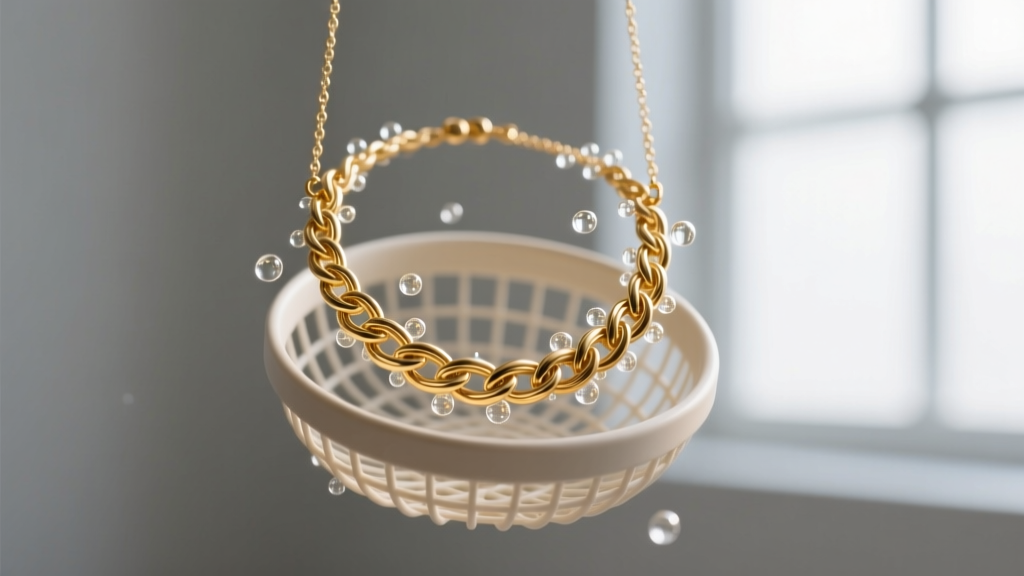
Chemical Dips: While liquid silver dips instantly remove tarnish from sterling silver thatch chains, they are highly caustic. If not rinsed thoroughly with distilled water, the chemical residue will remain trapped in the weave, eventually causing the silver to become brittle and the links to snap.
Manual Brushing: The safest everyday maintenance for all thatch necklaces is a gentle scrub with a soft-bristled baby toothbrush, warm water, and a drop of mild, phosphate-free dish soap. This mechanically dislodges sebum and lotion buildup without stripping gold plating or scratching soft 18k gold.
Final Verdict: Which Metal Should You Choose?
The ideal metal for your thatch necklace depends entirely on your wear habits and maintenance tolerance. If you are looking for an everyday, "never take it off" piece, 14k solid gold is the undisputed champion. Its superior Vickers hardness ensures the intricate thatch weave will not stretch or wear thin from constant link friction, and it will never succumb to crevice corrosion.
For those on a budget or who prefer the bright white luster of silver, a sterling silver thatch necklace is a beautiful choice, provided you commit to regular ultrasonic or manual cleaning to prevent deep-set oxidation. Finally, while gold vermeil offers an accessible entry point into the trend, buyers must accept it as a temporary fashion piece; the mechanical reality of the thatch weave guarantees that the gold plating will eventually wear away at the joints. Choose your metal wisely, and your thatch necklace will remain a stunning, textured centerpiece in your jewelry collection for years to come.


