Konstantino Cross Necklace Buying Guide: What to Know
Discover everything you need to know before investing in a Konstantino cross necklace. Explore materials, sizing, hallmarks, and pricing in our guide.


When it comes to iconic, heritage-driven jewelry, few brands command the immediate recognition and respect of Konstantino. Founded in Athens by Konstantinos Koulias, the brand is globally celebrated for its Hellenistic and Byzantine-inspired designs. Among their most sought-after creations is the Konstantino cross necklace, a piece that bridges deep spiritual symbolism with masterful, museum-quality goldsmithing. However, investing in luxury artisan jewelry requires a discerning eye. This comprehensive buying guide breaks down the exact materials, craftsmanship markers, sizing metrics, and authentication details you need to know before making a purchase in 2026.
The Legacy of Konstantino: Byzantine Artistry Meets Modern Devotion
To understand the value of a Konstantino cross pendant, you must first understand the manufacturing philosophy behind it. Unlike mass-produced cast jewelry, Konstantino pieces are still largely handcrafted in Greece using traditional techniques. The brand utilizes the ancient lost-wax casting method, where artisans hand-carve intricate floral motifs, acanthus leaves, and scrollwork into wax molds before casting them in precious metals. According to the official Konstantino heritage archives, the brand's commitment to keeping these ancient Greek goldsmithing techniques alive is what gives each cross its distinct, organic texture and heavy, substantial feel.
Decoding the Materials: Silver, Gold, and Intentional Oxidation
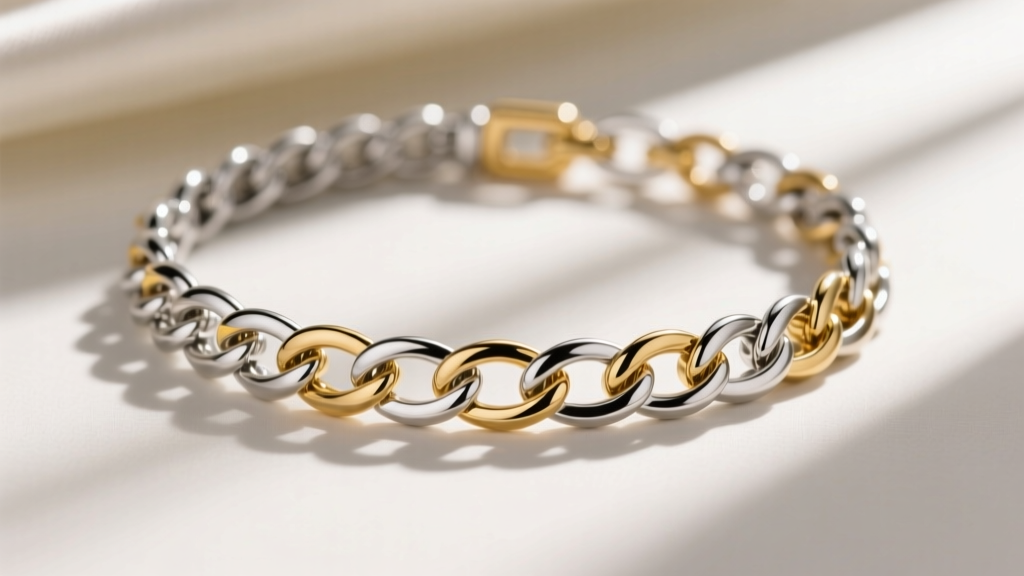
The signature aesthetic of a Konstantino cross necklace relies on a striking bi-metal contrast. The foundation is almost always solid .925 sterling silver, while the intricate accents, bezels, and granulation details are crafted in solid 18k yellow gold.
- Sterling Silver (.925): As noted by the Gemological Institute of America (GIA), sterling silver is an alloy of 92.5% pure silver and 7.5% copper, providing the necessary durability for heavy, intricate pendants while maintaining a brilliant polish.
- 18k Yellow Gold (750): Konstantino uses 18k gold (75% pure gold) for its rich, warm hue, which contrasts beautifully against the cooler silver. The gold is often applied using granulation—an ancient Etruscan and Greek technique where microscopic spheres of gold are fused to the silver surface without the use of visible solder.
- Sulfur Oxidation: The dark, antique-looking recesses in the scrollwork are not dirt or tarnish; they are the result of intentional oxidation using liver of sulfur. This chemical process darkens the recessed silver, creating a dramatic 3D effect that makes the high-polish silver and 18k gold elements pop.
Sizing and Proportions: Choosing the Right Cross
A common mistake buyers make is underestimating the weight and visual footprint of artisan jewelry. Konstantino crosses are notably heavier than standard commercial pendants. Choosing the right size depends on your body type, neckline preferences, and tolerance for weight on the collarbone.
| Pendant Style | Dimensions (mm) | Approx. Weight | Recommended Chain | Est. Price Range |
|---|---|---|---|---|
| Classic Small Cross | 22 x 30 | 6g - 9g | 18" 2mm Box Chain | $450 - $650 |
| Medium Floral Cross | 35 x 45 | 14g - 18g | 20" 3mm Byzantine Link | $800 - $1,200 |
| Large Acanthus Cross | 50 x 75 | 28g - 38g | 24" 5mm Heavy Rope Chain | $1,500 - $2,400 |
| Solid 18k Gold Cross | 30 x 40 | 15g - 22g | 20" 18k Gold Cable Chain | $3,800 - $5,500+ |
Chain Selection: The Perfect Pairing for Your Pendant
The pendant is only half the equation. Because Konstantino crosses feature heavy, ornate bails (the loop that connects the pendant to the chain), they require chains that can support their weight without kinking or snapping.
Byzantine Chains
The Byzantine link is the most authentic pairing for a Konstantino cross. Its complex, interlocking woven pattern mirrors the historical Byzantine motifs found on the cross itself. A 3mm to 4mm sterling silver and 18k gold Byzantine chain provides the necessary tensile strength for medium-to-large pendants.
Box Chains
For the smaller, lighter crosses (under 10 grams), a 2mm box chain is an excellent choice. Box chains feature square, interlocking links that lay flat against the skin and offer a clean, modern contrast to the highly ornate pendant.
Expert Tip: Never hang a 25g+ Konstantino cross on a delicate cable or snake chain. The heavy bail will act as a friction saw, eventually wearing through the thinner links and causing the pendant to drop and potentially damage the stone or enamel settings.
Authentication & Hallmarks: Spotting the Real Deal
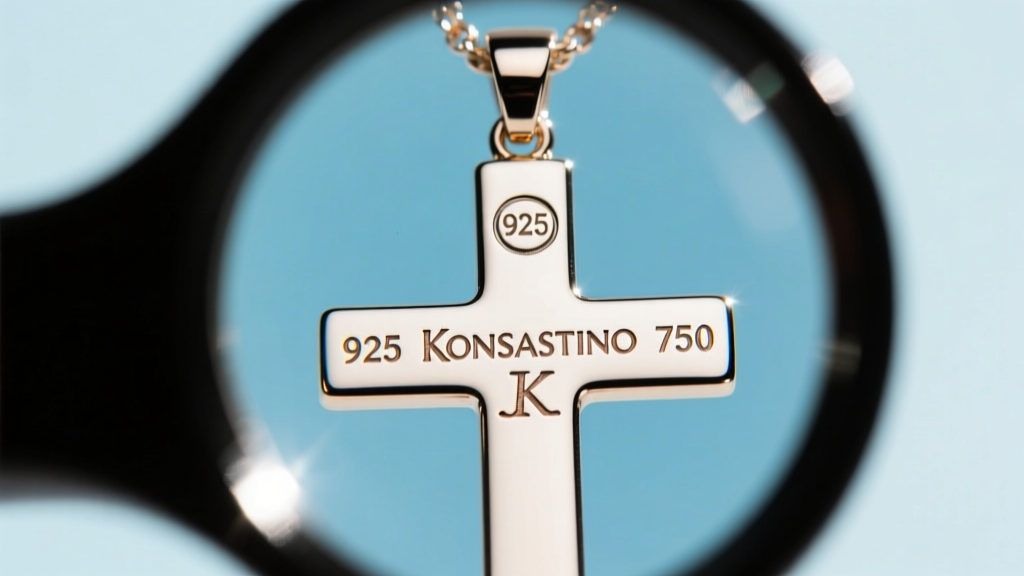
Due to the brand's prestige and price point, counterfeit Konstantino pieces do circulate in secondary markets and unverified online auction sites. Authenticating a Konstantino cross necklace requires inspecting specific hallmarks and craftsmanship cues.
- The Hallmarks: Flip the pendant over. A genuine piece will feature a crisp, deeply stamped "925" for the silver and "750" for the 18k gold. You should also find the Konstantino signature stamp (often a stylized 'K' or the full brand name) and a "Greece" or "Made in Greece" origin mark.
- The Bail Construction: Counterfeiters often use plain, mass-produced loop bails. A genuine Konstantino bail is heavily decorated, featuring the same hand-carved scrollwork and 18k gold accents as the body of the cross.
- The Granulation Test: Examine the tiny gold beads under a 10x jeweler's loupe. In authentic pieces, the granulation is fused seamlessly into the metal. In fakes, these beads are often glued or poorly soldered, showing visible seams or adhesive residue.
Price Guide & Investment Value in 2026
While fashion jewelry depreciates the moment it leaves the store, artisan-crafted pieces like Konstantino hold their intrinsic and artistic value. In 2026, retail prices for new Konstantino silver and gold cross pendants generally range from $450 for minimalist designs to over $2,500 for large, gemstone-encrusted statement pieces. On the secondary market (such as verified luxury consignment platforms), well-maintained pieces typically retain 50% to 70% of their original retail value, heavily dependent on the current spot price of silver and gold, as well as the rarity of the specific collection.
Care and Maintenance for Intricate Scrollwork
Caring for a Konstantino cross requires a departure from standard silver cleaning routines. The most critical rule is to never use liquid silver dip or chemical tarnish removers. As the GIA's silver care guidelines suggest, harsh chemicals will strip away the intentional sulfur oxidation in the recesses of the scrollwork, leaving the piece looking flat, overly bright, and stripped of its 3D character.
Instead, use a dry, untreated microfiber polishing cloth. Gently buff only the raised, high-polish silver ridges and the 18k gold accents. Leave the dark, recessed areas completely untouched. Store the necklace in an anti-tarnish flannel bag when not in wear to slow down natural environmental oxidation.


