Aldo Necklace Value Guide: Materials, Pricing & Wear
Is an Aldo necklace worth the price? We assess base metals, plating thickness, pricing tiers, and lifespan to determine true budget value.

The Fast-Fashion Jewelry Dilemma: Assessing the Aldo Necklace
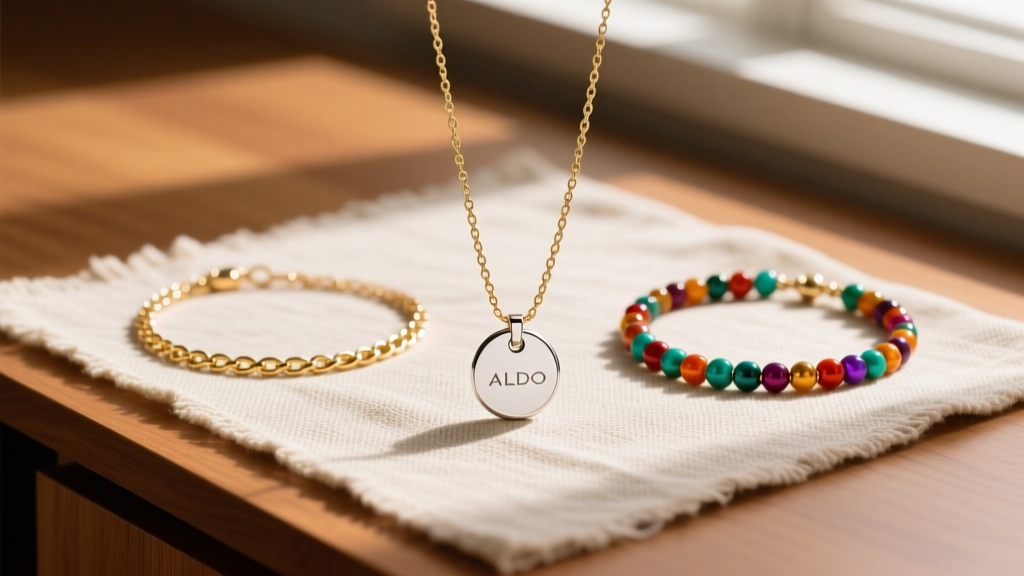
When browsing the accessories section of your local mall or scrolling through fast-fashion lookbooks, the appeal of an Aldo necklace is undeniable. With trend-forward designs, chunky silhouettes, and an accessible price point, Aldo has cemented itself as a go-to brand for seasonal jewelry. But as consumers become more educated about metallurgy, sustainability, and cost-per-wear, a critical question emerges: what is the actual value of an Aldo necklace in 2026?
To answer this, we must look past the polished storefront displays and examine the base metals, plating techniques, and structural integrity of these pieces. This comprehensive value assessment breaks down the true cost, material science, and expected lifespan of Aldo's jewelry, helping you decide when to buy for the moment and when to invest in fine alternatives.
Pricing Tiers and the Cost-Per-Wear Reality
Aldo's jewelry pricing generally falls into a narrow, highly accessible bracket. Understanding what you get for your money requires mapping the price to the expected lifespan of the piece.
- The $15 - $25 Tier (Delicate Chains & Simple Pendants): These pieces typically feature thin cable or snake chains made from plated brass. They are highly susceptible to tangling and snapping under minor tension. Expect a lifespan of 3 to 6 months with regular wear.
- The $25 - $35 Tier (Chunky Chains & Statement Pendants): Heavier pieces often use zinc alloy (Zamak) for the pendants and plated brass for the chains. The weight can cause premature stretching of the chain links, but the pendants themselves are relatively durable against physical impact.
- The $35 - $50 Tier (Mixed Media & Layered Sets): Often incorporating glass stones, acrylic, or synthetic pearls. The primary failure point here is the adhesive used to set the stones, which degrades quickly when exposed to body heat and lotions.
From a strict budget perspective, an Aldo necklace offers excellent 'cost-per-trend' value. If you need a specific, highly stylized piece for a single season or event, the low upfront cost justifies the purchase. However, if you are looking for a daily-wear staple, the cost-per-wear skyrockets once the plating fails.
Material Breakdown: What Are You Actually Buying?
To evaluate the true value of an Aldo necklace, we have to examine the metallurgy. According to the Federal Trade Commission's Jewelry Guides, brands must accurately disclose metal content, but fast-fashion brands often rely on broad terms like 'base metal' or 'gold-tone.'
The Base Metals: Brass vs. Zamak
Aldo primarily uses two base metals. The chains are almost exclusively made from brass (an alloy of copper and zinc), chosen for its malleability and ability to take a high polish. The heavier pendants and structural components are usually cast from Zamak, a zinc alloy containing small amounts of aluminum, magnesium, and copper. Zamak is cheap to cast and heavy, giving fashion jewelry a premium 'feel' in the hand, but it is highly porous and prone to oxidation if the outer plating is compromised.
The Plating: Flash vs. Micron
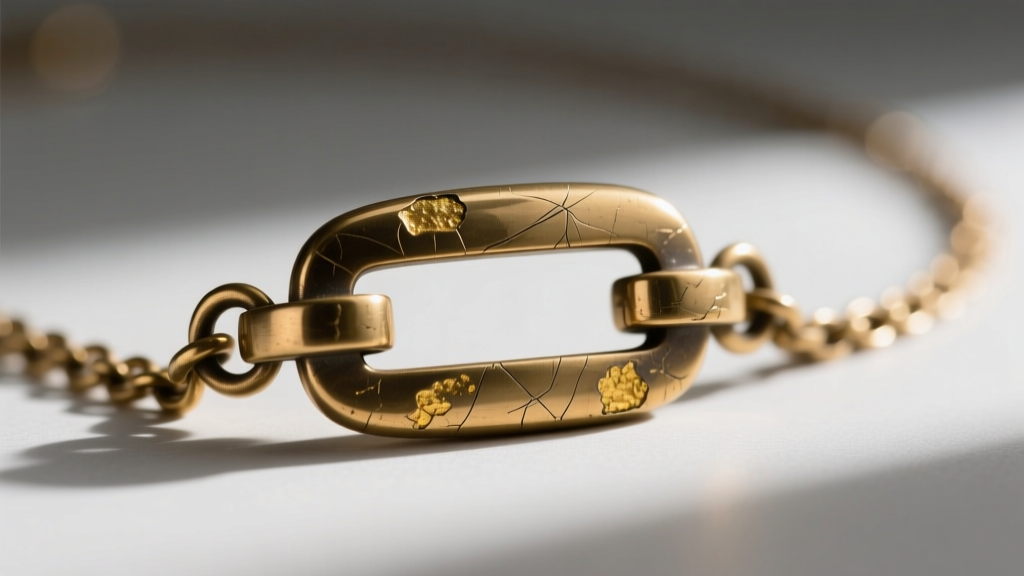
The golden or silvery finish on an Aldo necklace is achieved through electroplating. However, this is rarely 'micron plating' (which requires at least 1.0 microns of gold thickness). Instead, Aldo utilizes 'flash plating,' a process that deposits a microscopically thin layer of gold or silver—usually less than 0.175 microns. To compensate for this extreme thinness, the factory applies an e-coating (a clear polymer resin) over the metal. This e-coating is what actually provides the shine and initial tarnish resistance, not the precious metal itself.
Common Failure Modes and Troubleshooting
Because of the material constraints inherent to fast-fashion jewelry, Aldo necklaces exhibit specific, predictable failure modes. Recognizing these can help you troubleshoot issues or avoid certain styles altogether.
The 'Green Skin' Phenomenon
Wearing an Aldo necklace often results in a green or black ring on the skin. This is not an allergic reaction; it is a chemical one. The acids and salts in your sweat react with the copper in the brass base metal, creating copper chloride salts. Troubleshooting: You cannot stop this once the plating wears through. The only preventative measure is applying a barrier, such as a specialized jewelry polymer coating or even a thin layer of clear nail polish, to the back of the pendant and the inner links of the chain.
Clasp Tension Failure
Aldo frequently uses spring-ring clasps on their delicate chains. The outer shell of the clasp is plated brass, but the internal tension spring is often made of low-grade carbon steel. When exposed to humidity and sweat, the internal spring rusts or loses its temper, causing the clasp to stick open or fail to close. Troubleshooting: Avoid spring-ring clasps if possible. Opt for Aldo pieces that feature lobster clasps, which have a more robust internal mechanism and are less prone to catastrophic failure.
Adhesive Stone Loss
In statement pieces featuring rhinestones or faux pearls, the stones are glued rather than set in metal prongs. The adhesives used are heat-sensitive. Wearing these necklaces against the skin on a hot day, or exposing them to hair sprays and perfumes, will dissolve the glue bed. Troubleshooting: Never spray perfume directly onto a fashion necklace. Apply fragrance first, let it dry, and put the jewelry on last.
Aldo vs. The Competition: A Value Comparison
How does an Aldo necklace stack up against other popular brands in the accessible and demi-fine markets? The table below illustrates the material and value differences across four distinct jewelry tiers.
| Brand | Price Range | Base Metal | Plating / Finish | Expected Daily Lifespan |
|---|---|---|---|---|
| H&M | $5 - $15 | Recycled Brass / Zamak | Flash Plated (No E-coat) | 1 - 3 Months |
| Aldo | $15 - $35 | Brass / Zamak | Flash Plated + E-coat | 3 - 8 Months |
| Gorjana | $40 - $90 | Brass | Heavy Electroplated (1-2 microns) | 1 - 3 Years |
| Mejuri | $80 - $200+ | Sterling Silver / Solid Gold | Solid or Thick Vermeil | Lifetime (with care) |
As the Gemological Institute of America (GIA) notes, proper care and material quality are intrinsically linked to a piece's longevity. While Aldo bridges the gap between ultra-cheap fast fashion and demi-fine jewelry, it remains a temporary accessory. You are paying for the design and the e-coating, not the intrinsic value of the metal.
How to Maximize the Lifespan of Fast-Fashion Jewelry
If you have invested in an Aldo necklace and want to push its lifespan past the one-year mark, you must adopt a strict, proactive care regimen. Because the base metals are highly reactive, your goal is to completely isolate the metal from moisture, friction, and chemicals.
- The Polymer Barrier Method: For pendants that sit directly against the skin, apply a specialized jewelry barrier spray (like Jeweler's Skin or a clear acrylic conformal coating). This creates a microscopic, flexible shield that prevents sweat from reaching the porous Zamak or brass underneath.
- Friction Management: Flash plating wears off fastest at friction points. Avoid wearing Aldo chains with rough fabrics like wool or heavily textured cotton. Silk, satin, and smooth synthetics will drastically reduce mechanical wear on the e-coating.
- Desiccant Storage: Never leave fashion jewelry on a bathroom counter. The ambient humidity will accelerate oxidation. Store your necklaces in airtight ziplock bags with a fresh silica gel packet and an anti-tarnish 3M strip to absorb sulfur compounds in the air.
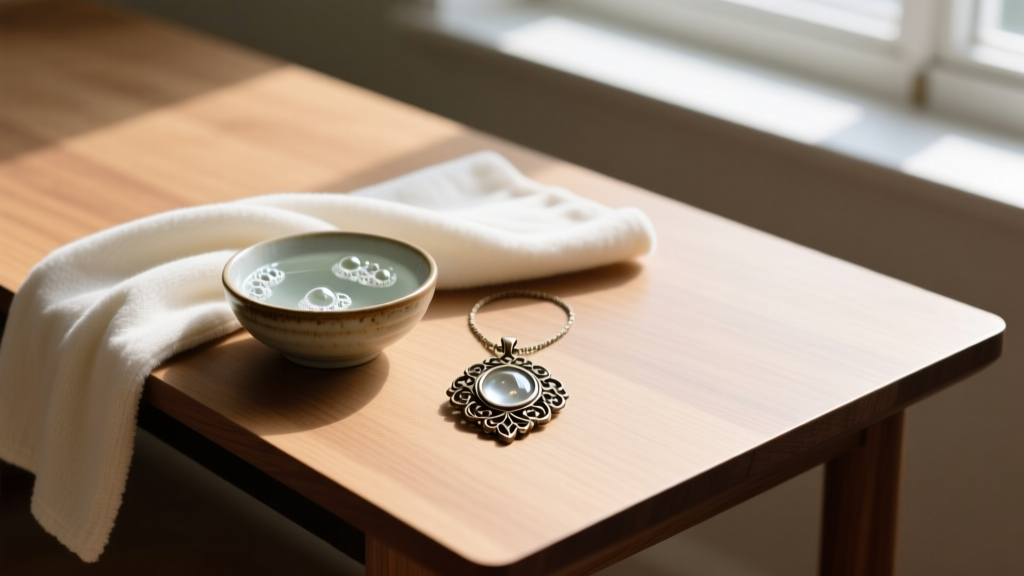
- Wipe Down After Wear: Use a dry, clean microfiber cloth to gently wipe the chain and pendant after every use. Removing the invisible layer of sebum and sweat before it has time to chemically react with the metal is the single most effective way to preserve the e-coating.
Final Verdict: When to Buy and When to Invest
An Aldo necklace is a masterclass in accessible, trend-driven styling. From a pure budget and value assessment, it is an excellent purchase if you are chasing a specific seasonal aesthetic, need a bold statement piece for a one-off event, or want to test a new silhouette (like a chunky collar or a layered lariat) before committing to a fine jewelry version.
However, if you are seeking a daily-wear chain, a sentimental pendant, or a piece that will survive showers, gym sessions, and years of continuous use, the value proposition collapses. The flash plating and brass base will inevitably succumb to oxidation and friction. For those requirements, bypass the fast-fashion tier entirely and allocate your budget toward solid 14k gold or rhodium-plated sterling silver from dedicated demi-fine or fine jewelers. Buy Aldo for the moment; invest in fine metals for a lifetime.


