Ultimate Care Guide for Your Alice Cullen Necklace
Learn how to clean, condition, and store your Alice Cullen necklace. Expert tips for maintaining leather cords, silver wire, and crystal pendants.

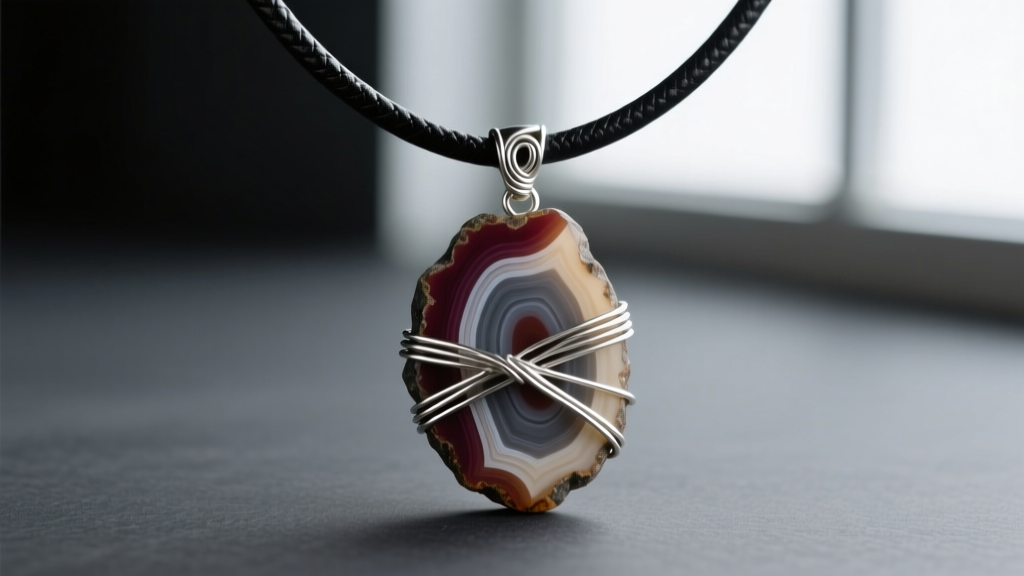
The iconic Alice Cullen necklace, popularized by the Twilight saga, remains a staple in alternative and bohemian jewelry collections. Characterized by its raw, asymmetrical crystal pendant, intricate wire wrapping, and a rustic leather cord, this piece is as much a statement of personal style as it is a nod to cinematic history. However, because authentic and high-quality replica Alice Cullen necklaces are crafted from a diverse mix of organic and metallic materials, they require a highly specific, multi-step maintenance routine. Standard jewelry cleaning methods can easily ruin the leather cord or cloud the natural stones.
In this comprehensive care guide, we break down the exact protocols for cleaning, conditioning, and preserving every component of your Alice Cullen necklace, ensuring it remains in pristine condition for years to come.
The Anatomy of an Alice Cullen Necklace
Before applying any cleaning agents, you must identify the specific materials used in your piece. High-end replicas and custom artisan versions typically feature three distinct components:
- The Cord: Usually a 2mm to 3mm genuine leather or suede thong. Leather is highly porous and reacts poorly to prolonged moisture and harsh chemicals.
- The Wire Wrap: Artisans typically use 20-gauge or 22-gauge sterling silver, copper, or brass to secure the stone. Sterling silver is prone to oxidation (tarnish), while copper develops a greenish patina.
- The Pendant Stone: Most authentic-looking replicas utilize banded agate, smoky quartz, or clear quartz. These stones rank at a 7 on the Mohs Hardness Scale, making them relatively scratch-resistant but vulnerable to thermal shock and harsh ultrasonic vibrations.
Cleaning the Pendant: Crystal and Wire Care
The pendant is the focal point of the necklace, but cleaning it requires a delicate balance. You must remove tarnish from the metal wire without degrading the polish or natural inclusions of the quartz or agate stone.
Step-by-Step Crystal Cleaning
Natural stones like agate and quartz can accumulate skin oils, lotion residue, and environmental dust, which dulls their natural luster. According to the Gemological Institute of America (GIA), warm soapy water is the safest and most effective method for cleaning quartz-family gems.
- Detach the pendant from the leather cord if the clasp allows, or carefully isolate the pendant to keep the leather completely dry.
- Mix a few drops of mild, phosphate-free dish soap (like Dawn) into a bowl of lukewarm distilled water. Avoid hot water, as sudden temperature changes can cause internal fractures in raw, unheated agate.
- Submerge the stone for 3 to 5 minutes.
- Using a soft-bristled baby toothbrush, gently agitate the surface of the stone and the crevices of the wire wrap.
- Rinse thoroughly under lukewarm distilled water and pat dry with a lint-free microfiber cloth. Allow it to air dry completely before reattaching it to the leather.
Tackling Silver Tarnish on Wire Wraps
Sterling silver wire reacts with sulfur in the air and on human skin, forming silver sulfide—the black tarnish that accumulates in the tight loops of a wire-wrapped pendant. While the popular 'aluminum foil and baking soda' ionic bath is highly effective for solid silver chains, it is not recommended for wire-wrapped pendants. The chemical reaction can sometimes trap moisture between the wire and the stone, leading to long-term degradation or rusting of non-silver wire cores.
Instead, use a targeted polishing approach:
- Apply a small amount of non-abrasive silver polish (such as Goddard's Silver Polish Foam) to a cotton swab.
- Carefully trace the cotton swab along the silver wire, avoiding direct contact with the agate or quartz. Polish can leave a white, chalky residue in the microscopic crevices of raw stones that is nearly impossible to remove.
- Buff the wire with a dry, untreated jeweler's polishing cloth to restore the high-shine finish.
For copper wire variants, a simple paste of lemon juice and fine sea salt applied with a Q-tip will strip oxidation in seconds. Wipe clean immediately with a damp cloth to halt the acidic reaction.
Leather Cord Maintenance: Conditioning and Repair
The leather cord is the most vulnerable component of the Alice Cullen necklace. Daily exposure to sweat, perfume, and UV light causes the natural fibers to dry out, crack, and eventually snap. To maintain the tensile strength and supple texture of a 2mm leather thong, you must implement a strict conditioning schedule.
The Leather Care Matrix
| Product Type | Effect on Leather | Recommended Frequency |
|---|---|---|
| Saddle Soap | Cleans surface grime and body oils without stripping natural tanning agents. | Every 3-4 months |
| pH-Balanced Conditioner (e.g., Bick 4) | Replenishes moisture, prevents cracking, and maintains the original dark color. | Monthly (if worn daily) |
| Mink Oil / Neatsfoot Oil | Avoid. Over-softens the leather, causing it to stretch and permanently darken. | Never |
| Alcohol-based Sanitizers | Avoid. Instantly dries out the collagen fibers, leading to immediate brittleness. | Never |
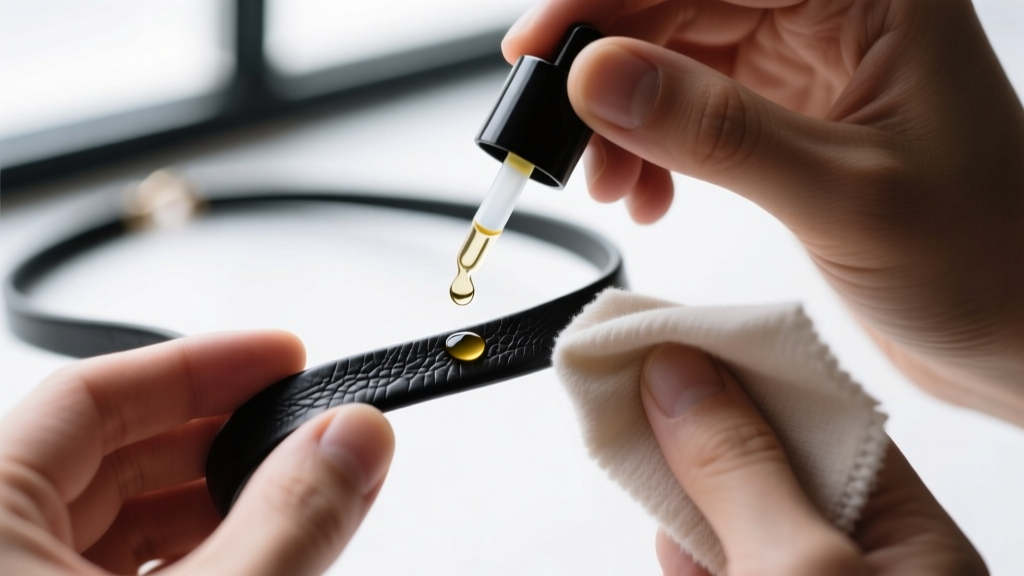
To condition your necklace, apply a dime-sized drop of a high-quality, wax-free leather conditioner to a microfiber cloth. Rub it into the cord using a gentle, twisting motion to ensure the conditioner penetrates all sides of the cylindrical leather. Let it absorb for 15 minutes, then buff off any excess. As noted by experts at Tiffany & Co. regarding mixed-material jewelry care, keeping organic materials separate from chemical silver dips is paramount to preserving the integrity of both.
Proper Storage to Prevent Degradation
How you store your Alice Cullen necklace when it is not being worn is just as critical as how you clean it. Hanging a heavy stone pendant on a leather cord from a jewelry stand places constant tension on the fibers. Over time, this static load will cause the leather to stretch, thin, and eventually tear near the clasp.
The Coiling and Pouching Method
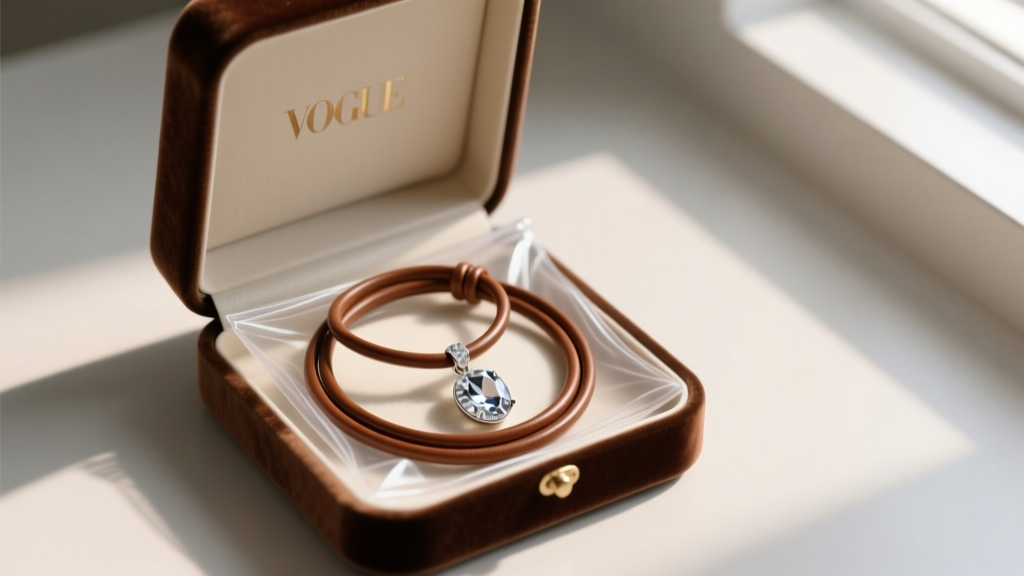
Always store your necklace coiled. Form a loose circle with the leather cord—about 3 to 4 inches in diameter—to prevent hard creases from forming in the leather. Place the coiled necklace inside a breathable cotton or flannel pouch. Avoid airtight plastic bags, as trapped humidity can encourage mold growth on the organic leather and accelerate the tarnishing of the silver wire.
Additionally, slip a 3M Anti-Tarnish strip into the storage pouch. These strips absorb airborne sulfur compounds and can keep the sterling silver wire wrap bright and untarnished for up to six months, even in humid environments.
Troubleshooting Common Issues
The Leather Cord Develops a Sour Odor
Leather absorbs sweat and bacteria, which can lead to an unpleasant, sour smell over time. Do not spray the cord with perfume or Febreze, as the alcohol and synthetic oils will damage the hide. Instead, place the necklace (excluding the pendant, if possible) in a sealed container with an open box of baking soda or activated charcoal for 48 hours. These natural desiccants will draw out the odor-causing moisture and bacteria without harming the leather.
The Lobster Clasp Fails to Close
Replica necklaces often utilize base-metal lobster clasps that are prone to spring failure. If your clasp becomes sticky or fails to snap shut, the internal spring is likely compromised by corrosion. Visit a local jeweler to have it replaced with a 10mm or 12mm solid 925 sterling silver lobster clasp. Ensure the jeweler uses seamless jump rings to attach the new clasp to the leather cord's end caps, preventing the leather from fraying against sharp wire edges.
Cloudy or Hazy Agate Stone
If your banded agate pendant looks persistently cloudy despite washing, it may have suffered from 'chemical etching.' This occurs when the stone is repeatedly exposed to acidic skin care products, chlorinated pool water, or harsh household cleaners. Unfortunately, chemical etching alters the physical surface of the stone. A professional lapidary can sometimes restore the stone's polish using a rotary tumbler with cerium oxide, but for wire-wrapped pieces, it is often safer to carefully unspool the wire, polish the stone, and re-wrap it.
Conclusion
Maintaining an Alice Cullen necklace requires a departure from standard, one-size-fits-all jewelry cleaning routines. By respecting the unique vulnerabilities of raw agate, the oxidation tendencies of sterling silver wire, and the organic nature of leather cords, you can preserve the rugged elegance of this iconic piece. Implement these targeted cleaning and storage practices, and your necklace will continue to serve as a striking, timeless centerpiece in your wardrobe.


