The Ultimate Guide to Choosing a Safe Kids Birthstone Necklace
Discover how to choose a safe, durable kids birthstone necklace. Learn about hypoallergenic metals, secure chains, and age-appropriate lengths.

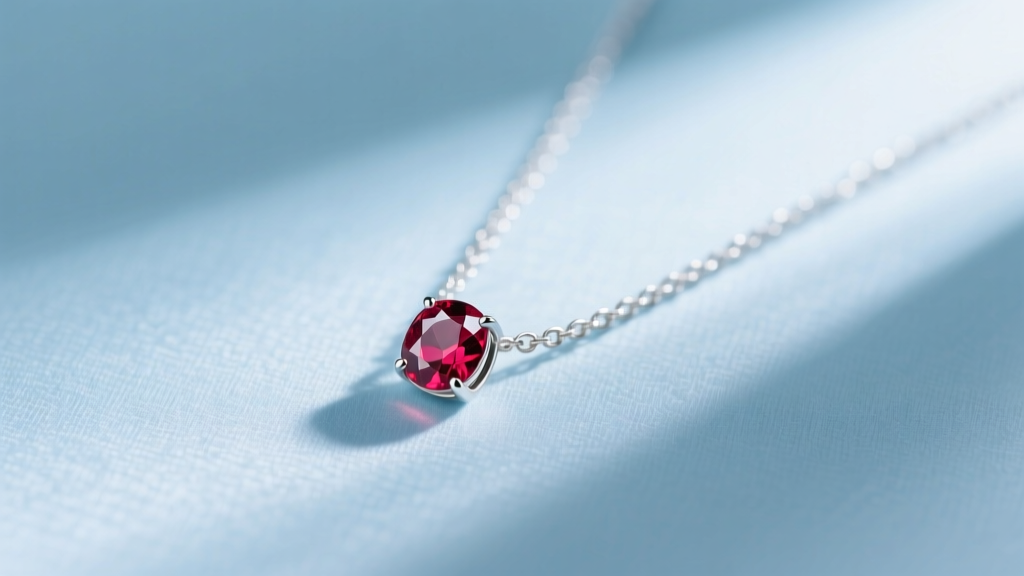
Gifting a kids birthstone necklace is a beautiful way to celebrate a child’s unique identity and birth month. Whether you are a parent, grandparent, or godparent, selecting a piece of jewelry for a child requires balancing sentimental value with strict safety and durability standards. Children are active, curious, and often rough on their belongings, meaning an adult’s delicate jewelry standards simply do not apply. This beginner-friendly explainer will walk you through the exact material grades, chain mechanics, and gemstone durability metrics you need to know to choose a necklace that is both beautiful and safe for everyday wear.
Why Material Safety is Non-Negotiable
When shopping for children's jewelry, the metal composition is your first and most critical hurdle. Children's skin is highly sensitive, and cheap base metals can cause severe contact dermatitis or expose them to toxic elements. According to the American Academy of Dermatology, nickel is the most common culprit for allergic contact dermatitis, affecting up to 18% of the population. Furthermore, the Consumer Product Safety Improvement Act (CPSIA) strictly limits lead content in children's jewelry to 100 parts per million (ppm) to prevent heavy metal toxicity.
The Best Hypoallergenic Metals for Kids
- 14K Solid Gold: While 18K gold is softer and more prone to scratching, 14K gold (58.5% pure gold) offers the perfect balance of rich color and structural hardness, making it ideal for active kids.
- 316L Surgical Stainless Steel: Unlike standard 304 stainless steel, 316L contains molybdenum, which drastically increases corrosion resistance and prevents nickel leaching. It is highly durable, waterproof, and budget-friendly.
- Solid Sterling Silver (925): A classic choice, but ensure it is rhodium-plated. Unplated sterling silver contains 7.5% copper, which can oxidize and turn a child’s skin green when exposed to sweat.
Avoid: Gold-plated brass, zinc alloys, or mystery metals often found in fast-fashion accessory bins. The plating will wear off within weeks, exposing the child's skin to irritating base metals.
Decoding Chain Styles and Security Features
The chain is the structural backbone of any kids birthstone necklace. A chain that is too thin will snap under the pressure of a playful tug, while a chain that is too thick can feel heavy and uncomfortable. For children aged 3 to 12, a chain thickness between 1.0mm and 1.5mm is the sweet spot for durability without added bulk.
Which Chain Link is Safest?
Box Chains: These are the gold standard for kids. The square, interlocking links lay flat against the skin, resist tangling, and are incredibly difficult to snap. They also do not pull fine hair.
Cable Chains: A traditional choice, but you must ensure the links are soldered (closed). Open-link cable chains can easily catch on clothing or hair, causing discomfort and potential breakage.
Rope and Herringbone Chains: Avoid these entirely for young children. Herringbone chains kink permanently if bent, and rope chains can trap dirt and pull hair.
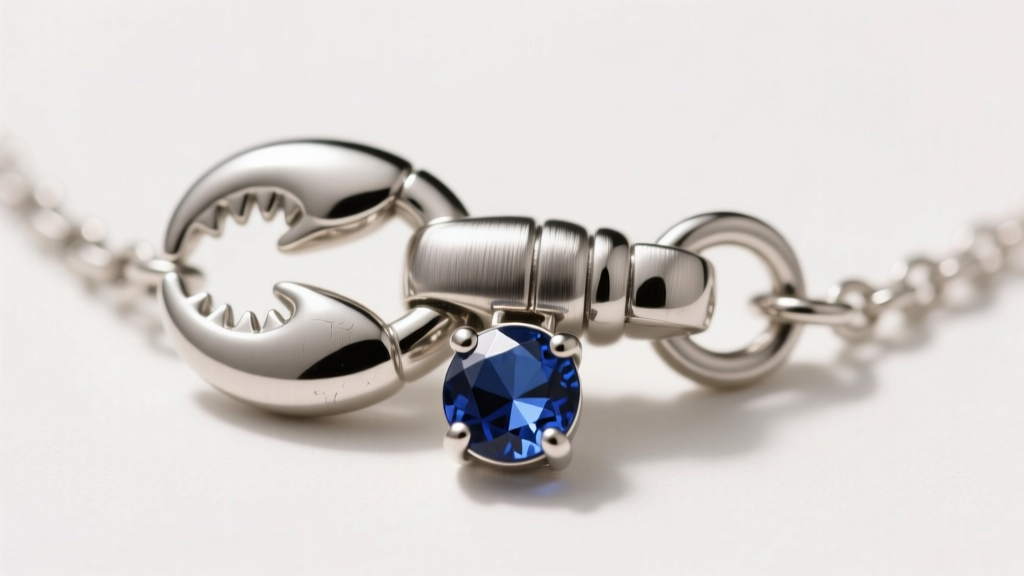
Pro Tip: Always opt for a lobster clasp rather than a spring-ring clasp. Lobster clasps feature a solid, one-piece mechanism that is far less likely to accidentally unhook during play.
Age-Appropriate Lengths and Pendant Sizing
A necklace that fits a teenager will pose a strangulation hazard to a toddler. Getting the length right ensures the pendant sits correctly on the chest and keeps the chain safe from aggressive pulling. Below is a standardized sizing chart used by professional jewelers for children's necklaces.
| Age Group | Chain Length | Pendant Size (Max) | Safety Note |
|---|---|---|---|
| Toddler (1-3 Years) | 10 - 12 Inches | 8mm - 10mm | Supervision required; consider breakaway clasps. |
| Little Kid (4-7 Years) | 12 - 14 Inches | 10mm - 12mm | Ideal for everyday wear and school. |
| Older Kid (8-12 Years) | 14 - 16 Inches | 12mm - 15mm | Standard length; allows room for growth. |
| Teen (13+ Years) | 16 - 18 Inches | 15mm+ | Adult sizing; can accommodate heavier pendants. |
Gemstone Durability: Natural vs. Lab-Created
Not all birthstones are created equal, especially when subjected to the daily wear and tear of a child’s life. When evaluating a kids birthstone necklace, you must consult the Mohs Hardness Scale. The Gemological Institute of America (GIA) ranks minerals from 1 (softest) to 10 (hardest). For children, you want a stone that ranks at least a 7.5 or higher to resist scratching from everyday dust and playground surfaces.
High-Risk vs. Low-Risk Birthstones
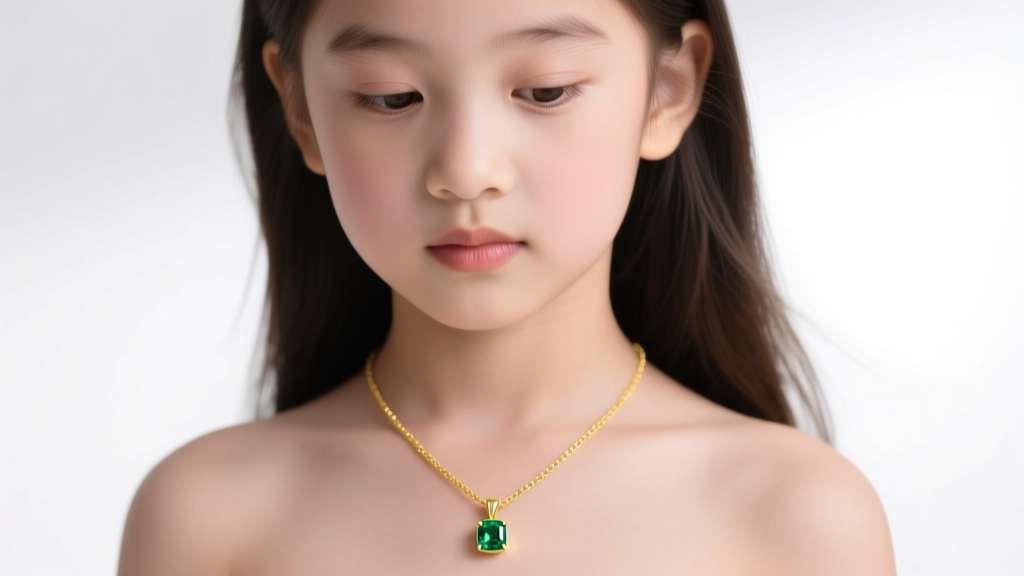
High-Risk (Avoid for daily wear): Opal (Mohs 5.5-6.5), Pearl (Mohs 2.5-4.5), and natural Emerald (Mohs 7.5-8, but heavily included and prone to shattering upon impact). If your child is born in October, April, or May, natural stones are a liability.
Low-Risk (Highly Recommended): Ruby and Sapphire (Mohs 9) are virtually indestructible for daily wear. For months with softer natural stones, opt for lab-created alternatives. Lab-created spinel, synthetic cubic zirconia (Mohs 8-8.5), or lab-grown sapphires offer the exact birthstone color with vastly superior impact resistance and flawless clarity.
The Importance of Bezel Settings
Never choose a prong setting for a child's pendant. Prongs catch on sweaters, bend backward, and drop stones. A bezel setting—where a continuous rim of metal completely surrounds the gemstone's girdle—is mandatory. It protects the stone's edges from chipping and ensures the gem stays securely locked in place, even if the necklace is dropped or bumped.
Maintenance and Cleaning Routines
Kids get messy, and their jewelry will inevitably collect lotion, dirt, and sweat. Fortunately, cleaning a high-quality kids birthstone necklace is simple. Mix a few drops of mild, phosphate-free dish soap (like Dawn) into a bowl of lukewarm water. Let the necklace soak for 10 minutes, then gently scrub the back of the pendant and the chain links with an extra-soft baby toothbrush. Rinse thoroughly under warm tap water and pat dry with a microfiber cloth.
Warning: Never use ultrasonic jewelry cleaners or harsh chemical dips (like silver polish) on children's jewelry. Ultrasonic vibrations can fracture internally included stones and loosen the adhesives used in budget-friendly bezel settings.
Your Quick Buyer’s Checklist
Before you finalize your purchase, run the necklace through this final safety and quality checklist:
- Metal Purity: Is it solid 14K gold, 316L steel, or rhodium-plated 925 silver? (No plated brass).
- Clasp Security: Does it feature a sturdy lobster clasp with a soldered jump ring?
- Setting Type: Is the birthstone secured in a full bezel or flush setting? (No prongs).
- Chain Thickness: Is the chain between 1.0mm and 1.5mm thick?
- Edge Smoothness: Run your finger over the pendant. Are there any sharp corners or rough metal burrs that could scratch delicate skin?
By prioritizing structural integrity and hypoallergenic materials over fragile, high-maintenance designs, you ensure that the kids birthstone necklace you gift will survive childhood and become a cherished, wearable keepsake for years to come.


