The 2026 Gift Guide: Choosing a Turquoise Horse Necklace
Discover our 2026 gift guide for the perfect turquoise horse necklace. Learn about stone grades, silver types, and occasion matching.

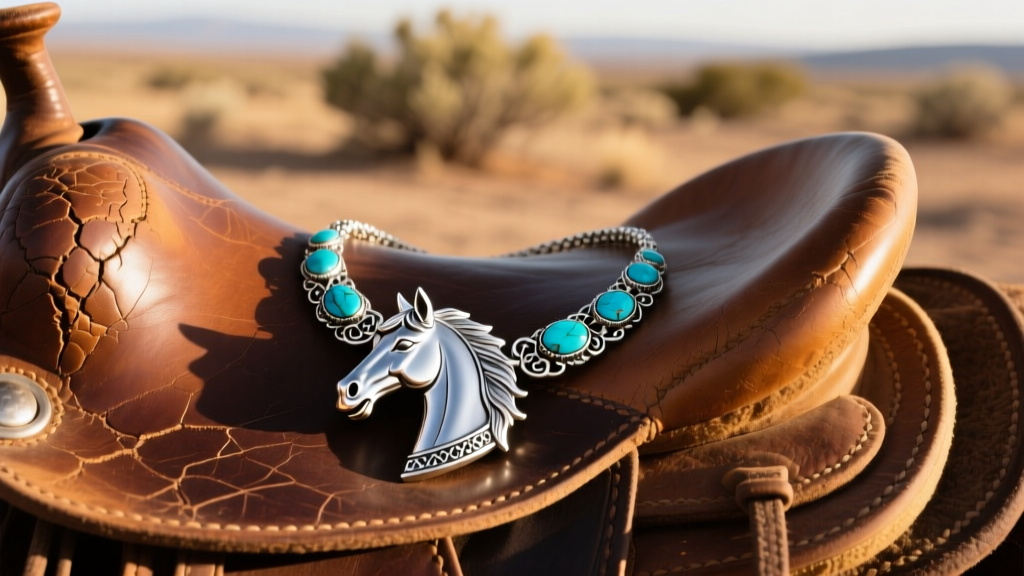
Why a Turquoise Horse Necklace is the Ultimate Equestrian Gift
In the equestrian world, jewelry must bridge the gap between rugged barn functionality and sophisticated Western heritage. As we navigate the 2026 gifting season, the turquoise horse necklace has emerged as the definitive piece for riders, trainers, and horse lovers alike. Unlike generic fashion jewelry, a well-crafted equestrian pendant carries deep cultural symbolism, representing the historic bond between the American West, Native American artisanship, and horsemanship. Whether you are shopping for a competitive show jumper, a Western pleasure rider, or a lifelong rancher, understanding the nuances of turquoise grades, silver purity, and motif symbolism is critical to selecting a gift that will be cherished for decades.
Decoding Turquoise: Which Stone Suits Your Recipient?
Turquoise is not a monolith. The value, color, and matrix (the host rock webbing) vary dramatically depending on the mine of origin. According to the Gemological Institute of America (GIA), the geological conditions of the mine dictate the stone's final appearance. When choosing a turquoise horse necklace, consider the recipient's aesthetic preference:
- Sleeping Beauty (Arizona): Known for its pure, sky-blue color with little to no matrix. This mine closed in 2012, making authentic Sleeping Beauty highly valuable and sought after. It is the ideal choice for a minimalist or modern equestrian who prefers clean, bright aesthetics.
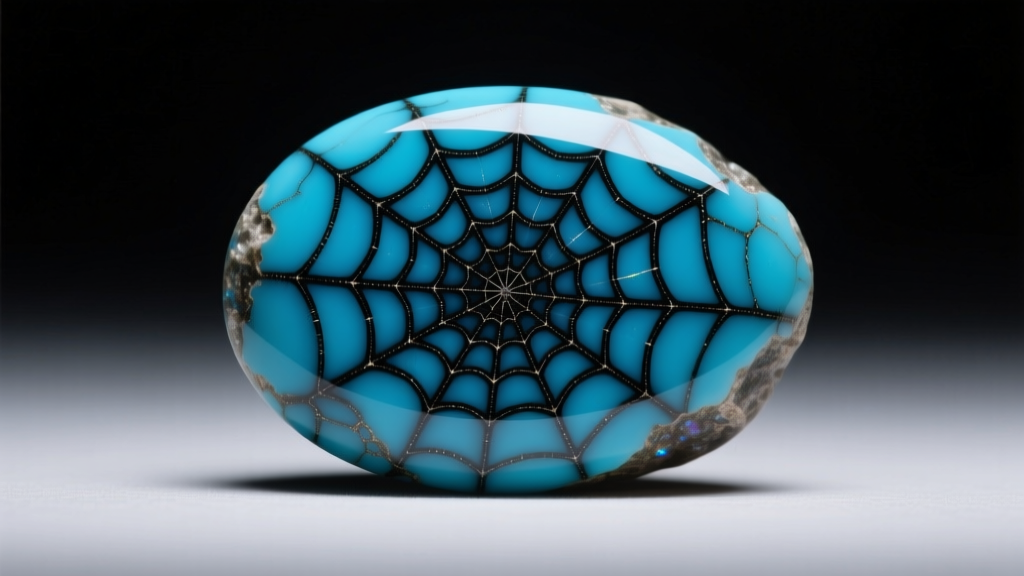
- Kingman (Arizona): The quintessential Western stone. Kingman turquoise ranges from light to deep blue and is famous for its striking black or brown spiderweb matrix. It pairs beautifully with traditional, ornate silverwork.
- Royston (Nevada): A favorite among artisan jewelers, Royston stones feature a breathtaking mix of emerald green, teal, and deep blue, heavily webbed with rich brown matrix. This earthy stone is perfect for the rugged rancher or bohemian rider.
Metallurgy Matters: Sterling Silver vs. Coin Silver
The metal setting is just as important as the stone. While most commercial jewelry uses standard sterling silver, high-end Native American and Western artisan pieces often utilize coin silver. Understanding the difference will elevate your gifting expertise.
.925 Sterling Silver
Composed of 92.5% pure silver and 7.5% copper, sterling silver is the modern standard. It offers a bright, reflective finish and excellent durability. It is highly resistant to bending, making it a practical choice for a pendant that might snag on a lead rope or riding jacket.
.900 Coin Silver
Historically crafted by melting down pre-1965 US coins, coin silver contains 90% pure silver and 10% copper. This higher copper content gives the metal a slightly warmer, darker undertone that develops a rich, highly prized patina over time. Coin silver is softer than sterling, allowing Navajo and Zuni silversmiths to create deeper, more intricate hand-stamped repoussé patterns. If your recipient values vintage authenticity and traditional craftsmanship, a coin silver turquoise horse necklace is the superior choice.
Occasion Matching Guide: Motifs and Budgets
Matching the specific horse motif to the occasion ensures your gift resonates on a personal level. Use this 2026 framework to align the pendant style with the milestone:
| Occasion | Ideal Motif | Recommended Turquoise | Estimated Budget |
|---|---|---|---|
| Competition Win / Championship | Horseshoe (turned upward to hold luck) | Kingman with heavy matrix | $250 - $450 |
| Equestrian Graduation | Horse Head Profile (Arabian or Quarter Horse) | Sleeping Beauty (clear, bright) | $300 - $600 |
| Anniversary / Milestone | Interlocking Snaffle Bits | Royston (green/blue blend) | $400 - $800+ |
| Casual Birthday | Running Horse or Stirrup | Stabilized Turquoise (high quality) | $120 - $250 |
Authenticity and Sourcing: Avoiding Imitations
The market is unfortunately flooded with turquoise imitations. When investing in a premium gift, you must know how to identify genuine stones. The Smithsonian National Museum of the American Indian notes that traditional turquoise jewelry relies on the natural porosity and unique inclusions of the stone. Here is what you need to know about treatments:
- Natural Turquoise: Cut and polished directly from the earth without chemical alteration. It is rare, expensive, and fragile. Only buy natural stones from certified artisans who provide mine-origin documentation.
- Stabilized Turquoise: Because natural turquoise is soft (Mohs hardness of 5-6) and porous, lower-grade stones are infused with a clear epoxy resin under pressure. This hardens the stone and locks in the color. Stabilization is an accepted industry practice and makes the necklace far more durable for daily barn wear, though it should be priced lower than natural stones.
- Block / Imitation Turquoise: Made from dyed howlite, magnesite, or plastic. Avoid these entirely when purchasing a meaningful equestrian gift. They lack the thermal properties and organic feel of real stone.
Sizing and Chain Selection for the Rider
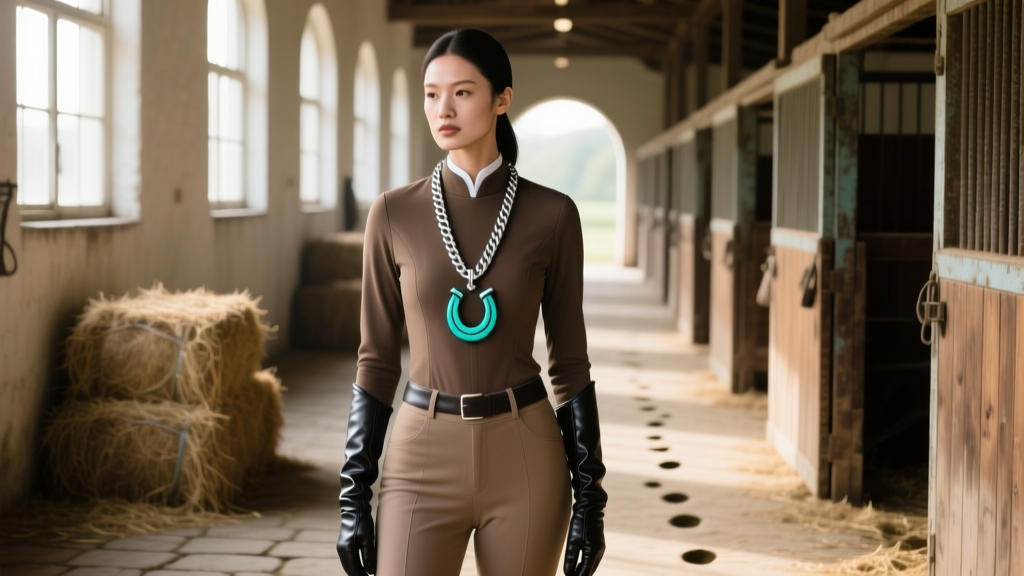
A beautiful pendant is useless if the chain is impractical for an equestrian lifestyle. The environment of a stable dictates specific chain requirements. Box chains, while popular in fine jewelry, are notorious for trapping barn dust, horse hair, and grooming products, making them difficult to clean. Instead, opt for a rope chain or a foxtail chain. These woven designs are incredibly strong, resist kinking, and can be easily wiped clean with a jewelry cloth.
Choosing the Right Length
The length of the necklace determines how it interacts with riding apparel:
- 18 Inches (Choker/Collarbone): Best worn with open-collared show shirts or casual V-necks. It sits high and is less likely to swing or catch on tack.
- 20 Inches (Standard): The most versatile length. It rests just below the collarbone, making it visible over standard crew-neck t-shirts and light barn jackets.
- 24 Inches (Over-Shirt): Ideal for wearing over heavy flannel shirts, show jackets, or winter riding coats. This length allows the turquoise horse necklace to act as a bold statement piece without interfering with the rider's movement or helmet chin strap.
Care Instructions for the Equestrian Lifestyle
Turquoise is a highly porous gemstone that acts like a sponge for chemicals. The barn environment is inherently hostile to natural stones. Fly sprays, coat conditioners, leather cleaners, and even the acidic sweat from a summer ride can permanently alter the color of untreated turquoise, turning bright blues into muddy greens.
To preserve the integrity of the gift, advise the recipient to follow these strict care protocols:
- The 'Last On, First Off' Rule: The necklace should be the last item put on after applying perfumes, hairsprays, or barn chemicals, and the first item removed upon entering the stable.
- Post-Ride Cleaning: After wearing the pendant during a ride, gently wipe the turquoise cabochon and the silver setting with a soft, slightly damp microfiber cloth to remove sweat and dust. Never use ultrasonic cleaners or commercial silver dips, as the harsh chemicals will destroy the stone's finish.
- Proper Storage: Store the necklace in a sealed anti-tarnish bag with a piece of anti-tarnish paper. Keep it away from direct sunlight and extreme heat, which can dehydrate the stone and cause microscopic cracking over time.
By understanding the deep intersection of geology, metallurgy, and equestrian practicality, you can select a turquoise horse necklace that is not just a piece of jewelry, but a lasting tribute to the recipient's passion for the horse.


