Maya Brenner California Necklace: 14k Gold & Enamel Material Guide
An expert material analysis of the Maya Brenner California necklace, comparing 14k solid gold and vitreous enamel against cheaper alternatives.

The Anatomy of the Maya Brenner California Necklace
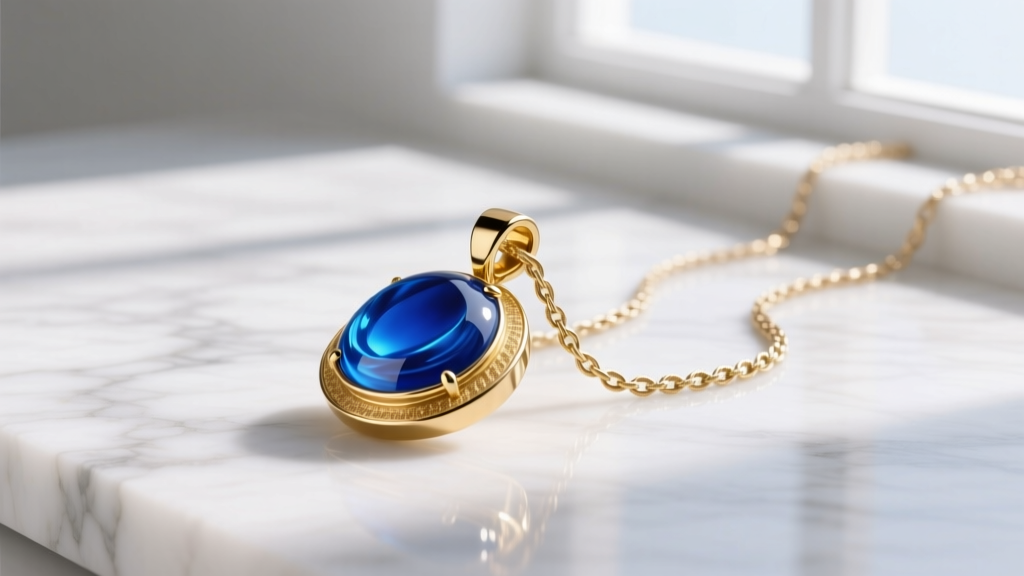
The maya brenner california necklace has transcended its status as a mere regional souvenir to become a staple of modern fine jewelry layering. But beyond the nostalgic appeal of wearing your home state around your neck lies a fascinating study in material science and jewelry manufacturing. As we move through 2026, the market is flooded with knock-offs and 'dupes' that mimic the aesthetic but fail miserably in longevity. To understand why the original commands a premium, we must deconstruct its two primary components: the 14k solid gold chain and the vitreous enamel state pendant. This guide provides a deep-dive metallurgical and material comparison, equipping you with the expertise to evaluate quality, anticipate wear patterns, and make an informed investment.
14k Solid Gold vs. Gold Vermeil: The Chain Debate
The foundation of any pendant necklace is its chain. Maya Brenner utilizes 14k solid gold for her California collection, typically employing a 1.2mm to 1.5mm cable or box chain. To understand the value here, we must compare it to the most common alternative: gold vermeil.
Metallurgical Breakdown
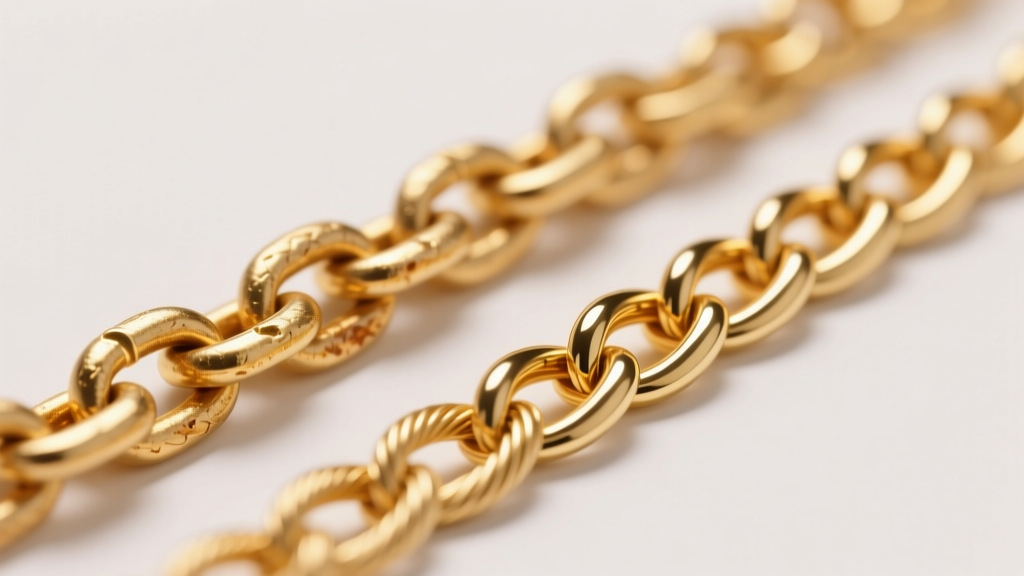
According to the Gemological Institute of America (GIA), 14k gold is an alloy composed of 58.5% pure gold, with the remaining 41.5% consisting of metals like copper, silver, and zinc. This specific ratio is the sweet spot for everyday jewelry; it provides the rich, warm hue of gold while achieving a Mohs hardness of roughly 3.5 to 4, making it highly resistant to the stretching and snapping that plagues softer 24k or 18k chains.
In contrast, gold vermeil consists of a sterling silver base plated with a minimum of 2.5 microns of gold. While vermeil is an excellent entry-level option, it possesses a critical failure mode: galvanic corrosion and friction wear. Over 3 to 5 years of daily wear, the gold layer on a vermeil chain will inevitably wear away at the friction points (the links and the clasp), exposing the silver beneath, which rapidly oxidizes and tarnishes when exposed to sulfur in the air and skin acids.
The Clasp Mechanics
A frequently overlooked detail in the maya brenner california necklace is the spring mechanism inside the 14k lobster clasp. In solid gold, the internal steel spring is encased in a gold alloy housing that resists sweat-induced corrosion. In cheaper base-metal alternatives, the clasp housing often degrades, leading to the spring seizing or the clasp failing to close securely, resulting in lost pendants.
Enamel Showdown: Vitreous vs. Cold Enamel Pendants
The vibrant, opaque colors of the state pendants are achieved through enameling. However, not all enamel is created equal. The material divide between vitreous (glass) enamel and cold (resin) enamel is the single biggest differentiator in pricing, aesthetics, and lifespan.
The Vitreous Enamel Process
Maya Brenner uses traditional vitreous enamel. As detailed by jewelry manufacturing authorities like Ganoksin, vitreous enamel is essentially finely ground silica (glass) mixed with metallic oxides for color. This powder is packed into the recessed gold bezel of the state pendant and fired in a kiln at temperatures exceeding 1400°F (760°C). At this temperature, the glass melts, fuses to the gold backing, and cools into a hard, non-porous, and UV-resistant surface. The resulting finish has a Mohs hardness of around 5.5 to 6, making it highly scratch-resistant and capable of retaining its high-gloss luster for decades without fading.
The Cold Enamel Alternative
Mass-market alternatives often use cold enamel, which is actually a two-part epoxy resin. While it can mimic the look of glass enamel initially, resin has a Mohs hardness of only 2 to 3. It is highly susceptible to micro-scratches, which over time create a cloudy, matte appearance. Furthermore, epoxy resins are not UV stable; prolonged exposure to sunlight will cause white or light blue resins to yellow and degrade within a few years.
Material Properties Comparison Chart
| Property | Vitreous Enamel (Maya Brenner) | Cold Enamel (Resin Alternatives) |
|---|---|---|
| Base Material | Fused Silica Glass | Epoxy / Polyurethane Resin |
| Fusing Temperature | 1400°F+ (Kiln Fired) | Room Temperature (Chemical Cure) |
| Mohs Hardness | 5.5 - 6.0 | 2.0 - 3.0 |
| UV Resistance | 100% (Will never yellow/fade) | Poor (Prone to yellowing) |
| Thermal Shock Tolerance | Low (Can shatter) | High (Flexible) |
| Estimated Lifespan | 50+ Years | 2 - 5 Years |
Real-World Wear & Tear: Failure Modes and Maintenance
Understanding the physical limitations of your jewelry is crucial for preservation. While the maya brenner california necklace is built for longevity, the combination of glass enamel and gold presents specific vulnerabilities.
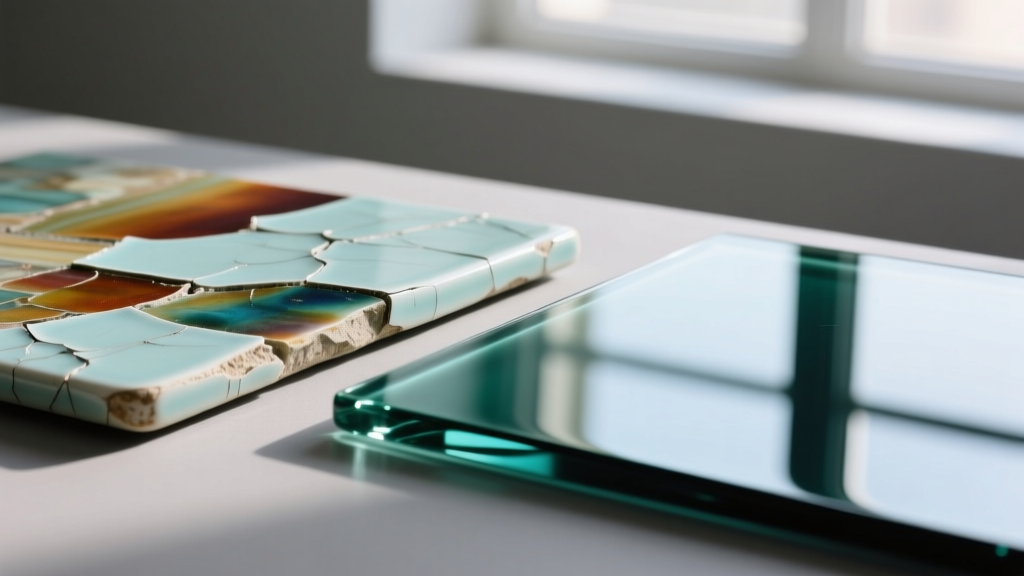
"The greatest enemy of vitreous enamel is not water or chemicals, but thermal shock and blunt force. Dropping a glass-enamel pendant on a marble bathroom floor will cause micro-fractures or catastrophic shattering, whereas a resin pendant would simply bounce."
Common Failure Modes
- Enamel Chipping: Because glass is brittle, striking the pendant against hard surfaces (like granite countertops or steering wheels) can cause the enamel to chip away from the gold bezel. Once chipped, vitreous enamel cannot be easily patched; the entire pendant must be re-enameled by a specialist.
- Chain Stretching: While 14k gold is durable, a 1.2mm cable chain is still delicate. Sleeping in the necklace or catching it on clothing can cause the links to elongate. Always remove the necklace before physical activities.
- Lotion and Perfume Buildup: While vitreous enamel is non-porous, the microscopic gap between the gold bezel and the glass can trap thick lotions or self-tanners, creating a dark ring around the state's edge.
Actionable Maintenance Protocol
To maintain the piece, clean it monthly using a solution of warm water and a few drops of mild, phosphate-free dish soap. Use an extra-soft baby toothbrush to gently agitate the bezel edges. Never use ultrasonic cleaners; the high-frequency vibrations can easily crack the vitreous glass from the inside out.
Pricing Analysis and Value Retention in 2026
When evaluating the cost of the maya brenner california necklace, it is essential to look at the price-per-wear and material intrinsic value. As of 2026, the retail price for a standard 14k solid gold and vitreous enamel state pendant on a 16-inch chain hovers between $550 and $850, depending on the physical size of the state and the addition of diamond accents.
Compare this to a gold vermeil and cold enamel alternative, which typically retails for $120 to $180. While the upfront cost of the Maya Brenner piece is roughly 4x higher, the material longevity is easily 10x greater. Furthermore, 14k solid gold retains intrinsic scrap value tied to the global gold market, whereas vermeil and resin hold zero secondary market value. For buyers seeking an heirloom piece that can eventually be passed down, the vitreous and solid gold combination is the only mathematically sound choice.
Final Verdict: Who Should Invest in Solid Gold and Vitreous Enamel?
The maya brenner california necklace is a masterclass in balancing sentimental design with premium material execution. If you are purchasing a piece to commemorate a milestone, represent your roots, or build a permanent capsule jewelry wardrobe, the investment in 14k solid gold and kiln-fired vitreous enamel is entirely justified. The depth of color, the resistance to environmental degradation, and the structural integrity of the chain offer a wearing experience that synthetic resins and plated metals simply cannot replicate. However, if you are prone to dropping jewelry or work in an environment with high impact risks to your chest area, you may want to reserve this piece for low-impact, curated occasions to protect the glass enamel from thermal and physical shock.


