Fixing & Styling Your Alice in Wonderland Sparrow Necklace
Learn how to repair, clean, and style your alice in wonderland sparrow necklace. Expert tips on fixing enamel, chains, and plating issues.

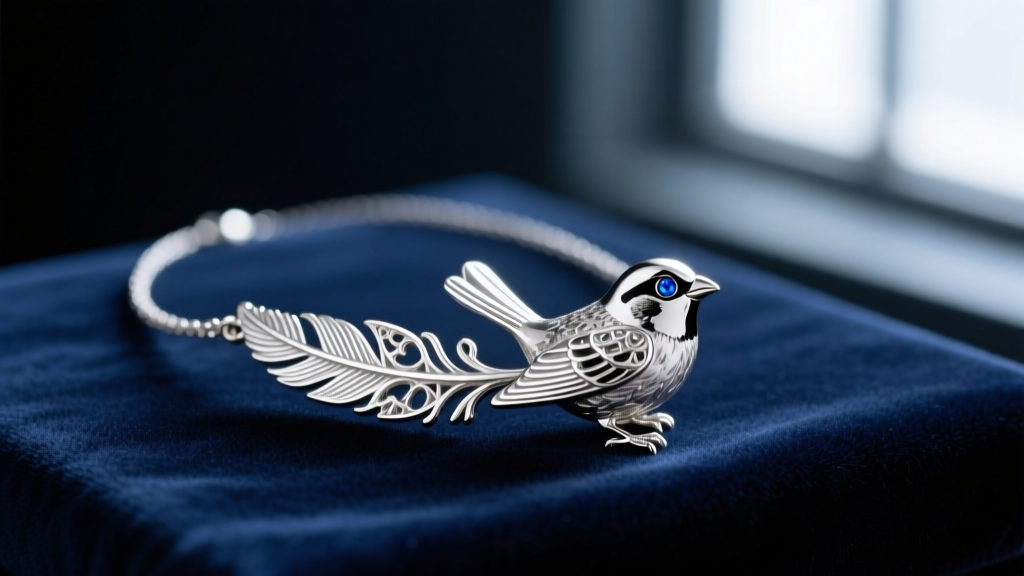
Whimsical, character-driven jewelry holds a special place in our collections, but novelty pieces often come with unique structural vulnerabilities. The alice in wonderland sparrow necklace is a beloved staple for fans of fantasy aesthetics, featuring intricate feather detailing, delicate enamel work, and sometimes tiny gemstone accents. However, because these pendants are frequently mass-produced using base metals or feature top-heavy designs on fragile chains, they are prone to specific wear-and-tear issues. Whether you are dealing with a chipped wing, a tarnished finish, or a chain that constantly snaps, this comprehensive troubleshooting guide will help you restore and elevate your favorite piece.
Diagnosing Common Metal & Plating Failures
Many commercially available fantasy necklaces are cast from zinc alloys or brass and then flash-plated with silver or gold. Over time, the friction from your skin, combined with lotions and natural sweat, wears through this microscopically thin plating (often less than 0.25 microns). When the underlying copper or zinc is exposed, it reacts with the acids in your sweat, resulting in the dreaded 'green skin' effect and a dull, mottled appearance on the sparrow pendant itself.
The Rhodium Plating Solution
If your pendant is made of sterling silver or a high-quality brass alloy, the most permanent troubleshooting step is to take it to a professional jeweler for rhodium plating. According to the Gemological Institute of America (GIA), rhodium is a platinum-group metal that provides a brilliant, tarnish-resistant finish. Requesting a thickness of 0.75 to 1.0 microns will ensure the plating lasts for years, even with daily wear. For a temporary at-home fix to prevent skin discoloration, you can carefully paint the back of the pendant and the interior of the bail with a thin layer of clear, non-yellowing polyurethane or jewelry-specific clear guard, allowing it to cure for 24 hours before wearing.
Enamel Repair & Wing Detail Restoration
The sparrow's wings are often the focal point of the design, utilizing either vitreous (kiln-fired glass) enamel or cold enamel (epoxy resin). Cold enamel is much more common in affordable novelty jewelry, but it is highly susceptible to chipping if the necklace is dropped or stored improperly.
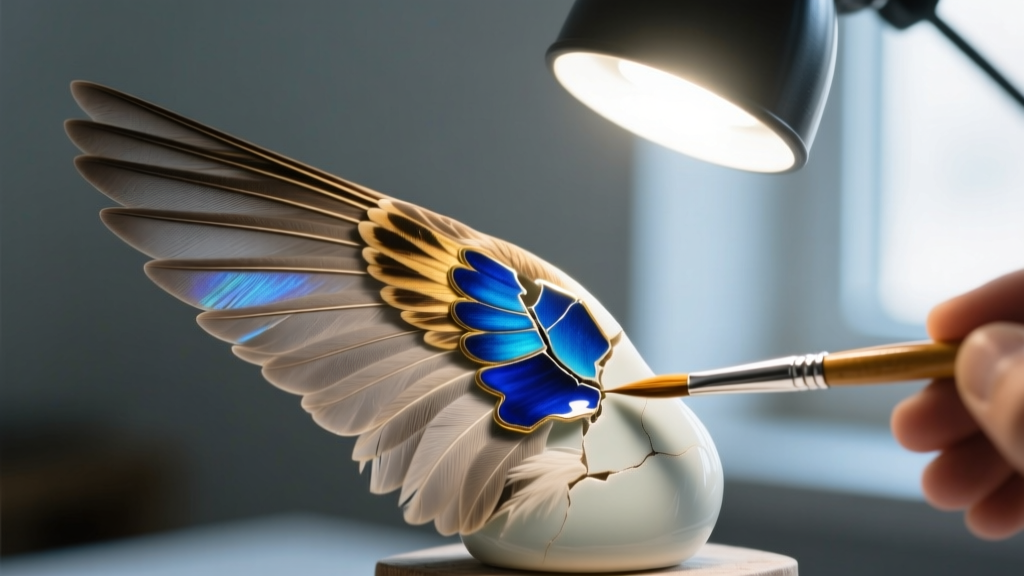
Step-by-Step Cold Enamel Patching
If a chip has occurred on the wing, do not attempt to use standard superglue, as it will dry cloudy and ruin the optical depth of the piece. Instead, follow this professional repair protocol:
- Prep the Area: Use a wooden toothpick dipped in isopropyl alcohol to gently clean the chipped cavity, removing any skin oils or debris.
- Color Match: Purchase a jewelry-grade, two-part cold enamel epoxy kit. Mix the resin and hardener, then use a microscopic amount of glass enamel pigment powder to match the original wing color.
- Application: Using a 000-round sable brush, carefully dab the resin into the chip. Surface tension will help it level out.
- Curing: Let it cure undisturbed on a flat, level surface for 24 hours. Once hardened, you can gently polish the surface with a microfiber cloth to restore the gloss.
Chain & Clasp Troubleshooting: The Weak Links
A frequent point of failure for the alice in wonderland sparrow necklace is the chain. Novelty pendants are often top-heavy, weighing anywhere from 8 to 15 grams. Manufacturers frequently pair these heavy pendants with flimsy 0.8mm cable chains that easily kink, stretch, or snap under the dynamic movement of daily wear.
| Chain Type | Recommended Gauge | Weight Capacity | Best For |
|---|---|---|---|
| Cable Chain | 1.2mm - 1.5mm | Up to 10g | Lightweight, minimalist sparrow pendants |
| Box Chain | 1.5mm - 2.0mm | Up to 25g | Heavier, detailed pendants (Highly Recommended) |
| Rope Chain | 1.5mm - 2.5mm | Up to 30g | Adding texture and maximum durability |
Fixing the Jump Ring and Clasp
If the pendant keeps detaching, the issue is likely the jump ring connecting the bail to the chain. Never pull a jump ring apart laterally (side-to-side); this warps the metal and weakens its structural integrity, meaning it will never close flush again. Instead, use two pairs of flat-nose pliers to grip the ring on either side of the split, and twist one hand forward and the other backward. To re-close, twist back until you hear and feel a subtle 'click' as the ends meet perfectly. If the lobster clasp spring has failed, Jewelers of America recommends replacing it entirely rather than attempting to bend the internal spring back into place, as metal fatigue will cause it to fail again.
Styling Solutions: Elevating Novelty Jewelry
Troubleshooting isn't just about physical repairs; it is also about solving styling dilemmas. The challenge with character-specific jewelry is wearing it in a way that feels sophisticated and integrated into a modern wardrobe, rather than looking like a Halloween costume. In 2026, the prevailing trend for novelty pieces is 'subtle juxtaposition'—mixing whimsical elements with structured, mature textiles.

The Rule of Three Layering Framework
To ground the sparrow necklace, incorporate it into a layered stack. This distracts from the 'costume' element and treats the pendant as an art piece.
- Base Layer (16 inches): A simple, 1.5mm gold or silver herringbone chain that sits flush against the collarbone.
- Focal Layer (18-20 inches): Your alice in wonderland sparrow necklace. Ensure the pendant rests comfortably in the center of the chest.
- Texture Layer (24 inches): A delicate satellite chain or a strand of tiny, 2mm freshwater pearls to draw the eye downward and elongate the neckline.
Pro-Tip: If your sparrow pendant is silver-toned, do not be afraid to mix it with warm gold chains. Mixed-metal layering is a hallmark of advanced personal styling and immediately signals that the necklace is a deliberate fashion choice rather than a rigid uniform accessory.
Preventative Maintenance & Cleaning Protocols
Once your necklace is repaired and styled, maintaining its condition requires avoiding common cleaning mistakes. According to the Federal Trade Commission's Jewelry Guides, consumers must be cautious with harsh chemical cleaners on treated or plated metals.
What to Avoid
Never place an enameled or gemstone-set sparrow necklace in an ultrasonic cleaner. The high-frequency vibrations will shatter cold enamel, loosen the adhesive holding tiny gemstone eyes in place, and strip flash-plating right off the base metal. Similarly, avoid silver dip solutions, which contain thiourea and sulfuric acid; these will leave a porous, white residue on the metal that is nearly impossible to remove without professional polishing.
The Safe Cleaning Recipe
For routine maintenance, use the following gentle protocol:
- Mix three drops of mild, phosphate-free dish soap into a bowl of lukewarm (not hot) distilled water.
- Submerge the necklace for no more than three minutes.
- Use an extra-soft baby toothbrush to gently agitate the crevices around the sparrow's feathers and the bail.
- Rinse under a gentle stream of cool water, ensuring the drain is securely plugged.
- Pat dry with a lint-free microfiber cloth and allow it to air dry completely on a towel before storing it in an anti-tarnish flannel pouch.
By understanding the specific material vulnerabilities of your jewelry and applying these targeted troubleshooting techniques, you can ensure your favorite fantasy pieces remain beautiful, durable, and effortlessly stylish for years to come.


