How to Clean a Silver Omega Necklace Without Kinking
Learn how to safely clean, store, and maintain your silver omega necklace. Expert tips to prevent kinking and remove tarnish without damaging the chain.

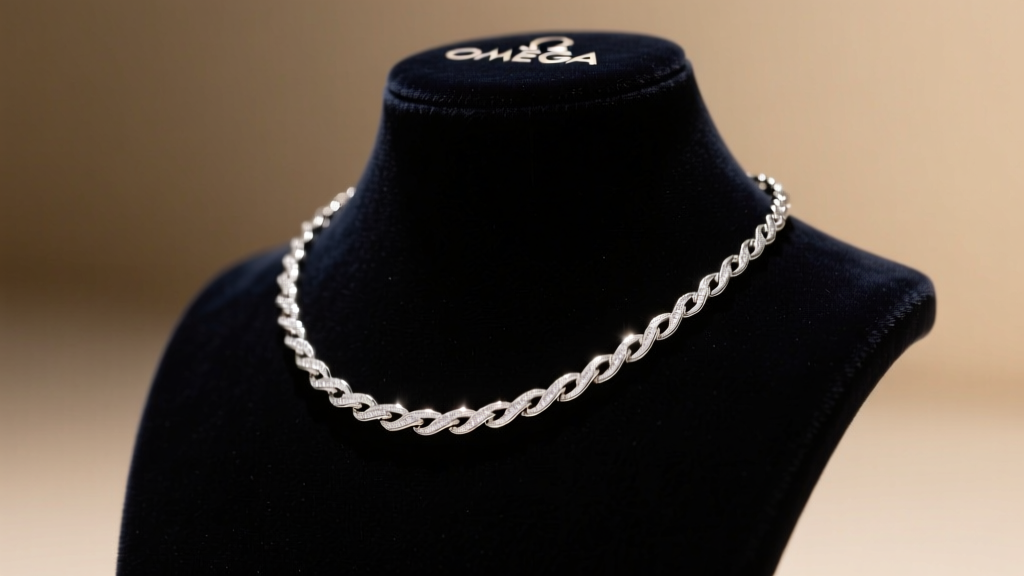
The silver omega necklace is a triumph of jewelry engineering. With its sleek, liquid-metal appearance and seamless drape, it remains a staple for both minimalist everyday wear and high-end evening styling. However, beneath its smooth, reflective surface lies a complex and surprisingly fragile structure. Unlike traditional cable or curb chains, an omega chain requires a highly specialized approach to maintenance. A single wrong move during cleaning or storage can result in permanent kinking, while the wrong chemical agents can destroy the chain's core.
In this comprehensive guide, we break down the exact protocols for cleaning, storing, and preserving your sterling silver omega necklace, ensuring it retains its flawless finish for decades.
The Anatomy of a Silver Omega Chain
To understand why an omega necklace demands such meticulous care, you must first understand how it is built. An omega chain is not made of interlocking links. Instead, it consists of a series of small, flat metal plates that are tightly assembled over an underlying flexible wire mesh or core.
This construction gives the necklace its signature rigid-yet-fluid drape. However, the microscopic gaps between these overlapping plates act as magnets for skin oils, cosmetic residues, and sulfur-rich air—the primary catalysts for silver tarnish. Furthermore, the inner mesh core is highly susceptible to mechanical stress. If the chain is bent beyond its natural curvature radius, the core snaps or creases, resulting in a permanent, unrepairable kink.
The Daily Tarnish Battle: Science and Prevention
Sterling silver (925) is an alloy containing 92.5% pure silver and 7.5% copper. It is the copper that reacts with sulfur and moisture in the environment to form silver sulfide, the dark layer we recognize as tarnish. Because omega chains sit flush against the décolletage, they are constantly exposed to perspiration, lotions, and perfumes.
According to the Gemological Institute of America (GIA), the best way to manage silver tarnish is through preventative maintenance. Wiping your omega necklace down with a clean, dry microfiber cloth immediately after taking it off removes the acidic oils and sulfur compounds before they can bond to the silver.
Step-by-Step Cleaning Protocol for Sterling Silver Omegas
When your necklace requires a deeper clean, you must abandon the aggressive methods used for standard link chains. Follow this exact protocol to lift grime from the plate crevices without compromising the inner mesh.
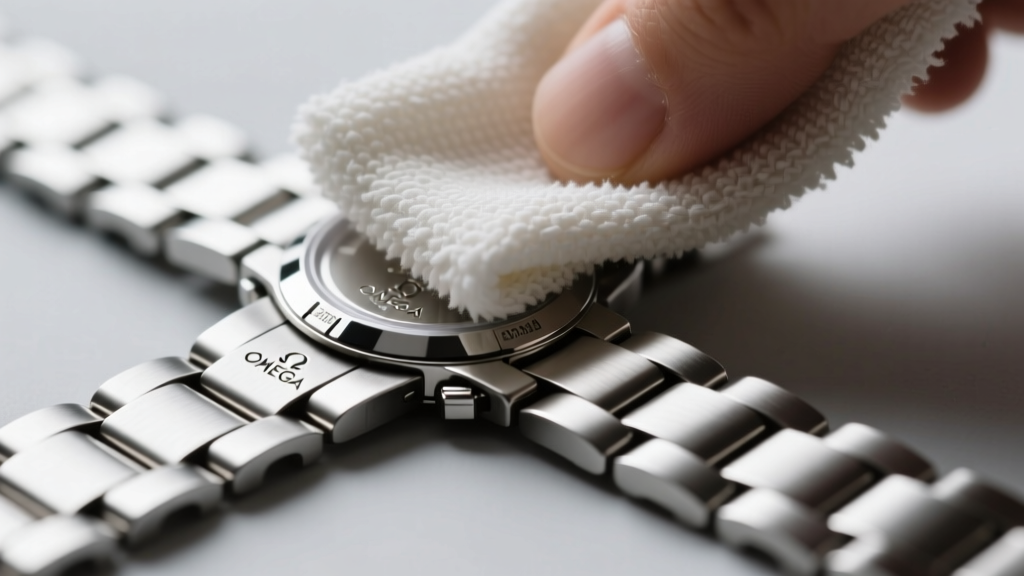
1. The Flat-Lay Preparation
Never hold an omega chain suspended in the air while cleaning it. The weight of the water and the friction of your hands can cause it to bend sharply. Always lay the necklace perfectly flat on a clean, dry microfiber towel on a hard surface.
2. The Mild Suds Bath
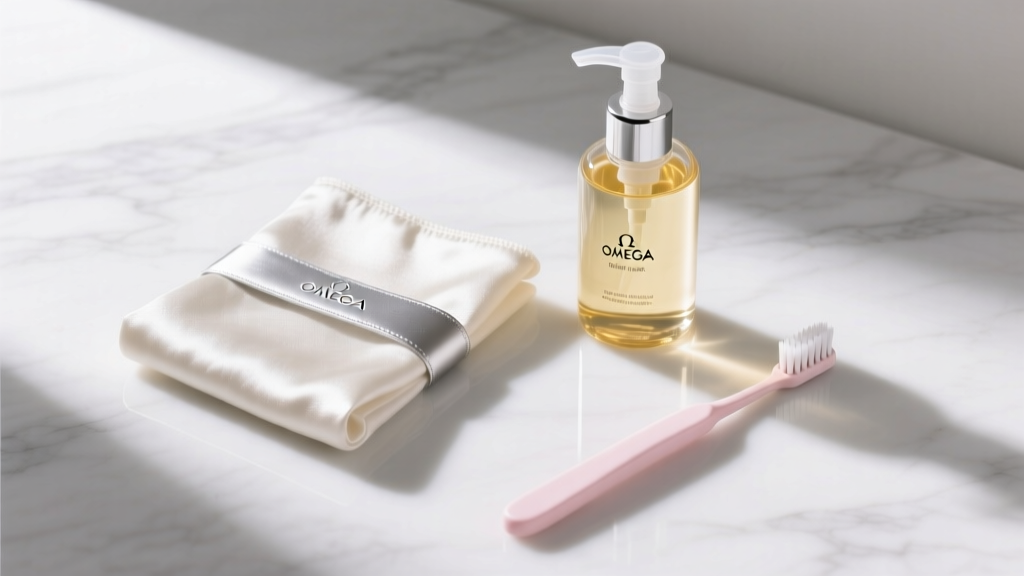
Mix lukewarm distilled water with a single drop of phosphate-free, mild dish soap (such as original Dawn). Dip an extra-soft baby toothbrush into the solution. Stiff bristles will scratch the high-polish finish of the silver plates.
3. Parallel Agitation
Gently brush the chain, but pay strict attention to your direction. You must brush parallel to the length of the chain (along the grain of the plates). Brushing perpendicular to the chain can catch the edges of the overlapping plates, lifting them and exposing the fragile inner mesh.
4. The Distilled Rinse and Cool Dry
Rinse the chain using a gentle stream of distilled water (tap water contains chlorine and minerals that accelerate tarnishing). Pat it dry with a microfiber cloth, then use a hair dryer on the cool, low-air setting to blow out any trapped moisture from the microscopic gaps between the plates. Moisture trapped near the clasp spring is the leading cause of internal corrosion.
5. The Final Polish
Once completely dry, use a treated silver polishing cloth (like a Sunshine Cloth) to restore the high-shine finish. Again, wipe only in long, parallel strokes.
Rhodium-Plated vs. Raw Sterling Silver Omegas
As of 2026, many premium sterling silver omega necklaces are finished with a microscopic layer of rhodium—a platinum-group metal that provides a brilliant, tarnish-resistant, white-gold-like shine. You must know which type you own, as the cleaning rules differ drastically.
- Raw Sterling Silver: Requires regular use of treated silver polishing cloths and occasional mild soap washing to combat silver sulfide buildup.
- Rhodium-Plated Silver: Never use treated silver polishing cloths or abrasive pastes. The mild abrasives in these cloths will slowly strip the rhodium plating away, exposing the raw silver beneath and leading to uneven, patchy tarnishing. Clean rhodium omegas using only the mild soap and baby toothbrush method outlined above.
The Kinking Crisis: Prevention and Storage Rules
The Jewelers of America consistently lists improper storage as the primary cause of omega chain destruction. An omega necklace has a strict minimum bending radius. If you fold it, coil it tightly, or sleep in it, the inner wire mesh will permanently crease.
The Dollar Bill Test
Jewelers use a simple heuristic to demonstrate an omega chain's limits: the chain should never be bent around a curve tighter than the diameter of a rolled-up US dollar bill. Anything tighter risks permanent structural failure.
Proper Storage Solutions
- The Hanging Method: The safest way to store an omega chain is to hang it by its clasp on a dedicated jewelry stand, allowing gravity to keep it perfectly straight.
- The Flat-Felt Roll: If traveling, lay the necklace completely straight inside a soft felt jewelry roll. Never toss it into a standard jewelry box where it can be crushed under heavier items.
- The Original Box: Omega necklaces are often sold in specialized, curved boxes designed to support the chain's natural draping radius. Keep and reuse this box.
Chemicals to Avoid: The Omega Blacklist
Because of the complex inner mesh and tight plate tolerances, certain standard jewelry cleaning methods are actively destructive to omega chains. Consult the table below before applying any treatment to your silver.
| Cleaning Agent / Method | Effect on Omega Chains | Verdict |
|---|---|---|
| Ultrasonic Cleaners | High-frequency cavitation vibrations shake the delicate solder joints loose and can cause the inner wire mesh to fray or separate from the outer plates. | STRICTLY AVOID |
| Liquid Silver Dips | Thiourea-based acids strip tarnish instantly but leave a chemical residue trapped between the plates, which accelerates future tarnishing and corrodes the core. | STRICTLY AVOID |
| Chlorine / Pool Water | Chlorine reacts with the copper alloy in sterling silver, causing permanent structural weakening and deep, dark discoloration that cannot be polished out. | STRICTLY AVOID |
| Baking Soda & Foil Bath | The alkaline solution can leave a chalky residue deep inside the plate crevices that is nearly impossible to rinse out without soaking (which risks the core). | NOT RECOMMENDED |
| Mild Dish Soap & Water | Safely lifts oils and surface dirt without harming the silver alloy, the rhodium plating, or the structural integrity of the mesh core. | HIGHLY RECOMMENDED |
When to Seek Professional Jewelry Repair
If your silver omega necklace develops a kink, do not attempt to bend it back into place yourself. Applying counter-pressure will only work-harden the metal further, leading to a complete snap. A master jeweler can sometimes use specialized mandrels and laser soldering to realign the outer plates and reinforce the inner mesh, though success depends entirely on the severity of the crease.
Additionally, have the clasp and jump rings inspected by a professional every 18 to 24 months. The friction of putting on and taking off the necklace puts immense shear stress on the clasp solder points, and catching a failing clasp early prevents the loss of the entire piece.
Final Thoughts on Omega Maintenance
A silver omega necklace is an investment in sleek, timeless style, but it demands respect. By abandoning harsh chemicals, utilizing the parallel-brushing technique, and adhering to strict flat-or-hanging storage rules, you can easily preserve the structural integrity and brilliant shine of your chain for a lifetime. Treat it with the precision it requires, and it will remain a flawless centerpiece in your jewelry wardrobe for years to come.


