Clit Necklace Buying Guide: Safe Metals & Sizing Tips
Discover what to look for when buying a clit necklace. Learn about implant-grade titanium, gauge sizes, and safe body chain designs for intimate wear.

Decoding the Terminology: What is a Clit Necklace?
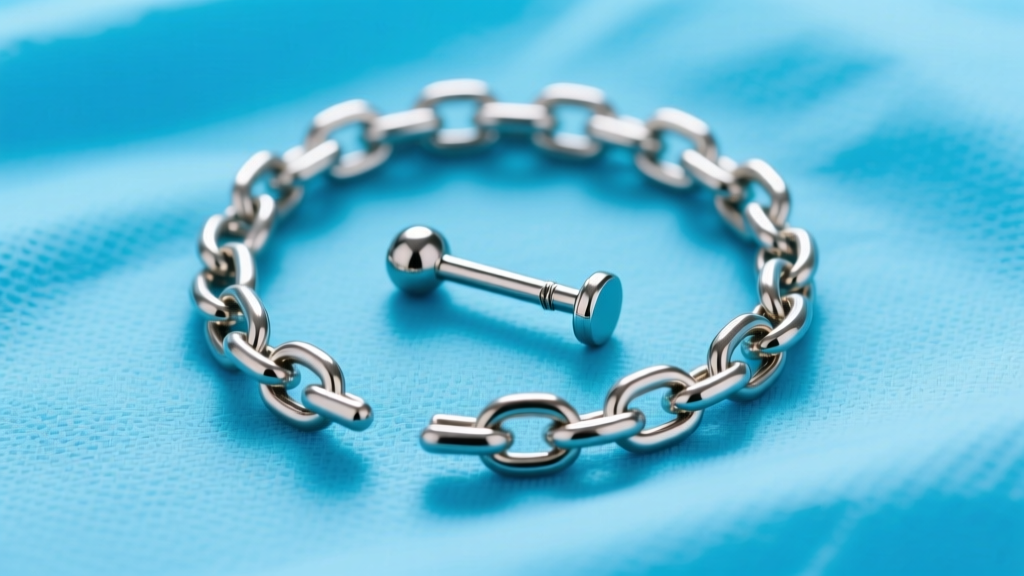
In the realm of alternative fashion and intimate body modification, the colloquial search term clit necklace frequently appears in consumer queries. However, professional piercers and high-end jewelry artisans rarely use this phrase in clinical settings. Instead, this term generally refers to three distinct categories of intimate body jewelry: pelvic drape chains, harness-style body chains that anchor to the hips and pelvis, or specialized chains that connect a Christina or VCH (Vertical Clitoral Hood) piercing to a navel anchor.
Because this jewelry sits in a highly sensitive, high-moisture, and high-friction anatomical zone, the margin for error in material quality and structural design is virtually zero. A poorly manufactured piece can lead to severe contact dermatitis, piercing migration, or the dreaded 'cheese-cutter effect.' This comprehensive buying guide will dissect the exact material grades, gauge requirements, and anatomical measurements you need to evaluate before purchasing intimate pelvic chains in 2026.
Critical Material Requirements for Intimate Wear
The pelvic region is subject to fluctuating body temperatures, high humidity, and constant friction from clothing. Consequently, the Association of Professional Piercers (APP) strictly dictates which metals are safe for long-term intimate wear.
Implant-Grade Titanium (ASTM F136)
This is the undisputed gold standard for any jewelry anchoring a pelvic chain. ASTM F136 titanium is entirely nickel-free, highly resistant to corrosion from bodily fluids, and possesses a mirror-polished surface that prevents bacterial adhesion. If the primary anchor of your chain is a fresh or healing Christina or VCH piercing, implant-grade titanium is non-negotiable.
The Danger of Surgical Steel and Plated Metals
Many mass-market 'body harnesses' are crafted from surgical steel (ASTM F138) or feature gold-plated brass. Surgical steel contains up to 14% nickel. According to the National Center for Biotechnology Information, prolonged exposure to nickel in high-sweat environments triggers allergic contact dermatitis in up to 20% of the population. Plated metals are even worse; the friction from walking and sitting will quickly wear away the gold or rose-gold plating, exposing the skin to raw brass or copper alloys, leading to rapid oxidation and localized infections.
| Material | Industry Standard | Nickel Content | Suitability for Pelvic Chains |
|---|---|---|---|
| Implant-Grade Titanium | ASTM F136 | 0% (Nickel-Free) | Excellent (Safe for healing & long-term) |
| Niobium | Unalloyed | 0% (Nickel-Free) | Excellent (Hypoallergenic, heavier weight) |
| Surgical Steel | ASTM F138 | Up to 14% | Poor (High risk of dermatitis & corrosion) |
| Gold-Plated Brass | N/A | Variable | Dangerous (Plating flakes, causes infection) |
Gauge, Weight, and the Cheese-Cutter Effect
One of the most common failure modes in intimate body chains is improper gauge sizing relative to the chain's weight. The 'cheese-cutter effect' occurs when a wire or barbell is too thin to support the weight of the attached chain, causing it to slowly slice through the tissue and result in piercing rejection.
Minimum Gauge Requirements
- VCH (Vertical Clitoral Hood): Typically pierced at 14g (1.6mm) or 12g (2.0mm). A chain attached to a VCH anchor must be exceptionally lightweight, utilizing fine micro-cable chains (under 5 grams total).
- Christina Piercing: Due to the deeper tissue shelf, Christinas are usually pierced at 12g (2.0mm) or 10g (2.4mm). This provides a sturdier anchor for slightly heavier, more ornate pelvic drape chains.
- Navel Anchors: If the chain simply drapes from the navel down to a pelvic harness without piercing the intimate anatomy, a standard 14g (1.6mm) navel barbell is sufficient to hold the chain's tension.
Threading Standards: Internal vs. Threadless
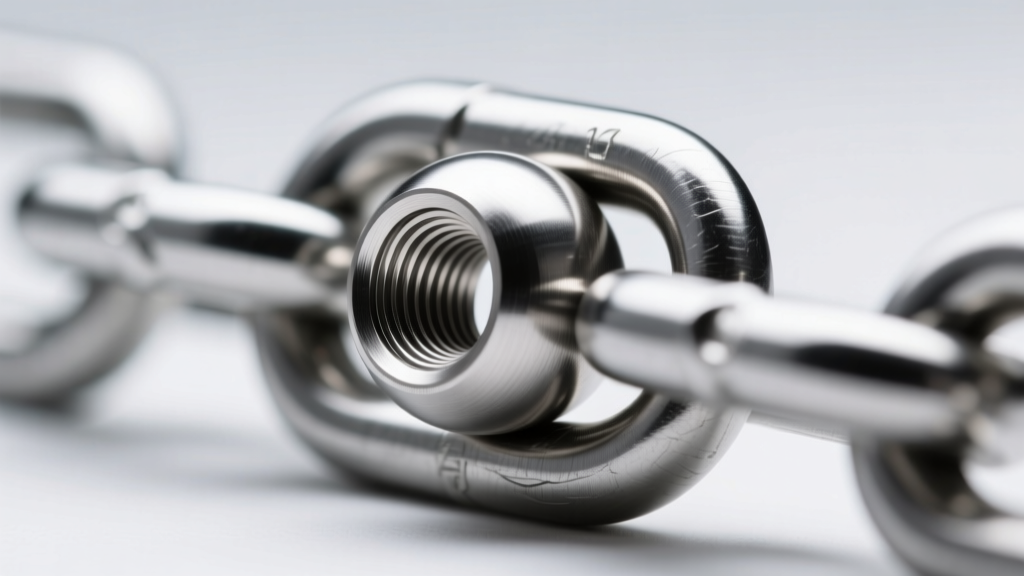
Never purchase intimate jewelry with external threading. The sharp threads of an externally threaded ball end will cause micro-tears in the delicate fistula (the piercing channel) every time it is removed for cleaning. High-end pelvic chains utilize internally threaded connections (where the screw is on the ball end) or threadless (press-fit) tension systems. Threadless ends are particularly advantageous for body chains, as the tension of the chain pulling against the jewelry actually secures the pin tighter into the barbell shaft.
Anatomical Considerations and Custom Sizing
Unlike a standard necklace that rests on the rigid structure of the clavicle, a pelvic chain must accommodate the dynamic shifting of the torso, hips, and pelvic floor. Buying a 'one-size-fits-all' chain is a recipe for snagging and tissue trauma.
The Sitting vs. Standing Measurement
When measuring for a Christina-to-navel chain, the distance between the two piercings changes drastically depending on your posture. When you sit, the torso compresses, and the distance between the navel and the pubic mound decreases. If a chain is sized perfectly for a standing posture, it will bunch up and create dangerous slack when sitting, increasing the risk of the chain catching on underwear or furniture.
Expert Sizing Protocol: Always measure while in a seated position, then add exactly 0.5 inches (1.27 cm) of 'drape allowance' to ensure the chain remains comfortable when standing without pulling taut against the piercing anchors.

Maintenance and Hygiene Protocols
Pelvic chains require a more rigorous cleaning protocol than standard necklaces due to their proximity to apocrine sweat glands and the natural microbiome of the groin area.
- Daily Saline Rinse: Use a sterile 0.9% sodium chloride wound wash to rinse the anchor points and the first two inches of the chain daily. Avoid harsh antibacterial soaps, which disrupt the skin's acid mantle and cause dryness.
- Ultrasonic Cleaning (Chain Only): Once a month, detach the chain from the body (if using threadless or easily removable clasps) and place it in an ultrasonic jewelry cleaner with a mild, ammonia-free solution. This removes microscopic buildup of dead skin cells and sebum from the chain links.
- Clasp Inspection: Lobster clasps and spring rings are failure points. Inspect the tension of the clasp weekly. If the spring mechanism shows any lag, replace the clasp immediately to prevent losing the chain during physical activity.
'The biggest mistake clients make with intimate body chains is ignoring the weight distribution. A beautiful 18-karat gold chain is useless if the tension pulls the Christina piercing at a 45-degree angle. Always prioritize the vector of the pull over the aesthetic of the drape.' — Senior APP-Certified Piercer, 2026
Final Verdict: Where to Source Safe Intimate Chains
When shopping for a clit necklace or pelvic body chain, avoid fast-fashion lingerie retailers and unverified online marketplaces. Instead, seek out specialized body jewelry artisans who work exclusively with ASTM F136 titanium and offer custom chain lengths based on your seated measurements. Brands that cater to professional piercing studios, such as Anatometal or Maria Tash, often provide the foundational barbell anchors, while specialized custom chain-makers can laser-weld seamless titanium links to ensure no solder joints break against the skin. Investing in proper metallurgy and anatomical sizing ensures your intimate jewelry remains a safe, comfortable, and stunning enhancement for years to come.


