Disk Necklace Value Guide 2026: What to Pay for Real Quality
Is your disk necklace worth the price? We break down 2026 market values, metal grades, and plating thickness to help you spot true quality.

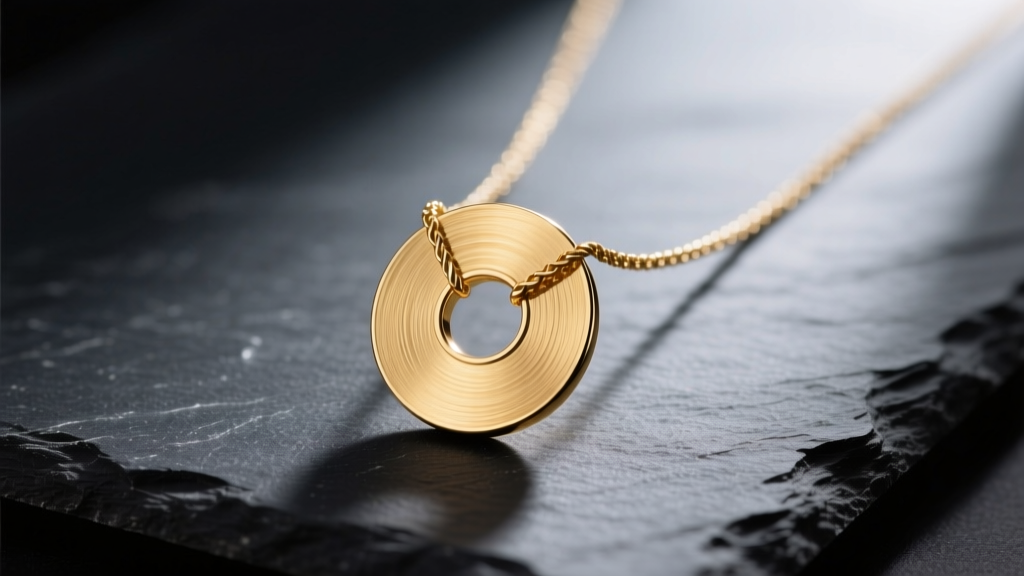
The minimalist disk necklace remains an undisputed staple in modern jewelry wardrobes. Its clean geometry and versatile profile make it an ideal candidate for layering or solo wear. However, as we navigate the 2026 jewelry market, the price discrepancy between seemingly identical disk necklaces can be staggering. You might find a 15mm gold disk pendant on a cable chain for $35 at a fast-fashion retailer, and a nearly identical-looking piece for $450 at a boutique jeweler. Understanding the true value of a disk necklace requires looking past the surface shine and evaluating the metallurgy, manufacturing techniques, and hardware quality that dictate its lifespan.
The Anatomy of a High-Value Disk Necklace
When assessing the budget versus value of a disk pendant, the physical dimensions and manufacturing methods are your first indicators of quality. A standard disk necklace ranges from 10mm to 20mm in diameter. The critical metric, however, is thickness. Cheap, mass-produced disks are often stamped from thin sheets of base metal, measuring a mere 0.5mm to 0.8mm thick. These are prone to warping, bending, and denting under minimal pressure.
A high-value solid gold or premium vermeil disk should measure between 1.2mm and 1.8mm in thickness. This provides the necessary structural integrity to resist daily wear and tear. Furthermore, premium disks are often die-struck rather than cast. Die-striking compresses the metal molecules, resulting in a denser, more durable pendant with a superior surface finish for polishing or engraving. According to manufacturing standards outlined by Rio Grande Jewelry Supply, die-struck components offer significantly higher tensile strength and a better baseline for mirror finishes compared to porous cast alternatives.
Material Tiers and 2026 Pricing Benchmarks
The core material of your disk necklace dictates its baseline price and longevity. In 2026, the market is segmented into distinct tiers. Below is a value assessment chart for a standard 15mm disk pendant paired with an 18-inch chain.
| Material Grade | Plating / Thickness | Expected Lifespan | Fair 2026 Price Range |
|---|---|---|---|
| PVD Gold over 316L Steel | Physical Vapor Deposition | 3 to 5+ Years | $45 - $85 |
| Gold Vermeil | 2.5 microns over Sterling | 2 to 4 Years | $90 - $160 |
| Solid 10k Gold | Solid Alloy (41.7% Gold) | Lifetime | $220 - $310 |
| Solid 14k Gold | Solid Alloy (58.3% Gold) | Lifetime | $350 - $500 |
If a brand is charging $250 for a gold vermeil disk necklace, it is heavily overpriced. Conversely, if you see a "solid gold" disk necklace selling for $120, it is likely a hollowed-out casting or a misrepresented gold-plated brass piece. The Federal Trade Commission Jewelry Guides strictly regulate these terminology, mandating that vermeil must have a sterling silver base and a minimum gold thickness of 2.5 microns to be legally marketed as such.
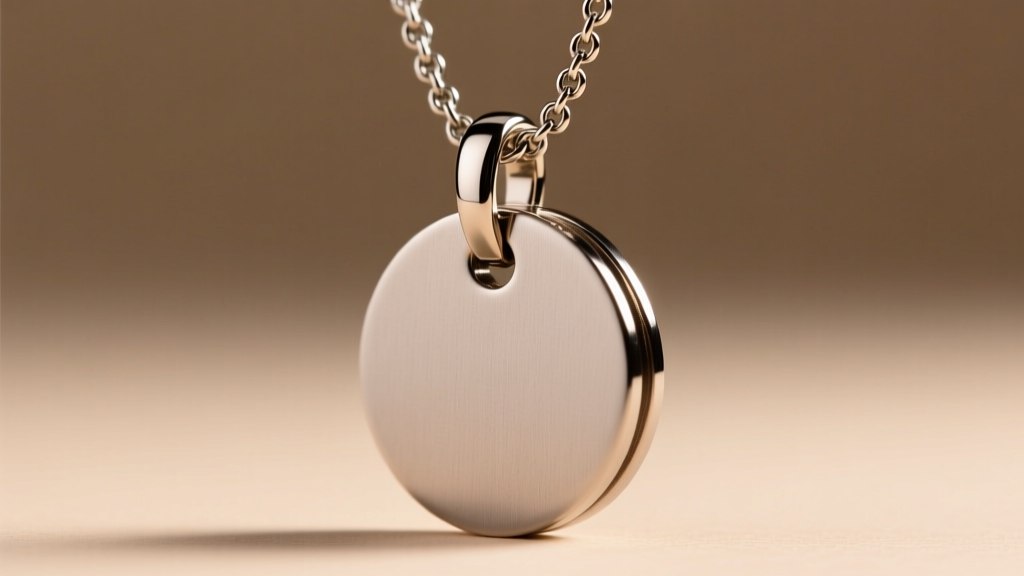
The Chain and Clasp: Where Brands Cut Corners
A common trap in budget jewelry assessment is fixating solely on the pendant while ignoring the chain. The chain accounts for up to 60% of the total metal weight in a delicate necklace. Brands looking to inflate profit margins will pair a heavy, well-made disk pendant with a fragile, unsoldered chain.
Evaluating Chain Gauge and Links
For a disk necklace, the cable chain or rolo chain is standard. You must check the gauge (thickness) of the wire used to make the links. A 0.8mm chain is incredibly fragile and will snap if the disk pendant catches on a sweater. A 1.2mm to 1.4mm chain offers the ideal balance of delicate aesthetics and tensile strength. Additionally, inspect the links under a macro lens or ask the jeweler: are the links soldered closed? Unsoldered links will pull apart under the weight of a solid metal disk.
Clasp Hardware
Spring ring clasps are the hallmark of budget manufacturing. They are difficult to operate, prone to internal spring failure, and generally feel cheap. A high-value disk necklace will feature a solid lobster clasp or, in premium tiers, a hidden box clasp or seamless bolt ring that integrates smoothly into the chain profile.
Red Flags: Spotting Overpriced and Underperforming Pieces
When shopping for a disk necklace, be highly skeptical of marketing jargon designed to obscure poor material value. Here are the primary red flags to watch for in the current market:
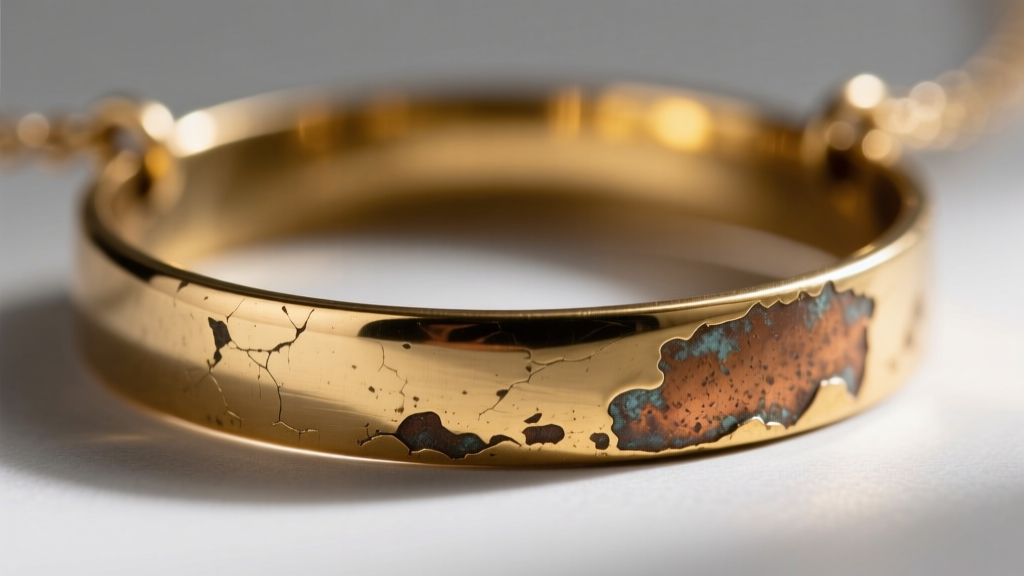
- "Gold Dipped" or "Gold Washed": These terms usually indicate flash plating, which is often less than 0.1 microns thick. The gold layer will wear off the high-friction edges of the disk within weeks, exposing the base metal beneath.
- Hollow Disks: Some manufacturers create the illusion of a thick, heavy disk by doming a thin sheet of metal, leaving the back completely hollow. These trap moisture, soap, and lotion, leading to accelerated tarnishing and structural collapse if bumped.
- Unstamped Gold: According to the Gemological Institute of America (GIA), solid gold jewelry should bear a quality stamp (e.g., 10k, 14k, 417, 585) and a maker's mark. A lack of stamping on a purportedly solid gold disk is a major indicator of misrepresentation.
Cost Per Wear (CPW) Analysis: Finding the Sweet Spot
To truly assess the budget value of a disk necklace, we must apply the Cost Per Wear (CPW) metric. A disk necklace is typically a daily-wear staple, meaning it will be exposed to sweat, perfumes, and friction regularly.
The CPW Formula: Total Cost / (Estimated Wears Per Year × Years of Lifespan)
Let us compare a $60 PVD-coated stainless steel disk necklace that lasts 3 years with daily wear (1,095 wears) versus a $400 solid 14k gold disk necklace that lasts a lifetime (let us calculate over 10 years, or 3,650 wears).
- PVD Steel CPW: $60 / 1095 = $0.054 per wear
- Solid 14k Gold CPW: $400 / 3650 = $0.109 per wear
While the solid gold piece costs twice as much per wear, it retains intrinsic scrap value and requires no replacement. For the ultimate budget-conscious buyer who wants a waterproof, sweat-proof daily piece without the solid gold investment, PVD-coated 316L stainless steel is the undisputed 2026 value champion. For those seeking heirloom longevity and the ability to pass the piece down, solid 14k gold justifies its premium upfront cost.
Final Verdict: Where to Allocate Your Budget
When purchasing a disk necklace, prioritize your budget in this exact order: first, secure a durable chain gauge (minimum 1.2mm) with soldered links and a lobster clasp. Second, ensure the disk itself is at least 1.2mm thick and die-struck if possible. Finally, select your metal based on your realistic maintenance habits. If you refuse to take your necklace off in the shower, skip the vermeil and invest in PVD steel or solid 10k/14k gold. By demanding transparency in microns, gauges, and manufacturing methods, you can confidently navigate the market and secure a disk necklace that offers genuine, long-term value.


