Reviewing the petite heart necklace james avery: Specs, Sizing & Care
An expert technical review of the petite heart necklace james avery, covering sterling silver specs, chain gauges, clasp mechanics, and layering tips.

Introduction to an Iconic Silhouette
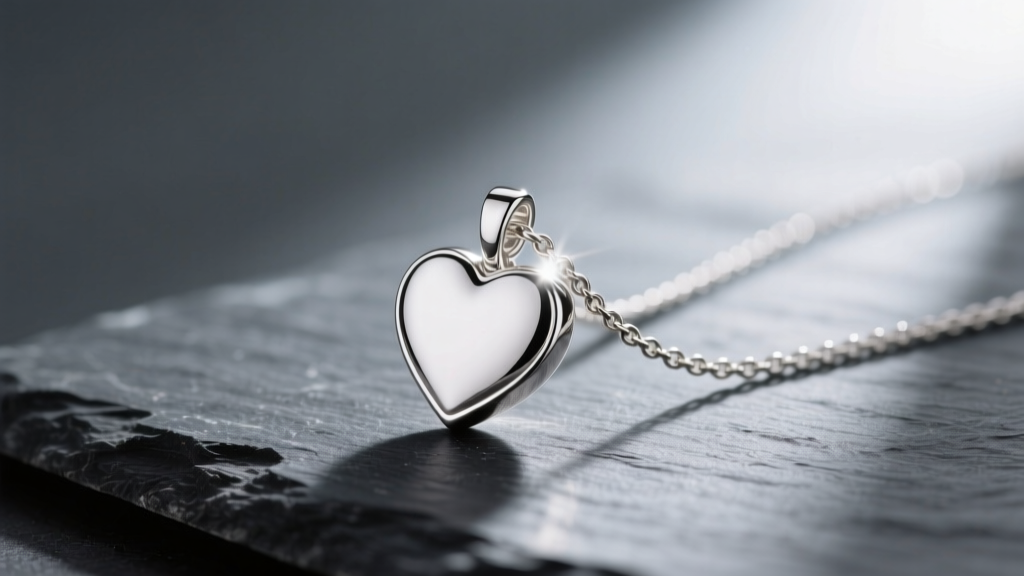
When analyzing the landscape of American artisan jewelry, few pieces carry the cultural and technical weight of the petite heart necklace james avery designs. Originally rooted in the brand's mid-century Texan heritage, this specific pendant has evolved from a simple charm into a masterclass in accessible luxury and metallurgical consistency. As jewelry analysts and metallurgical experts, we look past the emotional resonance of the heart motif to examine the structural integrity, alloy composition, and mechanical engineering that make this piece a staple in modern jewelry wardrobes.
This deep dive bypasses standard marketing copy to deliver a comprehensive technical teardown. We will evaluate the exact dimensional tolerances of the pendant, the structural limits of the accompanying cable chain, the failure points of standard clasps versus the James Avery lobster claw mechanism, and the precise mathematical frameworks required for friction-free layering. Whether you are evaluating the 925 sterling silver version or the 14K gold vermeil iteration, understanding the underlying engineering is critical for long-term wearability and maintenance.
Metallurgical Breakdown: Sterling Silver & Gold Vermeil
The foundation of any fine jewelry piece lies in its elemental composition. James Avery utilizes specific alloy ratios to balance malleability, tensile strength, and tarnish resistance. Understanding these metallurgical realities is essential for predicting how the necklace will react to environmental stressors, skin pH levels, and mechanical friction.
925 Sterling Silver Composition and Oxidation
The sterling silver variant of the petite heart necklace is stamped '925', indicating a standard composition of 92.5% pure silver and 7.5% alloying metals. While pure silver (999) is highly resistant to tarnish, it is far too soft to hold the crisp, beveled edges of the heart pendant or withstand the daily tension of a cable chain. The 7.5% alloy—traditionally copper, though some modern foundries incorporate zinc or germanium for enhanced tarnish resistance—provides the necessary structural rigidity. However, copper is highly reactive to sulfur and moisture in the air, leading to the formation of silver sulfide (tarnish). The high-polish finish applied to the James Avery pendant acts as a micro-barrier, reducing the surface area available for sulfur adhesion compared to matte or brushed finishes.
14K Gold Vermeil Plating Thickness and FTC Standards
For collectors opting for the gold iteration, it is vital to distinguish between standard gold plating and true gold vermeil. According to the Federal Trade Commission (FTC) Jewelry Guides, a piece can only be legally classified as vermeil if it features a sterling silver base coated with a minimum of 2.5 microns of 10K (or higher) gold. Standard flash plating often utilizes less than 0.5 microns, which will wear away to the silver core within months of daily friction. The James Avery vermeil process adheres to strict micron-thickness standards, ensuring the 14K gold layer is substantial enough to withstand years of wear, provided it is not subjected to abrasive polishing compounds that will strip the microscopic gold layer.
Dimensional Specifications & Chain Mechanics
The visual weight and physical durability of the necklace are dictated by precise millimeter tolerances. The petite heart is engineered to sit flush against the sternum without flipping, a common issue with poorly weighted pendants. Below is the exact technical specification sheet for the standard configuration.
| Component | Specification | Technical Significance |
|---|---|---|
| Pendant Width | ~9.5mm (3/8 inch) | Optimal for subtle layering without dominating the neckline. |
| Pendant Thickness | ~1.2mm | Provides structural mass to prevent bending under lateral stress. |
| Bail Inner Diameter | ~2.0mm | Accommodates chains up to 1.8mm, allowing for aftermarket upgrades. |
| Chain Style | Standard Cable | Alternating vertical/horizontal links distribute tensile load evenly. |
| Chain Gauge | 1.0mm - 1.2mm | Balances delicate aesthetics with a breaking strength of ~8 lbs. |
| Clasp Type | Lobster Claw | Superior tension retention compared to spring ring alternatives. |
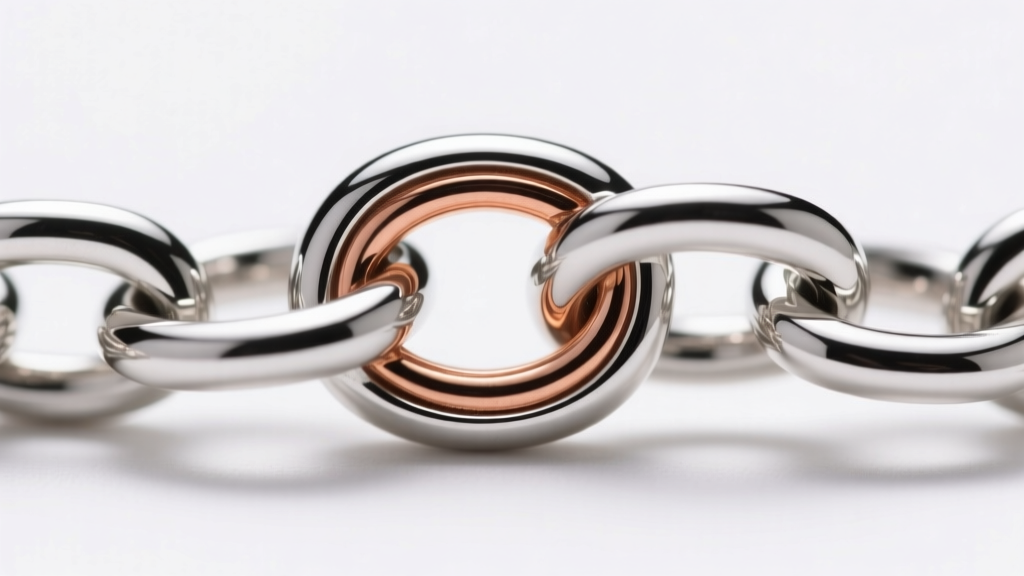
The 1.0mm to 1.2mm cable chain is a deliberate engineering choice. Cable chains feature oval links arranged in an alternating vertical and horizontal pattern. This geometry prevents the chain from kinking and ensures that if one link undergoes stress, the load is distributed across the adjacent perpendicular links. For a pendant weighing roughly 1.5 grams, this gauge provides a safety factor of over 200% against standard gravitational and incidental snagging forces.
Clasp Engineering & Durability Testing
The most frequent point of mechanical failure in fine jewelry is the clasp. Many mass-market jewelers utilize spring ring clasps to cut costs. A spring ring relies on a tiny, coiled internal steel spring that pushes a metal tab closed. Over time, the repeated compression causes metal fatigue in the spring, or the internal mechanism becomes clogged with cosmetic debris, leading to a failure to close securely.
The petite heart necklace james avery configurations typically employ a cast lobster claw clasp. The lobster claw utilizes a solid lever mechanism powered by a heavier, more resilient tension spring housed within a thicker metal body. This design not only resists lateral crushing forces (such as being slept on or pressed against a collarbone) but also provides a larger surface area for the jump ring connection. When inspecting the clasp, ensure the lever snaps back with an audible, crisp click, indicating proper spring tension and a clean internal housing.
Layering Framework: Gauge & Length Compatibility
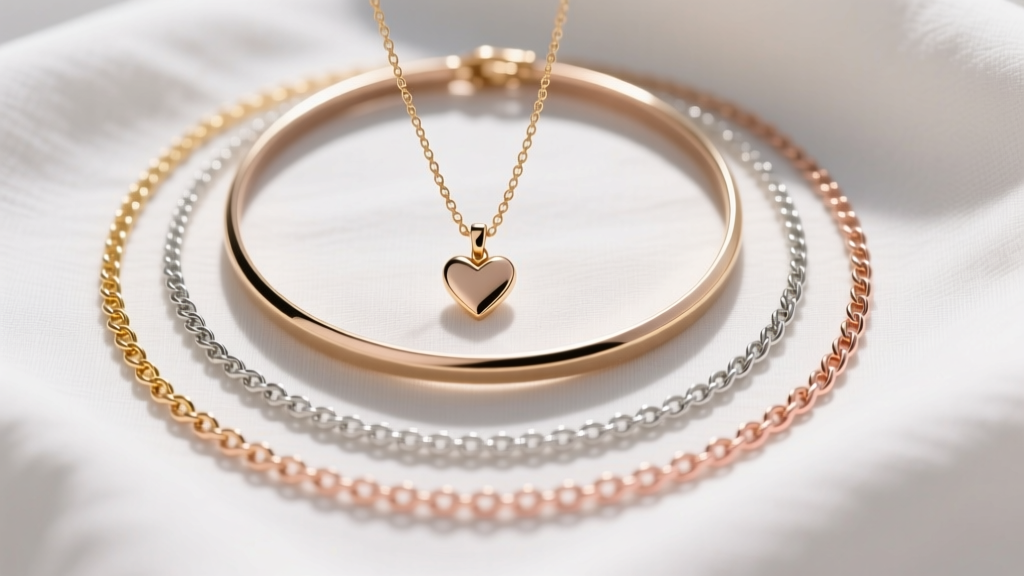
Layering is not merely an aesthetic choice; it is an exercise in friction management. When multiple chains rest against one another, they create micro-abrasions that can wear down silver and completely strip gold vermeil. To safely layer the petite heart pendant, you must adhere to the 'Rule of Two' regarding both length and chain texture.
- Length Spacing: Maintain a minimum of 2 inches between chains. If the petite heart is worn at 16 inches, the secondary chain should be 14 inches (a choker) and the tertiary chain should be 18 inches. This prevents the pendants and clasps from tangling and rubbing against one another.
- Texture Variation: Never layer two identical cable chains. The uniform links will mesh together like gears, causing severe friction wear. Instead, pair the 1.0mm cable chain holding the heart pendant with a 1.5mm rolo chain or a 1.2mm box chain. The differing geometries ensure the chains slide past one another smoothly rather than catching and grinding.
- Weight Distribution: Ensure the longest chain is also the heaviest. A heavier 18-inch chain will naturally pull the lighter 16-inch petite heart chain into a tighter parabolic curve, keeping the layers visually separated and structurally independent.
Tarnish Mitigation & Maintenance Protocol
Proper maintenance of sterling silver requires an understanding of chemical reactivity. According to the Gemological Institute of America (GIA), silver tarnish is primarily a surface-level reaction to sulfur compounds in the environment, accelerated by humidity and skin acidity. To maintain the high-polish finish of the petite heart pendant without introducing micro-scratches, avoid the use of liquid silver dips or ultrasonic cleaners. Liquid dips often contain harsh thiourea compounds that strip the oxidized patinas and can leave a chalky residue in the crevices of the bail.
Instead, utilize a high-quality micro-abrasive polishing cloth (such as a Sunshine cloth) for the sterling silver version. These cloths are impregnated with microscopic jeweler's rouge that gently removes the silver sulfide layer without altering the underlying metal geometry. For the gold vermeil version, never use a polishing cloth, as the abrasives will strip the 2.5-micron gold layer. Vermeil should only be cleaned using a few drops of mild, phosphate-free dish soap, warm distilled water, and an ultra-soft baby toothbrush, followed by immediate and thorough drying with a lint-free microfiber towel to prevent water spotting.
Conclusion
The petite heart necklace james avery is far more than a sentimental token; it is a highly engineered piece of wearable metallurgy. By understanding the 925 alloy composition, respecting the FTC standards for vermeil plating, and adhering to strict layering and maintenance protocols, collectors can ensure the structural and aesthetic longevity of the piece. Whether worn as a solitary 16-inch statement or integrated into a friction-optimized layered stack, the technical precision of the pendant's bevels, the tensile strength of the cable chain, and the reliability of the lobster claw clasp make it a benchmark for accessible luxury in the modern jewelry market.


