The Park Lane Necklace: 2026 Vintage Trend Analysis
Explore the 2026 resurgence of the vintage Park Lane necklace. Learn to authenticate hallmarks, decode eras, and style costume classics.

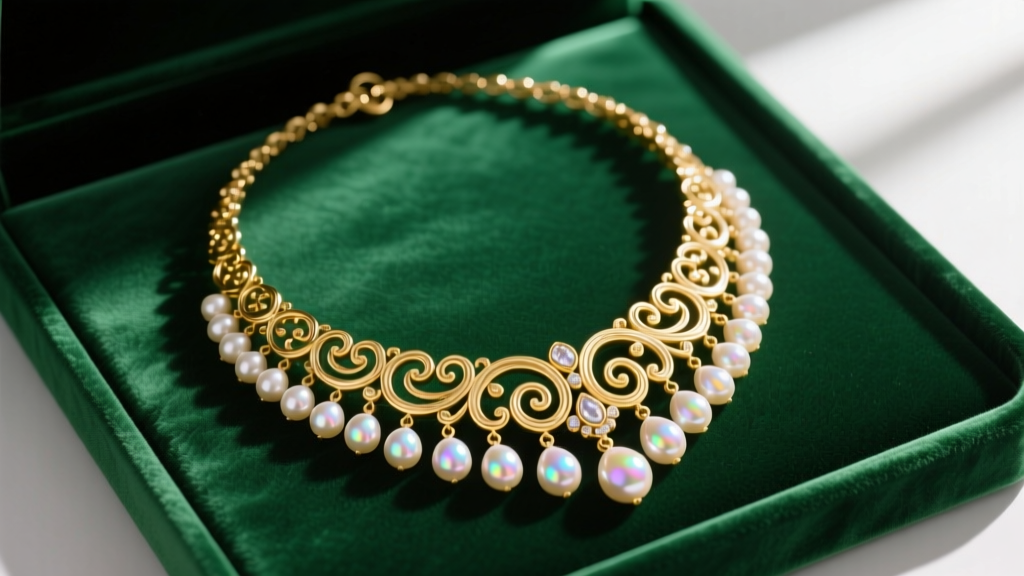
The Resurgence of Heritage Costume Jewelry
In the ever-evolving landscape of 2026 fashion, the pendulum has swung decisively away from ultra-minimalist, barely-there fine jewelry toward bold, nostalgic statement pieces. At the forefront of this vintage revival is the Park Lane necklace. Founded in 1955 by Art and C.J. Schlueter, Park Lane built a mid-century empire on direct-sales, party-plan jewelry that offered high-end aesthetics at accessible price points. Today, archival Park Lane pieces from the 1970s through the early 2000s are experiencing a massive surge in demand on secondary markets like Depop, Poshmark, and specialized vintage boutiques. Collectors and stylists are no longer dismissing these pieces as mere 'costume jewelry'; instead, they are recognizing the superior craftsmanship, heavy electroplating, and intricate stone-setting techniques that defined the brand's golden eras.
This 2026 trend analysis breaks down the material composition, authentication markers, and styling frameworks necessary to integrate vintage Park Lane necklaces into a modern, sophisticated wardrobe. Whether you are hunting for a Y2K-era rhinestone choker or a 1980s power-clash gold bib, understanding the nuances of these pieces is critical for both collectors and everyday wearers.
Decoding Park Lane: Materials and Construction
To truly appreciate a vintage Park Lane necklace, one must look past the surface and understand the manufacturing processes of the late 20th century. Unlike contemporary fast-fashion jewelry, which often relies on flash-plated zinc alloys that degrade within months, vintage Park Lane pieces were typically constructed with a solid brass or copper armature. This base metal was then subjected to multi-step electroplating, often utilizing a thick 14k or 18k gold wash or a durable rhodium finish for silver-tone pieces.
Stone Settings and Embellishments
Park Lane was renowned for its meticulous stone-setting. Rather than simply gluing rhinestones to a metal backing, the brand frequently employed prong-set Austrian crystal chatons and hand-cut cubic zirconia (CZ). The faux pearls used in their 1980s collections were heavily coated, multi-layered resin beads designed to mimic the deep luster and slight imperfections of real South Sea pearls. According to archives documented by Costume Jewelry Collectors, the weight and cold-to-the-touch feel of the stones are immediate indicators of a genuine mid-century Park Lane piece versus a modern replica.
Era Breakdown: Secondary Market Valuations
The value and stylistic application of a Park Lane necklace depend heavily on its decade of origin. The secondary market in 2026 has established clear pricing tiers based on rarity, condition, and current trend alignment. Below is a comprehensive breakdown of the primary vintage eras, their defining characteristics, and current market pricing.
| Era | Defining Characteristics | Common Clasp Types | 2026 Market Price Range |
|---|---|---|---|
| 1970s | Heavy yellow gold wash, large resin cabochons, intricate filigree metalwork, elongated pendant drops. | Spring ring, early fold-over | $35 - $75 |
| 1980s | Matte gold finishes, faux pearl bib and collar necklaces, power-dressing geometric pendants. | Lobster claw, barrel clasps | $45 - $120 |
| 1990s - Y2K | Silver-tone rhinestone tennis necklaces, delicate CZ solitaires, velvet chokers with crystal drops. | Standard lobster with PL logo | $20 - $60 |
Note: Pricing assumes excellent condition with minimal plating wear and all original stones intact. Pieces with original paper hangtags or branded suede pouches command a 15-20% premium.
Authentication: Hallmarks and Hardware
Because Park Lane jewelry was widely distributed, the market is occasionally flooded with misattributed pieces. Authenticating a Park Lane necklace requires a jeweler's loupe and a keen eye for hardware specifics.
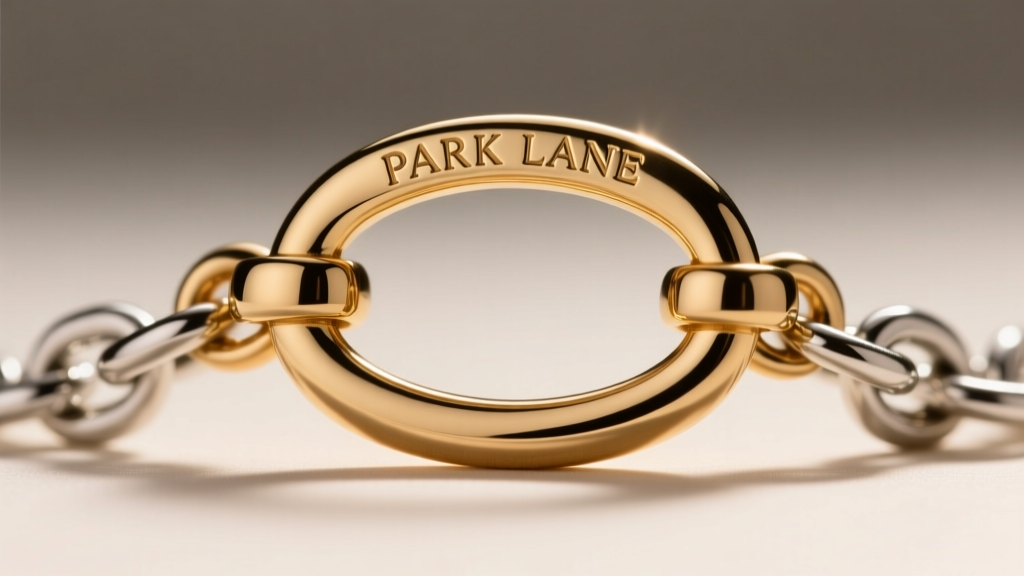
The Clasp and Jump Ring
The most reliable authentication marker is the hallmark. Modern and late-90s Park Lane necklaces typically feature a lobster claw clasp stamped with a stylized 'PL' or the words 'PARK LANE' on the accompanying oval jump ring. Older 1970s pieces may lack a direct stamp on the metal hardware; instead, they were originally sold with a branded paper hangtag or a small, soldered metal plate near the clasp that has often been lost to time. In these cases, authentication relies on the distinct weight of the brass base and the specific prong-setting style used for the crystals.
Identifying Plating Wear
When assessing a vintage piece, inspect the back of the pendant and the interior of the chain links. According to conservation guidelines from the Lang Antiques Antique Jewelry University, brass-based costume jewelry will reveal a dull, yellowish-brown hue when the gold electroplating wears through. Avoid pieces with active verdigris (green corrosion) around the stone settings, as this indicates moisture damage that can eventually loosen the prongs and cause stone loss.
Styling Frameworks for 2026
Integrating vintage costume jewelry into a contemporary wardrobe requires a strategic approach to balance and proportion. The goal is to let the Park Lane necklace serve as the focal point without overwhelming the silhouette. Here are three expert-approved styling frameworks for the current season.
1. The 1980s Pearl Bib over Structured Knitwear
The 1980s Park Lane faux pearl bib necklace is a masterclass in maximalism. To modernize this piece, avoid pairing it with competing patterns or ruffled blouses. Instead, drape it over a fine-gauge, charcoal or camel-colored cashmere turtleneck. The matte texture of the wool provides a soft, non-reflective backdrop that allows the high-luster pearl coating and gold filigree to pop. Keep earrings minimal—simple gold studs or small hoops ensure the necklace remains the undisputed centerpiece.
2. The Y2K Rhinestone Drop with Silk Camisoles
Silver-tone Park Lane rhinestone pendants from the late 1990s and early 2000s feature brilliant-cut CZ stones that catch the light beautifully. These are ideally suited for evening wear. Pair a delicate 16-inch rhinestone drop with a deep V-neck silk camisole and a tailored blazer. The contrast between the fluid, matte silk and the sharp, icy brilliance of the Austrian crystals creates a sophisticated tension that feels distinctly 2026.

3. Mixed-Metal Layering with the 1970s Chain
Breaking the 'rule' of matching metals is a dominant trend this year. A heavy, 1970s Park Lane gold-washed link chain can be layered with modern, ultra-fine silver chains and a contemporary platinum pendant. The key to successful mixed-metal layering is varying the chain thickness and neckline drop. Ensure the vintage Park Lane piece sits at the collarbone (15-16 inches), while the modern silver pieces cascade lower (18-22 inches) to prevent tangling and visual clutter.
Preservation and Care Protocols
Unlike solid gold or platinum, vintage electroplated jewelry requires specialized care to prevent the base metal from oxidizing and the plating from stripping. Never use ultrasonic cleaners, chemical silver dips, or abrasive polishing cloths on a Park Lane necklace; these will strip the gold wash or rhodium finish in seconds.
- Dry Cleaning Only: After each wear, gently wipe the necklace with a clean, dry microfiber cloth to remove skin oils and acidic perspiration, which are the primary catalysts for plating degradation.
- Targeted Stone Cleaning: If the cubic zirconia or Austrian crystals become cloudy, use a soft horsehair brush dipped in a mild solution of distilled water and a single drop of pH-neutral dish soap. Brush gently, and immediately dry with a lint-free cloth.
- Climate-Controlled Storage: Store vintage necklaces flat in individual, acid-free tissue paper inside anti-tarnish zip bags. Include a silica gel packet in the storage box to control ambient humidity, which accelerates brass oxidation.
Final Thoughts on the Vintage Market
The Park Lane necklace has successfully transcended its origins as mid-century party-plan jewelry to become a highly collectible artifact of American fashion history. By understanding the material integrity, authenticating the hardware, and applying modern styling frameworks, you can curate a vintage jewelry collection that offers both historical significance and undeniable 2026 sartorial impact. Whether you are securing a rare 1980s pearl collar or a Y2K crystal choker, these pieces represent a sustainable, stylish investment in the enduring power of nostalgic design.


