The Ultimate Battery Bird Necklace Cleaning & Care Guide
Learn how to safely clean, maintain, and replace the battery in your battery bird necklace without damaging its delicate electronic components.

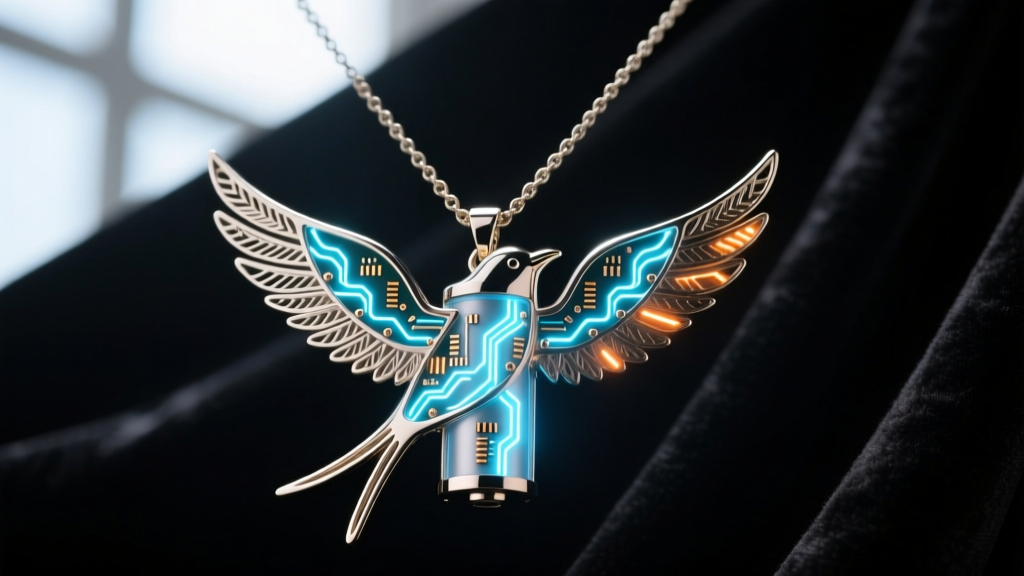
The Electronic Jewelry Paradigm Shift
The modern jewelry landscape has seen a massive surge in hybrid wearable art, and the battery bird necklace stands out as a premier example of this fusion. Whether your piece features a kinetic, motor-driven avian silhouette or an illuminated pendant powered by micro-LEDs, it represents a delicate marriage of traditional metallurgy and micro-electronics. However, this hybrid nature creates a unique care paradox. While the outer shell may be crafted from 925 sterling silver, 18k gold vermeil, or enameled brass, the internal printed circuit board (PCB) and micro-solder joints are highly vulnerable to standard jewelry cleaning methods.
In 2026, as smart jewelry and kinetic pendants become more prevalent, understanding the specific maintenance protocols for electronic jewelry is critical. According to the Gemological Institute of America (GIA), traditional gemstone and metal care often involves ultrasonic baths, steam, and chemical solvents. Applying these methods to a battery bird necklace will result in catastrophic, irreversible failure. This guide provides a comprehensive, expert-level framework for cleaning, maintaining, and troubleshooting your electronic avian pendant without compromising its internal architecture.
Anatomy of a Kinetic Avian Pendant
Before applying any cleaning agent, you must understand the material boundaries of your necklace. A standard battery bird necklace consists of three distinct zones, each requiring a different approach:
- The Outer Shell: Typically sterling silver, brass, or gold-plated alloy. This is the only area that can tolerate mild metal polishes, provided they do not seep into the seams.
- The Optics & Enclosure: Often made of optical-grade acrylic, sapphire crystal, or enameled glass. These protect the internal components and are highly sensitive to ammonia and alcohol-based solvents, which can cause micro-crazing or clouding.
- The Electronic Core: Housing the lithium coin cell, copper wiring, neodymium micro-magnets, and PCB. This zone must remain completely isolated from moisture and chemical vapors.
Surface & Shell Cleaning Protocols
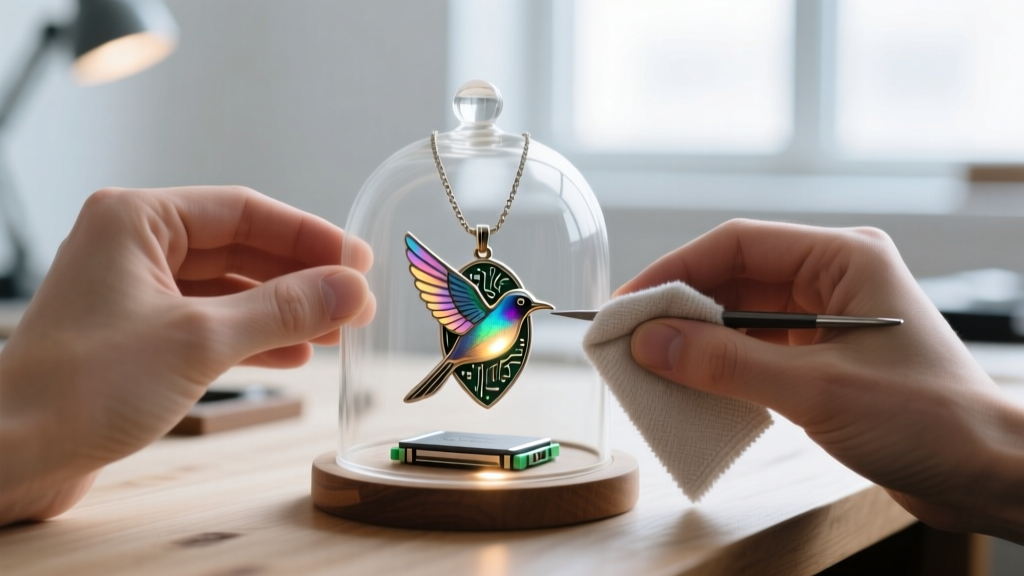
Routine maintenance of your battery bird necklace should be entirely mechanical and dry. Moisture is the primary enemy of the micro-motors and LED diodes housed within the pendant.
Step-by-Step Dry Cleaning
- Power Down: If your pendant features an active switch, ensure it is in the 'off' position to prevent accidental battery drain or short-circuiting during handling.
- Microfiber Wiping: Use a pristine, lint-free optical microfiber cloth to gently buff the metallic wings and outer casing. This removes sebum (skin oils) and environmental dust.
- Detailing Crevices: For intricate metallic feathers or gears, use a soft-bristled makeup brush or a can of compressed air (held at least six inches away) to dislodge particulate matter. Never use toothpicks or metal needles, as these can scratch the plating or puncture the moisture-seal gaskets.
- Spot Treatment: If the metal shell has severe tarnish, apply a minuscule amount of non-abrasive silver polish to a cotton swab. Carefully dab the metal, strictly avoiding the battery compartment seam and the acrylic viewing dome. Immediately buff away all residue with a clean cloth.
Battery Compartment & Contact Maintenance
The most common point of failure in electronic jewelry is galvanic corrosion at the battery contacts. Most high-end battery bird necklaces utilize 3V lithium coin cells, typically the CR1220 or the slightly thinner CR927. While Battery University notes that lithium cells have excellent shelf lives, the physical contacts inside the jewelry are prone to degradation.
Understanding Contact Corrosion
Human skin naturally secretes oils containing salts and mild acids. When you handle the battery or the pendant, these residues transfer to the gold-plated copper contacts. Over time, this creates a high-resistance layer that causes voltage drops, resulting in dim LEDs or sluggish kinetic movement. Furthermore, if a battery is left in the pendant for years, it may leak potassium hydroxide, a caustic alkaline compound that will rapidly destroy the PCB traces.
| Component | Material/Type | Safe Cleaning Agent | Risk Level |
|---|---|---|---|
| Outer Shell | Sterling Silver / Brass | Dry Microfiber | Low |
| Acrylic Dome | Optical Grade Polymer | 99% Isopropyl Alcohol | Medium (Crazing) |
| Battery Contacts | Gold-Plated Copper | Fiberglass Scratch Pen | High (Short Circuit) |
| Micro-Motor | Neodymium / Copper Coil | Compressed Air Only | Critical (Seizing) |
Restoring Battery Contacts
If your pendant exhibits intermittent power, the contacts likely need cleaning. Do not use liquid cleaners inside the compartment. Instead, use a fiberglass scratch pen. Gently twist the pen to expose a few millimeters of the fiberglass bristles and lightly brush the metal contact points until they shine. Follow this by blowing away the fiberglass dust with compressed air. If you suspect alkaline battery leakage (indicated by a white, crusty residue), you can neutralize it with a micro-swab barely dampened with white vinegar, followed immediately by a swab of 99% isopropyl alcohol to displace the moisture.
Battery Replacement Best Practices
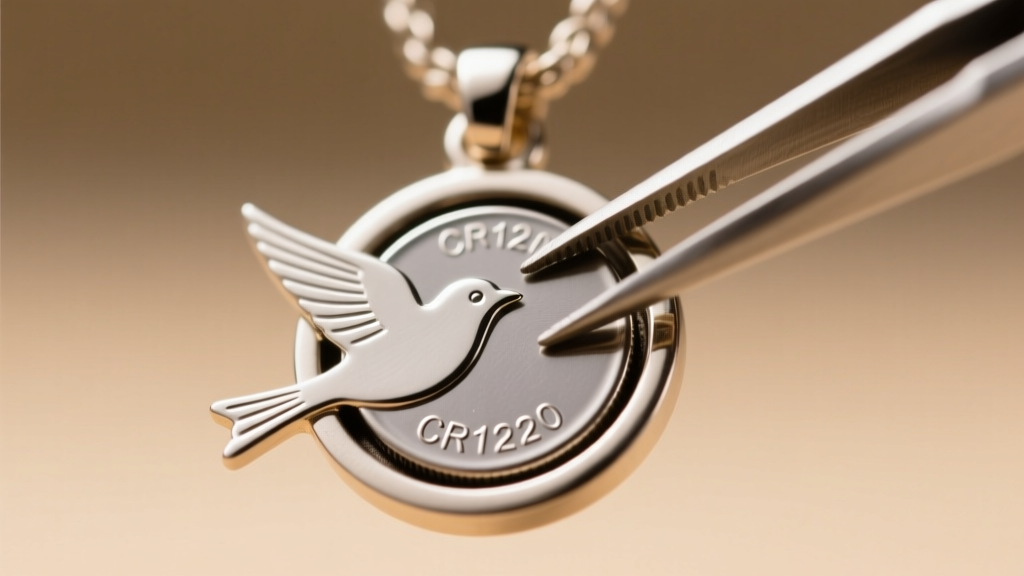
Replacing the battery in a battery bird necklace requires precision and an understanding of lithium cell chemistry. Never touch the flat surfaces of a new CR1220 or CR927 battery with your bare fingers. The oils from your fingertips will create localized hot spots on the battery casing, leading to uneven discharge and a shortened lifespan.
- Always use silicone-tipped tweezers or wear powder-free nitrile gloves when handling the replacement cell.
- Ensure the polarity is correct before sealing the compartment. Forcing a battery in upside down can instantly blow the micro-fuse on the internal PCB.
- If your pendant uses a screw-down backplate, ensure the rubber O-ring gasket is properly seated in its groove to maintain the pendant's IP54 splash-resistance rating. According to the International Electrotechnical Commission (IEC), IP54 protects against splashing water, but it is not waterproof.
The 'Never Do This' List: Electronic Jewelry Killers
To preserve the functional integrity of your battery bird necklace, you must completely abandon traditional jewelry cleaning habits. The following methods will instantly ruin your piece:
- Ultrasonic Cleaners: The high-frequency cavitation bubbles generated by ultrasonic baths will shatter micro-solder joints, detach LED diodes, and strip the enamel coating from the metallic wings.
- Steam Cleaners: The intense heat and pressurized moisture will melt the industrial adhesives holding the acrylic dome in place, forcing water directly into the electronic core.
- Silver Dips & Chemical Baths: Acidic tarnish removers will seep into the battery compartment, corroding the copper wiring and destroying the micro-motor coils.
- Submersion in Water: Even if your necklace claims to be water-resistant, the dynamic pressure of swimming or showering will compromise the microscopic gaskets over time.
Long-Term Storage & Component Preservation
How you store your battery bird necklace is just as important as how you clean it. If you do not plan to wear the pendant for more than 60 days, you must remove the battery. Lithium coin cells experience a slow self-discharge rate, and leaving them in a closed circuit for years guarantees eventual leakage and corrosion.
Store the pendant in an airtight anti-tarnish bag alongside a small silica gel desiccant packet to control ambient humidity. Keep the necklace in a padded jewelry box where the kinetic wings or delicate antennae will not be crushed by heavier pieces. By treating your battery bird necklace as a precision micro-electronic device rather than a standard piece of costume jewelry, you ensure that its mesmerizing movements and illuminations will function flawlessly for years to come.


