Baltic Amber Necklace Value Guide: Spotting Fakes & Fair Prices
Learn how to assess the true value of a Baltic amber necklace. We break down market pricing tiers, authentication tests, and how to spot cheap fakes.

The True Cost of Authentic Baltic Amber
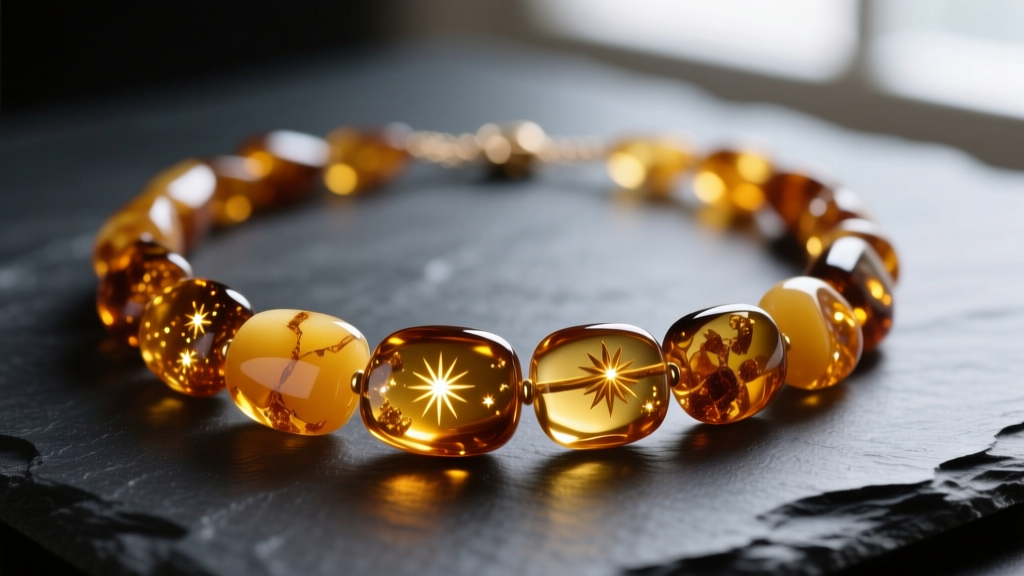
When evaluating a Baltic amber necklace, it is crucial to understand that you are not just buying jewelry; you are purchasing a 44-million-year-old piece of Earth's history. Genuine Baltic amber, scientifically known as Succinite, originated during the Eocene epoch from the now-extinct Pinus succinifera tree. Unlike gemstones mined from deep within the earth's crust, amber is an organic mineraloid primarily harvested from the shores of the Baltic Sea, particularly around Kaliningrad, Lithuania, and Poland.
The value of a Baltic amber necklace is not dictated by the traditional diamond 'Four Cs'. Instead, pricing is driven by weight (grams), color rarity, clarity, and the presence of prehistoric inclusions. Because amber is exceptionally lightweight (specific gravity of 1.05 to 1.10), a standard 18-inch necklace might only weigh 15 to 25 grams. However, the per-gram cost fluctuates wildly based on the bead's visual profile and the level of craftsmanship involved in the stringing and clasp assembly.
Market Pricing Matrix: What You Should Actually Pay
To avoid overpaying for commercial-grade material masquerading as gem-grade, use this pricing matrix as your baseline. These estimates reflect current market rates for authentic, untreated Succinite.
| Grade | Color Profile | Clarity & Features | Avg Price / Gram | 18" Necklace Est. |
|---|---|---|---|---|
| Commercial | Lemon, Cherry, Dark Cognac | Opaque, cloudy, heavily included with bark/dirt | $1.50 - $3.00 | $35 - $70 |
| Gem | Butterscotch, Golden, Clear Cognac | Translucent to transparent, minimal flaws | $4.00 - $9.00 | $90 - $200 |
| Collector | Any (often clear) | Verifiable insect, flora, or fauna inclusions | $20.00 - $100+ | $400 - $2,000+ |
Note: 'Butterscotch' (opaque yellow/white) is currently the most sought-after color in high-end jewelry, commanding a premium due to its scarcity and rich, matte finish.
The Fakes Flood: Copal, Plastic, and Glass
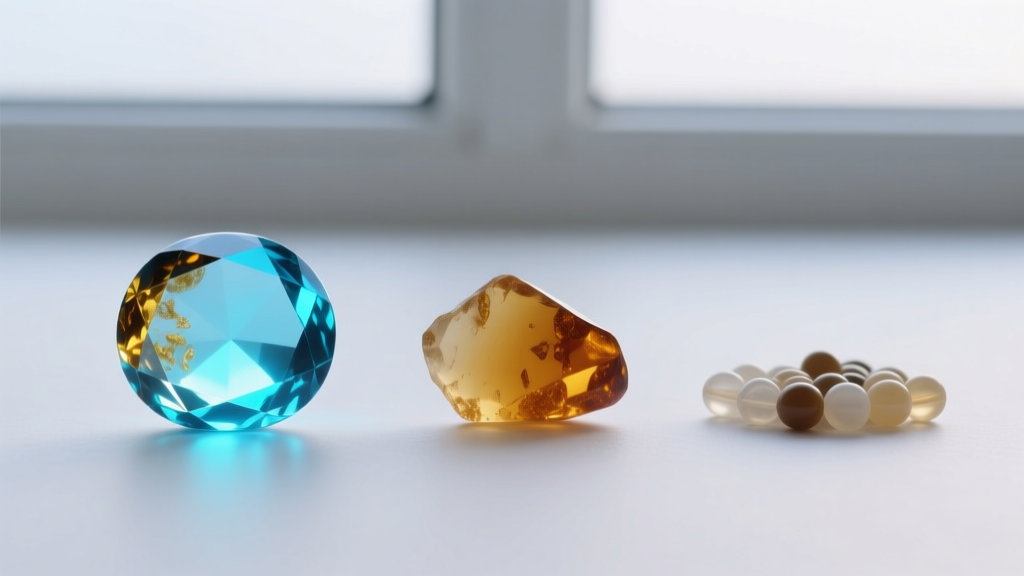
The market is saturated with counterfeit amber. According to the Gemological Institute of America (GIA), the most common imitations fall into three categories: Copal, modern polymers, and glass. Understanding the failure modes of these fakes is essential for any serious buyer.
1. Copal (Immature Resin)
Copal is often deceptively marketed as 'young amber'. While it is a natural tree resin, it is only hundreds or thousands of years old, not millions. Copal lacks the polymerization that makes Baltic amber durable. Failure mode: Copal melts at a much lower temperature (around 150°C compared to amber's 250°C+) and will become sticky or dissolve when exposed to acetone or rubbing alcohol. It also tends to craze (develop surface cracks) within a few years of wear.
2. Modern Polymers (Plastics)
Bakelite, celluloid, and modern polyester resins are frequently molded to mimic amber's inclusions and sun spangles. Failure mode: Plastics lack the electrostatic properties of genuine amber and will emit an acrid, chemical odor rather than a piney incense scent when heated.
3. Glass and Enamel
Colored glass is sometimes used to imitate the deep cherry or cognac hues of treated amber. Failure mode: Glass is cold to the touch, significantly heavier (specific gravity over 2.5), and will easily scratch genuine amber if the two are rubbed together.
At-Home Authentication Tests
Before finalizing a high-value purchase, employ these non-destructive and minimally destructive tests to verify your Baltic amber necklace.
- The Saltwater Float Test: Mix 7 grams of table salt into 100ml of warm water until fully dissolved. Genuine Baltic amber will float in this solution, while glass and most plastics will sink. Note: Copal will also float, so this test must be paired with others.
- UV Fluorescence: Under a standard 365nm UV blacklight, authentic Baltic amber will fluoresce a pale blue, green, or milky white. Copal glows a stark, chalky white, while plastic remains entirely 'dead' and non-fluorescent.
- The Electrostatic Test: Vigorously rub the amber beads against a soft wool cloth for 20 seconds. Genuine amber will build a static charge and easily pick up small torn pieces of tissue paper.
- The Hot Needle Test (Destructive): Heat a sewing needle until red hot and press it into an inconspicuous area (like the inside of a bead hole). Amber will smoke and smell like sweet pine or incense. Copal smells like burning pine sap but melts instantly into a sticky puddle. Plastic smells like burnt chemicals.
For a comprehensive breakdown of global amber standards and treatments, refer to the testing protocols outlined by the International Amber Association (IAA).
Evaluating Craftsmanship and Stringing Quality
The value of a Baltic amber necklace is heavily dependent on its structural integrity. A $200 gem-grade necklace is worthless if the stringing fails and the beads scatter across a hardwood floor. When assessing value, inspect the following craftsmanship markers:
Hand-Knotting
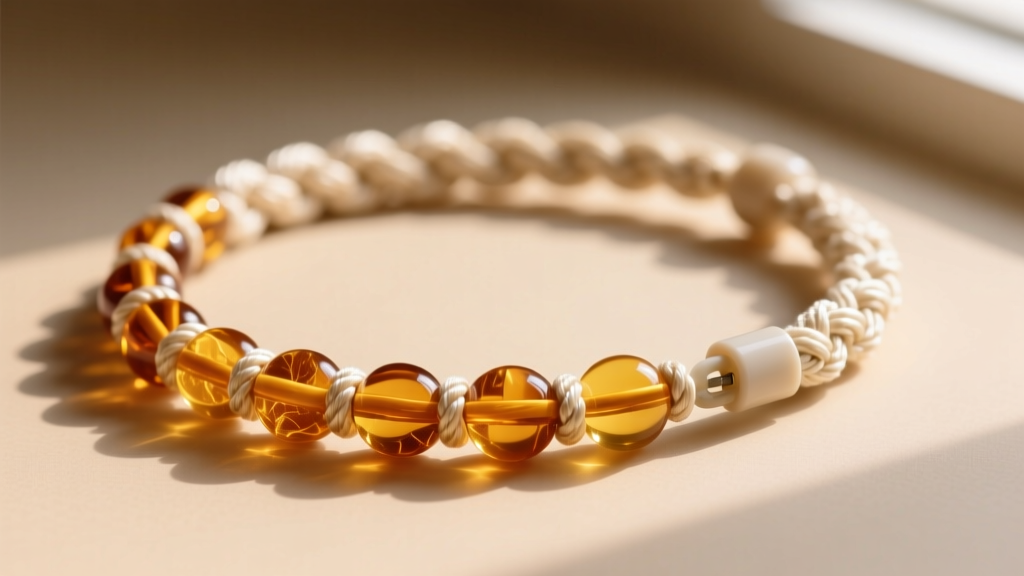
Every high-quality amber necklace must be individually hand-knotted between each bead. This serves two purposes: it prevents the beads from rubbing against each other (which can cause micro-abrasions on softer, opaque grades like butterscotch), and it ensures that if the cord snaps, you only lose a single bead rather than the entire strand.
Clasp Hardware and Safety Releases
If you are purchasing an amber teething necklace for a child, the clasp is a critical safety component. Never buy a teething necklace with a standard screw or barrel clasp. If the necklace is pulled, a barrel clasp will not yield, posing a severe strangulation hazard. High-value, safe teething necklaces utilize a plastic 'pop-clasp' or breakaway clasp engineered to snap open under 5 to 7 pounds of pressure. Furthermore, the cord should be made of knotted silk or high-tensile nylon, never cheap cotton that degrades with moisture and saliva.
Final Verdict: Is the Investment Worth It?
A genuine Baltic amber necklace is a highly rewarding investment, provided you buy from reputable sources and verify the material. Unlike trend-driven costume jewelry, high-grade Succinite holds its value and can be passed down as an heirloom. However, it requires specific maintenance: amber is relatively soft (2 to 2.5 on the Mohs scale) and can be damaged by harsh chemicals, perfumes, and prolonged exposure to direct, intense sunlight, which can cause the surface to oxidize and turn brittle over decades. By utilizing the pricing matrix and authentication tests above, you can confidently navigate the market, avoid overpriced fakes, and secure a piece of prehistoric artistry at a fair market value.