Splash Mermaid Necklace Trend Analysis: 2026 Style Guide
Explore the 2026 splash mermaid necklace trend. Discover material breakdowns, styling techniques, and expert care tips for aquatic jewelry.

The Evolution of the Splash Mermaid Necklace in 2026
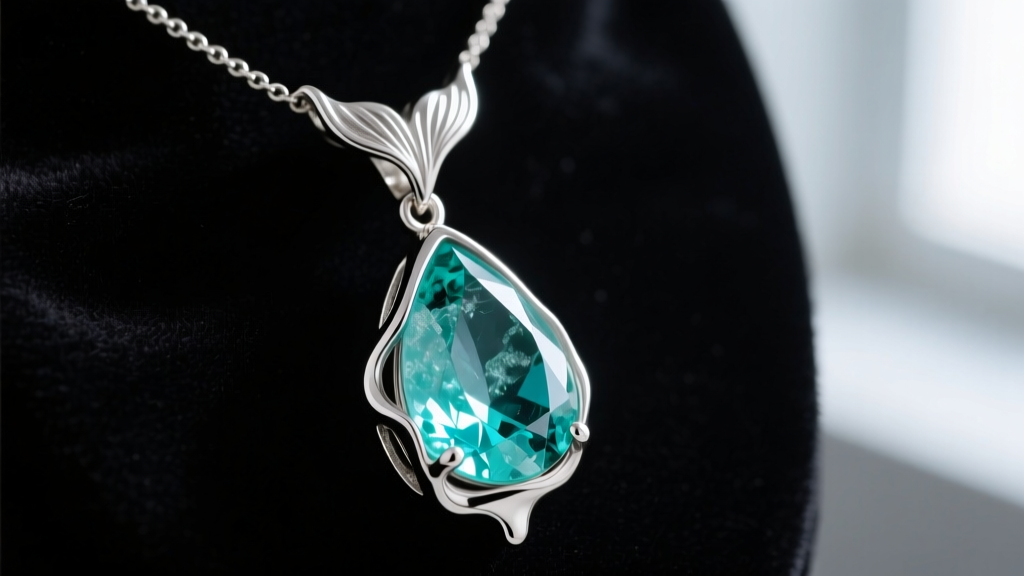
The jewelry landscape has shifted dramatically over the last few years. While 2023 was defined by the understated 'coastal grandmother' aesthetic and 2024 leaned into minimalist 'quiet luxury', 2026 has fully embraced 'aquatic surrealism'. At the forefront of this movement is the splash mermaid necklace—a design that merges fluid, water-like metalwork or resin 'splashes' with mythological marine elements like abalone, pearls, and aquamarine.
According to trend forecasters at Vogue Fashion, the modern consumer is seeking escapism through highly tactile, fantasy-driven accessories. The splash mermaid necklace perfectly captures this zeitgeist, offering a wearable piece of the ocean that feels both organic and meticulously crafted. But as this niche aesthetic moves from indie Etsy creators to mainstream luxury houses, understanding the material science and construction quality behind these pieces is critical for both collectors and casual buyers.
Anatomy of a Splash Mermaid Pendant
A true splash mermaid necklace relies on the tension between chaos (the splash) and structure (the mermaid motifs). The execution of these two elements dictates the piece's longevity, price point, and overall aesthetic.
The 'Splash' Element: Resin vs. Enamel vs. Glass
The 'splash' effect is typically achieved through one of three mediums, each with distinct physical properties and failure modes:
- Epoxy Resin: The most common medium in the $30–$80 price bracket. Artisans use a 2:1 mixing ratio to create fluid, translucent water effects. However, standard epoxy is highly susceptible to UV degradation. Without the addition of HALS (Hindered Amine Light Stabilizers), resin splashes will yellow and become brittle within 6 to 12 months of regular sun exposure.
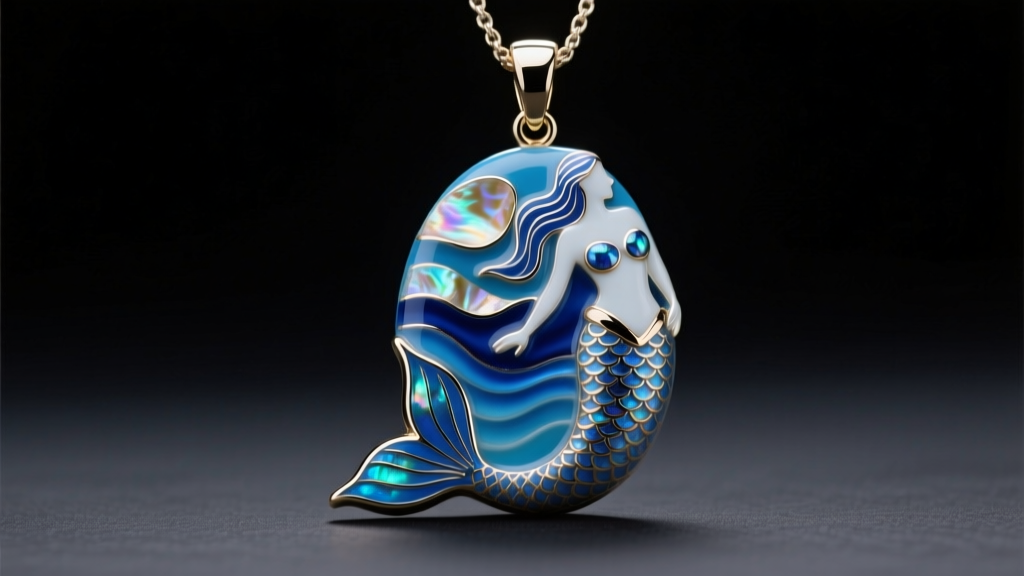
- Vitreous Enamel: Found in mid-tier to luxury pieces, vitreous enamel is essentially powdered glass fused to a metal base (usually sterling silver or copper) at extreme temperatures of 1400°F (760°C). It offers a brilliant, non-porous 'splash' that will never yellow, though it can chip if subjected to hard, direct impacts.
- Kiln-Fused Dichroic Glass: Used by high-end indie jewelers, dichroic glass mimics the light-shifting scales of a mermaid's tail. It is cut and fused in a kiln, resulting in a heavy, highly refractive splash element that requires a sturdy 2.0mm rope chain to support its weight.
Mermaid Motifs: Beyond Basic Shells
In 2026, the 'mermaid' aspect of the design has evolved past generic scallop shells. The Gemological Institute of America (GIA) notes a massive spike in demand for aquamarine, the quintessential siren stone. High-quality splash mermaid necklaces now feature lab-grown aquamarine (Type I clarity, eye-clean) set within the 'splash' prongs. Additionally, jewelers are utilizing AAA-grade freshwater pearls for their high luster and thick nacre, alongside ethically sourced New Zealand paua (abalone) shell, which provides an iridescent, oil-slick finish that mimics deep-sea bioluminescence.
2026 Market Tier Comparison Chart
When shopping for a splash mermaid necklace, the market is distinctly segmented. Use this framework to evaluate pricing against material integrity.
| Market Tier | Price Range | Primary Materials | Chain & Findings | Longevity & Value |
|---|---|---|---|---|
| Fast Fashion | $20 - $45 | Zinc alloy, acrylic resin, plastic pearls | 0.8mm cable chain, spring ring clasp | Low; prone to tarnish and resin yellowing within months. |
| Mid-Tier Indie | $80 - $180 | Recycled 925 silver, UV-stabilized resin, freshwater pearls | 1.2mm cable chain, 5mm lobster clasp | High; excellent daily wear if kept out of chlorinated water. |
| Fine Luxury | $450 - $1,200+ | 14k/18k solid gold, vitreous enamel, lab-grown aquamarine | 1.5mm rope chain, secure lobster clasp | Heirloom; enamel and solid gold are impervious to water damage. |
Styling the Splash Mermaid Aesthetic
The splash mermaid necklace is inherently a statement piece, but its fluid lines make it incredibly versatile for layering. The key to styling aquatic jewelry in 2026 is balancing the organic, asymmetrical shapes of the pendant with structured, minimalist companion chains.
Neckline Pairings & Layering Techniques
To avoid a cluttered neckline, adhere to the 'Rule of Four'—maintaining at least a 4-inch gap between layered necklaces.
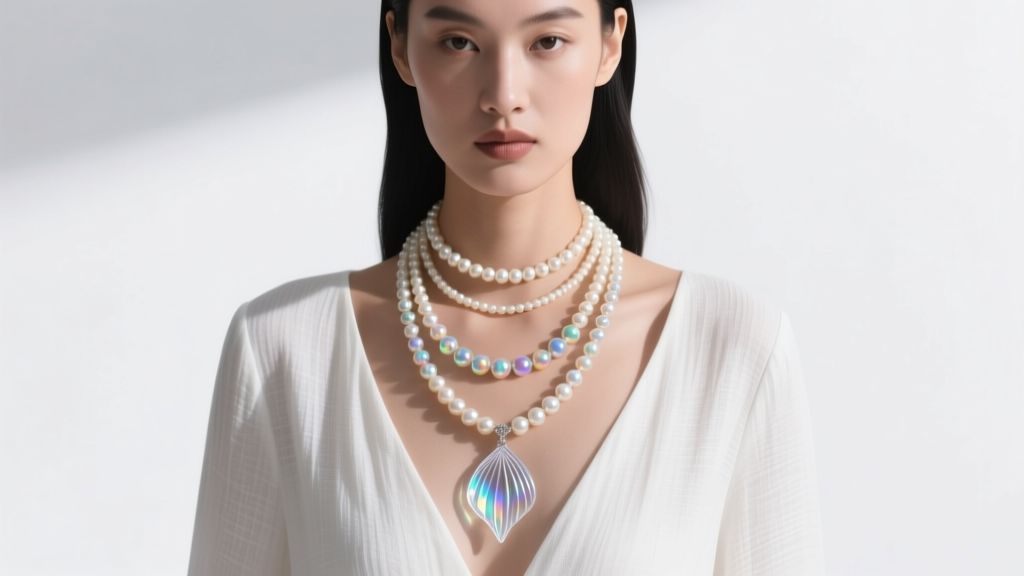
- The Base Layer (14-16 inches): Start with a delicate 1.0mm sterling silver box chain or a simple strand of 4mm AAA freshwater pearls. This frames the collarbone and provides a clean backdrop.
- The Focal Point (20-22 inches): This is where your splash mermaid necklace sits. A 20-inch length allows the pendant to rest perfectly on the sternum, drawing the eye downward and elongating the neck.
- The Anchor (26 inches): For a bohemian, deep-sea diver look, add a 26-inch oxidized silver rope chain with a simple, heavy geometric toggle clasp. The dark, oxidized metal contrasts beautifully with the bright blues and greens of the mermaid splash.
Pro Tip: Splash mermaid necklaces look best against natural, textured fabrics like raw linen, crochet, or heavyweight cotton. Avoid pairing them with high-sheen synthetics or busy, patterned silks, which will compete with the iridescence of the abalone and aquamarine elements.
Care and Maintenance: Preventing Resin Yellowing and Tarnish
Aquatic-themed jewelry often tempts wearers to take it into the ocean or pool, but water exposure is the enemy of most mid-tier splash mermaid necklaces. Here is an expert troubleshooting guide for maintaining your piece:
- Combatting Silver Sulfide Tarnish: If your pendant features a sterling silver 'splash' setting, exposure to sulfur in the air and water will cause black tarnish. Store the necklace in an anti-tarnish cloth pouch with a 3M anti-tarnish strip. Never use harsh silver dips, as they will strip the patina and permanently cloud any resin or porous abalone inlays.
- Preventing Resin Clouding: If your splash element is made of epoxy resin, avoid all contact with DEET-based insect repellents, sunscreen, and perfume. The chemical solvents in these products will break down the resin's surface, causing irreversible clouding and micro-scratches.
- Protecting Abalone and Pearls: Abalone shell is organic and relatively soft (Mohs hardness of 2.5 to 3.5). Always put your splash mermaid necklace on after applying makeup and hairspray, and wipe it down with a damp, lint-free microfiber cloth before storing it to remove acidic skin oils that can degrade the pearl nacre over time.
Final Verdict on the Aquatic Trend
The splash mermaid necklace is more than a fleeting micro-trend; it represents a broader cultural shift towards nature-inspired, emotionally resonant jewelry. By understanding the material differences between UV-stabilized resins and vitreous enamels, and by properly layering these pieces with complementary chains, you can invest in aquatic jewelry that remains captivating and structurally sound for years to come. Whether you opt for a lab-grown aquamarine luxury piece or a hand-poured indie resin splash, the siren call of this 2026 staple is undeniable.


