The Anatomy of a Silver Beaded Necklace: Technical Guide
Discover the technical anatomy of a silver beaded necklace. Explore sterling grades, stringing tension, bead hole metrics, and clasp failure modes.

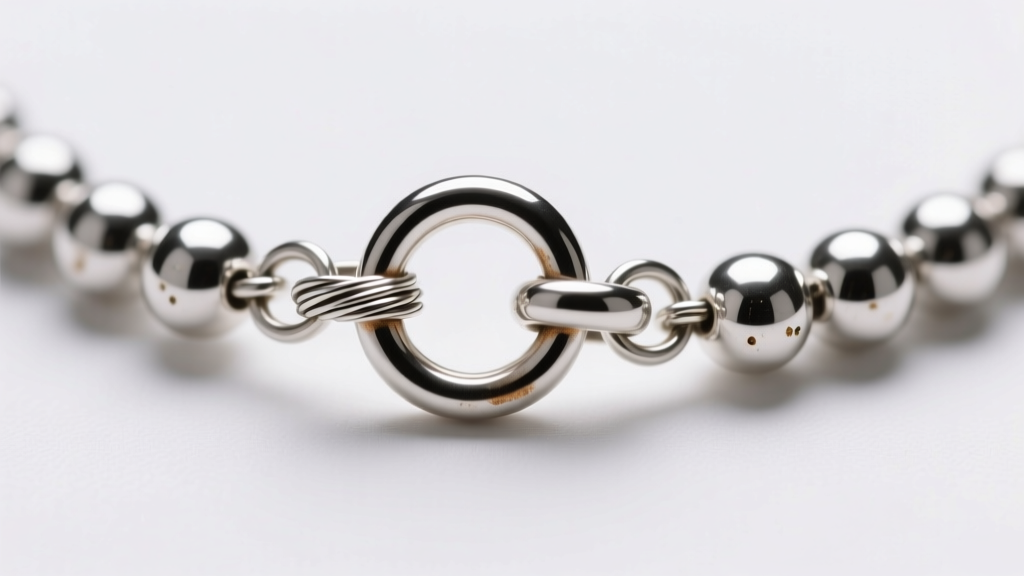
When evaluating a high-quality silver beaded necklace, most consumers focus solely on the aesthetic arrangement of the beads. However, from a jewelry engineering perspective, the true value and longevity of the piece are dictated by its structural anatomy. A beaded necklace is a dynamic tension system, subject to friction, tensile stress, and environmental degradation. In this expert deep dive, we deconstruct the metallurgy, stringing physics, and mechanical tolerances that separate a master-crafted silver beaded necklace from a fragile, mass-produced accessory.
The Metallurgy of Silver Beads: Hardness and Friction Wear
Not all silver is created equal, and the specific alloy used for beads drastically impacts how the necklace withstands daily wear. According to the Gemological Institute of America (GIA), pure silver is highly malleable but structurally inadequate for jewelry that experiences bead-on-bead friction.
Vickers Hardness (HV) and Alloy Composition
- Fine Silver (999): With a Vickers Hardness of roughly 25 HV, fine silver is exceptionally soft. While it boasts the highest tarnish resistance, fine silver beads will quickly develop flat spots and friction wear marks where they rub against one another.
- Sterling Silver (925): Alloyed with 7.5% copper, sterling silver jumps to approximately 65 HV. This provides the necessary structural integrity for beads to maintain their spherical or faceted geometry over decades of wear. However, the copper content introduces a vulnerability to copper sulfide tarnish.
- Argentium Silver (935/960): By replacing a portion of the copper with germanium, Argentium silver achieves a hardness of around 75 HV. More importantly, the germanium reacts with oxygen to form a transparent, self-healing germanium dioxide layer on the surface, making it highly resistant to tarnish without requiring rhodium plating.
For a premium silver beaded necklace, Argentium or heavily work-hardened sterling silver are the optimal choices to balance durability with luster retention. The Silver Institute notes that proper alloying is critical for maintaining the reflective properties of silver while ensuring it survives mechanical stress.
Stringing Mediums: Tensile Strength and Abrasion Resistance
The stringing material is the central nervous system of any beaded necklace. Using the wrong medium will result in catastrophic failure, often within the first year of wear. The choice of stringing material must be matched to the weight of the silver beads and the sharpness of the drill holes.
| Stringing Material | Tensile Strength | Abrasion Resistance | Best Technical Application |
|---|---|---|---|
| 49-Strand Micro-Wire (0.018") | ~20 lbs | Exceptional | Heavy silver beads, faceted edges, high-tension designs. |
| Thermally Bonded Polyethylene | ~10 lbs | High | Medium-weight beads, designs requiring high drape and knotting. |
| Traditional Silk Thread (Size F) | ~4 lbs | Low | Lightweight, smooth-holed beads where maximum fluidity is required. |
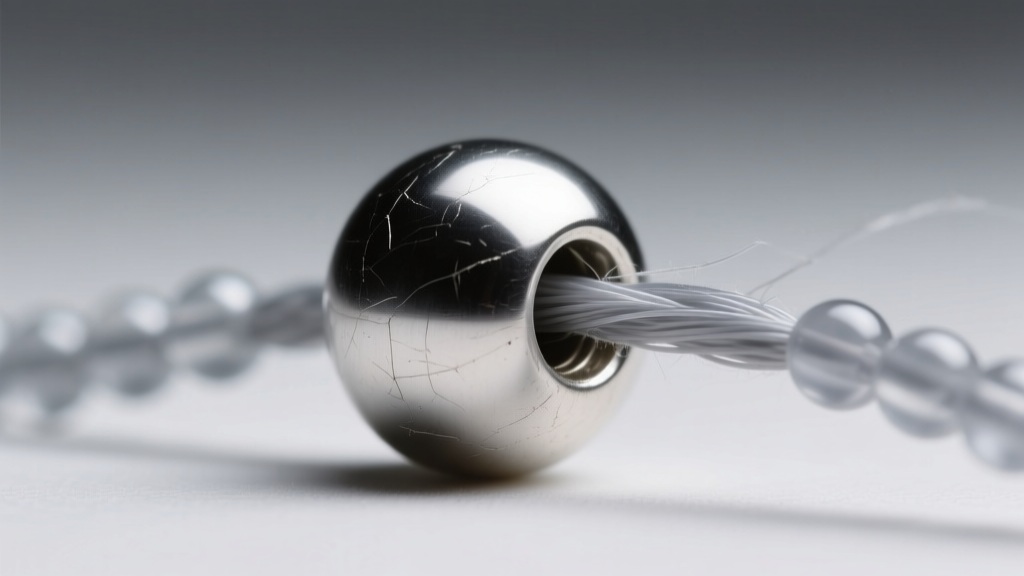
While silk is traditional, it is highly susceptible to degradation from moisture, UV exposure, and the acidic pH of human skin. For modern silver beaded necklaces, 49-strand stainless steel micro-wire coated in nylon is the industry standard for structural integrity. It provides a fluid drape that mimics thread but possesses the tensile strength to support heavy solid sterling silver beads without stretching or snapping.
Bead Hole Metrics and Drilling Tolerances
A frequently overlooked aspect of necklace engineering is the bead hole diameter and its relationship to the stringing medium and crimping hardware. Mass-produced silver beads often feature inconsistent mechanical drilling, resulting in jagged interior edges that act like microscopic saws against stringing wire.
Standard Hole Sizes and Wire Compatibility
- 0.5mm - 0.8mm Holes: Typically found on delicate, lightweight silver beads. These restrict the jeweler to single-strand nylon or fine silk, as standard beading wire will not pass through, or will leave insufficient room for a crimp bead.
- 1.0mm - 1.2mm Holes: The ideal tolerance for 0.018" (0.46mm) 49-strand beading wire. This allows the wire to pass through twice (for a secure crimp loop) while leaving enough clearance to prevent stress fracturing at the bead's equator.
- 1.5mm+ Holes: Necessary for heavy, large-diameter silver beads. When using large holes, jewelers must employ wire guardians (French wire) and appropriately sized 2.5mm or 3mm tube crimps to ensure the wire does not slip through the crimp under dynamic load.
Expert Insight: Always inspect the interior of a silver bead's drill hole under 10x magnification. If the hole exhibits a 'blowout' or jagged edge on the exit side, it must be reamed or lined with a microscopic bead of clear jewelers epoxy to prevent it from shearing the nylon coating off your beading wire.
Clasp Engineering and Dynamic Failure Points
The clasp assembly is the most common point of catastrophic failure in a silver beaded necklace. The dynamic load placed on a clasp when a necklace catches on a sweater or is pulled accidentally can easily exceed 5 to 8 pounds of instantaneous lateral force.
The Danger of Open Jump Rings
Many commercial necklaces rely on standard open jump rings to connect the lobster clasp to the beading wire. Even a thick 18-gauge open sterling silver jump ring will deform and pull apart under just 2.5 pounds of lateral tension. In high-end jewelry construction, all jump rings connecting the clasp to the structural wire must be soldered closed. Alternatively, a closed-loop wire guard or a heavy-duty soldered end-cap should be used to terminate the beading wire.
Clasp Mechanics
- Lobster Clasps: Reliable, but the internal steel spring can fail if exposed to moisture and skin oils over time. Ensure the lever action is smooth and the closure is flush.
- Toggle Clasps: Excellent for heavy silver beaded necklaces. The weight of the beads keeps the T-bar securely seated in the ring. The technical requirement is that the T-bar must be at least 20% wider than the inner diameter of the receiving ring to prevent slippage.
- Magnetic Clasps: Convenient, but neodymium magnets can lose their holding force if subjected to high heat (such as in an ultrasonic cleaner). They are not recommended for heavy, high-value silver beads due to the risk of shear-force detachment.
Maintenance: Tarnish Kinetics and Ultrasonic Risks
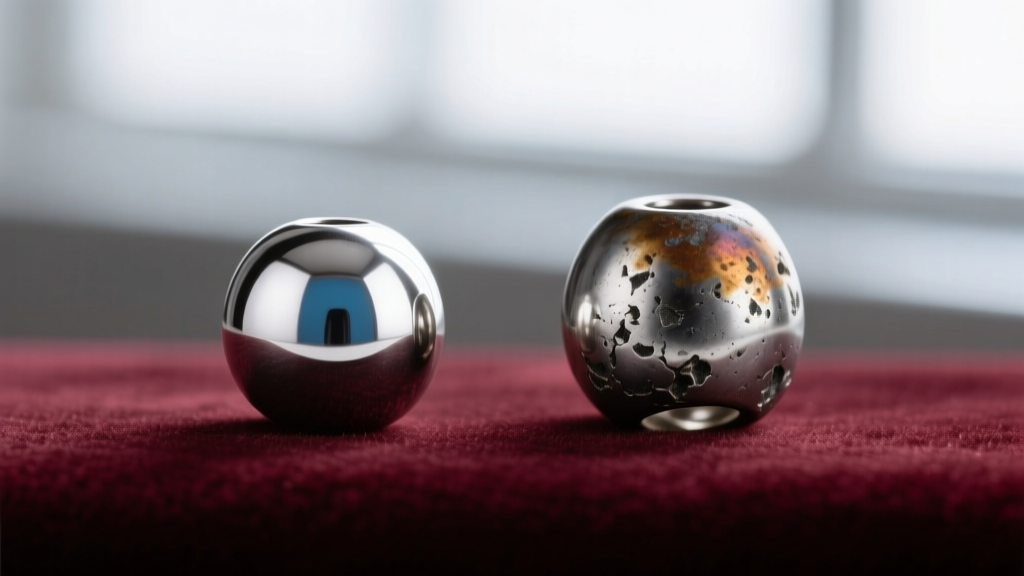
Silver tarnish is not a defect; it is a predictable chemical reaction. The copper in sterling silver reacts with hydrogen sulfide in the atmosphere to form copper sulfide, the black layer seen on neglected jewelry. While ultrasonic cleaners are excellent for diamond and platinum, they pose a severe risk to silver beaded necklaces.
The high-frequency cavitation bubbles in an ultrasonic bath can work their way into the microscopic gaps between the stringing wire and the crimp bead, effectively shaking the crimp loose over time. Furthermore, if the silver beads are oxidized (intentionally darkened in the recesses for contrast), an ultrasonic cleaner combined with harsh chemical dips will strip the patina, leaving the beads flat and lifeless. For routine maintenance of a silver beaded necklace, a dry, untreated microfiber polishing cloth is the safest and most effective tool to remove surface silver sulfide without compromising the structural integrity of the stringing medium or the bead's intentional oxidation.
By understanding the metallurgy, tensile physics, and mechanical tolerances detailed above, you can accurately evaluate the true craftsmanship of any silver beaded necklace, ensuring your investment is as structurally sound as it is visually stunning. For further reading on jewelry manufacturing standards, the Fire Mountain Gems Encyclopedia offers extensive technical data on stringing and crimping methodologies.


