Was the Necklace From the Titanic Real? Heart of the Ocean Facts
Discover if the Heart of the Ocean necklace from the Titanic was real. Explore the movie props, historical inspirations, and how to buy replicas.

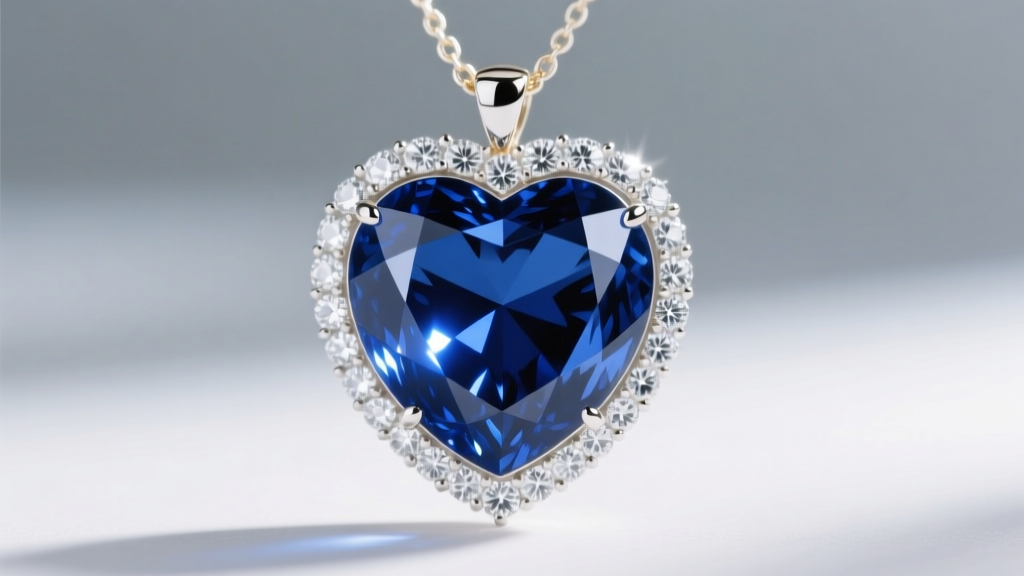
The Short Answer: Fiction Meets High Jewelry
When jewelry enthusiasts and film buffs alike ask, "was the necklace from the titanic real?", the answer requires a fascinating journey through cinematic history, gemology, and high jewelry craftsmanship. The short answer is no: the "Heart of the Ocean" as a historical artifact from the 1912 Titanic disaster is entirely fictional. It was conceived by director James Cameron as a plot device for the 1997 blockbuster. However, the physical necklaces created for the film were very real, and the gemstone that inspired the fictional diamond has a rich, documented history. Furthermore, the cultural impact of the film birthed multi-million-dollar real-world replicas that blur the line between Hollywood prop and haute joaillerie.
The Cinematic Origin: Asprey & Garrard’s Movie Prop
To understand the physical necklace seen on screen, we must look to Asprey & Garrard, the historic London-based crown jeweler. The studio commissioned them to create the Heart of the Ocean. The original, highly valuable prop featured a 171-carat blue sapphire (not a blue diamond, despite the film's dialogue) surrounded by 109 carats of brilliant white diamonds, set in platinum and white gold.
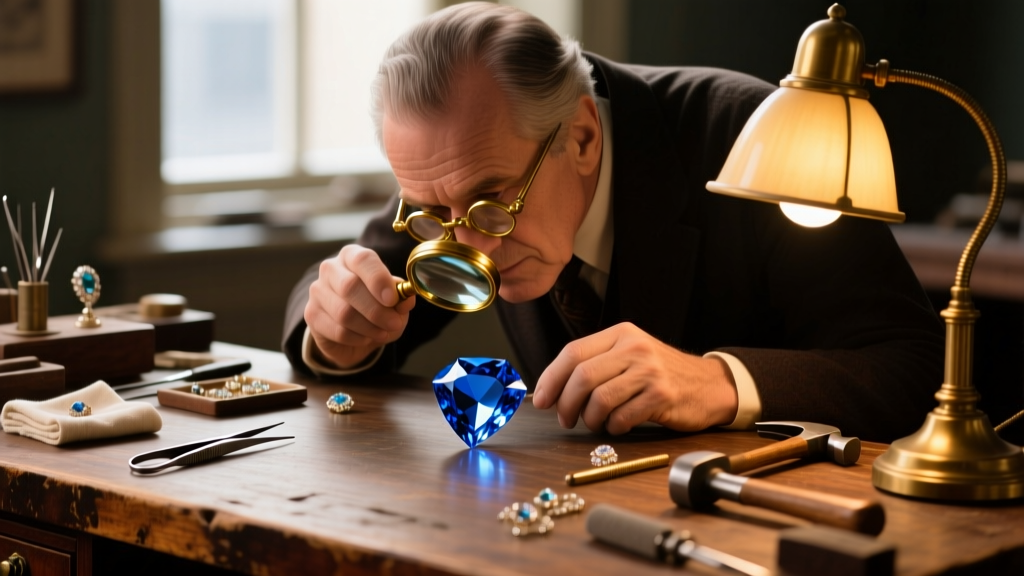
However, filming a $1.4 million bespoke necklace in massive, turbulent water tanks posed an unacceptable insurance risk. Therefore, the jewelry actually worn by Kate Winslet during the iconic water and sinking scenes was a meticulously crafted cubic zirconia and synthetic sapphire replica. The genuine Asprey & Garrard sapphire piece was only used for dry-land close-ups and promotional photography. This dual-prop strategy is a standard industry practice in high-budget cinema to protect irreplaceable assets.
The Real Historical Inspiration: The French Blue and Hope Diamond
While the necklace itself wasn't on the Titanic, its fictional backstory was heavily inspired by the Hope Diamond, one of the most famous gemstones in the world. In the film, the Heart of the Ocean is described as a massive blue diamond originally cut for Louis XVI. This mirrors the real-life "French Blue," a 69-carat blue diamond stolen during the French Revolution in 1792.
Gemological Breakdown: Blue Sapphire vs. Blue Diamond
Understanding the materials helps explain why the movie prop used a sapphire instead of a blue diamond, and what you should look for when buying a replica today.
- Blue Diamonds: Colored by trace amounts of boron during formation. They are exceptionally rare. A 171-carat blue diamond would be priceless (easily exceeding $250 million today). The Hope Diamond is only 45.52 carats.
- Blue Sapphires: Colored by iron and titanium. Large, high-clarity Ceylon or Kashmir sapphires are rare but obtainable for high jewelry houses. According to the Gemological Institute of America (GIA), sapphires rank a 9 on the Mohs hardness scale, making them highly durable for pendants, though they lack the adamantine brilliance of a diamond.
- Cubic Zirconia (CZ): The material used for the water scenes. It ranks 8-8.5 on the Mohs scale and has a higher dispersion (fire) than sapphire, but it lacks the deep, velvety color saturation of a fine natural sapphire.
The Post-Movie Masterpieces: When Fiction Became Reality
The cultural phenomenon of the film prompted real jewelers to create authentic, high-end versions of the necklace. The most famous was crafted by Harry Winston. To promote the film's 1998 Oscar nominations, Harry Winston designed a necklace featuring a 15-carat blue diamond and 36 carats of white diamonds.
"Gloria Stuart, who played the older Rose DeWitt Bukater, wore the $20 million Harry Winston Heart of the Ocean to the 1998 Academy Awards, making it one of the most expensive pieces of jewelry ever worn on the red carpet."
Additionally, the Celia jewelry company created a 135-carat blue sapphire version surrounded by diamonds, valued at over $3.5 million, which was exhibited globally, including at the Titanic Belfast museum.
Buying Guide: How to Choose a Heart of the Ocean Replica Today
As of 2026, the market for Heart of the Ocean replicas is vast, ranging from cheap costume jewelry to bespoke fine jewelry. If you want to purchase a piece that honors the cinematic legacy while maintaining structural integrity and gemological value, use the framework below.
Material Tiers and Pricing
| Tier | Center Gemstone | Accent Stones | Chain Metal | Price Range | Best For |
|---|---|---|---|---|---|
| Costume | Cubic Zirconia / Glass | CZ | Silver-plated Brass | $40 - $120 | Cosplay, single-use events |
| Semi-Fine | Lab-Grown Blue Sapphire | Lab-Grown Diamonds | 10k or 14k White Gold | $600 - $1,800 | Everyday wear, anniversary gifts |
| Fine Jewelry | Natural Ceylon Sapphire (Heated) | Natural Diamonds (VS/G) | 18k White Gold / Platinum | $4,500 - $15,000+ | Heirloom collectors, investors |
Expert Tip: When shopping for a lab-grown or natural sapphire replica, demand a gemstone with a "medium-dark" tone and "strong" saturation. Lighter sapphires will look washed out on camera and fail to replicate the deep, oceanic blue seen in the film. Avoid stones with heavy color zoning (uneven color distribution), which is common in poorly cut natural sapphires.
Chain Selection and Bail Mechanics
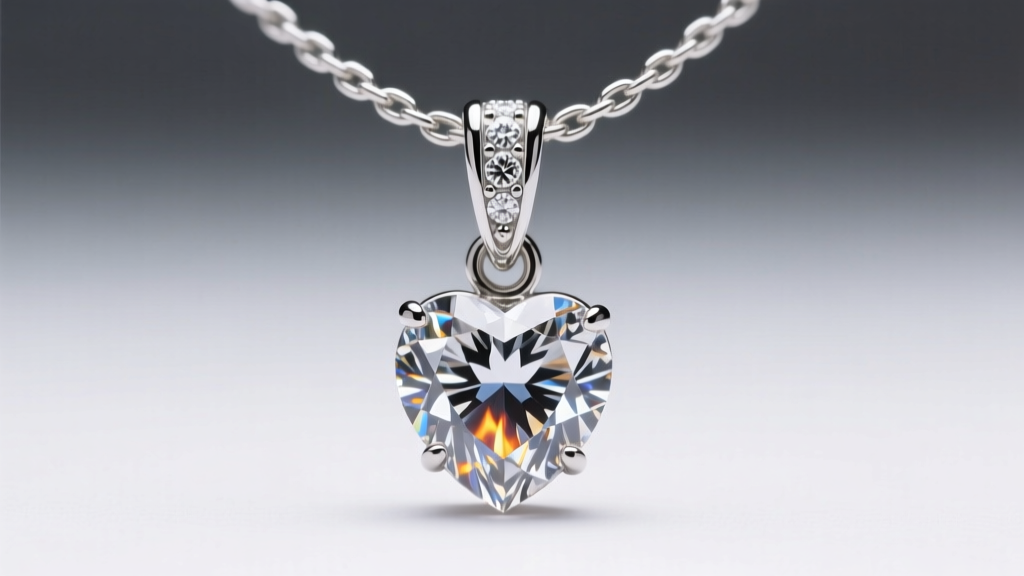
The true mark of a high-end Heart of the Ocean replica isn't just the stone; it's the hardware. In the film, the necklace appears to float on the skin because the chain threads seamlessly into the pendant. This is achieved using a hidden diamond-encrusted bail.
- The Bail: Avoid cheap replicas that use a visible, soldered jump ring at the top of the heart. A proper replica features a V-shaped or inverted-triangle bail paved with micro-prong-set diamonds. The chain passes directly through this hollow, diamond-covered loop.
- The Chain: To support the weight of a 5-to-10-carat center stone and diamond halo without stretching, opt for a 1.2mm to 1.5mm platinum or 18k white gold cable chain or box chain. Avoid snake chains, as they kink easily and cannot be repaired if crushed against the heavy pendant.
- The Clasp: Ensure the chain features a lobster clasp with a safety figure-8 catch. The weight of a sapphire and diamond pendant will easily pull a standard spring-ring clasp open over time.
Final Verdict for Jewelry Collectors
So, was the necklace from the Titanic real? The historical artifact is a myth, but the jewelry it inspired is very much a reality. Whether you are investing in a bespoke natural sapphire piece or opting for a durable lab-grown alternative for daily wear, understanding the gemological and structural nuances of the Heart of the Ocean ensures you purchase a replica that truly captures the magic, weight, and luxury of James Cameron's cinematic masterpiece.


