Alissa Violet Necklace Materials: Gold Vermeil vs Plated Brass
Discover the truth behind the Alissa Violet necklace materials. We compare gold vermeil, plated brass, and solid gold for lasting wear.

The Alissa Violet Necklace Trend: Aesthetics vs. Metallurgy
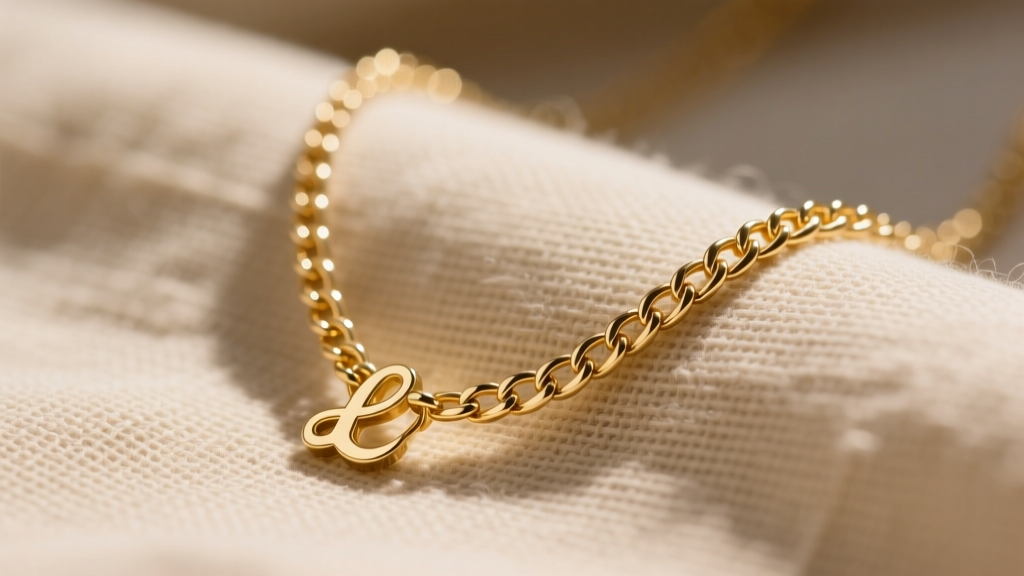
When influencer-led jewelry lines and celebrity-inspired aesthetics dominate social media feeds, the visual appeal often overshadows the fundamental metallurgy of the pieces. The highly sought-after Alissa Violet necklace trend—characterized by dainty cable chains, delicate initial pendants, and subtle evil eye motifs—has sparked a massive surge in consumer interest. However, as buyers rush to replicate this specific aesthetic, a critical question regarding material longevity is frequently ignored. What exactly are these necklaces made of, and how do those materials perform against the rigors of daily wear?
As a senior jewelry analyst, I frequently evaluate the gap between the visual promise of a trending necklace and its actual material composition. The market is currently saturated with pieces that look identical in a brightly lit photograph but possess vastly different lifespans, tarnish resistance, and skin reactivity. To make an informed purchasing decision in 2026, consumers must look past the influencer marketing and examine the base metals, plating thickness, and alloy compositions. In this comprehensive guide, we will deconstruct the materials typically used in the Alissa Violet necklace style and compare them against higher-tier alternatives.
Deconstructing the Base Metals and Plating
The dainty jewelry trend relies heavily on thin chain gauges, typically ranging from 1.0mm to 1.5mm in width. Because these chains use very little raw metal, manufacturers can utilize a variety of base materials while keeping retail prices accessible. Here is a deep dive into the three most common material categories you will encounter when shopping for this specific necklace style.
Gold-Plated Brass: The Fast Fashion Standard
The vast majority of entry-level influencer merchandise and fast-fashion jewelry is crafted from a brass base. Brass is an alloy of copper and zinc, chosen primarily for its low cost and excellent casting properties. In the case of a standard gold-plated brass Alissa Violet necklace, the manufacturing process involves “flash plating.” This means a microscopically thin layer of gold—usually less than 0.5 microns thick—is electroplated over the brass core.
While this provides a brilliant initial luster, flash plating offers virtually no structural longevity. The friction from clothing, combined with the natural acidity of human sweat, will wear through this microscopic gold layer in a matter of weeks. Once the brass core is exposed, the copper within the alloy reacts with oxygen and moisture, leading to rapid tarnishing and the dreaded “green skin” phenomenon. According to the Jewelers of America, brass-based costume jewelry is strictly intended for occasional, short-term wear and should never be exposed to water or lotions.
Gold Vermeil: The Mid-Tier Upgrade
For buyers seeking a step up from brass without committing to solid gold prices, gold vermeil (pronounced ver-may) is the industry standard for mid-tier dainty necklaces. Unlike standard plating, vermeil strictly requires a base of sterling silver (92.5% pure silver). Furthermore, regulatory bodies dictate that the gold plating must be at least 10k purity and a minimum of 2.5 microns thick.
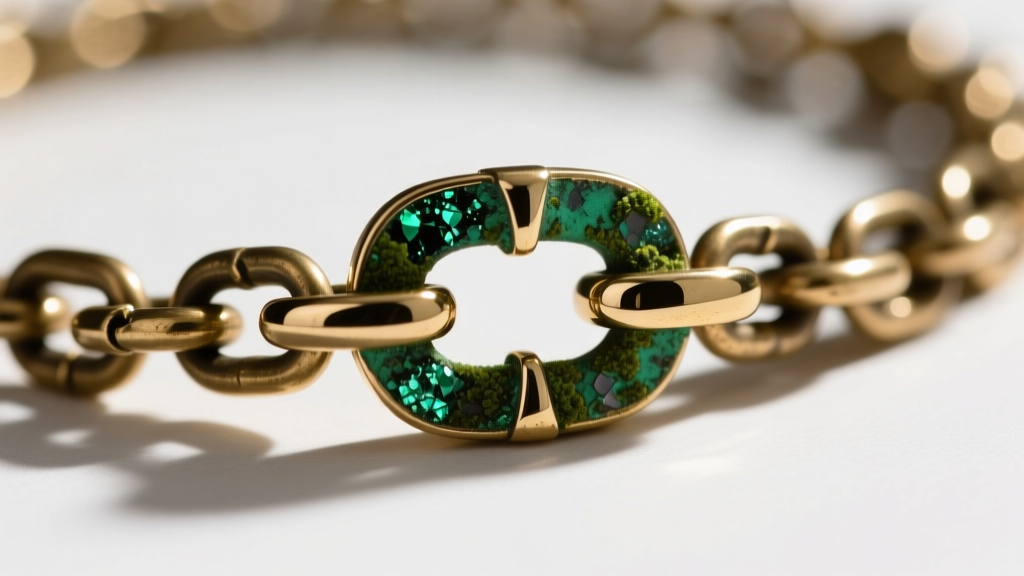
A high-quality vermeil Alissa Violet necklace will offer a significantly longer lifespan than its brass counterpart. The sterling silver base means that even when the gold layer eventually wears thin, the underlying metal will not turn your skin green. However, vermeil is still a plated product. The 2.5-micron gold layer will eventually succumb to friction, particularly on the delicate links of a dainty chain where metal rubs against metal. Proper care is mandatory to extend the life of vermeil pieces beyond the one-to-two-year mark.
Solid 14k Gold: The Investment Piece
At the apex of the material hierarchy is solid 14k gold. Composed of 58.5% pure gold alloyed with metals like silver, copper, and zinc for structural integrity, solid gold is homogeneous throughout. There is no plating to wear off, no base metal to tarnish, and no risk of skin discoloration. The Gemological Institute of America (GIA) notes that 14k gold provides the optimal balance between the rich color of pure gold and the tensile strength required for delicate, everyday chain necklaces. While a solid 14k gold version of the trending dainty pendant style will cost significantly more upfront, its cost-per-wear over a lifetime makes it the most economically sound choice for a signature piece.
The Chemistry of Tarnish and Skin Discoloration
Understanding why certain Alissa Violet necklace replicas fail requires a brief lesson in chemistry. The primary culprit behind jewelry-induced skin discoloration is copper oxidation. When a brass or low-karat copper-heavy alloy is exposed to the slightly acidic environment of human skin (which typically has a pH between 4.5 and 7.0), a chemical reaction occurs. The acids in your sweat, combined with environmental oxygen, cause the copper to form copper chloride or copper carbonate—both of which are green compounds that easily rub off onto the epidermis.
This reaction is accelerated by external factors. Applying polyurethane-based lotions, spraying perfume directly onto the neckline, or swimming in chlorinated pools will strip the protective gold plating at an exponential rate. If you are purchasing a gold-plated brass piece to replicate the influencer aesthetic, you must accept that it is essentially a temporary accessory with a built-in expiration date dictated by your body chemistry and environment.
Material Properties Comparison Chart
To help you evaluate the options available on the market, we have compiled a direct comparison of the material properties you will encounter when shopping for dainty initial or motif pendants.
| Material Type | Base Metal | Gold Layer Thickness | Tarnish Resistance | Expected Lifespan | Average Price Range |
|---|---|---|---|---|---|
| Gold-Plated Brass | Copper/Zinc Alloy | < 0.5 microns (Flash) | Very Low | 1 - 6 Months | $15 - $45 |
| Gold Vermeil | Sterling Silver (925) | ≥ 2.5 microns | Moderate to High | 1 - 3 Years | $60 - $150 |
| Solid 14k Gold | None (Homogeneous) | N/A (Solid throughout) | Exceptional | Lifetime / Heirloom | $250 - $600+ |
Actionable Care and Prevention Protocols
If you currently own a plated or vermeil Alissa Violet necklace and want to maximize its structural integrity and visual appeal, you must implement a strict maintenance protocol. Vague advice like “keep it away from water” is insufficient. Here are the exact steps professional jewelers recommend for preserving plated dainty chains:
- The Polish Protocol: Never use liquid silver dips or harsh chemical cleaners on vermeil or plated brass. These solutions will strip the gold layer instantly. Instead, use a dry, impregnated jeweler’s cloth (such as a Sunshine polishing cloth) to gently buff the surface. The micro-abrasives in the cloth remove early-stage oxidation without compromising the gold plating.
- Strategic Storage: Oxygen and ambient humidity are the enemies of base metals. Store your necklace in an airtight, UV-resistant ziplock bag. For maximum protection, place a 3M anti-tarnish strip inside the bag. These strips absorb airborne sulfur compounds before they can react with the underlying silver or copper base.
- The Friction Factor: Dainty chains suffer from inter-link friction. When wearing layered necklaces, ensure that the Alissa Violet pendant piece is spaced at least half an inch apart from other chains via varying lengths (e.g., 16 inches and 18 inches) to prevent the gold layers from literally sanding each other off.
- Chemical Avoidance: Apply all skincare, sunscreen, and fragrance at least 15 minutes before putting on your necklace. Allow the products to fully absorb and dry to prevent chemical bonding with the metallic surface.
Final Verdict: Which Material Should You Choose?
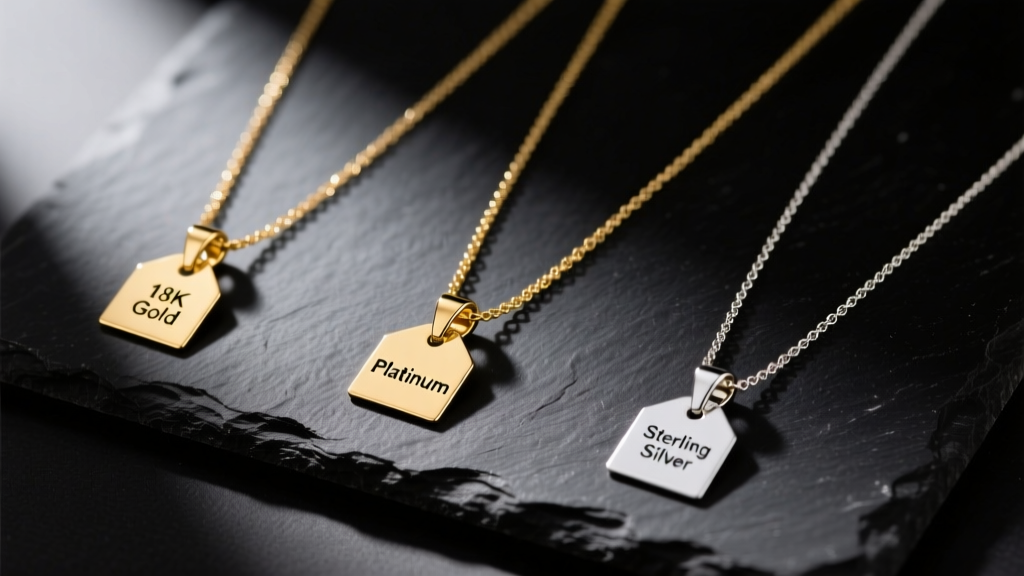
The allure of the Alissa Violet necklace aesthetic lies in its effortless, everyday elegance. However, true elegance requires longevity. If you are purchasing a piece for a specific event, a weekend vacation, or as a temporary trend experiment, a gold-plated brass option is financially logical, provided you accept its short lifespan.
For those who view jewelry as an extension of their daily personal uniform, gold vermeil offers a respectable middle ground, provided you are willing to adhere to strict care protocols. Ultimately, if you want a dainty chain and pendant that will survive daily showers, workouts, and years of continuous wear without losing its luster or turning your skin green, investing in solid 14k gold is the only metallurgically sound decision. As The Silver Institute and other industry authorities consistently highlight, understanding the material composition of your jewelry is the single most important factor in ensuring your investment stands the test of time.


