The Always Forever Necklace: 2026 Trend & Style Analysis
Explore the 2026 evolution of the always forever necklace. Discover layering frameworks, material upgrades, and styling tips for micro-chains.

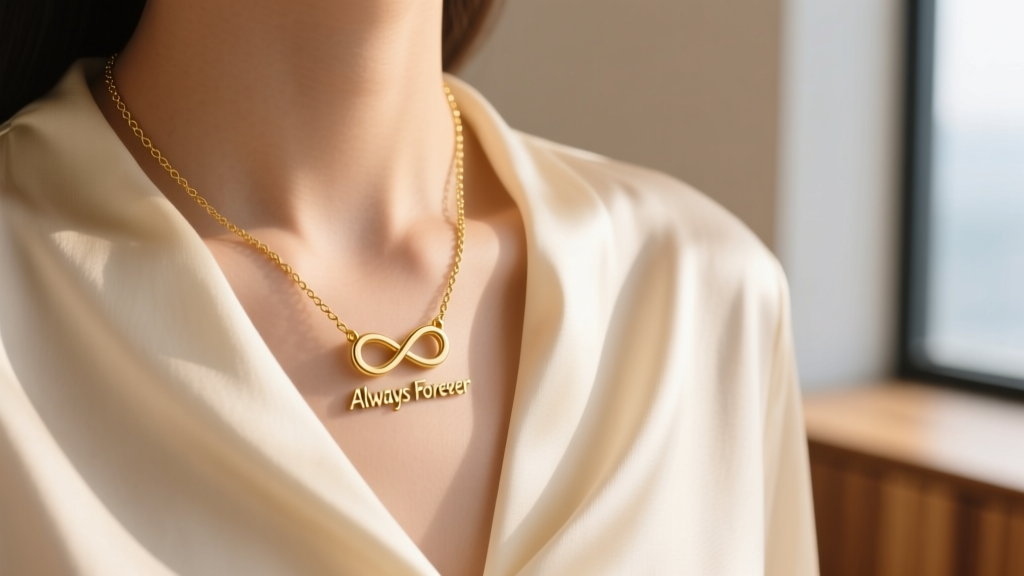
The delicate, sentimental jewelry market has undergone a massive transformation over the last decade. At the center of this shift is the always forever necklace—a micro-chain staple originally popularized in the early 2010s by brands like Dogeared, characterized by its ultra-fine chain and small, meaningful charm (often a sideways infinity symbol). While the early iterations were largely gold-dipped brass meant for temporary wear, the 2026 landscape tells a completely different story. Today, the always forever necklace has matured into an heirloom-quality minimalist anchor, serving as the foundational layer in complex, curated necklace stacks.
In this comprehensive style and trend analysis, we break down the material science, layering frameworks, and market pricing of the modern always forever necklace, giving you the exact specifications needed to invest in pieces that will actually last a lifetime.
The Evolution: From Fast Fashion to Heirloom Minimalism
To understand the 2026 trend, we must look at the failure modes of the past. The original always forever necklaces were typically crafted from brass or sterling silver and plated with a microscopically thin layer of gold. Over time, friction, sweat, and environmental exposure caused the plating to wear off, leaving a dull, oxidized base metal. Furthermore, the chains were often 22-gauge (0.64mm) or thinner, making them highly susceptible to snapping under minor tension.
The modern iteration has corrected these flaws. Today's trend analysis shows a consumer base that demands longevity. The 2026 always forever necklace is defined by structural integrity: 18-gauge (1.02mm) to 20-gauge (0.81mm) chains, reinforced jump rings, and a strict adherence to solid metals or heavy vermeil standards. According to the Federal Trade Commission Jewelry Guides, the industry has cracked down on misleading 'gold plated' terminology, pushing reputable jewelers toward transparent material sourcing and thicker micron plating for demi-fine pieces.
Material Upgrades: What to Buy in 2026
When shopping for an always forever necklace, the metal composition dictates both the lifespan and the price point. Below is a comparative breakdown of the materials dominating the current market.
| Material Grade | Composition & Specifications | Estimated Lifespan | 2026 Price Range |
|---|---|---|---|
| Gold Vermeil | Sterling silver base with ≥2.5 microns of 14k/18k gold | 3-5 years (with daily wear) | $85 - $140 |
| Solid 14k Gold | 58.5% pure gold alloyed with copper/silver/zinc | Lifetime (Waterproof) | $220 - $450 |
| Solid 18k Gold | 75% pure gold, richer yellow hue, slightly softer | Lifetime (Waterproof) | $350 - $650 |
| Platinum 950 | 95% pure platinum, hypoallergenic, highly durable | Multi-generational | $500 - $900+ |
For daily wearers who refuse to take their jewelry off in the shower, solid 14k gold remains the undisputed champion. The Gemological Institute of America (GIA) notes that 14k gold offers the optimal balance between the rich color of pure gold and the tensile strength required for micro-chains, which are prone to stretching and breaking if the alloy is too soft.
The Layering Framework: Mastering the Rule of Thirds
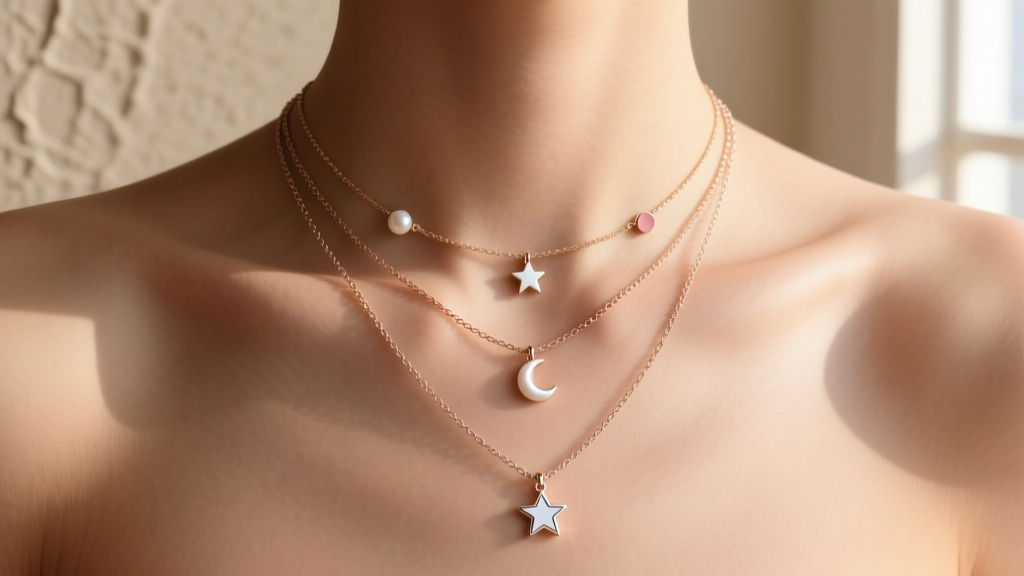
The always forever necklace is rarely worn alone in 2026. It acts as the 'top anchor' in a layered stack. To achieve a balanced, non-cluttered look, professional stylists utilize the Rule of Thirds for neckline spacing.
1. The Choker/Collarbone Anchor (14 to 15 Inches)
Your always forever necklace should sit precisely at the hollow of the throat or just above the collarbone. A 14-inch chain with a 2-inch extender is the industry standard. For this length, opt for a delicate cable chain or a sleek 0.9mm box chain. The charm should be micro-sized (under 8mm) so it doesn't visually compete with the longer layers below.
2. The Mid-Layer (18 to 20 Inches)
This layer bridges the gap between the delicate top chain and the statement bottom piece. Here, you can introduce texture. A 1.2mm rolo chain or a herringbone snake chain works beautifully. Instead of a traditional charm, consider a solitary bezel-set diamond or sapphire (typically 3mm to 4mm in diameter) to catch the light.
3. The Statement Base (22 to 24 Inches)
The final layer should carry the visual weight. Think chunky paperclip chains, oxidized silver medallions, or substantial pearl pendants. The contrast between the ultra-fine always forever necklace at the top and the heavy chain at the bottom creates a dynamic, high-fashion silhouette that works perfectly with the deep V-necks and asymmetrical cuts trending this year.
Decoding the Charms: Beyond the Infinity Symbol
While the sideways infinity loop remains a nostalgic classic, the 2026 trend analysis reveals a shift toward highly personalized, esoteric motifs. The modern always forever necklace serves as a private talisman rather than a public declaration.
- Celestial Coordinates: Tiny engraved discs featuring the star alignment of a specific date or location.
- Micro-Initials: Serif font initials (under 5mm) soldered directly onto the chain link rather than dangling freely, reducing the risk of flipping and tangling.
- Raw Birthstones: Uncut, unpolished gemstones wrapped in minimalist wire, offering an organic contrast to the precision of the gold chain.
- The 'Evil Eye' Micro-Pave: A modernized, subtle take on protection jewelry, utilizing 1mm sapphires and diamonds instead of bold, opaque enamel.
Hardware and Mechanics: The Hidden Details
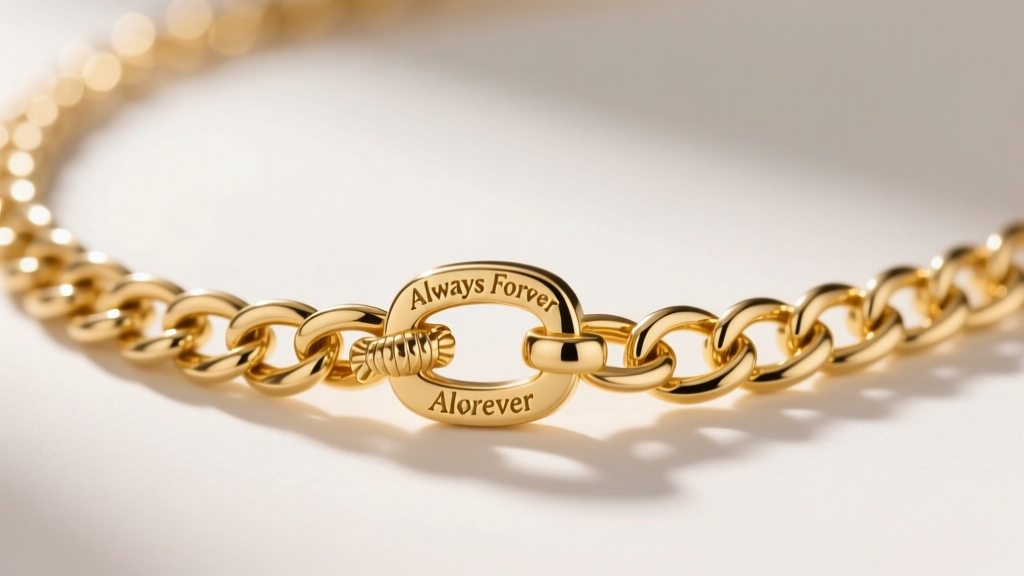
A chain is only as strong as its weakest link, which is almost always the clasp and the jump rings. When evaluating an always forever necklace, turn your attention to the hardware.
The Clasp: Avoid standard 4mm spring ring clasps; they are notoriously difficult to operate with one hand and prone to internal spring failure. Upgrade to a 5mm or 6mm lobster clasp, which offers a secure, satisfying snap and is much easier to manipulate. For ultra-premium pieces, look for magnetic slide-lock clasps or custom M-clasps that integrate seamlessly into the chain design.
Jump Rings: The small ring connecting the charm to the chain must be soldered shut or made of a thick enough gauge (18-gauge or thicker) to resist pulling apart. If the jump ring is simply 'butt-jointed' (where the two ends meet but aren't welded), it is a structural liability waiting to snag on a sweater and drop your charm.
Pricing, Value Retention, and Care
In the current market, a high-quality solid 14k gold always forever necklace with a micro-charm will retail between $250 and $400. While this is a significant step up from the $48 gold-dipped versions of a decade ago, the value retention is vastly superior. Solid gold can be polished, repaired, and eventually melted down or passed on, whereas plated brass holds zero intrinsic value once the finish degrades.
To maintain the structural integrity of your micro-chains, store them flat or hanging vertically to prevent the microscopic links from twisting into microscopic knots. If a knot does occur, never pull it tight. Lay the necklace on a hard surface, apply a drop of baby oil or specialized jewelry lubricant to the knot, and use two fine-point sewing needles to gently tease the links apart.
The always forever necklace is no longer just a fleeting trend or a basic gift; it is a masterclass in minimalist engineering and personal storytelling. By investing in proper gauges, solid alloys, and secure hardware, you secure a piece that truly lives up to its name.


