Amber Bead Necklace Gift Guide: Occasions, Styles & Care
Discover the perfect amber bead necklace for every occasion. Our expert gift guide covers Baltic vs. Dominican types, pricing, and styling tips.

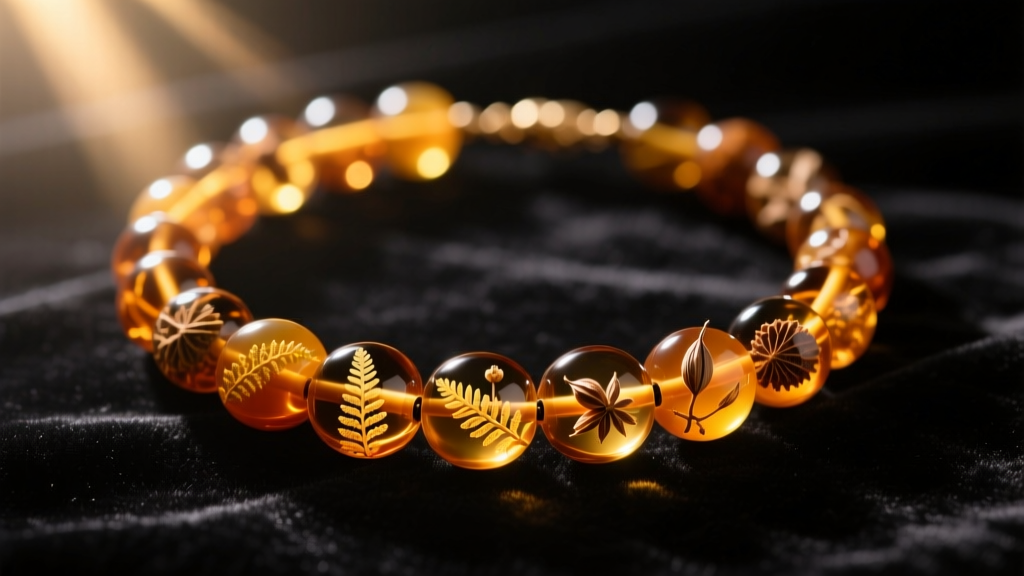
The Organic Allure of Amber
Unlike crystalline gemstones mined from deep within the earth, amber is a testament to the passage of time and the beauty of the natural world. Formed from the fossilized resin of prehistoric trees, an amber bead necklace carries millions of years of history within its warm, lightweight spheres. In the current 2026 jewelry market, collectors and gift-givers are increasingly prioritizing organic, sustainable, and historically rich materials over traditional diamonds and synthetics. Amber fits this niche perfectly, offering a deeply personal, tactile gifting experience.
However, gifting amber requires a nuanced understanding of its origins, grading, and structural vulnerabilities. Because amber ranks at a mere 2.0 to 2.5 on the Mohs hardness scale, it demands specific construction techniques and care protocols. This comprehensive guide will help you navigate the complexities of Baltic and Dominican varieties, match specific hues to milestone occasions, and ensure the necklace you gift is both authentic and built to last.
Decoding the Resin: Baltic vs. Dominican vs. Copal
Not all amber is created equal. The geological age, botanical origin, and chemical composition of the resin drastically affect its value, clarity, and color palette. According to the Gemological Institute of America (GIA), true amber must be millions of years old, while younger resins fall into a different category entirely.
| Amber Type | Geological Age | Primary Colors | Price Range (18-inch strand) |
|---|---|---|---|
| Baltic (Succinite) | ~44 Million Years | Cognac, Honey, Cherry, Butterscotch | $80 – $450 |
| Dominican | ~15-20 Million Years | Transparent Yellow, Blue/Green (rare) | $250 – $2,500+ |
| Mexican (Chiapas) | ~25-30 Million Years | Yellow, Red, Transparent | $150 – $900 |
| Copal (Immature) | < 1 Million Years | Light Yellow, Cloudy, Sticky | $20 – $60 |
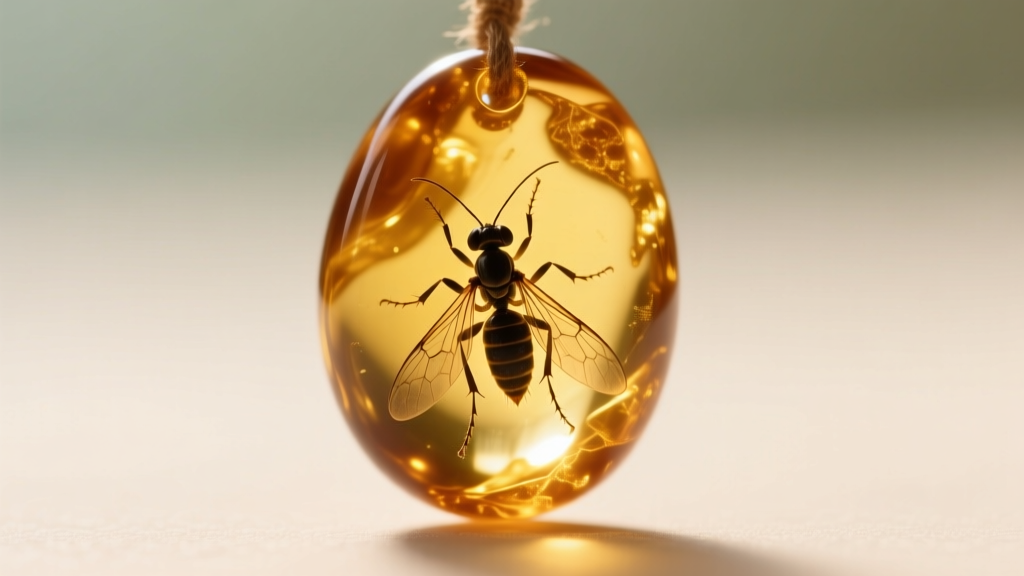
Baltic Amber contains high levels of succinic acid, historically believed to possess anti-inflammatory properties. It is the most common and widely available, making it an excellent entry-level gift. Dominican Amber, derived from the extinct Hymenaea protera tree, is prized for its exceptional transparency and high rate of prehistoric insect inclusions. Copal is often misrepresented as true amber; it is sub-fossilized resin that will melt or become sticky if exposed to heat or certain solvents, making it unsuitable for a fine jewelry gift.
Matching the Amber Bead Necklace to the Occasion
The color and finish of the amber beads should align with the recipient's lifestyle, wardrobe, and the significance of the event being celebrated.
Anniversaries & Major Milestones: Deep Cherry and Cognac
For significant anniversaries or retirement celebrations, opt for deep, saturated hues. Cherry red and dark cognac amber beads exude a rich, vintage elegance that pairs beautifully with formal wear and dark winter wardrobes. Look for 8mm to 10mm round beads with a high-gloss polish. These deeper tones carry a visual weight that mimics precious gemstones like garnet or topaz, but with a fraction of the weight, ensuring comfortable all-day wear.
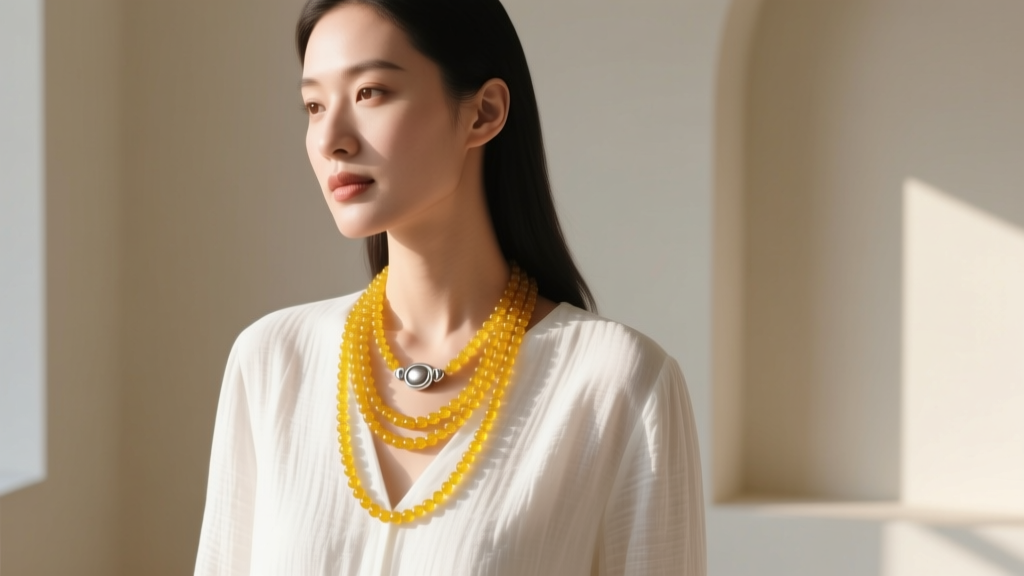
Graduations & New Beginnings: Lemon and Honey
Bright, translucent lemon and golden honey amber represents vitality, clarity, and new beginnings. This makes it the quintessential gift for graduations, promotions, or the birth of a child. A delicate 4mm to 6mm multi-strand lemon amber bead necklace layered over a crisp white linen blouse or a soft cashmere sweater offers a sophisticated, luminous glow that complements spring and summer aesthetics perfectly.
Everyday Office & Bohemian Styling: Butterscotch and Matte Finishes
For the creative professional or the bohemian spirit, highly polished beads might feel too traditional. Instead, seek out "butterscotch" amber—an opaque, creamy yellow-white variety—or beads with a tumbled, matte finish. Mixing raw, unpolished amber chunks with oxidized sterling silver spacers creates an artisanal, grounded look that transitions effortlessly from a casual office environment to weekend outings.
Anatomy of a High-Quality Strand
Because amber is exceptionally soft and brittle, the way the necklace is constructed is just as important as the beads themselves. The International Amber Association emphasizes that proper stringing techniques are mandatory to preserve the integrity of the resin.
- Individual Knotting: Every single bead must be separated by a hand-tied knot using high-grade silk or nylon thread. This prevents bead-on-bead friction, which will slowly grind away the amber over time, and ensures that if the strand snaps, only one bead is lost rather than the entire necklace.
- French Wire Guards: The ends of the silk thread where it meets the metal clasp must be protected by coiled metal "French wire" or flexible wire guards. Amber will quickly fray and snap if it rubs directly against a sharp metal clasp loop.
- Clasp Mechanics: Avoid heavy, oversized metal clasps that can pull on the lightweight amber and cause the silk to stretch. A small, secure screw clasp or a high-strength neodymium magnetic clasp is ideal for seamless fastening without putting undue stress on the strand.
Authenticity Verification at Home
The market is unfortunately flooded with plastic imitations, dyed copal, and compressed amber dust. If you are purchasing from a private dealer or an estate sale, you can perform a few non-destructive tests to verify authenticity.
The Saltwater Buoyancy Test: True amber is remarkably lightweight. Mix 1 part table salt to 2 parts warm water in a glass. Stir until fully dissolved. Genuine amber will float to the surface, while glass, most plastics, and copal will sink to the bottom. Note: This test only works on unmounted strands without heavy metal clasps attached.
Additionally, you can use a UV flashlight. Under ultraviolet light, genuine Baltic amber typically fluoresces a milky green or pale yellow, while Dominican amber exhibits a striking, bright blue fluorescence. Copal, conversely, often shows a dull, chalky white reaction, and most plastics will not fluoresce at all.
Longevity and Care Protocols
To ensure your gift remains a family heirloom, the recipient must understand amber's unique vulnerabilities. Amber is highly sensitive to chemicals and extreme temperatures.
- Avoid Chemicals: Perfumes, hairsprays, and hand sanitizers contain alcohols and solvents that will permanently cloud the surface of the amber and strip its natural polish. Always apply cosmetics before putting on the necklace.
- No Ultrasonic Cleaners: The high-frequency vibrations and heat of ultrasonic jewelry cleaners will shatter amber beads. Steam cleaners will melt the resin.
- Proper Storage: Store the necklace flat in a soft flannel pouch, away from direct sunlight and heat sources. Prolonged exposure to intense UV light and heat can cause the amber to oxidize, turning bright honey colors into a dark, opaque brown over several decades.
- Cleaning: Simply wipe the beads with a soft, lint-free microfiber cloth dampened with lukewarm water to remove skin oils and restore their natural luster.
Conclusion
Gifting an amber bead necklace is an exercise in giving a piece of the earth's ancient history. By carefully selecting the right geological origin, matching the hue to the recipient's milestone, and ensuring the strand is constructed with proper knotting and wire guards, you provide a gift that is as durable as it is deeply meaningful. Whether it is a vibrant lemon strand for a new graduate or a deep cognac collar for an anniversary, amber remains a timeless, organic treasure that transcends fleeting jewelry trends.


