2026 Gift Guide: Selecting the Perfect Star Ruby Necklace
Discover how to choose the perfect star ruby necklace for milestone anniversaries. Expert tips on asterism, settings, and 2026 pricing frameworks.

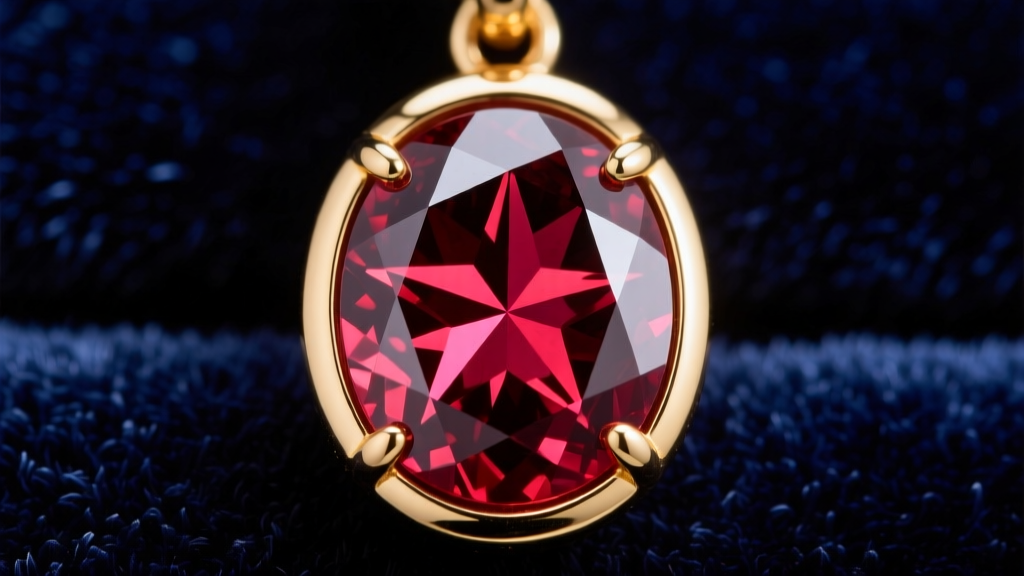
The Mystique of the Star Ruby: A 2026 Gifting Masterclass
Few gemstones command the immediate reverence and romantic intrigue of a star ruby necklace. Characterized by the optical phenomenon known as asterism, these cabochon-cut gems display a luminous, six-rayed star that seems to glide across the stone's surface when exposed to direct light. As we navigate the 2026 fine jewelry market, star rubies have surged in popularity among collectors and gift-givers seeking something far more distinctive than the standard faceted diamond or sapphire pendant.
However, gifting a star ruby requires a nuanced understanding of gemology. Unlike faceted stones where clarity and brilliance are paramount, star rubies demand a careful balancing act between the sharpness of the star and the depth of the body color. This comprehensive guide will walk you through the exact specifications, occasion-matching strategies, and pricing frameworks necessary to select a breathtaking star ruby necklace that will be cherished for generations.
Occasion Matching: When to Gift a Star Ruby Necklace
The star ruby is not an everyday trinket; it is a profound statement piece. Matching the necklace to the correct milestone ensures the gift carries its intended emotional weight.
- The 40th Wedding Anniversary: Traditionally known as the Ruby Anniversary, the 40th milestone is the ultimate occasion for this gift. A star ruby elevates the traditional ruby gift, symbolizing the enduring, multifaceted nature of a four-decade marriage.
- The 15th Wedding Anniversary: While less common than the 40th, ruby is also the modern alternative for the 15th anniversary. A delicate star ruby pendant offers a sophisticated, contemporary nod to this milestone.
- Milestone Birthdays (40th, 50th, 60th): For the woman who already owns a comprehensive jewelry collection, a phenomenal gemstone like a star ruby provides a rare, museum-quality addition that stands out from her existing faceted pieces.
- Valentine’s Day & Romantic Proposals: The star effect is often referred to as the "guiding light." Gifting a star ruby necklace as a pre-wedding or romantic milestone gift symbolizes guidance, protection, and unwavering devotion.
The Anatomy of Asterism: What to Look For
To evaluate a star ruby necklace with a gemologist's eye, you must understand the mechanics of its defining feature. According to the Gemological Institute of America (GIA), asterism in rubies is caused by dense, microscopic inclusions of rutile needles (often called "silk") that align along the crystal's structural axes.
The Star Ruby Dilemma: Sharpness vs. Transparency
This is the most critical concept for buyers to grasp. The rutile silk that creates the star also reduces the stone's transparency. Therefore, you face a fundamental trade-off:
- Sharp, Bright Stars: Stones with a high density of rutile will display a razor-sharp, highly visible star, but the body of the ruby will be opaque or heavily included, often appearing dark brownish-red or purplish.
- Vivid Body Color: Stones with the highly prized "pigeon blood" red color and high transparency will have less rutile, resulting in a much weaker, fainter star that is only visible under intense, direct pinpoint lighting.
Expert Advice: For a necklace pendant, prioritize a sharp, well-centered star over perfect transparency. A star ruby that requires a laboratory laser to see its star defeats the purpose of the phenomenal effect. Look for a stone that displays a clear star under ambient sunlight or standard indoor jewelry lighting.
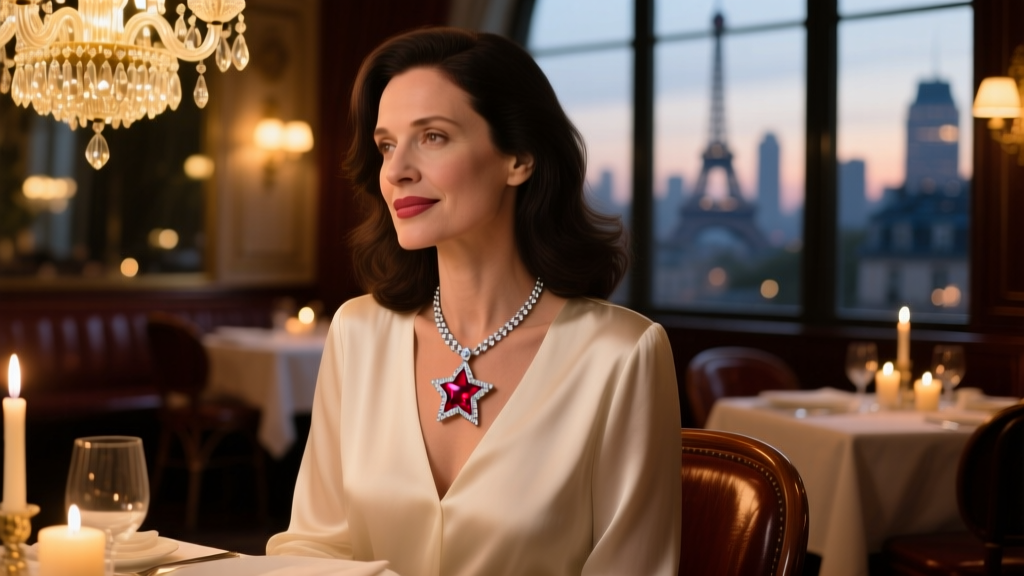
Evaluating the Cabochon Cut
Star rubies must be cut en cabochon (smooth and domed) to display the star. The dome should be high enough to allow the star to glide smoothly across the surface when the stone is rocked, but not so high that it makes setting the stone difficult or creates an awkward profile on the neckline. The base of the cabochon should be unpolished or lightly polished; a fully polished base can cause internal reflections that wash out the star.
2026 Pricing & Budget Framework
The market for star rubies is highly stratified. Understanding where your budget fits within the current landscape is crucial to avoid overpaying for treated stones or misidentifying synthetics.
| Category | Origin / Type | Star Quality | Body Color | Estimated Price Range |
|---|---|---|---|---|
| Investment Grade | Natural (Burma/Mozambique) | Sharp, 6-ray, centered | Vivid Red / Pigeon Blood | $10,000 - $30,000+ / carat |
| Commercial Natural | Natural (Sri Lanka / Thailand) | Moderate to Weak | Purplish-Red to Brownish | $500 - $2,500 / carat |
| Opaque Natural | Natural (Various) | Sharp, Bright | Dark Opaque Red | $100 - $400 / carat |
| Synthetic | Verneuil Process (Linde Star) | Extremely Sharp, Perfect | Vivid, Uniform Red | $50 - $200 (Total) |
Note: Always verify if a natural star ruby has undergone heat treatment. While heat treatment is standard for faceted rubies to improve color, it can dissolve the rutile silk in star rubies, destroying the asterism. Most high-quality natural star rubies are unheated, which commands a premium.
Selecting the Right Setting and Chain
The physical architecture of the necklace is just as important as the gemstone itself. Cabochon cuts require specific setting techniques to ensure longevity and visual harmony.
Protective Settings for Cabochons
While ruby ranks a 9 on the Mohs scale of hardness, making it highly resistant to scratching, the girdle (edge) of a cabochon can be vulnerable to chipping if struck against a hard surface.
- Bezel Setting: The gold standard for star rubies. A full or half-bezel of 18k gold or platinum wraps securely around the perimeter of the cabochon, protecting the edges while providing a sleek, modern frame that draws the eye directly to the star.
- Halo Setting: Surrounding the star ruby with a pavé diamond halo adds significant brilliance and elevates the perceived size of the pendant. However, ensure the halo sits slightly lower than the dome of the ruby so it does not obstruct the light entering the stone from above, which is necessary to illuminate the star.
- Avoid High Prongs: Traditional four-prong or six-prong settings leave too much of the cabochon's curved edge exposed and can struggle to grip the smooth, domed surface securely.
Chain Selection: Gauge and Length
Star ruby pendants are typically substantial in weight due to the dense cabochon cut and the metal required for a bezel setting. A delicate 0.8mm chain will not support the pendant and risks snapping.
- Chain Gauge: Opt for a chain between 1.5mm and 2.5mm in thickness. A 1.8mm rope chain or a sturdy box chain offers the necessary tensile strength while maintaining an elegant drape.
- Chain Length: For pendants, a 16-inch (choker) or 18-inch (princess) length is ideal. This places the star ruby directly in the line of sight, allowing ambient light to catch the asterism as the wearer moves.
- Metal Pairing: Platinum and 18k yellow gold are the premier choices. Yellow gold enhances the warm, purplish-red undertones of the ruby, while platinum offers a striking, high-contrast backdrop that makes the red body color pop.
Authentication and Certification Checklist
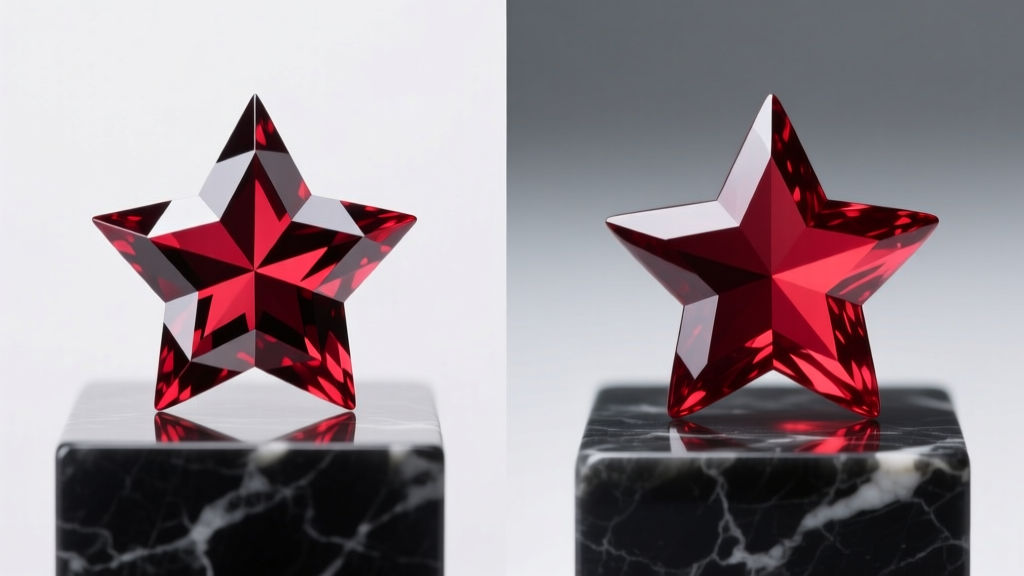
When investing in a natural star ruby necklace, independent certification is non-negotiable. The market is flooded with synthetic Verneuil star rubies (created in labs since the 1940s) that exhibit unnaturally perfect stars and flawless body colors. Furthermore, some natural stones are treated with lead glass to fill fractures, drastically reducing their value and durability.
Always request a report from a tier-one laboratory such as the GIA or the American Gem Society (AGS). The report must explicitly state:
- Natural Origin: Confirming the stone is mined, not lab-created.
- Asterism: Noting the presence of the star effect.
- Treatment Disclosure: Clearly stating if the stone is unheated, heated, or fracture-filled. (Fracture-filled rubies should be avoided entirely for heirloom gifts).
The Presentation Pro-Tip: When gifting the necklace, do not present it in a dimly lit room. The magic of a star ruby requires a direct, single-point light source. Present the gift under a focused spotlight, near a window with direct sunlight, or use your smartphone's flashlight to illuminate the stone from above. Watching the recipient's eyes as the six-rayed star suddenly snaps into focus is an unforgettable moment.
Final Thoughts on Gifting Phenomenal Gems
A star ruby necklace is more than just an accessory; it is a conversation piece, a marvel of natural physics, and a deeply symbolic gift. By prioritizing the visibility of the asterism, selecting a protective bezel setting, and demanding rigorous laboratory certification, you ensure that your 2026 gift will not only meet the highest standards of fine jewelry but will also carry a profound emotional resonance for the milestone it celebrates.


