How to Wear Necklaces With Dresses: A Beginner's Neckline Guide
Learn how to wear necklaces with dresses by matching chain lengths, pendant weights, and metals to every neckline, from V-necks to strapless gowns.

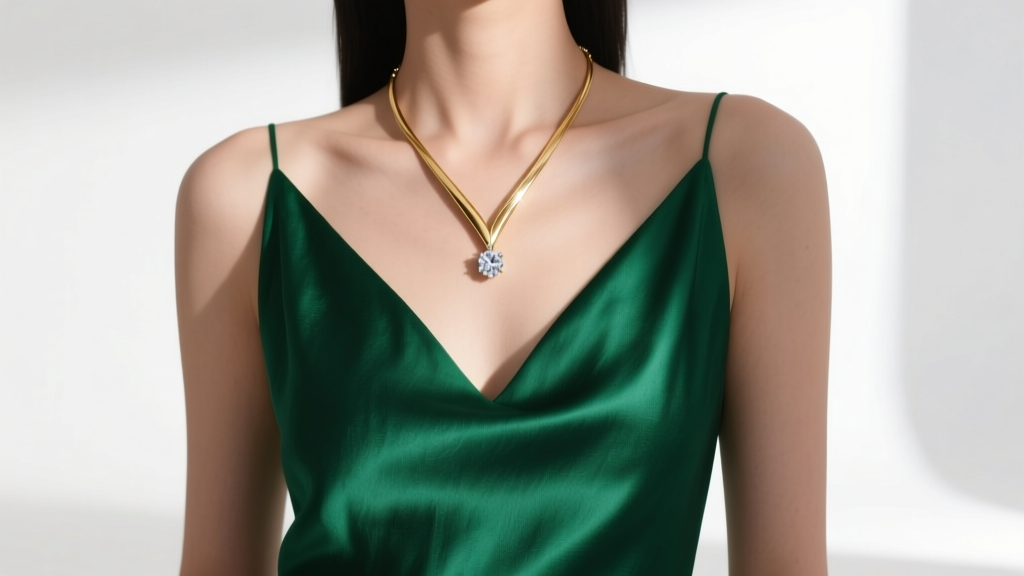
Learning how to wear necklaces with dresses is one of the most common styling hurdles for jewelry beginners. A beautiful pendant can easily look awkward if it clashes with your dress's neckline, or worse, a heavy chain can ruin delicate fabrics. The secret to effortless styling isn't just about matching colors; it is about understanding geometry, fabric weight, and proportion.
This beginner-friendly explainer will break down the exact chain lengths, metal widths, and clasp types you need to elevate any dress in your wardrobe, ensuring your jewelry enhances your outfit rather than competing with it.
The Golden Rule of Neckline Proportions
Before diving into specific dress styles, you must understand the foundational rule of jewelry styling: the necklace should mirror or complement the shape of the neckline, never fight it. If your dress features sharp, angular lines, your jewelry should follow suit with geometric pendants or structured chains. If the dress is soft and romantic, opt for fluid, curved designs.
Additionally, the 'negative space' between your chin and the hem of the dress's neckline is your canvas. A standard 16-inch choker leaves a different visual footprint than a 24-inch opera chain. According to the Gemological Institute of America (GIA), the visual weight of a gemstone or metal setting is heavily influenced by the contrasting fabric behind it, making proportion just as critical as the carat weight or millimeter thickness of the chain.
Decoding Dress Necklines: A Matchmaking Guide
V-Neck and Plunging Necklines
The V-neck is the most universally flattering dress silhouette, and it practically begs for a pendant. The goal here is to elongate the neck and draw the eye downward, following the natural 'V' shape of the fabric.
- Ideal Length: 18 to 22 inches. The pendant should rest roughly one inch above the lowest point of the V-neck hem.
- Chain Width: 1.5mm to 2.5mm. Anything thicker will look too casual for most V-neck dresses.
- Best Styles: Y-necklaces, lariat chains, and teardrop or marquise-shaped pendants. Avoid wide, horizontal bar pendants, as they will visually 'cut' the V-shape in half.
Strapless and Sweetheart Necklines
Strapless dresses expose the entire collarbone and upper chest area. Because you have a large canvas of bare skin, you can afford to wear bolder, wider pieces without looking over-accessorized.
- Ideal Length: 14 to 16 inches (choker or collar length).
- Chain Width: 5mm and above. Statement collars, multi-strand pearl chokers, or thick Cuban links work beautifully.
- Best Styles: Skip the long, dangling pendants that will bounce against your bare chest when you walk. Instead, opt for structured collars or a tight cluster of shorter, layered chains.
Crew and High Collars
High necklines can easily make a necklace look tangled or choked. The fabric already provides a visual border around your neck, so your jewelry needs to either sit completely above the fabric or drop significantly below it.
- Ideal Length: 28 to 34 inches (Opera or Rope length) to create a long, slimming vertical line over the fabric.
- Alternative: If you prefer short necklaces, choose a thick, rigid metal collar (10mm+) that sits strictly above the dress's fabric line. Never let a chain rest exactly on the seam of a crew neck.
Halter and One-Shoulder Dresses
These asymmetrical or neck-focusing dresses are already doing a lot of heavy lifting visually. The fabric wraps around the neck or cuts sharply across the collarbone, creating built-in 'jewelry' lines.
- The Strategy: Skip the necklace entirely. The risk of the chain tangling with the halter strap or clashing with the one-shoulder seam is too high. Redirect your focus to statement drop earrings or a bold cocktail ring.
Fabric Weight vs. Necklace Weight: The Damage Prevention Guide
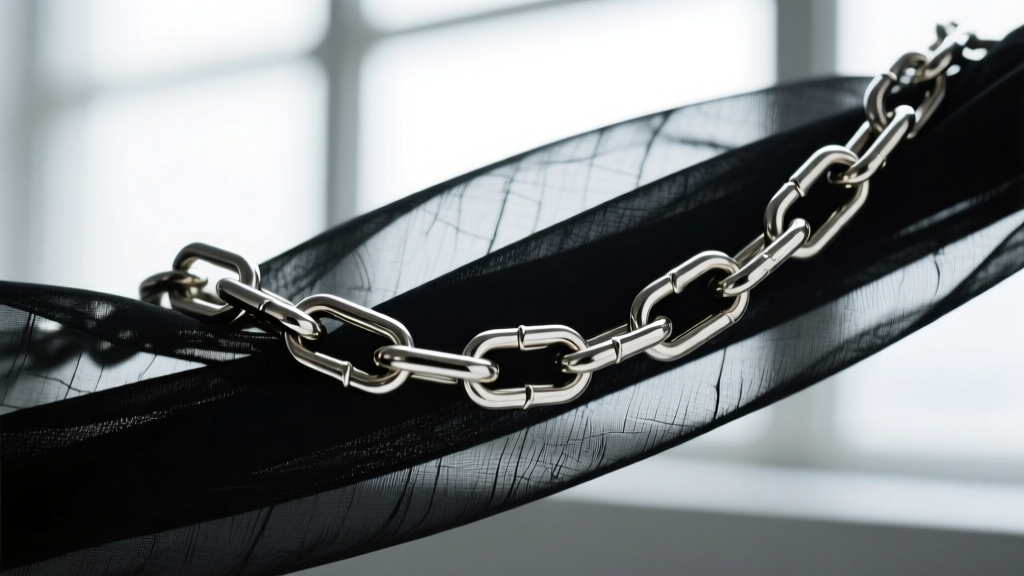
One of the most overlooked aspects of learning how to wear necklaces with dresses is understanding fabric physics. Wearing a 40-gram solid gold statement piece on a delicate silk slip dress will not only look unbalanced; it will physically damage the garment by pulling the threads and warping the hemline.
According to textile and jewelry care guidelines from Jewelrywise, matching the structural integrity of your clasp and chain to the denier (thickness) of your dress fabric is essential for garment longevity.
| Dress Fabric Type | Max Pendant Weight | Recommended Chain Width | Best Clasp Type to Prevent Snagging |
|---|---|---|---|
| Silk, Chiffon, Satin | 5 to 8 grams | 0.9mm to 1.5mm | Seamless barrel clasp or magnetic clasp |
| Cotton, Linen, Jersey | 10 to 15 grams | 1.5mm to 3.0mm | Standard lobster clasp (under 12mm) |
| Velvet, Wool, Brocade | 20 to 45+ grams | 4.0mm to 8.0mm+ | Large toggle clasp or heavy-duty box clasp |
Expert Tip: Avoid wearing necklaces with raw, unpolished gemstones or intricate filigree metalwork on silk or chiffon. The microscopic rough edges will act like sandpaper, catching and pulling the delicate threads of the dress throughout the evening.
Metal Tones and Dress Colors: A Quick Matrix
While mixed metals are highly fashionable, beginners will find the most success by aligning their metal tone with the undertone of their dress color.
- Warm-Toned Dresses (Rust, Emerald, Mustard, Warm Red): Pair with 14k or 18k yellow gold, rose gold, or copper. The warmth of the metal amplifies the richness of the fabric.
- Cool-Toned Dresses (Navy, Plum, Ice Blue, Silver): Opt for platinum, white gold, or sterling silver. These bright, reflective metals provide a crisp contrast against cool jewel tones.
- The Black Dress Exception: A classic black dress is a blank canvas. However, sterling silver or white gold provides a striking, modern monochrome look, while high-polish yellow gold offers a vintage, high-glamour contrast.
Common Beginner Mistakes to Avoid
1. The 'Floating Pendant' Flip
Have you ever noticed your pendant constantly flipping upside down, showing the back of the setting instead of the gemstone? This happens when the bail (the loop connecting the pendant to the chain) is too wide for the chain, or the chain is too stiff. The Fix: Ensure your chain thickness is at least 75% of the bail's inner diameter. Alternatively, add a tiny drop of clear museum wax inside the bail to grip the chain, or use a silicone pendant stabilizer.
2. The Clasp Snag
Standard lobster clasps have a tiny lever that can easily catch on the loops of a knit dress or the delicate weave of a lace bodice. The Fix: For delicate fabrics, swap your chain's clasp for a smooth, seamless barrel clasp or a flat magnetic slide clasp. These sit flush against the skin and eliminate snagging points entirely.
3. Ignoring the Necklace Drop
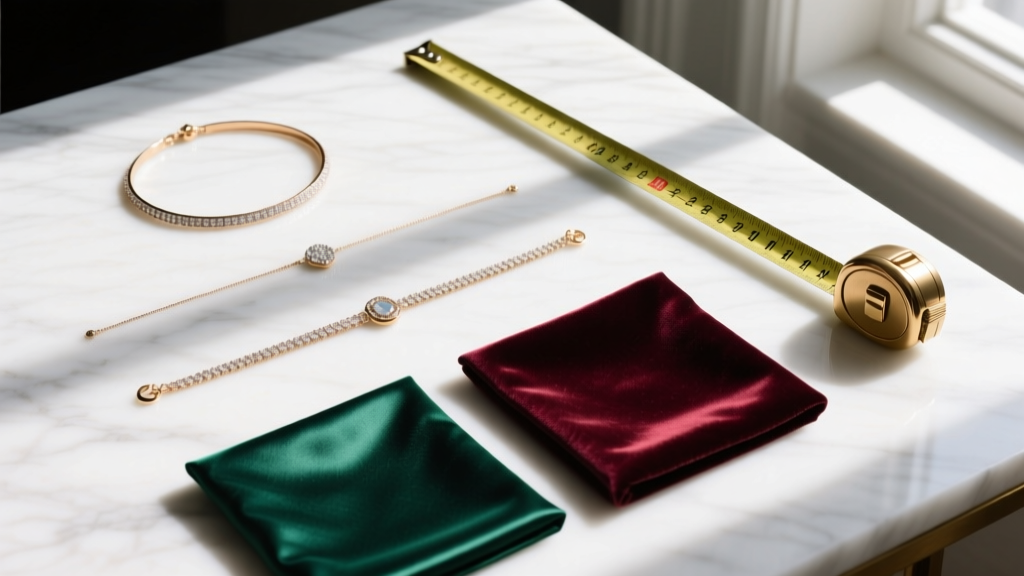
Beginners often buy a necklace based on how it looks in a display case, failing to account for their own torso length. A '20-inch' chain will sit differently on a 5'2" frame than on a 5'9" frame. The Fix: Always measure your neck and torso with a soft measuring tape before purchasing. Map out exactly where the 18-inch or 22-inch mark falls on your specific body to guarantee the pendant lands in the correct negative space of your dress.
Final Styling Checklist
Before you walk out the door, run through this quick three-point checklist to ensure your necklace and dress are in perfect harmony:
- The Mirror Test: Look at your silhouette from five feet away. Does the necklace get lost in the pattern of the dress, or does it stand out clearly?
- The Movement Test: Sit down, stand up, and hug yourself. Does the pendant hit a zipper, a button, or an embellishment on the dress? If it clicks or catches, change the chain length.
- The Skin Test: Ensure the metal isn't resting on a sweaty area of the chest if you are wearing a heavy, non-breathable synthetic dress, as this can accelerate metal tarnishing (especially for sterling silver).
Mastering how to wear necklaces with dresses is ultimately about balancing visual weight and respecting the physical properties of your garments. By paying attention to millimeter widths, gram weights, and clasp mechanics, you will transition from a jewelry novice to a styling expert.


