How to Style and Wear an Avowed Effigy Necklace Daily
Learn how to style, balance, and care for a heavy avowed effigy necklace. Step-by-step guide on chain selection, necklines, and metal maintenance.

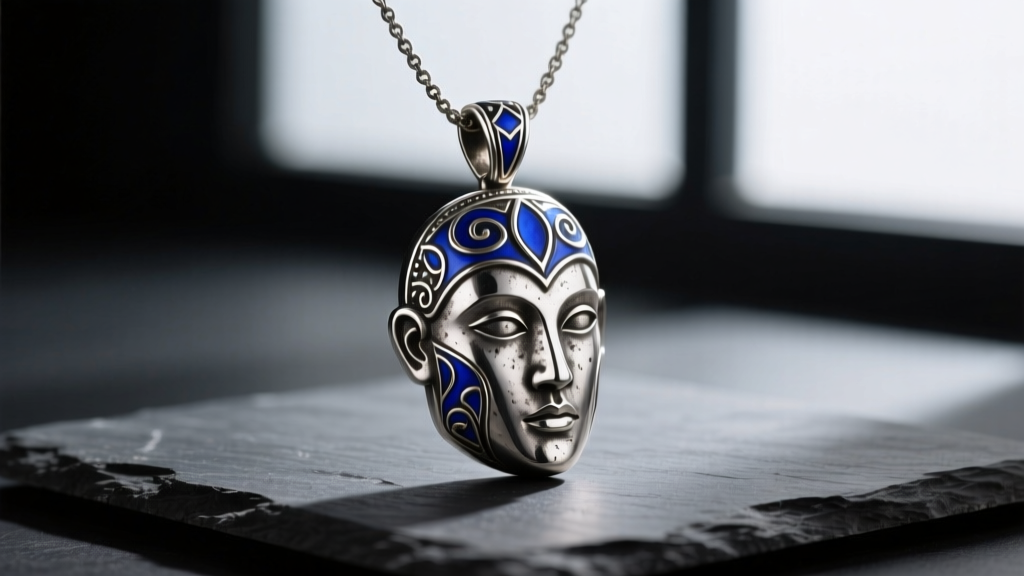
The avowed effigy necklace has transcended its roots in fantasy fandom and artisan cosplay to become a legitimate staple in avant-garde and alternative fashion. Characterized by heavy cast metals, intricate bas-relief carvings, and symbolic motifs, these statement pieces command attention. However, wearing a 60-gram artisan pendant in a modern, everyday wardrobe requires more than just throwing it on a standard chain. Without the right styling techniques, heavy fantasy jewelry can easily look costumey or cause physical discomfort.
In this step-by-step guide, we will break down the exact mechanics of wearing, balancing, and maintaining an avowed effigy necklace so you can integrate it seamlessly into your daily rotation.
Understanding the Anatomy and Weight of an Effigy Pendant
Unlike stamped commercial jewelry, a true effigy pendant is typically created via lost-wax casting. This results in a dense, three-dimensional piece that usually weighs between 45 and 90 grams. Furthermore, the bail (the loop that connects the pendant to the chain) is often cast directly into the design, featuring a wide internal diameter (ID) of 8mm to 14mm to accommodate thick cords or leather. Standard 1mm to 2mm jewelry chains will not only fail to fit through the bail, but they will also snap under the dynamic weight of the pendant as you move.
Step 1: Selecting the Correct Chain Gauge and Clasp
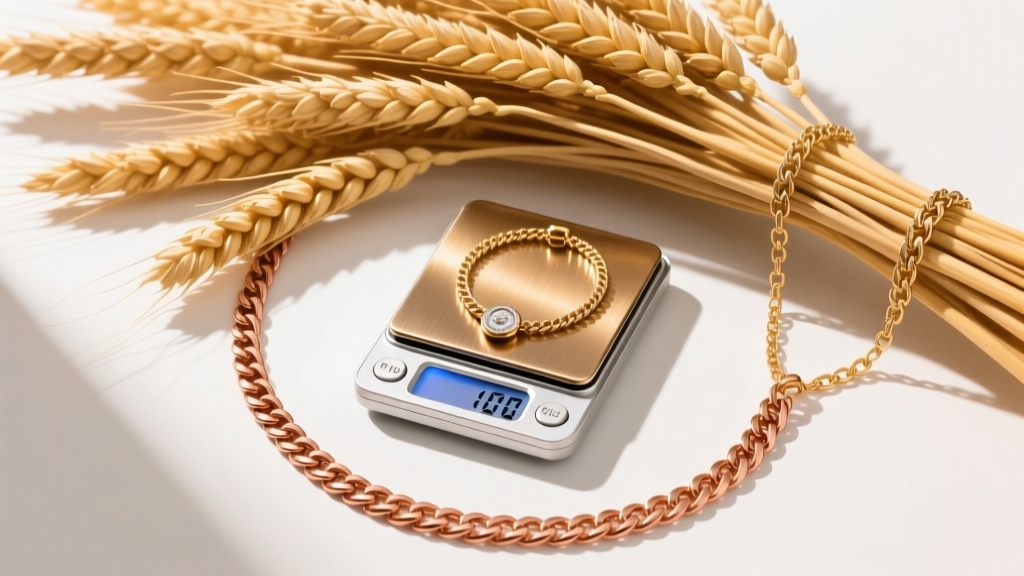
To properly support an avowed effigy necklace, you must upgrade your chain. The chain needs to be thick enough to slide through the bail freely while possessing the tensile strength to hold 80+ grams of metal. Additionally, standard lobster clasps will inevitably fail or bend under this weight.
| Chain Type | Gauge / Thickness | Max Pendant Weight | Best For |
|---|---|---|---|
| Wheat Chain | 3.5mm - 4.0mm | Up to 65g | Everyday flexibility and drape |
| Figaro Chain | 4.5mm - 5.0mm | Up to 85g | Streetwear and edgy layering |
| Rope Chain | 4.0mm - 5.5mm | Up to 100g | High-end durability and shine |
Clasp Upgrade: Discard the standard lobster clasp. Opt for a heavy-duty toggle clasp or a 12mm spring ring paired with a soldered jump ring. According to Blue Nile's jewelry care guidelines, ensuring your clasp mechanism is rated for the specific weight of your pendant is the first line of defense against losing a valuable piece.
Step 2: Modern Neckline Pairings (Avoiding the Costume Trap)
The biggest mistake wearers make with heavy fantasy jewelry is pairing it with flowy, bohemian, or overtly theatrical clothing, which amplifies the "costume" effect. To ground your avowed effigy necklace in modern reality, you must use the rule of structural contrast.
- The Ribbed Turtleneck: A charcoal or black heavyweight cotton turtleneck provides a matte, structured canvas that allows oxidized silver or darkened bronze to pop without competing for attention.
- The Structured Blazer: Wear the pendant over a simple silk camisole, but layer a sharply tailored wool blazer on top. The rigid lapels frame the organic, intricate lines of the effigy pendant, creating a high-fashion silhouette.
- The Heavyweight Crew: A thick, 300gsm cotton crewneck sweatshirt offers a casual, streetwear-friendly backdrop that makes the pendant look like an intentional, avant-garde accessory rather than a prop.
Step 3: The Counterweight Technique for Heavy Pendants
If your avowed effigy necklace weighs over 70 grams, you have likely experienced the "choking" effect. The heavy pendant pulls the chain forward, causing the clasp to slide around to the front of your neck and the chain to dig into your nape.
The Fix: Introduce a counterweight. Thread a 15-gram to 20-gram metal tube bead, a small barbell charm, or a secondary heavy jump ring onto the chain, positioning it exactly at the nape of the neck (directly opposite the pendant). This balances the center of gravity, keeping the clasp securely at the back and allowing the effigy pendant to rest flat against your sternum without dragging the neckline down.

Step 4: Preserving the Patina and Enamel Details
Artisan effigy necklaces rely heavily on "antiquing"—a process where the metal is intentionally oxidized to turn the deep crevices black, highlighting the raised bas-relief details. Many also feature cold enamel or vitreous glass enamel inlays. Standard jewelry cleaning methods will ruin these finishes.
The Gemological Institute of America (GIA) strongly advises against using ultrasonic cleaners or harsh chemical dips on porous stones, enamel, or intentionally oxidized metals. Follow this step-by-step cleaning protocol:
- Dry Brush: Use a clean, dry, soft-bristled makeup brush to dust out the deep crevices of the effigy carving.
- Mild Wash: Mix a few drops of pH-neutral dish soap (like Dawn) into lukewarm water. Dip a soft baby toothbrush into the suds and gently brush only the raised, high-polish areas of the pendant.
- Rinse and Dry: Rinse briefly under low-pressure lukewarm water. Immediately pat dry with a microfiber cloth. Do not let water sit in the crevices, as it can cause rust on iron alloys or degrade cold enamel adhesives.
- Selective Polishing: Use a Sunshine polishing cloth only on the raised edges. Never rub the cloth into the recessed areas, or you will strip the intentional black patina and flatten the visual depth of the carving.
Step 5: Sealing Base Metals to Prevent Skin Reactions
Many avowed effigy pendants are cast in bronze or brass to keep the price point accessible while maintaining a heavy, satisfying drape. However, the copper content in these alloys reacts with sweat and skin acidity, often leaving a green or black stain on your chest.
To prevent this without altering the look of the metal, apply a thin layer of Renaissance Wax to the back of the pendant and the inside of the bail. This micro-crystalline wax is used by museum conservators to seal metals. Buff it gently with a soft cloth until it is invisible to the eye. Reapply the wax every 4 to 6 weeks depending on how often you wear the piece and your local humidity levels. This creates a breathable, invisible barrier that protects both your skin and the metal from accelerated environmental tarnishing.
Final Thoughts on Wearing Statement Artisan Jewelry
Mastering the avowed effigy necklace is all about respecting the physical properties of the piece. By pairing a heavy-gauge chain with a structural modern wardrobe, utilizing counterweights for comfort, and practicing conservative, targeted cleaning, you elevate the pendant from a niche accessory to a sophisticated, everyday signature piece.


