How to Clean and Care for Your Christian Fish Symbol Necklace
Learn expert cleaning and maintenance tips for your christian fish symbol necklace. Keep your silver, gold, or enamel Ichthys pendant shining like new.

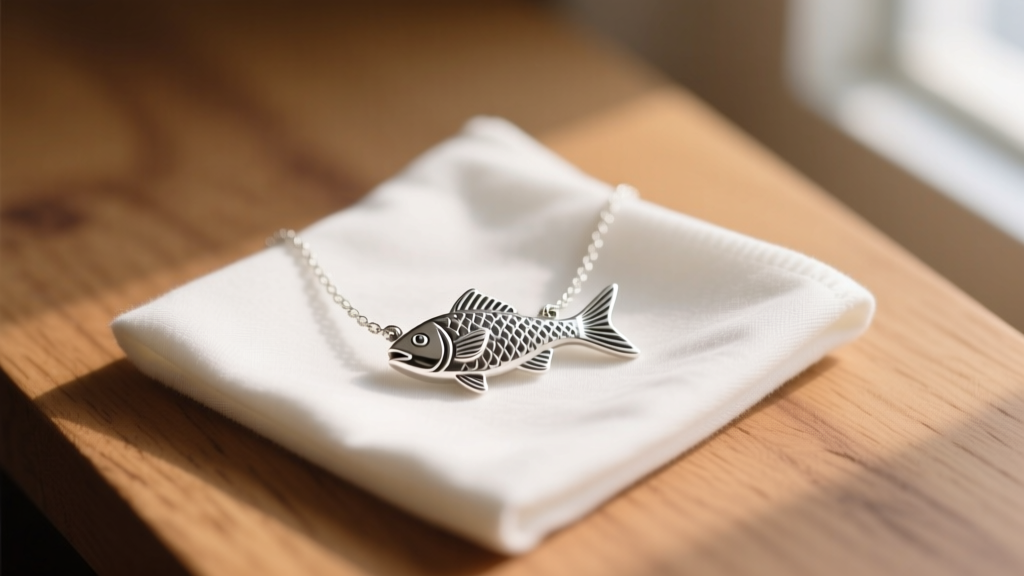
The Significance and Vulnerability of the Ichthys Pendant
The Christian fish symbol, historically known as the Ichthys, is one of the oldest and most profound markers of faith. Because a christian fish symbol necklace is often worn daily as a personal declaration of belief, it is continuously exposed to the elements. Skin oils, environmental humidity, cosmetic products, and sweat can quickly degrade the metal and obscure the intricate details of the pendant. Proper care is not just about maintaining shine; it is about preserving the integrity of a meaningful piece of jewelry for decades.
Before applying any cleaning solution, it is critical to identify the exact metal composition of your necklace. The cleaning protocol for a solid 14k gold piece will drastically differ from the delicate care required for gold vermeil or oxidized sterling silver. Misidentifying your metal can lead to irreversible damage, such as stripping gold plating or removing intentional darkened patinas.
Identifying Your Necklace Material and Finish
Most high-quality christian fish symbol necklaces are crafted from one of four primary materials. Understanding the specific properties of your metal is the first step in establishing a safe maintenance routine.
- Sterling Silver (925): Composed of 92.5% pure silver and 7.5% alloy (usually copper). It is highly prone to tarnishing when exposed to sulfur and moisture but is easily polished.
- Gold Vermeil: According to the Federal Trade Commission (FTC), true vermeil must feature a sterling silver base coated with at least 2.5 microns of gold. It requires incredibly gentle care to prevent wearing through the gold layer.
- Solid Gold (14k or 18k): Highly resistant to tarnish and corrosion. 14k gold is more durable due to its higher alloy content, making it ideal for everyday wear.
- Oxidized or Enameled Silver: Many Ichthys pendants feature blackened crevices to highlight the scales or the outline of the fish, or they may include colored enamel inlays. These finishes are highly sensitive to chemical dips and ultrasonic vibrations.
Material-Specific Cleaning Protocols
The Gemological Institute of America (GIA) recommends tailored cleaning methods based on metal type and surface treatments. Below are the expert-approved techniques for safely restoring your necklace.
Sterling Silver: The Electrochemical Bath vs. Polishing
If your silver fish pendant is heavily tarnished and features no gemstones, enamel, or intentional oxidation, an electrochemical bath is the safest, non-abrasive method. Line a glass bowl with aluminum foil (shiny side up). Add one tablespoon of baking soda and a pinch of salt, then pour in boiling water. Submerge the necklace for exactly 60 to 90 seconds. The chemical reaction transfers silver sulfide (tarnish) from the jewelry to the aluminum foil. Remove with plastic tongs, rinse in distilled water, and pat dry with a microfiber cloth.
Warning: If your pendant has darkened recesses meant to accentuate the fish design, do not use this method or commercial silver dips. Instead, use a treated silver polishing cloth (like a Sunshine Cloth) and gently rub only the raised, high-polish areas of the fish, avoiding the darkened crevices.
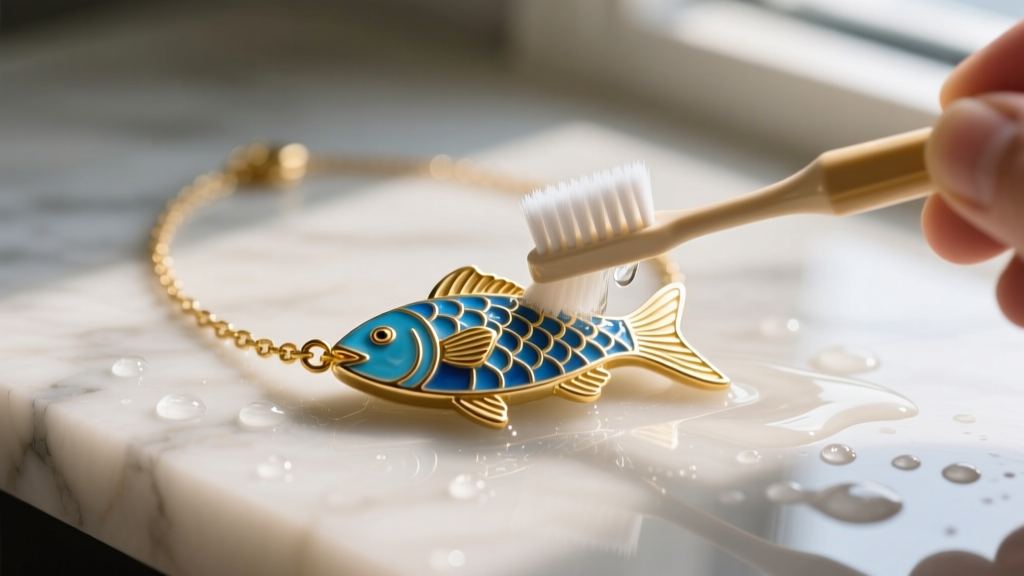
Gold Vermeil and Plated Metals: Gentle Preservation
Gold vermeil necklaces require a delicate touch. Never use silver polish, baking soda, or toothpaste on vermeil, as the mild abrasives will strip the 2.5-micron gold layer. Instead, create a lukewarm bath using distilled water and a few drops of pH-neutral dish soap (such as Dawn). Let the necklace soak for no more than three minutes. Gently agitate the water, rinse under a low-pressure stream of lukewarm water, and immediately dry with a lint-free cloth. Air-drying can leave hard water spots that etch into the gold surface over time.
Enamel Inlays and Gemstone Accents
Many modern christian fish symbol necklaces incorporate vitreous or epoxy enamel to add color to the pendant. Enamel is essentially glass fused to metal; it can crack under thermal shock or degrade in ultrasonic cleaners. Clean enameled pieces using only a damp, soft-bristled baby toothbrush and cold water. Avoid all chemical cleaners, ammonia, and alcohol-based solutions, which can cause the enamel to cloud or lift from the metal backing.
Deep Cleaning the Chain Links
The chain of your necklace often harbors more dirt, dead skin cells, and lotion residue than the pendant itself. The cleaning approach depends heavily on the chain style:
- Cable and Rolo Chains: These feature simple, open oval or round links. They are relatively easy to clean using the soapy water soak and a soft brush to swipe through the center of each link.
- Box Chains: Composed of square, interlocking hinges, box chains are notorious for trapping grime deep within their joints. Use a wooden toothpick or a soft interdental brush to gently dislodge compacted dirt from the hinges before soaking.
- Snake Chains: The smooth, tightly interlocked rings of a snake chain can easily kink or separate if pulled while dirty. Wipe these down with a soapy microfiber cloth rather than soaking them, as trapped moisture between the tight rings can cause internal corrosion.
Chemical Hazards and Environmental Threats
Prevention is vastly superior to restoration. Daily activities introduce microscopic chemicals that accelerate metal degradation. Review the table below to understand what hazards to avoid while wearing your Ichthys pendant.
| Hazard / Activity | Impact on Metal / Finish | Preventative Action |
|---|---|---|
| Chlorine (Pools / Spas) | Causes irreversible pitting in sterling silver and weakens gold alloy joints. | Always remove before swimming. |
| Sulfur (Hot Springs) | Instantly turns sterling silver black due to rapid silver sulfide formation. | Avoid wearing in geothermal areas. |
| Hairspray & Perfume | Alcohol and aerosols degrade enamel and leave a cloudy film on gold. | Apply cosmetics 10 mins before dressing. |
| Latex Gloves | Latex contains sulfur compounds that trigger immediate silver tarnishing. | Remove necklace when using latex. |
| Sweat / High Acidity | Body acids can break down the copper alloy in 14k gold and silver. | Wipe pendant with a damp cloth post-workout. |
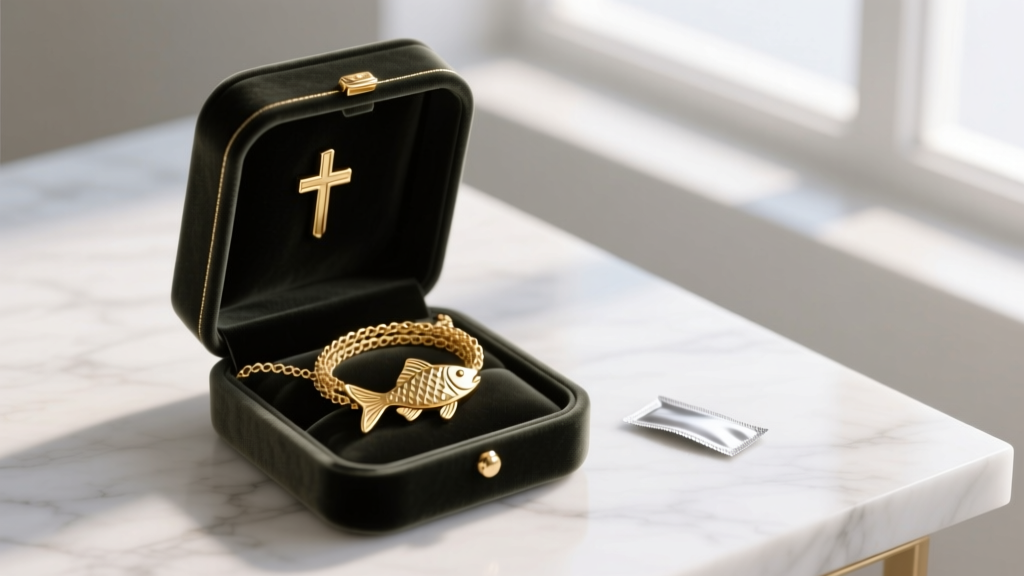
Proper Storage and Clasp Maintenance
How you store your christian fish symbol necklace when it is not being worn dictates how much cleaning it will require in the future. Never toss the necklace into a crowded jewelry box where it can become tangled or scratched by harder gemstones like diamonds or sapphires.
Expert Tip: To keep sterling silver Ichthys necklaces pristine, store them in an airtight ziplock bag with a 3M anti-tarnish strip. These strips absorb airborne sulfur compounds and can prevent tarnish for up to 12 months. Replace the strips annually or when they turn from white to dark brown.
Additionally, pay attention to the clasp. Lobster clasps and spring rings contain tiny internal steel springs. If your clasp becomes stiff or fails to snap shut, it is likely clogged with skin oils or pocket lint. Do not use WD-40 or silicone sprays, which attract more dirt. Instead, apply a microscopic drop of lightweight mineral oil to the hinge using a toothpick, work the lever back and forth, and wipe away the excess.
When to Seek Professional Jewelry Repair
While home maintenance is excellent for surface cleaning, structural issues require a professional jeweler. If the jump ring connecting the fish pendant to the chain shows signs of pulling apart, or if the chain links have stretched and thinned due to years of friction, take the piece to a certified bench jeweler. Furthermore, if your gold vermeil necklace has worn down to the silver base, a professional can safely re-plate the piece, restoring the original luster and thickness of the gold layer without damaging the intricate details of the Christian fish symbol.


