Technical Guide to Evaluating and Restoring an Heirloom Necklace
Discover expert techniques for evaluating, restoring, and preserving an heirloom necklace, from clasp mechanics to metal fatigue and gemstone prong repair.

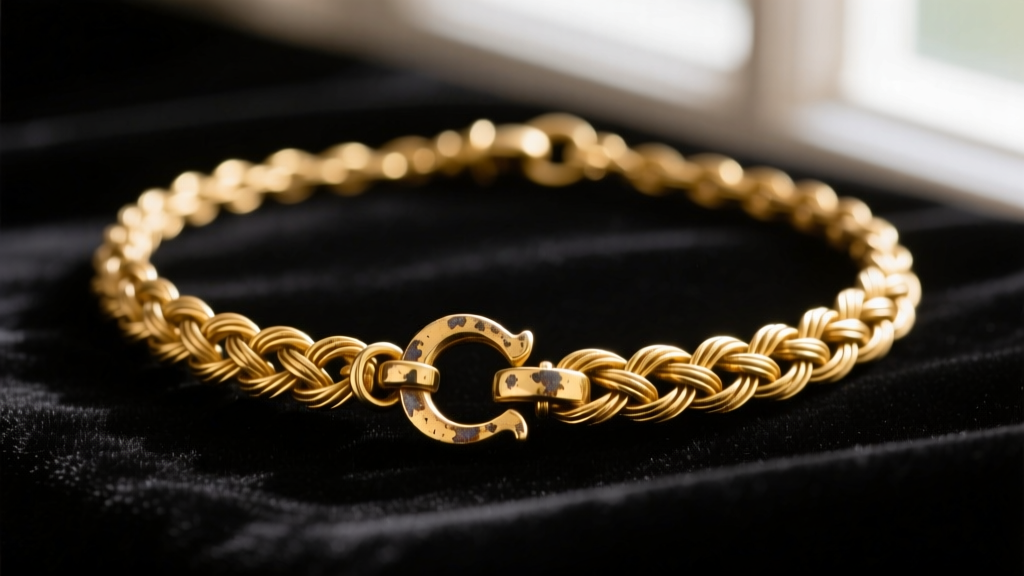
The Metallurgy of Vintage Chains: Identifying Alloys and Fatigue
Evaluating an heirloom necklace requires a fundamental understanding of historical metallurgy. Modern jewelry is predominantly cast or machine-drawn, but antique chains were often hand-forged, drawn through draw plates, and individually soldered. When inspecting a Victorian-era (1837–1901) heirloom necklace, you will frequently encounter 15k gold (62.5% pure gold). This alloy was a British standard prized for its optimal balance of rich color and structural durability, yet it is virtually nonexistent in contemporary manufacturing. Identifying 15k gold requires acid testing or X-ray fluorescence (XRF) spectrometry, as hallmarks on early chain links are often worn away by decades of friction.
Metal fatigue is the primary structural threat to vintage chains. In hand-soldered links, the solder joints often have a lower melting point and different Vickers hardness than the base metal. Over a century of wear, microscopic stress fractures develop at these junctions. According to the Victoria and Albert Museum's jewelry archives, Edwardian (1901–1915) pieces frequently utilized platinum-topped gold—a technique where a thin layer of platinum was fused over a yellow gold core to achieve a white metal aesthetic without the extreme melting temperatures required for solid platinum. When restoring these specific chains, traditional torch soldering can easily delaminate the platinum layer. Expert restorers must use laser welding to target micro-fractures without compromising the historical lamination.
Clasp Mechanics and Failure Modes in Antique Necklaces
The clasp is the most common point of catastrophic failure on any heirloom necklace. Dating a necklace often begins with examining the clasp mechanism, as hardware evolved rapidly between 1880 and 1930. Replacing an original clasp with a modern lobster claw instantly diminishes the piece's provenance and auction value. Instead, preservationists advocate for adding discrete safety chains or modifying the existing hardware with minimal intervention.
| Clasp Type | Era of Prominence | Mechanical Design | Primary Failure Mode |
|---|---|---|---|
| C-Clasp | Pre-1900 | Simple C-shaped metal catch; no locking mechanism. | Pin bends or loosens over time, allowing the jump ring to slip out under tension. |
| Trombone Clasp | 1890–1930 | European design featuring a push-pull tube locking mechanism. | Internal spring degradation or tube deformation causing the lock to disengage randomly. |
| Early Spring Ring | 1900–1930s | Coiled internal spring with a manual pull-tab; lacks modern safety latches. | Spring fatigue resulting in incomplete closure, or the pull-tab snapping off entirely. |
For comprehensive dating and hardware identification, the Lang Antiques University provides an indispensable visual database of historical findings. If a C-clasp is deemed too insecure for daily wear, the best practice is to solder a secondary, ultra-fine 10k gold safety chain across the primary links, leaving the original C-clasp completely intact for historical accuracy.
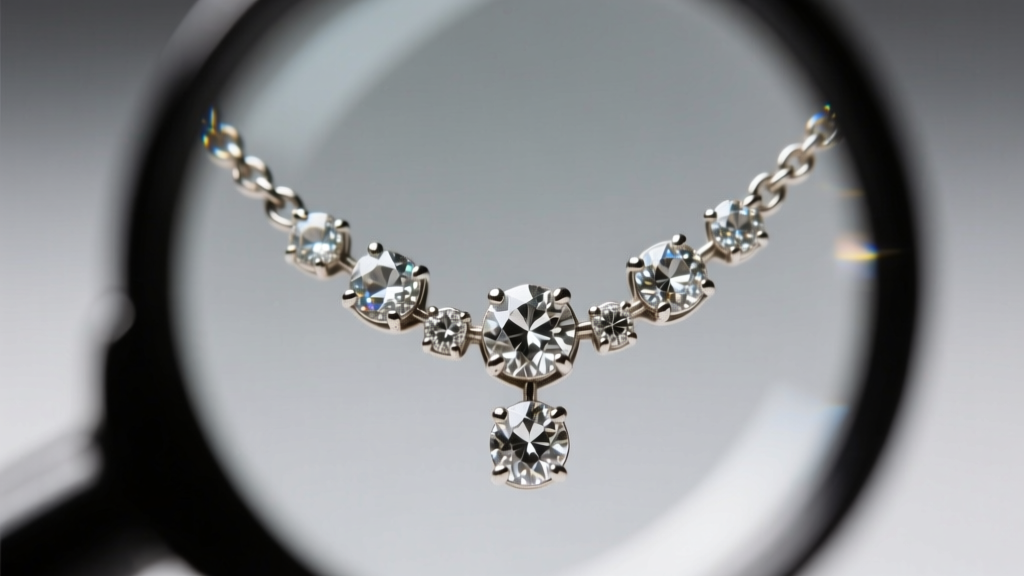
Gemstone Setting Degradation and Prong Re-tipping
The gemstone settings in an heirloom necklace dictate how the piece must be handled, cleaned, and worn. Georgian and early Victorian necklaces frequently feature closed-back foil settings, particularly in garnets, amethysts, and topazes. A thin layer of metallic foil was placed behind the stone to reflect light and enhance color. If the bezel seal is compromised, moisture enters the cavity, oxidizing the foil and turning the gemstone black. Ultrasonic cleaners will aggressively vibrate water into these microscopic gaps, permanently ruining the stone's optical properties. Furthermore, the vibration can easily shake out old mine-cut or old European-cut diamonds, which were cut to maximize carat weight rather than modern symmetrical retention.
Edwardian and Art Deco heirloom necklaces often feature intricate millegrain edges and knife-edge prongs. Over decades, the friction of clothing wears these prongs down to a fraction of their original thickness. When performing prong re-tipping, a jeweler must match the original alloy composition. Adding modern 18k white gold (which contains nickel or palladium) to an antique platinum setting will result in a visible color mismatch and a galvanic reaction that accelerates localized corrosion. Re-tipping must be done using pure platinum wire and a laser welder to preserve the delicate millegrain detailing that defines the era's aesthetic.
Professional Cleaning vs. Patina Preservation
One of the most frequent errors made by novice collectors is aggressively polishing an heirloom necklace to achieve a modern, high-gloss finish. In the antique market, patina—the natural oxidation and micro-scratching that accumulates over decades—is a critical component of the piece's value. Stripping the patina not only removes microscopic layers of precious metal but also erases the visual evidence of the necklace's age and authenticity.
"A collector should never use thiourea-based chemical dips or motorized polishing wheels on an heirloom necklace. The goal of conservation is to remove active corrosive agents and surface grime while stabilizing the historical oxidation layers that prove the piece's provenance."
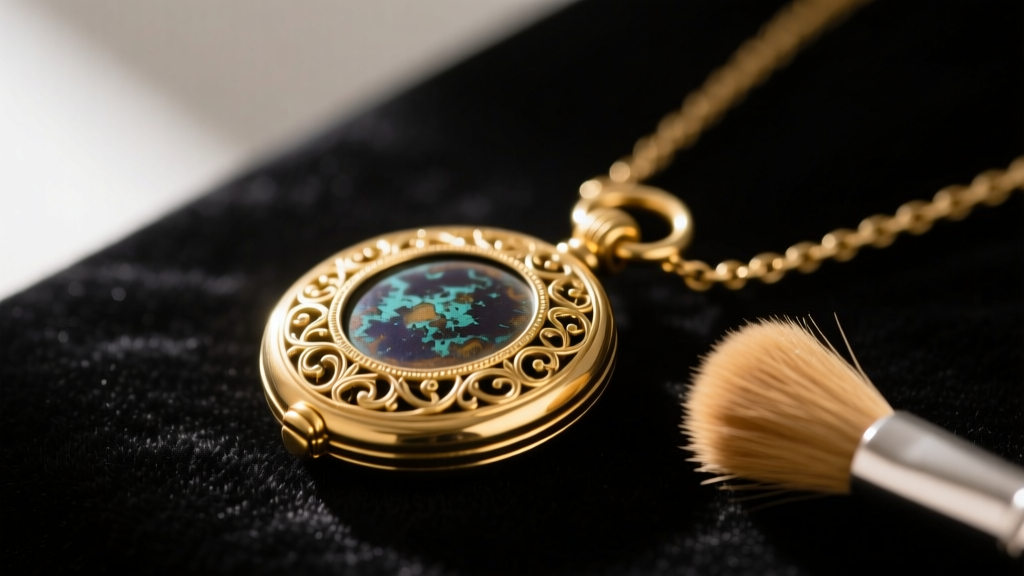
Proper conservation involves using a soft horsehair brush with a mild, phosphate-free surfactant solution. For intricate filigree work, wooden toothpicks and cotton swabs are used to manually lift decades of cosmetic residue and skin oils from the crevices. The Gemological Institute of America (GIA) explicitly warns against using harsh chemical baths on porous gemstones like pearls, turquoise, or opals, which are commonly found in vintage necklaces and will absorb chemicals, leading to irreversible structural cracking and color loss.
Sourcing and Appraisal Metrics for Heirloom Pieces
When acquiring or insuring an heirloom necklace, understanding the divergence between Fair Market Value (FMV) and Insurance Replacement Value (IRV) is crucial. FMV reflects what a willing buyer would pay a willing seller in the current secondary market—often at auction. IRV, however, represents the cost to recreate or replace the item with one of similar age, condition, and quality in a retail environment. Because the labor required to hand-forge a Victorian foxtail chain or replicate Edwardian millegrain settings is prohibitively expensive today, the IRV of a high-quality heirloom necklace can easily be three to four times higher than its FMV.
Before purchasing, always request a loupe inspection of the jump rings and clasp solder points. Look for 'slop solder'—messy, excessive solder blobs that indicate a hasty, amateur repair rather than a master restorer's work. Authentic, untouched antique solder joints are typically clean, localized, and slightly recessed. By prioritizing structural integrity, historical metallurgy, and conservative cleaning practices, you ensure that your heirloom necklace survives for the next generation without losing its historical soul.


