The Ultimate Amber Necklace Gift Guide & Occasion Matcher 2026
Discover the perfect amber necklace for every occasion in 2026. Learn to grade Baltic vs. Dominican amber, verify authenticity, and match styles.

Why Amber is the Ultimate Meaningful Gift in 2026
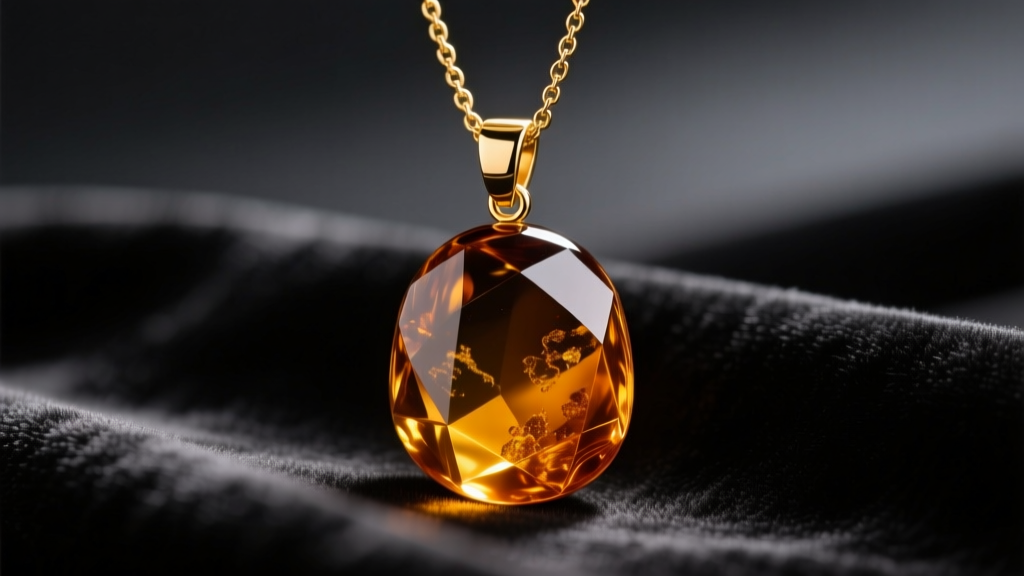
Gifting jewelry is an inherently personal endeavor, but few materials carry the profound historical and geological weight of amber. Unlike mined gemstones formed under intense tectonic pressure, amber is fossilized tree resin that has spent millions of years maturing beneath the earth or ocean floor. When you gift an amber necklace, you are not merely giving an accessory; you are presenting a tangible slice of prehistoric Earth. As we navigate the jewelry trends of 2026, organic and sustainable materials have taken center stage. Amber, with its warm, sunlit hues and unique inclusions, perfectly satisfies the modern desire for jewelry that tells a story. However, the market is flooded with treated resins, plastics, and immature copal. To gift amber confidently, you must understand its gemological properties, regional variations, and the specific occasions each type best complements.
Decoding the Resin: What You Are Actually Buying
Before selecting a piece, it is critical to understand the gemological distinctions between the primary types of amber available on the market. According to the Gemological Institute of America (GIA), true amber must be millions of years old. Anything younger is classified as copal, which is far less stable and significantly cheaper. Furthermore, amber from different regions possesses distinct chemical compositions. Baltic amber (succinite) contains high levels of succinic acid, while Dominican amber (retinite) lacks it but offers superior clarity and rare fluorescence.
| Amber Type | Age & Origin | Key Characteristics | Best For |
|---|---|---|---|
| Baltic (Succinite) | ~44 Million Years (Baltic Sea) | High succinic acid, opaque to transparent, often heat-treated to clarify. | Classic pendants, beaded strands, traditional gifts. |
| Dominican (Retinite) | ~15-20 Million Years (Caribbean) | Exceptional clarity, high insect inclusion rate, strong blue UV fluorescence. | Collector pieces, statement rings, luxury pendants. |
| Copal (Immature) | 1,000 to 1 Million Years (Colombia/Africa) | Sticky when exposed to solvents, prone to cracking and crazing over time. | Budget fashion jewelry (Avoid for heirloom gifting). |
Occasion Matching: Which Amber Necklace Fits the Moment?
Amber is incredibly versatile, but its color, cut, and setting should align with the milestone you are celebrating. Here is a definitive guide to matching the amber necklace to the occasion.
The 1st Anniversary or Milestone Birthdays
While paper is the traditional first-anniversary gift, modern couples often prefer something enduring. A deep, translucent Cherry or Cognac Baltic amber pendant set in 14k or 18k yellow gold is an exceptional choice. The warm, honeyed tones symbolize the warmth and maturation of a new marriage. For a 30th or 40th birthday, opt for a larger, freeform cabochon that highlights the organic, unforced beauty of the resin. Avoid heavily faceted amber; with a Mohs hardness of only 2 to 2.5, amber is too soft for deep faceting and will easily scratch or chip if subjected to daily abrasion.
Baby Teething Necklaces: A Critical Safety Briefing
You will frequently encounter raw, unpolished Baltic amber teething necklaces marketed to new parents, claiming that succinic acid acts as a natural analgesic when warmed by the skin. As a domain expert, I must urge extreme caution. The U.S. Food and Drug Administration (FDA) and the American Academy of Pediatrics strongly warn against these necklaces due to severe strangulation and choking hazards. If you wish to gift amber to a newborn for a christening or first birthday, pivot to a sterling silver keepsake box containing a polished amber stone, or gift a piece of amber jewelry meant for the mother to wear, keeping the child safe while honoring the tradition.
The Professional Power Piece
For a graduation, promotion, or corporate milestone, avoid the stereotypical chunky, irregular amber beads that lean heavily into bohemian aesthetics. Instead, seek out geometric amber bar pendants or sleek, bezel-set amber slices paired with a minimalist 16-inch or 18-inch stainless steel or white gold chain. The contrast between the ancient, organic resin and the sharp, modern metal creates a sophisticated, boardroom-appropriate silhouette that commands respect without overpowering a tailored blouse or blazer.
The 2026 Pricing Matrix: Avoiding Tourist Traps
Amber pricing is highly variable and heavily dependent on clarity, color, and the presence of inclusions. Use this matrix to ensure you are paying fair market value and not overpaying for treated or synthetic stones.
- Commercial Grade ($30 - $80): Standard Baltic amber beads or small pendants. These are often heavily heat-treated (clarified) to remove cloudiness and induce 'sun spangles' (internal stress fractures that look like glitter). Perfect for casual, everyday wear.
- Gem Grade ($150 - $400): High-clarity Cognac or Cherry amber, weighing between 10 to 20 carats, set in precious metals. These pieces feature minimal inclusions and rich, saturated colors achieved through careful, low-temperature roasting.
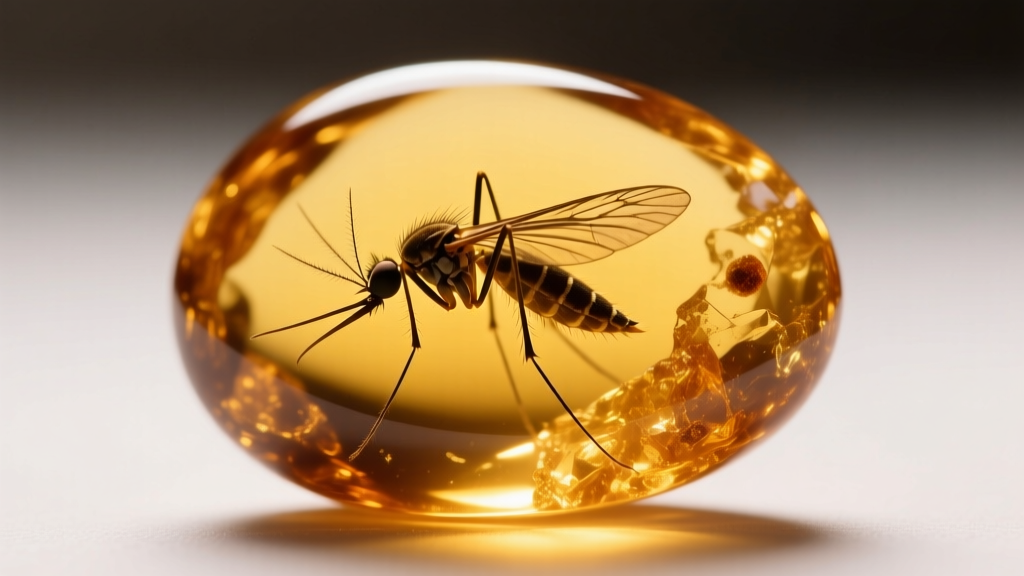
- Collector / Inclusion Grade ($500 - $2,500+): Dominican amber featuring perfectly preserved, identifiable prehistoric inclusions (e.g., mosquitoes, spiders, or rare flora). True blue amber, which exhibits a strong milky-blue fluorescence under natural sunlight or UV light, commands the highest premium per carat.
Foolproof Authenticity Tests for the Savvy Gifter
Before wrapping your gift, verify its authenticity. The market is saturated with copal and phenolic resins (plastics). While you should never perform destructive tests (like the hot needle test) on finished jewelry, you can rely on non-destructive gemological properties.
The Specific Gravity Test: True amber has a specific gravity of 1.05 to 1.10. This means it will sink in fresh water but float in heavily saturated salt water. Mix 1 part salt to 2 parts water; if your amber bead floats, it passes the first test. Copal and glass will sink.
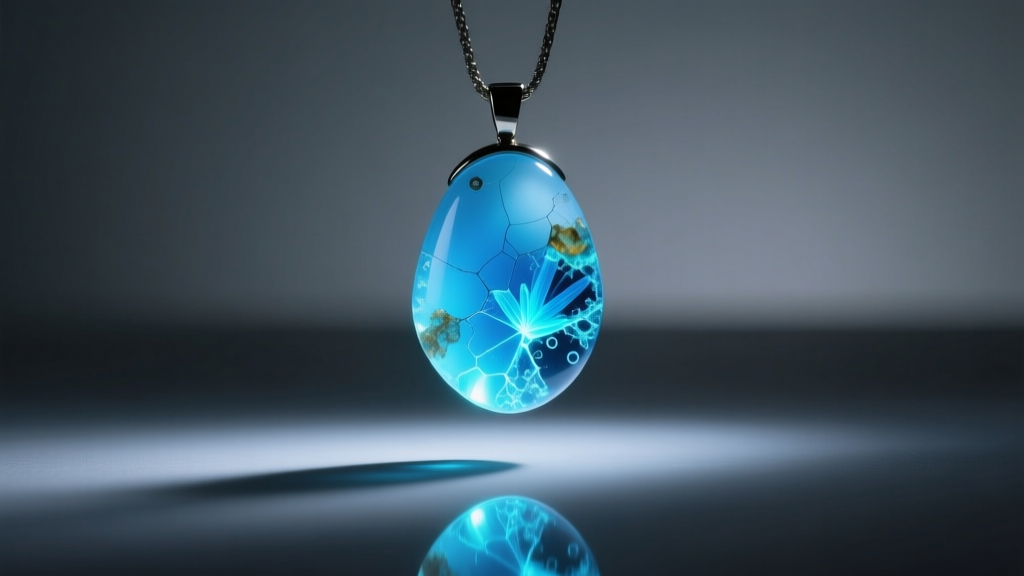
The UV Fluorescence Test: Invest in a simple 365nm UV flashlight. Genuine Baltic amber will fluoresce a pale, milky blue or green. Dominican amber will glow a vibrant, intense blue. If the piece shows no fluorescence or glows a stark, artificial white, you are likely holding a plastic imitation.
Presentation and Care: The Final Gifting Touch
Because amber is exceptionally soft and sensitive to chemicals, the way you present and instruct the recipient on its care is just as important as the piece itself. Never gift amber in a box lined with chemically treated velvet, and always include a care card. Advise the recipient to apply perfumes, hairsprays, and lotions before putting the necklace on, as alcohol and solvents will permanently cloud the surface of the resin. Furthermore, amber must never be cleaned in an ultrasonic jewelry cleaner or steamed; a simple wipe with a soft, damp microfiber cloth is all that is required to maintain its prehistoric luster for generations to come.


