The Ambush Necklace: Technical Deep Dive & Sizing Guide
Explore the Ambush necklace collection with our technical deep dive. Discover material specs, hardware weights, authentication tips, and styling advice.

The Architecture of AMBUSH: Beyond Streetwear Hype
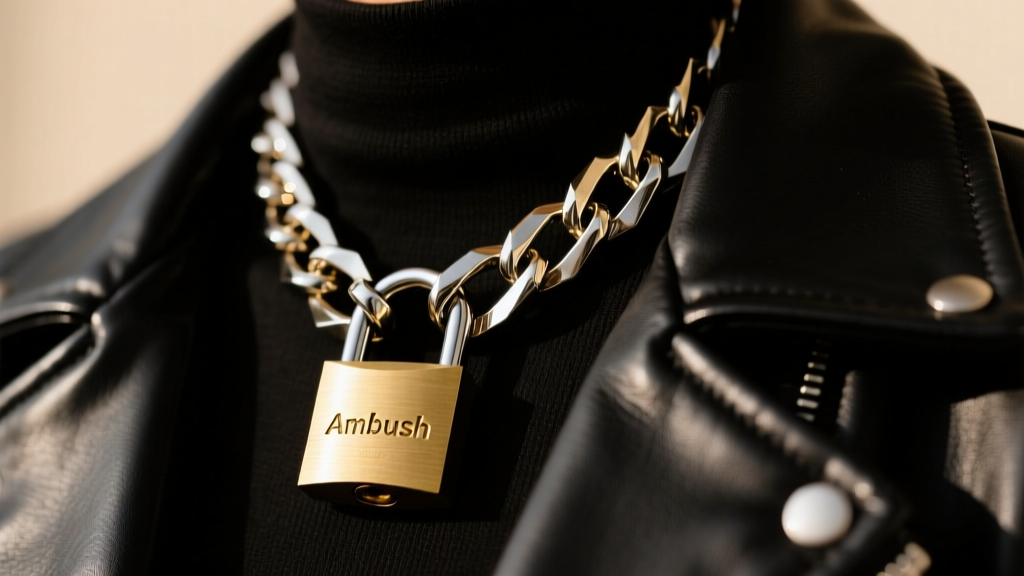
When discussing the intersection of streetwear and high jewelry, the Ambush necklace stands as a defining cultural artifact. Founded in Tokyo by Yoon Ahn and Verbal, AMBUSH disrupted the traditional jewelry market by treating utilitarian hardware—padlocks, bear traps, safety pins, and carabiners—as luxury adornments. What began as an underground experiment in tech-wear aesthetics has evolved into a global powerhouse, cemented by Yoon Ahn’s historic appointment as the first Asian woman to lead jewelry design at Dior Men. However, beneath the hype and celebrity endorsements lies a highly specific approach to metallurgy, weight distribution, and hardware engineering. As of 2026, understanding the technical specifications of an Ambush necklace is crucial for collectors, stylists, and consumers looking to invest in pieces that bridge the gap between industrial design and fine jewelry.
Material Composition: Brass Cores and Micron Plating
Unlike traditional fine jewelers who rely exclusively on solid gold or sterling silver, AMBUSH frequently utilizes jeweler’s brass (specifically CuZn39Pb3, a free-machining brass alloy) as the foundational core for its statement pieces. This is not a cost-cutting measure, but a deliberate design choice. Brass offers a superior density-to-malleability ratio, allowing for the casting of complex, heavy hardware motifs like the iconic bear trap or oversized padlock without the prohibitive weight and cost of solid silver.
To achieve the brand's signature high-polish finishes, AMBUSH employs advanced electroplating techniques. The brass cores are typically plated with either 1.5 to 3.0 microns of sterling silver (often finished with rhodium to prevent tarnishing) or 18k gold. This micron thickness is significantly higher than the 0.5-micron "flash plating" found in fast-fashion accessories, granting the jewelry a lifespan of several years before the base metal is exposed. Furthermore, many pieces receive an electrophoretic lacquer (e-coat) finish, a microscopic polymer layer that seals the metal against oxidation and skin acidity. According to AMBUSH Official, this multi-step finishing process ensures the hardware maintains its brutalist shine even under the rigorous conditions of daily streetwear use.
Iconic Hardware Motifs: Weight, Gauge, and Link Profiles
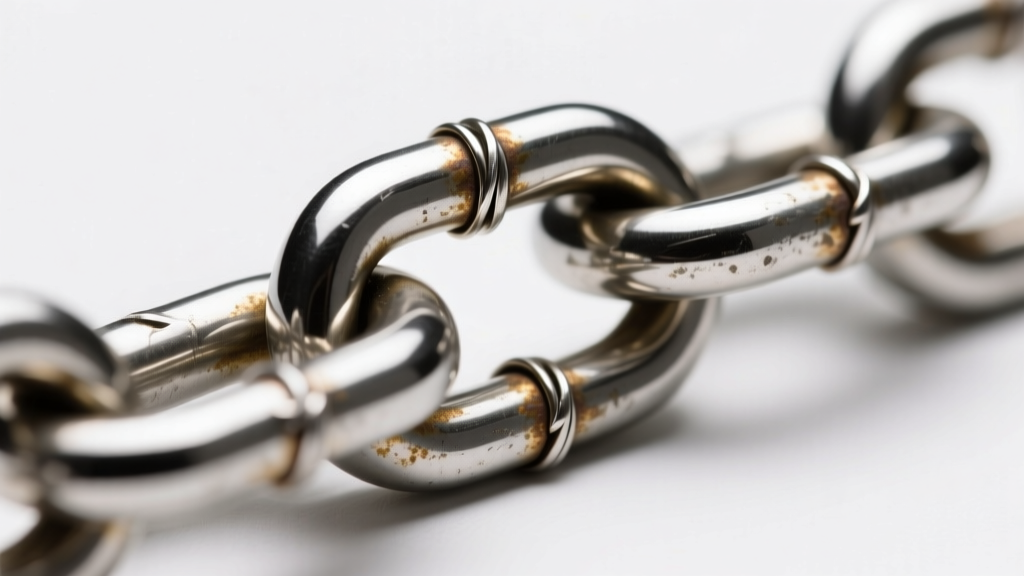
The true engineering marvel of an Ambush necklace lies in how the brand balances the extreme weight of its pendants with the tensile strength of its chains. A heavy pendant requires a chain with a high break-strength rating and appropriately sized jump rings to prevent structural failure. Below is a technical breakdown of the brand's three most iconic necklace silhouettes as seen in recent retail and archival collections.
| Hardware Motif | Base Material | Average Weight | Chain Gauge & Profile | Est. Retail Range (2026) |
|---|---|---|---|---|
| Classic Padlock | Brass / Rhodium Plate | 45g - 60g | 4mm Curb Link | $450 - $650 |
| Bear Trap Choker | Brass / Gold Plate | 85g - 120g | 6mm Custom Trap Link | $750 - $950 |
| Safety Pin Pendant | Brass / Enamel Accents | 15g - 25g | 2mm Rope Chain | $250 - $350 |
| Carabiner Clip | Stainless Steel / Brass | 55g - 70g | 5mm Paperclip Link | $500 - $700 |
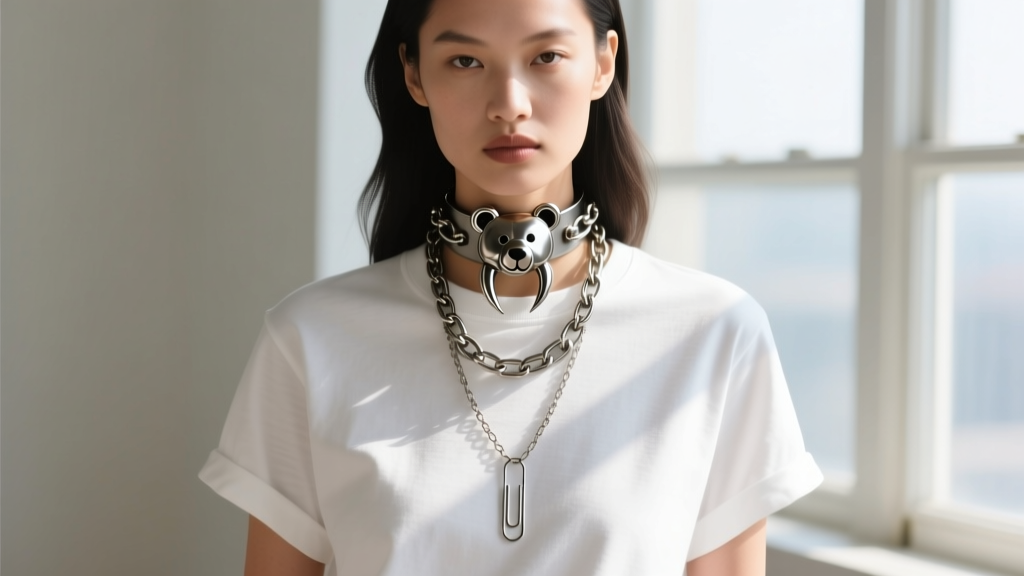
The Bear Trap necklace deserves special technical mention. The interlocking teeth of the trap motif act as a rigid collar, requiring precise cervical ergonomics. AMBUSH engineers these with articulated hinges at the posterior clasp points, allowing the heavy brass to articulate around the wearer's neck rather than sitting as a static, choking ring. This level of kinetic design is rarely seen outside of high-end horology and bespoke armor crafting.
Sizing, Proportion, and Cervical Ergonomics
Styling an Ambush necklace requires an understanding of proportion and physical tolerance. Because these pieces are inherently heavy, selecting the correct length is vital for both comfort and visual impact. A standard 20-inch chain with a 60-gram padlock pendant will rest at the mid-sternum, creating a plunging V-silhouette that pairs exceptionally well with heavyweight cotton tees or unbuttoned overshirts. However, the kinetic energy of a heavy pendant on a long chain can cause it to swing and strike the sternum during movement.
For active wearers, the 16-inch to 18-inch choker lengths are highly recommended. By keeping the hardware closer to the clavicle, the chain's arc is reduced, minimizing pendulum-like swinging. When layering, as frequently seen on retailer platforms like SSENSE, combine a rigid 16-inch bear trap choker with a lighter, 24-inch 2mm rope chain featuring a micro safety pin. This creates a staggered visual depth without overloading the cervical spine with excessive brass weight. Avoid pairing heavy Ambush hardware with delicate silk or fine-knit cashmere; the sharp edges of the cast brass and the sheer weight of the links will easily pull, snag, or tear delicate textile fibers.
Authentication & Quality Control Checklist
The secondary market for archival AMBUSH pieces, particularly early 2010s releases and the highly coveted Dior Men x Ambush collaborations, has spawned a sophisticated counterfeit ecosystem. Authenticating an Ambush necklace requires looking past the packaging and examining the metallurgical and mechanical details.
- Deep Laser Engraving vs. Acid Etch: Authentic Ambush pieces feature deep, crisp laser engraving for the "AMBUSH" logo and metal purity stamps (e.g., "BRASS" or "925"). Fakes often use shallow acid etching, which appears blurry under a 10x jeweler's loupe and lacks sharp corner definition.
- Clasp Mechanics: The brand utilizes custom-machined lobster clasps or heavy-duty spring rings. The tension spring inside an authentic clasp offers high resistance and a sharp, metallic "snap" upon closure. Counterfeit clasps often feel mushy and use inferior base-metal springs that oxidize and seize within months.
- Jump Ring Soldering: Examine the jump rings connecting the pendant to the chain. Authentic manufacturing dictates that these rings are seamlessly soldered shut to prevent the heavy pendant from slipping through the gap. Fakes frequently use unsoldered, split jump rings that will inevitably pull apart under the pendant's weight.
- Weight Verification: Use a digital jeweler's scale. Because counterfeiters often use hollow-cast zinc alloys or aluminum instead of dense jeweler's brass, a fake bear trap choker may weigh less than half of its authentic counterpart.
Care and Maintenance for Plated Streetwear Jewelry
Preserving the micron plating and e-coat finish on your hardware requires abandoning traditional jewelry cleaning methods. Never use ultrasonic cleaners or harsh chemical silver dips on an Ambush necklace. The high-frequency vibrations of an ultrasonic bath will micro-fracture the electrophoretic lacquer, while chemical dips will instantly strip the rhodium or gold plating, exposing the raw brass core to rapid oxidation.
Instead, adopt a dry-maintenance routine. After wearing, wipe the hardware with a clean, untreated microfiber cloth to remove sebum, sweat, and environmental pollutants. If the piece requires deeper cleaning, use a drop of pH-neutral dish soap on a damp cloth, gently rub the brass links, and immediately dry with a separate microfiber towel. Store the necklace flat in its original flannel pouch; hanging heavy chains on standard jewelry hooks can cause long-term stress deformation on the posterior links. For comprehensive brand history and seasonal release archives, resources like Hypebeast's Ambush tag remain invaluable for tracking the evolution of these technical specifications over the years.
Ultimately, an Ambush necklace is not merely a logo carrier; it is a piece of functional industrial art. By understanding the material science, weight distribution, and mechanical engineering that goes into every link and clasp, collectors can properly maintain, authenticate, and style these heavy metal artifacts for decades to come.


