American Flag Cross Necklace: Troubleshooting Enamel & Tarnish
Is your American flag cross necklace losing its color or tarnishing? Learn expert troubleshooting tips to fix enamel chips, prevent rust, and restore shine.

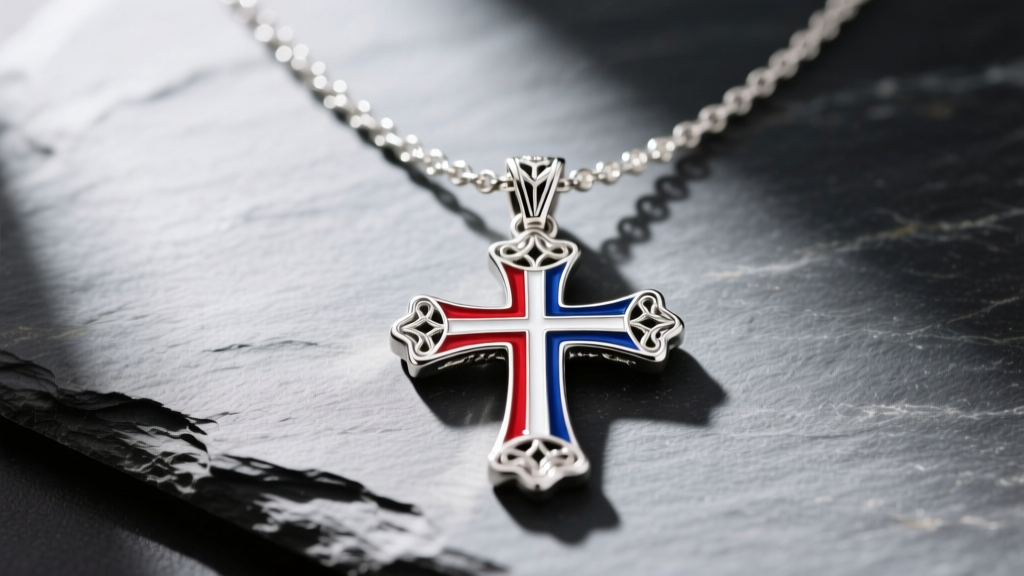
The Anatomy of Patriotic Pendants
An American flag cross necklace is more than just a symbolic accessory; it is a complex piece of mixed-media jewelry that presents unique maintenance challenges. By merging a traditional religious or memorial silhouette with the intricate color-blocking of the United States flag, jewelers must combine base metals or precious alloys with enamel inlays. This intersection of materials creates specific failure points that standard silver or gold pendants simply do not experience.
Whether you own a piece crafted from 925 sterling silver, 316L surgical stainless steel, or a zinc-alloy base, the combination of metal and colored resin or glass requires specialized care. In this comprehensive 2026 troubleshooting guide, we will diagnose the most common issues plaguing patriotic jewelry—from yellowing white stripes to snapped chains—and provide actionable, expert-level solutions to restore your necklace to its former glory.
Troubleshooting Enamel Damage: Chips, Fading, and Cracks
The most prominent feature of an American flag cross pendant is its vibrant red, white, and blue inlay. However, enamel is the most fragile component of the necklace. To properly troubleshoot damage, you must first identify which type of enamel your jeweler used during manufacturing.
Cold Enamel (Epoxy Resin) vs. Vitreous Enamel (Glass)
The vast majority of commercially available flag cross necklaces utilize cold enamel, which is technically a two-part epoxy resin. While cost-effective and capable of producing bright, opaque colors, cold enamel is highly susceptible to environmental degradation. The white stripes of the flag are particularly prone to UV-induced yellowing, as the ultraviolet radiation breaks down the polymer chains in the bisphenol-A diglycidyl ether base. Furthermore, cold enamel shrinks slightly as it cures, which can lead to micro-gaps between the resin and the metal channel, eventually causing the inlay to pop out or chip upon impact.
Conversely, high-end, custom-made pendants may use vitreous enamel, which is powdered glass fired in a kiln at temperatures exceeding 1,400°F (760°C). Vitreous enamel will never yellow or shrink, but it is brittle. A hard drop on a tile floor can cause thermal or impact shock, resulting in spider-web cracks.
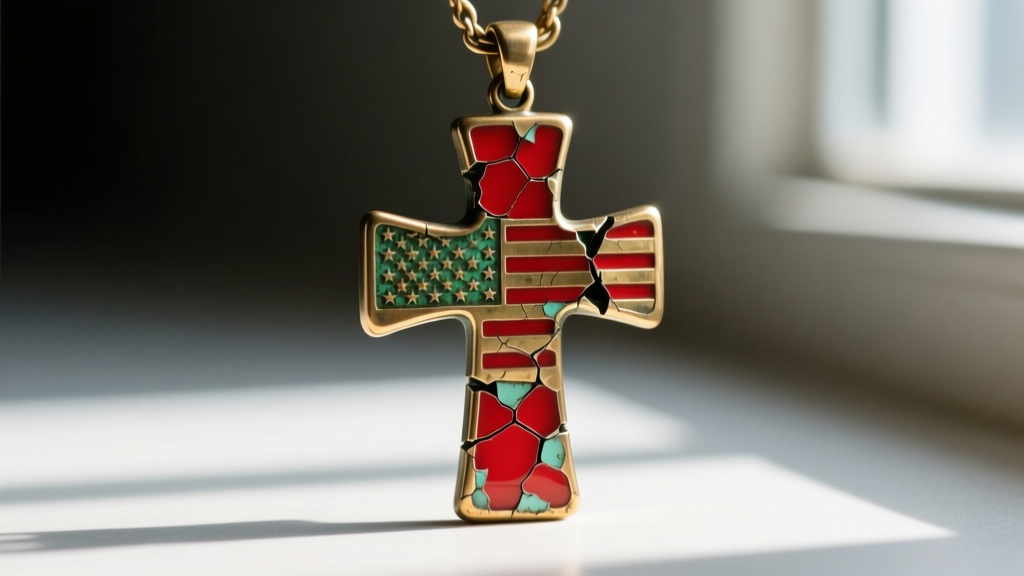
How to Fix Chipped Cold Enamel at Home:
- Clean the Channel: Use a cotton swab dipped in 99% isopropyl alcohol to remove skin oils and debris from the chipped area. Do not use acetone, as it will melt the surrounding intact enamel.
- Color Match: Purchase a jeweler's two-part clear epoxy. Mix it on a glass palette and use microscopic amounts of oil-based enamel pigment to match the original red or blue.
- Apply and Level: Use a fine-tipped dental pick to drop the resin into the channel. Surface tension will help it level. Let it cure for 24 hours in a dust-free environment.
Expert Warning: Never attempt to DIY a vitreous glass enamel repair. Glass requires kiln firing to bond; applying epoxy over cracked glass will only trap moisture against the base metal, accelerating severe sub-surface corrosion.
Solving Metal Tarnish and Base Corrosion
Tarnish is a chemical reaction, not a defect. When the copper alloyed within 925 sterling silver reacts with sulfur compounds in the air, sweat, or cosmetics, it forms silver sulfide (Ag2S), presenting as a black or yellowish film. According to the Silver Institute, high humidity and exposure to latex, wool, and certain foods dramatically accelerate this process.
When tarnish occurs on an American flag cross necklace, it is particularly problematic because the dark silver sulfide can seep into the microscopic seams between the metal and the enamel, creating a dirty outline that ruins the crisp contrast of the flag design.
| Metal Type | Tarnish Rate | Corrosion Risk | Skin Reaction Risk |
|---|---|---|---|
| Zinc Alloy (Brass base) | Very High | High (Verdigris) | High (Nickel/Copper) |
| 925 Sterling Silver | Moderate | Low | Low (if nickel-free) |
| 316L Surgical Steel | None | Very Low | Very Low |
| Grade 23 Titanium | None | None | None (Hypoallergenic) |
Troubleshooting Severe Tarnish Near Enamel:
Avoid commercial silver dip solutions. These acidic thiourea-based liquids are highly porous and will stain cold enamel inlays permanently. Instead, create a paste of baking soda and distilled water. Apply it only to the metal using a soft-bristled baby toothbrush, carefully avoiding the colored channels. Rinse with distilled water and dry immediately with a microfiber cloth.
Chain and Clasp Failures: Supporting the Weight
A solid metal American flag cross pendant is surprisingly heavy, typically weighing between 12 grams and 22 grams depending on its dimensions and material density. Many manufacturers pair these heavy pendants with inadequate, lightweight chains to cut costs, leading to inevitable structural failures.
Upgrading the Chain Gauge and Clasp
If your necklace chain frequently snaps or the clasp pops open, the issue is dynamic load failure. A standard 0.8mm or 1.0mm cable chain cannot withstand the kinetic energy generated when a 15-gram pendant swings and abruptly stops.
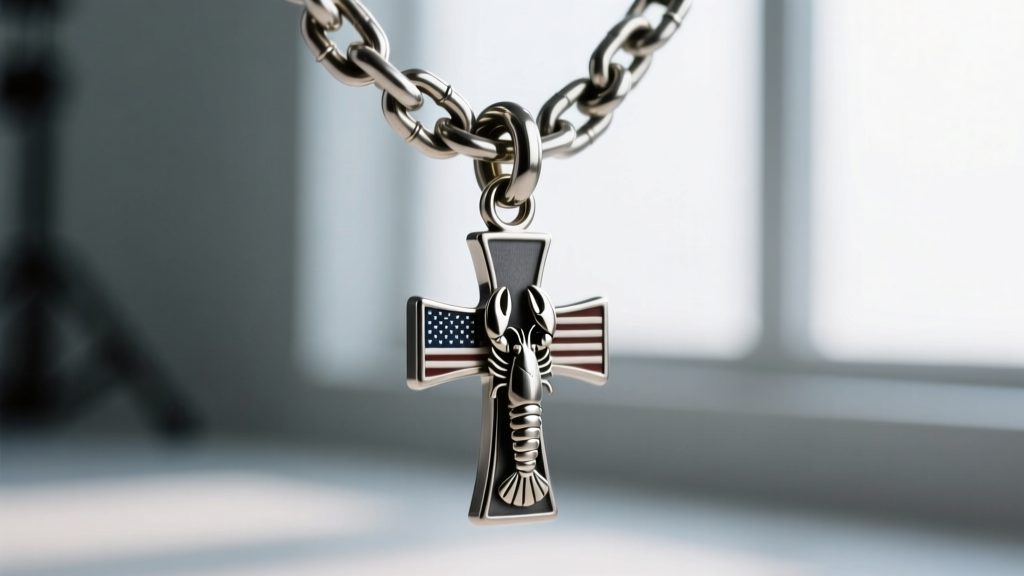
The Actionable Fix:
- Upgrade the Chain Style: Switch to a Box Chain or a Curb Chain. These styles feature interlocking, flat-surfaced links that distribute weight evenly and resist kinking. Aim for a minimum thickness of 1.5mm to 2.0mm.
- Replace the Clasp: Discard the factory-installed spring ring clasp. The internal tension spring in a spring ring will fatigue and fail under heavy loads. Upgrade to a Lobster Clasp, which features a solid cast body and a much stronger internal spring mechanism.
- Check the Jump Rings: The jump ring connecting the pendant to the chain is the weakest link. Ensure the jump ring is made of at least 16-gauge (1.3mm) wire thickness and, ideally, is soldered shut so it cannot be pulled apart by the pendant's weight.
Safe Cleaning Protocols for Patriotic Jewelry
Routine cleaning is essential to prevent the buildup of dead skin cells and sebum, which can dull the metal and degrade the enamel over time. However, modern jewelry cleaning tools can be highly destructive to mixed-media pieces.
Never Use Ultrasonic Cleaners:
Ultrasonic cleaners use high-frequency sound waves (typically 40,000 Hz) to create microscopic cavitation bubbles in a cleaning solution. While excellent for diamond rings, these violent microscopic implosions will shatter vitreous glass enamel and cause cold epoxy enamel to detach from the metal channels. Furthermore, the vibrations can easily unscrew the tiny threads on a lobster clasp or fracture a soldered jump ring.
The Correct Weekly Cleaning Method:
- Mix three drops of mild, phosphate-free dish soap (like Dawn) into a bowl of lukewarm—not hot—water. Extreme temperature changes can cause thermal shock to the enamel.
- Submerge the necklace for no more than 3 minutes.
- Gently agitate the water. Use a very soft makeup brush (not a toothbrush, which can scratch high-polish silver) to lightly sweep over the metal and enamel.
- Rinse under a gentle stream of lukewarm water.
- Pat dry with a lint-free cloth and allow it to air dry completely before storing it in an anti-tarnish pouch.
Addressing Skin Irritation and Metal Allergies
If you experience a red, itchy rash on your chest where the pendant rests, you are likely suffering from allergic contact dermatitis. According to the Mayo Clinic, nickel is the most common culprit in jewelry allergies, often hidden in the base alloys of cheap zinc or brass pendants, or even in the solder used to close jump rings on silver chains.
Troubleshooting Skin Reactions:
If you cannot return the necklace, you can create a temporary barrier by painting the back of the pendant and the chain with clear, flexible nail polish or a specialized jewelry coating like Jewelerskin. However, this is a band-aid solution. For a permanent fix, take the piece to a local jeweler and have them electroplate the back of the pendant with a thick layer of pure rhodium or 24k gold, which are completely hypoallergenic and will permanently seal the offending nickel alloys away from your skin.
When to Seek Professional Jewelry Repair
While home troubleshooting can resolve minor cosmetic issues and chain upgrades, certain failures require a professional bench jeweler. If the actual metal cross has bent or warped, attempting to bend it back into shape with pliers will instantly crush and shatter the rigid enamel inlays. Similarly, if the bail (the loop at the top of the cross that the chain passes through) has worn thin and snapped, a jeweler must laser-weld a new bail onto the piece. Laser welding is crucial here, as traditional torch soldering generates intense, localized heat that will melt or burn the flag's colored enamel. By understanding the specific material science behind your American flag cross necklace, you can ensure it remains a vibrant, enduring symbol for years to come.


