Amethyst Necklace With Diamonds: 2026 Value & Pricing Guide
Discover if an amethyst necklace with diamonds holds its value. Our 2026 pricing guide breaks down carat weights, metal grades, and smart buying tips.

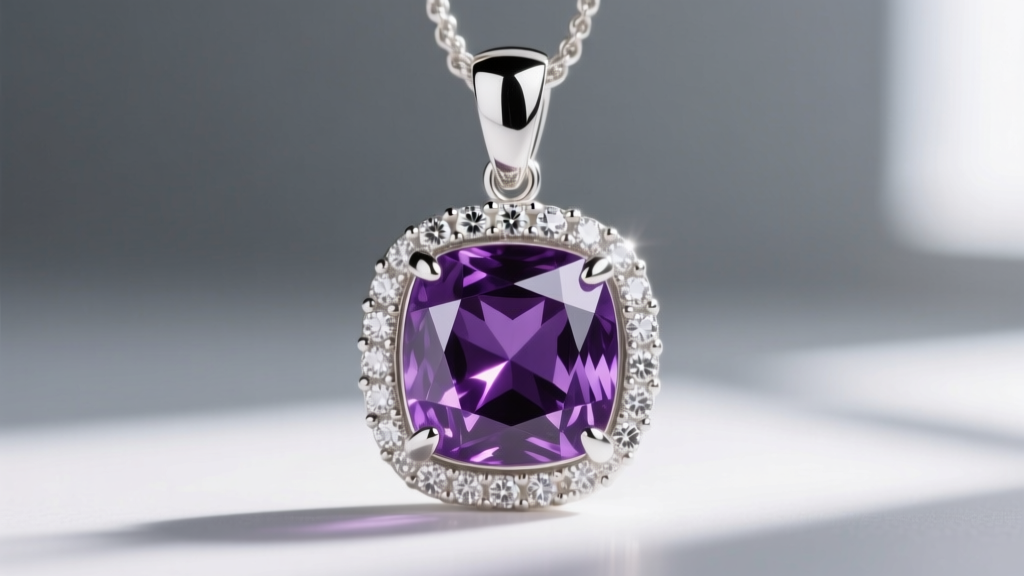
The True Market Value of Amethyst and Diamond Pendants
When evaluating an amethyst necklace with diamonds, buyers often conflate the sentimental beauty of the piece with its intrinsic financial value. As we navigate the 2026 gemstone market, it is crucial to understand that amethyst, a variety of quartz, is relatively abundant. Therefore, the financial anchor of these necklaces relies heavily on the quality of the diamond accents, the precious metal setting, and the specific color grade of the amethyst. Unlike sapphire or ruby, where the center stone dictates 90% of the price, an amethyst pendant requires a holistic appraisal of its supporting materials.
According to the Gemological Institute of America (GIA), the most valuable amethysts exhibit a strong reddish-purple or purple color with no visible color zoning. However, when paired with diamonds, the contrast between the deep violet quartz and the brilliant white melee diamonds creates a high-end visual effect that often commands a premium retail markup. Understanding where your money actually goes is the first step in making a financially sound jewelry purchase.
Breakdown of 2026 Pricing Tiers
To accurately assess budget and value, we must segment the market into distinct pricing tiers. The following table outlines what you can expect to pay based on material grades and craftsmanship.
| Tier | Amethyst Origin & Grade | Diamond Quality | Metal Setting | Estimated Retail Price |
|---|---|---|---|---|
| Commercial | Brazilian, pale/medium purple | I2-I3 clarity, single-cut melee | 10k White or Yellow Gold | $150 - $400 |
| Fine | Uruguayan, deep purple | I1-SI2 clarity, full-cut melee | 14k Gold (White/Yellow/Rose) | $450 - $1,200 |
| Premium | Siberian color, 80% saturation | SI1-VS2 clarity, G-H color | 18k Gold or Platinum | $1,500 - $3,500 |
| Bespoke | Custom-cut, museum grade | VS+ clarity, D-F color | Heavy Platinum, artisan mount | $4,000+ |
How to Assess the Amethyst Quality
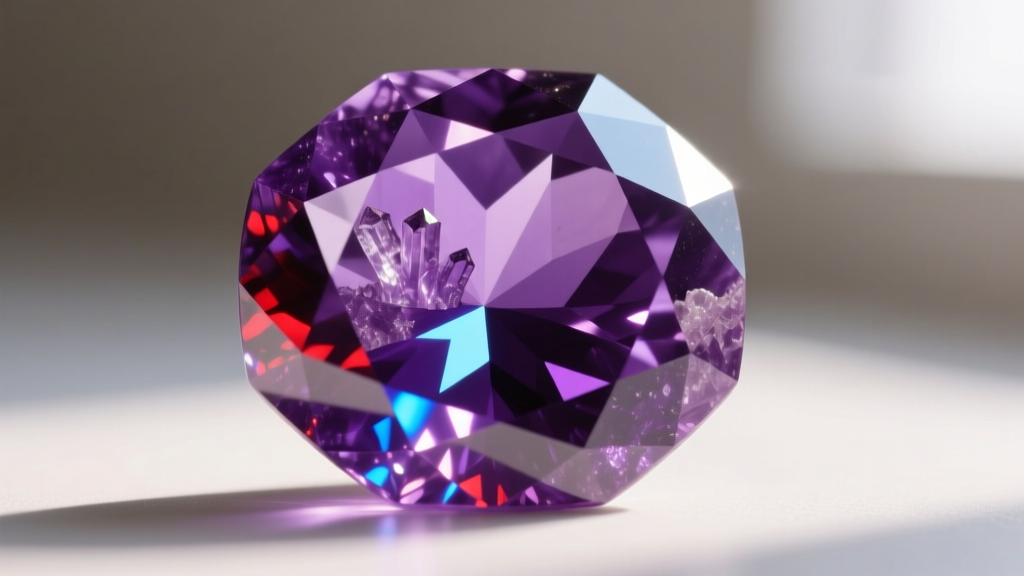
Not all purple quartz is created equal. The value of the center stone in your necklace hinges on three primary factors: color saturation, clarity, and cut precision.
The 'Siberian' Color Premium
The gold standard for amethyst is the 'Siberian' color grade. This designation refers to a gemstone with a primary purple hue ranging from 75% to 80% saturation, accompanied by 15% to 20% secondary flashes of red and blue. Under incandescent lighting, a true Siberian amethyst will exhibit a velvety depth that pale stones (often marketed as 'Rose de France') completely lack. If a jeweler is charging a premium for an amethyst necklace with diamonds, demand proof that the center stone meets this strict color criteria. Pale or heavily zoned stones should drastically reduce the baseline price of the piece.
Clarity, Cut, and Synthetic Risks
Amethyst is an eye-clean gemstone by definition. Any visible inclusions, milkiness, or internal fractures should immediately disqualify the stone from a premium valuation. Furthermore, because amethyst has a Mohs hardness of 7, it is susceptible to abrasion over time. A poorly executed cut with thin girdles or sharp, unprotected points (like in a marquise or pear shape) increases the risk of chipping against the harder diamond melee accents. Be highly vigilant regarding synthetic amethyst. Hydrothermal lab-grown quartz is chemically identical to natural amethyst but costs a fraction of the price. While synthetics are perfect for fashion jewelry, they hold zero resale value and should never be set in high-end diamond mounts. Always request a gemstone identification report from a reputable lab if the price tag exceeds $2,000.
Evaluating the Diamond Accent Factors
The diamonds in these necklaces are typically 'melee' stones—small diamonds weighing less than 0.15 carats each. While they may seem insignificant individually, their collective quality dictates the overall brilliance and value of the piece.
'Melee diamonds are the unsung heroes of jewelry design. Their cut quality directly impacts the light return of the entire piece, yet they are frequently overlooked in standard appraisals.' — GIA Research Department
Single Cut vs. Full Cut Melee
Manufacturers often use single-cut melee (featuring only 17 or 18 facets) to reduce costs on commercial-grade necklaces. While acceptable for tiny accents under 0.03 carats, single-cut diamonds lack the scintillation of full-cut melee (57 or 58 facets). When investing over $1,000 in a diamond-accented amethyst pendant, insist on full-cut diamonds in the G-H color range and SI1-SI2 clarity. Lower grades (I1-I3 or I-J color) will appear cloudy or yellowish, muddying the contrast against the purple quartz.
Metal Choices and Long-Term Durability
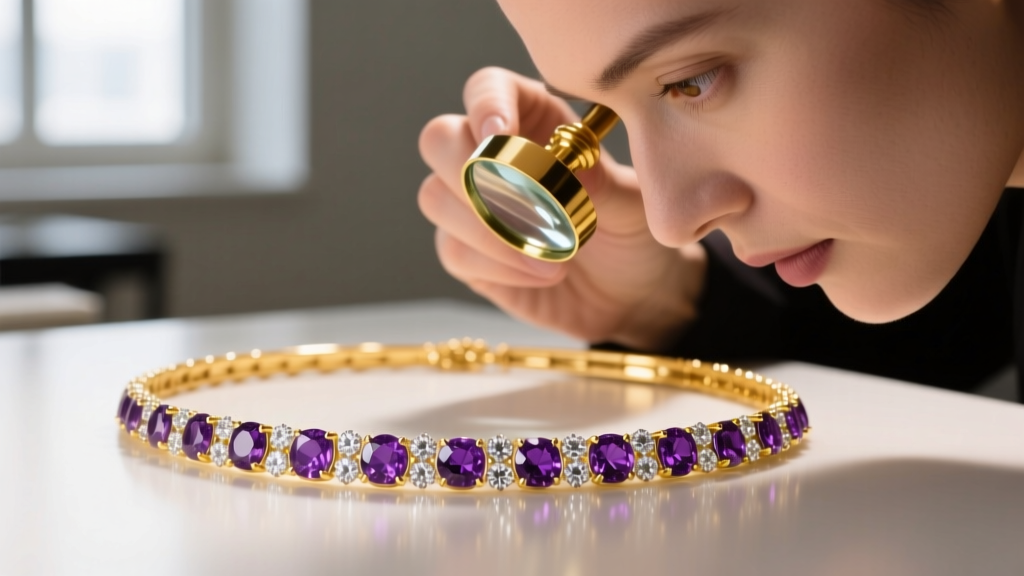
The metal setting is the structural backbone of any amethyst necklace with diamonds. Your choice of alloy affects both the upfront cost and the long-term maintenance budget. Proper metal selection ensures the piece withstands daily wear without compromising the gemstones.
- 14k White Gold: The most common and budget-friendly choice. However, it requires rhodium replating every 12 to 18 months to maintain its bright white appearance. Factor in a $50-$80 annual maintenance cost to keep the setting looking pristine against the diamonds.
- 18k Yellow Gold: Offers a rich, warm contrast to purple amethyst. It does not require plating, making it a superior long-term value proposition despite a 20% higher initial material cost. The warmth of the gold enhances the red flashes in Siberian amethysts.
- Platinum: The ultimate choice for heirloom pieces. Platinum's density ensures that the prongs holding the diamond melee will not wear down over decades. However, it commands a significant premium and is usually reserved for necklaces featuring top-tier amethysts and VS-clarity diamonds.
The chain itself is a hidden cost factor. A delicate 14k cable chain might only add $150 to the retail price, but it is prone to kinking and snapping under the weight of a heavy diamond-halo pendant. Upgrading to a solid 18k box chain or a reinforced wheat chain adds approximately $300 to $500 to the initial budget but prevents catastrophic loss of the pendant.
Smart Buying Framework: Avoiding Retail Markups
To ensure you are paying for actual value rather than brand marketing, apply this three-step assessment framework before purchasing:
- Demand Total Carat Weight (TCW) Breakdown: Retailers often list '1/2 CTW Diamonds.' Require a written breakdown specifying the exact weight of the center amethyst and the combined weight of the diamond melee. This prevents you from overpaying for a piece where 90% of the weight is inexpensive quartz.
- Check for Windowing: Tilt the amethyst pendant under direct light. If you can read text through the center of the stone, the cutter has 'windowed' the gem to save rough weight. This kills the stone's brilliance and severely diminishes its value.
- Verify Prong Clearance: Ensure the diamond prongs are not physically touching or resting on the amethyst's pavilion. Because diamonds are a 10 on the Mohs scale, friction over time will literally carve grooves into the softer amethyst, causing permanent structural damage.
Final Verdict: Is It a Good Investment?
From a purely financial standpoint, an amethyst necklace with diamonds is not a liquid asset or a traditional investment vehicle. You will not recoup retail costs upon resale. However, from a value-per-wear and aesthetic perspective, it is an exceptional choice. By targeting the mid-to-premium tier ($800–$2,500), prioritizing full-cut melee diamonds, and selecting an 18k gold or platinum setting, you secure a durable, breathtaking piece of jewelry that will outlast fast-fashion trends and retain its structural integrity for generations. For comprehensive care guidelines to maintain your investment, consult the Jewelers of America maintenance resources.


