What is the Normal Necklace Length? The Ultimate Sizing Guide
Discover what is the normal necklace length for men and women. Our expert sizing guide covers measurements, chain gauges, and neckline matching.

The Direct Answer: What is the Normal Necklace Length?
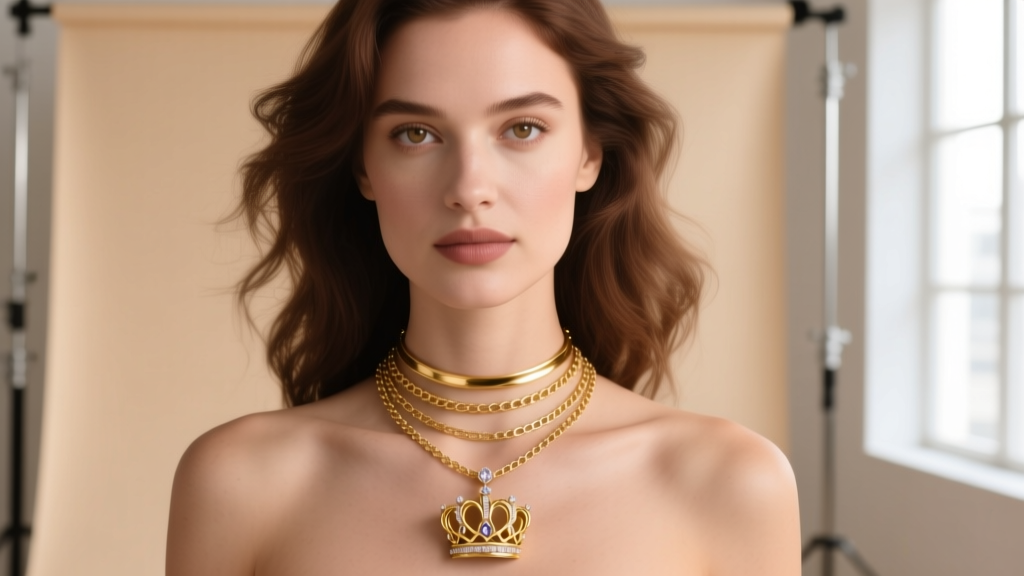
When shoppers ask, "what is the normal necklace length," the most accurate answer depends on gender and anatomy, but there are universally accepted industry standards. For women, the standard or "normal" necklace length is 18 inches (often referred to as the Princess length). This measurement is designed to rest elegantly just below the collarbone, making it the most versatile choice for everyday pendants and solitaire diamonds. For men, the standard length is 20 inches, which sits comfortably at the base of the neck or just above the collarbone, accommodating a broader neck and chest profile.
However, treating these standard lengths as a one-size-fits-all solution is a common buying mistake. Neck circumference, torso length, and the specific neckline of your clothing all dictate how a chain will drape. According to the Gemological Institute of America (GIA), understanding the interplay between chain length, gauge thickness, and pendant weight is crucial for both aesthetics and the structural longevity of the jewelry.
The Standard Necklace Length Chart
To make an informed purchase, you must understand the traditional jewelry industry terminology for chain lengths. Below is the definitive breakdown of standard lengths, where they fall on the body, and their ideal use cases.
| Length (Inches) | Industry Name | Placement on Body | Best For |
|---|---|---|---|
| 12" - 13" | Collar | Wraps tightly around the mid-neck | Multi-strand chains, Victorian styles |
| 14" - 16" | Choker | Base of the neck / collarbone | Delicate gold chains, minimalist pendants |
| 17" - 19" | Princess | Just below the collarbone | The "normal" standard; solitaire diamonds |
| 20" - 24" | Matinee | Center of the bust / chest | Layering, statement pieces, men's chains |
| 28" - 36" | Opera | Below the bust / sternum | High necklines, formal wear, doubling up |
| 37"+ | Rope / Lariat | Mid-torso to waist | Bohemian styles, wrapping, knotting |
How to Measure for Your Ideal Fit
Relying solely on standard sizing can lead to disappointment, especially if you have a longer torso or a wider neck circumference. To find your true ideal length, you need to measure accurately using the "String and Mirror" method.

The String and Mirror Method
- Use a non-stretch string: Do not use a metal tape measure, as it will not drape naturally. Use a soft tailoring tape or a piece of cotton string.
- Stand in front of a mirror: Drape the string around your neck and bring the ends together at the center of your chest.
- Adjust to preference: Slide the string up or down until it hits the exact point where you want your pendant to rest.
- Measure the string: Lay the string flat against a rigid ruler to get your exact custom measurement.
The "Two-Finger" Comfort Rule
According to guidelines from Jewelers of America, a properly fitted necklace should never feel constrictive. When measuring for a choker or collar (14"-16"), always apply the "two-finger rule." You should be able to comfortably slide two fingers between the chain and your neck. If you are between standard sizes (e.g., you measure 17.5 inches), always round up to the next standard size (18 inches) or purchase a chain with a 2-inch extender.
Matching Lengths to Necklines and Occasions
A necklace that looks stunning with a V-neck blouse might completely clash with a turtleneck. Here is a practical decision framework for pairing lengths with common necklines:
- Crew Necks (T-shirts, standard sweaters): Opt for a 16-inch choker that sits above the fabric line, or a 22-to-24-inch Matinee that rests entirely below the collar. Avoid 18-inch chains, as they will awkwardly compete with the shirt's hem.
- V-Necks and Wrap Dresses: The 18-inch Princess or 20-inch Matinee is ideal. The chain should mimic the angle of the V-neck, creating a parallel line that elongates the neck.
- Strapless and Off-the-Shoulder: You have maximum canvas. A 14-inch multi-strand choker draws attention to the collarbones, while a dramatic 32-inch Opera length adds vertical elegance to formal gowns.
- Turtlenecks and High Collars: Never wear short chains over thick fabrics; they will snag and look cramped. Choose a 28-inch or longer Opera/Rope chain. The heavy drape over dark, solid fabrics creates a sophisticated, elongated silhouette.
Chain Gauge, Weight, and Clasp Mechanics
One of the most overlooked aspects of buying a necklace is the relationship between the chain's length, its gauge (thickness), and the clasp hardware. A 24-inch chain behaves entirely differently from a 16-inch chain in terms of physics and wearability.
Gauge Thickness by Length
As a chain gets longer, it requires a thicker gauge to maintain structural integrity and visual proportion. A 1.0mm cable chain looks elegant at 16 inches, but at 24 inches, it will look flimsy, tangle constantly, and risk snapping under the weight of its own metal.
- 14" - 16" (Chokers): 1.0mm to 1.5mm gauge. Best with lightweight spring ring clasps.
- 17" - 20" (Standard): 1.5mm to 2.5mm gauge. Ideal for supporting small to medium pendants (up to 3 grams).
- 22" - 30"+ (Long Chains): 2.5mm to 5.0mm+ gauge. Necessary for heavy pendants, streetwear styles, and preventing metal fatigue.
Preventing the "Pendulum Effect"
The "pendulum effect" occurs when a necklace constantly slides to the back of your neck, forcing you to readjust it all day. This happens when the clasp is heavier than the chain itself, or when the chain is too long and thin to create enough friction against the skin or clothing. To fix this on longer chains (22"+), ensure the jeweler uses a lightweight hollow clasp, or counterbalance the back by adding a small decorative metal tag near the clasp to anchor it.
Troubleshooting Common Sizing Mistakes
Even experienced buyers make errors when selecting necklace lengths. Here is how to troubleshoot the most common issues:
Pro-Tip: The Extender Chain Solution
If you are buying a gift and are unsure of the recipient's exact neck circumference, always choose a necklace that includes a 2-inch extender chain. This small addition of links at the clasp allows an 16-inch chain to adjust up to 18 inches, bridging the gap between a Choker and a Princess length and guaranteeing a comfortable fit.
Pendant Bail Sizing
If you are buying a chain and a pendant separately, you must check the bail (the loop that connects the pendant to the chain). A common mistake is buying a thick 4mm Cuban link chain and a pendant with a narrow 2mm bail. As a rule of thumb, the inner diameter of the pendant bail must be at least 1.5mm larger than the width of the chain gauge to allow the pendant to slide freely and lay flat against the chest.
Hair Snagging and Clasp Types
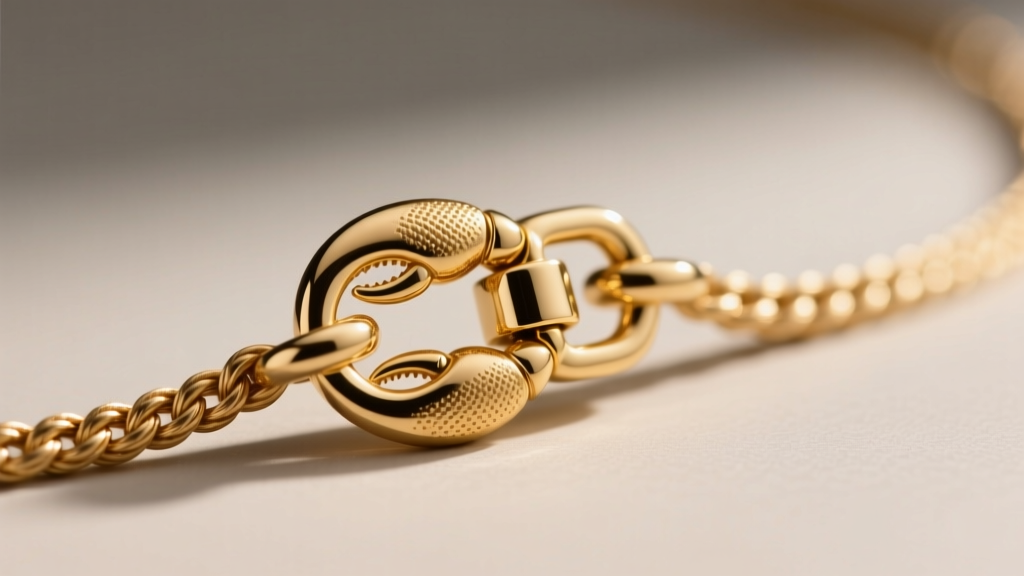
For those with long hair, standard spring ring clasps on 16" and 18" chains are notorious for catching and pulling hair. When purchasing shorter lengths, specifically request a lobster claw clasp or a magnetic clasp. Lobster claws have a solid, enclosed lever mechanism that eliminates the tiny gap where hair gets trapped, vastly improving daily comfort.
Final Buying Advice
Understanding what is the normal necklace length is just the starting point. While 18 inches for women and 20 inches for men remain the industry benchmarks for a reason, your personal anatomy and wardrobe should dictate your final choice. Always measure with a soft string, consider the gauge thickness relative to the chain's total length, and ensure your clasp hardware is proportionate to the metal weight. By applying these structural and aesthetic guidelines, you will invest in a necklace that not only fits perfectly but drapes flawlessly for years to come.


