Anal Bead Necklace Guide: Budget & Material Value in 2026
Evaluate the true value of an anal bead necklace. We compare body-safe materials, hardware grades, and pricing tiers for this edgy alternative accessory.

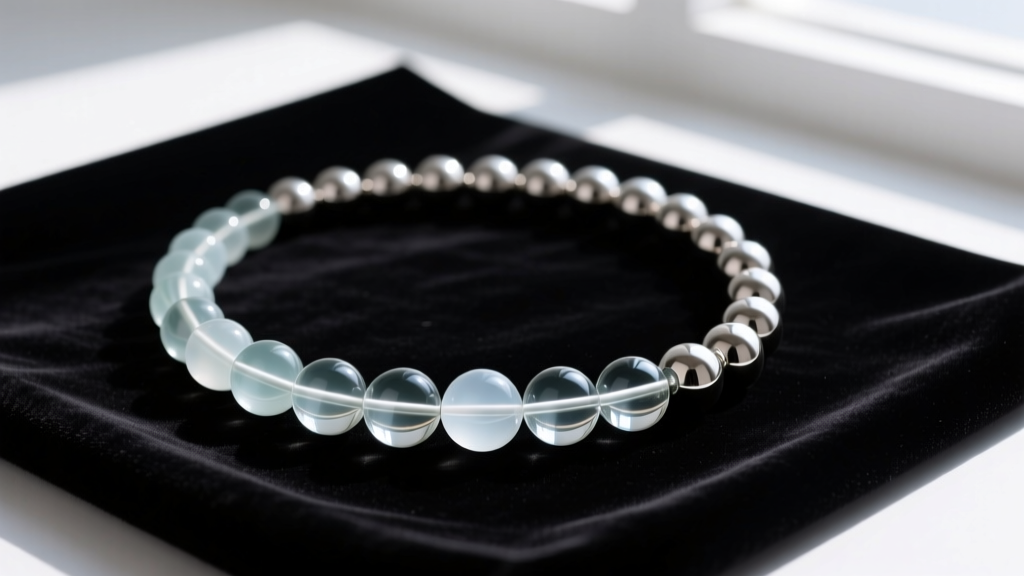
The Intersection of Provocation and Craftsmanship
In the landscape of alternative fashion, sex-positive apparel, and avant-garde club styling, the anal bead necklace has emerged as a bold, provocative statement piece. Reclaimed from its intimate origins and repurposed as edgy outerwear, this graduated bead silhouette demands attention. However, as this trend has accelerated into 2026, the market has become heavily saturated with poorly constructed, mass-produced knockoffs. When worn against the sensitive skin of the neck, clavicle, and chest, material safety and structural integrity are not just a matter of luxury—they are a matter of health.
As a senior evaluator for Jewel Style Radar, I have spent the last decade analyzing body-safe jewelry and alternative accessories. The core problem with the budget tier of this specific necklace category is the reliance on porous, toxic plastics and cheap, nickel-leaching hardware. In this comprehensive budget and value assessment, we will deconstruct the material science, hardware grading, and pricing tiers of the anal bead necklace to help you determine where your money is best spent.
Material Science: Skin-Safe vs. Toxic Plastics
The beads themselves form the primary surface area in contact with your skin. Because the neck and chest are highly susceptible to contact dermatitis and sweat accumulation, the material grade is the single most important factor in your purchasing decision.
Platinum-Cured Silicone (The Gold Standard)
High-quality alternative necklaces utilize 100% platinum-cured silicone. Unlike tin-cured silicones, platinum-curing leaves no toxic byproducts, resulting in a completely inert, hypoallergenic material. When assessing value, look for a Shore A durometer rating between 10 and 20. This specific hardness provides a supple, skin-like drape that conforms to the collarbone without pulling or chafing. Premium pieces will feature seamless molding, meaning no parting lines where bacteria and dead skin cells can accumulate.
Borosilicate Glass and Surgical Metals
For those seeking a rigid, high-fashion aesthetic, borosilicate glass and 316L surgical steel are the premier choices. Borosilicate glass is kiln-annealed to relieve internal stresses, making it highly resistant to thermal shock and physical impact. According to the Association of Professional Piercers, implant-grade 316L steel and ASTM F-136 titanium are the only metals recommended for prolonged contact with compromised or sensitive skin, making them ideal for heavy, graduated metal bead necklaces.
The Danger Zone: TPR, TPE, and PVC
If you are browsing budget marketplaces and see necklaces priced under $15, you are likely looking at Thermoplastic Rubber (TPR) or Polyvinyl Chloride (PVC). These materials are porous, meaning they trap sweat, oils, and bacteria. Furthermore, they often contain phthalates (plasticizers) that can leach into the skin, causing severe allergic reactions and chemical burns over prolonged wear. From a value perspective, TPR and PVC necklaces have a functional lifespan of less than three months before they begin to degrade, melt, or emit a foul chemical odor.
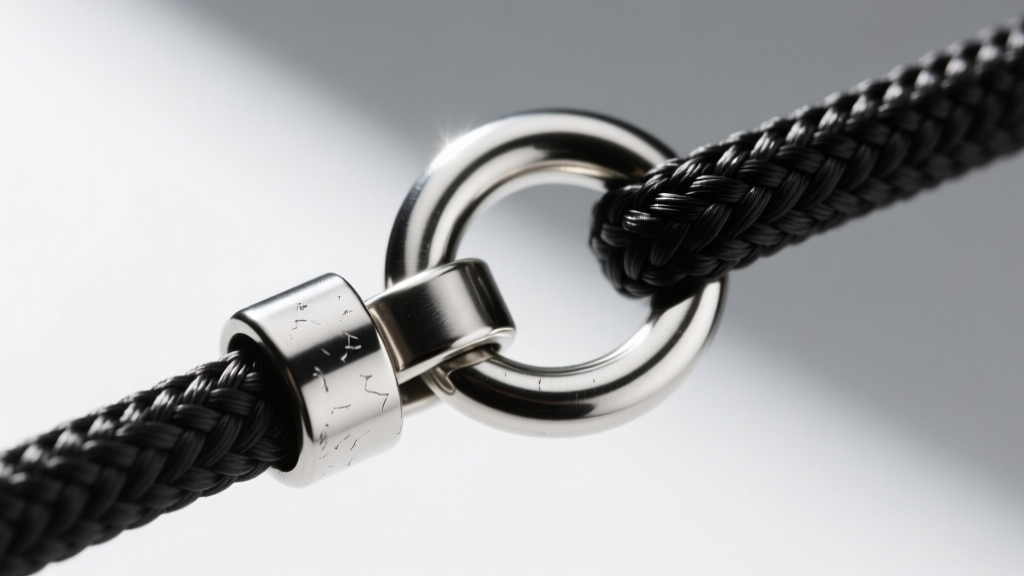
Hardware and Stringing: The Hidden Failure Points
A necklace is only as strong as its weakest link. In the case of graduated bead silhouettes, the tension placed on the stringing material and the clasp is significant, especially if the beads are made of dense materials like glass or steel.
Stringing Materials: Kevlar vs. Nylon
Budget manufacturers typically use standard nylon monofilament or cheap elastic cords. Nylon degrades when exposed to UV light and human sweat, leading to catastrophic snapping. High-value necklaces utilize UHMWPE (Ultra-High-Molecular-Weight Polyethylene), commonly known as Dyneema, or Kevlar aramid fibers. These materials offer tensile strengths exceeding 300 pounds, ensuring that even the heaviest glass or steel bead configurations will never snap under normal wear.
Clasps and Jump Rings
The clasp mechanism must withstand lateral pulling. Cheap zinc-alloy lobster clasps are often electroplated with a microscopic layer of silver or gold. Once this plating wears off, the underlying zinc and nickel are exposed to the skin. A 2021 study on jewelry safety by SGS highlighted that nickel release from cheap alloy hardware is a leading cause of contact dermatitis in fashion accessories. Always verify that the hardware is solid 316L stainless steel or anodized titanium. Additionally, the jump rings connecting the clasp to the cord must be soldered shut; otherwise, the cord will eventually slip through the gap.
2026 Pricing Tiers and Value Matrix
To help you navigate the market, we have categorized the current landscape into three distinct pricing tiers. This matrix evaluates what you actually get for your money in 2026.
| Tier | Price Range | Bead Materials | Hardware & Cord | Value Verdict |
|---|---|---|---|---|
| Budget | $12 - $28 | TPR, PVC, Tin-Cured Silicone | Zinc Alloy, Nylon Cord | Avoid. High risk of skin irritation and rapid material degradation. |
| Mid-Range | $45 - $85 | Platinum Silicone, Acrylic | 316L Steel, Standard Kevlar | Good Value. Safe for skin contact, durable, but lacks artisan finishing. |
| Artisan / Luxury | $120 - $250+ | Borosilicate Glass, Titanium, 14k Gold | Soldered Titanium, Dyneema | Exceptional. Heirloom quality, perfect drape, completely hypoallergenic. |
The Authenticity and Quality Checklist
When evaluating a piece in person or reviewing high-resolution images online, use this checklist to determine if the price tag matches the actual material value:
- The Smell Test: Genuine platinum-cured silicone and borosilicate glass are completely odorless. If the necklace smells like chemicals, burnt rubber, or artificial vanilla, it is made of toxic TPR or PVC.
- The Seam Inspection: Run your fingernail over the equator of the beads. High-end molds leave no parting line. If you feel a sharp ridge, the manufacturer used cheap, multi-part injection molds that will harbor bacteria.
- The Magnet Test: Bring a neodymium magnet near the clasp and jump rings. 316L surgical steel and titanium are largely non-magnetic (or only very faintly magnetic). If the clasp snaps hard to the magnet, it is a cheap ferrous alloy that will rust and stain your skin green.
- The Drape Test: A well-designed graduated necklace will feature a specific bead-to-cord ratio that allows it to lay flat against the sternum. If the beads are too tightly packed, the necklace will kink and stick out awkwardly.

Final Verdict: Where Should Your Budget Go?
The anal bead necklace is a striking, boundary-pushing accessory that requires a commitment to material quality. Because it rests against the highly sensitive skin of the neck and chest, treating it as a disposable fast-fashion item is a recipe for dermatological disaster.
If your budget is strictly under $30, I highly recommend saving your money rather than risking exposure to phthalate-laden plastics and nickel-heavy hardware. The true value sweet spot in 2026 lies in the $50 to $85 range, where reputable alternative jewelers offer 100% platinum-cured silicone paired with genuine 316L stainless steel hardware. For those seeking a permanent fixture in their avant-garde wardrobe, investing $150+ in artisan-crafted borosilicate glass or titanium ensures a piece that is not only visually arresting but structurally immortal and entirely skin-safe.


