Avon NR Necklace Value Guide: Pricing Vintage Finds in 2026
Discover the true market value of an Avon NR necklace in 2026. Learn to decode vintage stamps, assess materials, and price costume jewelry accurately.

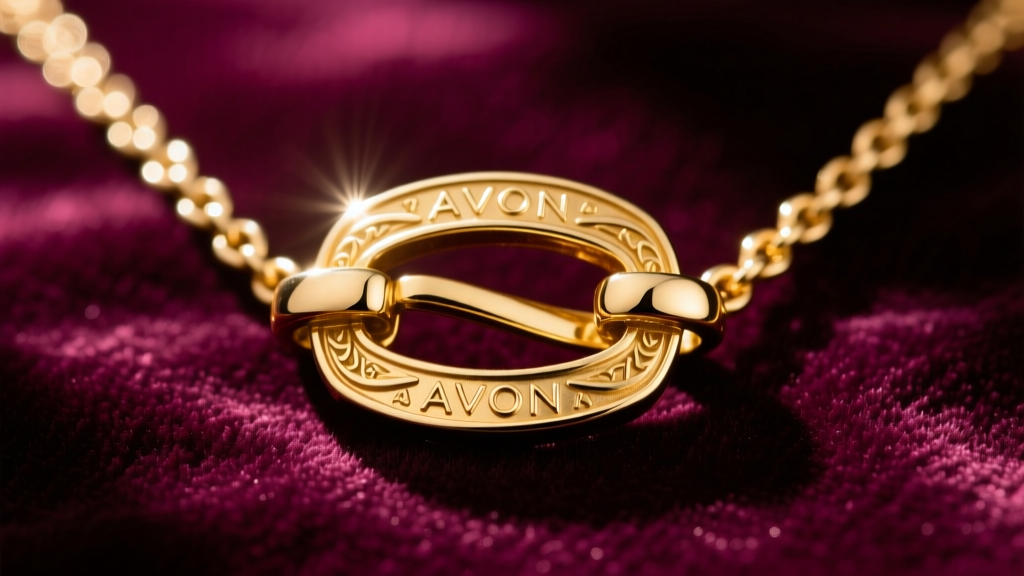
The secondary market for vintage costume jewelry has evolved dramatically, and as we navigate the 2026 collector landscape, few search terms cause as much confusion—and present as many budget opportunities—as the avon nr necklace. Whether you are an estate sale flipper, a vintage fashion archivist, or a budget-conscious collector looking for statement pieces, understanding the true value of vintage Avon necklaces requires looking past the surface. Avon produced millions of necklaces between the 1960s and 2000s, but assessing their budget viability and collector value demands a strict, analytical approach to materials, markings, and structural integrity.
The Mystery of the "NR" Mark on Avon Necklaces
Before assessing the budget and value of an Avon NR necklace, we must address the most pervasive myth in the vintage costume jewelry community: what "NR" actually means. If you are scouring online auctions or estate sales, you will frequently encounter listings touting a rare "NR stamp." In reality, this is almost always a misinterpretation of the metal hallmark.
- The Copyright Misread: The vast majority of "NR" stamps are actually the copyright symbol (©). On vintage Avon pieces from the 1970s and 1980s, the stamping dies were often worn, and the © symbol was struck with varying pressure. Under a standard 10x jeweler's loupe, a worn © can easily look like an "N" and an "R" intertwined, or an "NR" enclosed in a circle. This misread inflates listing prices by sellers who mistakenly believe they have found a rare prototype mark.
- Hangtag Confusion: Original Avon retail packaging and hangtags frequently featured the letters "NR," which stood for Not Returnable. This was a standard corporate policy for final-sale jewelry. Collectors sometimes conflate the packaging text with the metal hallmark.
- The Nolan Roberts Connection: In a small subset of 1980s Avon jewelry, "NR" can refer to Nolan Roberts, a specific manufacturer or designer subsidiary that produced pieces for Avon's higher-end lines. However, these are usually accompanied by additional maker marks and are exceptionally rare compared to the misread copyright symbol.
Recognizing this distinction is your first budget advantage. When a seller prices a standard 1980s Avon pendant at $150 claiming it has a "rare NR stamp," you can confidently negotiate down to its true market value, knowing you are likely just looking at a worn © symbol.
Material Breakdown: What Are You Actually Buying?
To accurately assess the value of any vintage Avon necklace, you must understand the metallurgy and material science behind the pieces. Avon jewelry is fundamentally costume jewelry; it holds virtually zero intrinsic melt value. The value is derived entirely from aesthetic appeal, historical design, and collector demand.
Base Metals and Plating
Most vintage Avon necklaces are constructed from a brass or pewter base metal. The gold-tone finish is typically achieved through HGE (Heavy Gold Electroplate). You will often see "14K HGE" or "18K HGE" stamped on the clasps. HGE means the base metal was coated with a layer of gold that is at least 10 microns thick (and sometimes up to 30 microns for premium 1970s pieces). While this is significantly thicker than standard "gold wash" (which is less than 1 micron), it is still a surface treatment. Once the HGE layer wears through to the brass base, the piece suffers a massive drop in collector value.
Rhinestones and Faux Pearls
Avon utilized a wide spectrum of simulated gemstones. Budget buyers should prioritize pieces featuring glass rhinestones with foil backing over acrylic or plastic stones. Glass stones offer superior light refraction and a heavier, more luxurious drape. Avon's faux pearls, particularly those from the 1980s, often featured a thick pearlescent coating over glass beads, which holds up much better to skin oils and humidity than plastic pearls.
2026 Market Valuation: Pricing Tiers for Vintage Avon
According to historical pricing data and current market aggregators like Ruby Lane, the market for vintage Avon necklaces in 2026 is highly stratified. Below is a structured valuation framework to help you determine if a piece is priced fairly.
| Valuation Tier | Defining Characteristics | Typical Eras | 2026 Price Range |
|---|---|---|---|
| Tier 1: Base / Everyday | Simple chains, small pendants, acrylic stones, visible plating wear, standard lobster or spring-ring clasps. | 1990s - 2000s | $5 - $18 |
| Tier 2: Mid-Tier Collector | Elaborate 14K HGE gold electroplate, glass Aurora Borealis (AB) rhinestones, heavy link chains, fold-over clasps. | 1970s - 1980s | $25 - $65 |
| Tier 3: Premium / Runway | Designer collaborations (e.g., Avon by Ungaro), rare 1960s pieces, pristine enamel work, heavy sculptural pendants. | 1960s - 1980s | $120 - $350+ |
Pro-Tip: Always cross-reference unusual or highly elaborate pieces with Kovel's Antiques & Collectibles to verify if a specific designer collaboration commands a premium in the current market.
Flaws and Failure Modes to Inspect Before Buying
When conducting a budget assessment, the physical condition of the necklace dictates your negotiation leverage. Costume jewelry is highly susceptible to specific failure modes. Always inspect the following areas with a loupe before finalizing a purchase:
1. Rhinestone Foil Oxidation ("Black Rot")
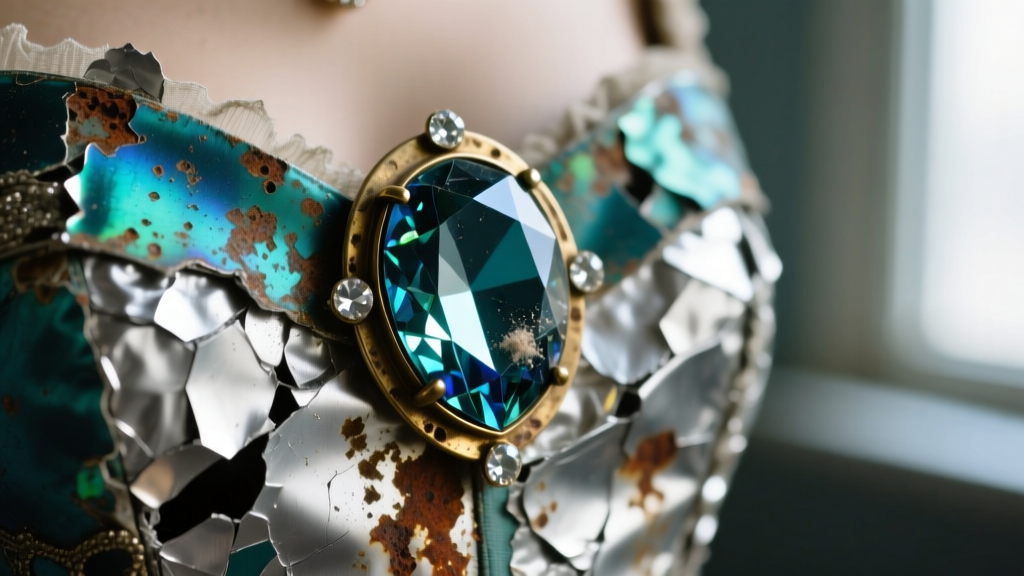
Vintage Avon glass rhinestones are often backed with a delicate silver or gold foil to enhance reflectivity. If moisture penetrates the prong setting, this foil oxidizes, turning black or sickly green. This is known in the trade as "black rot" or "dead stones." A necklace with even two dead stones should see a 40% to 60% reduction in its asking price, as replacing foil-backed vintage stones is incredibly difficult and often ruins the originality of the piece.
2. Clasp Spring Fatigue
Avon heavily utilized the "fold-over" clasp with a safety chain in the 1970s and 1980s. The internal tension spring in these clasps frequently weakens over decades of use. If the clasp does not snap shut with an audible, firm click, the necklace is a liability for daily wear. Factor in a $15-$25 repair cost for a professional jeweler to solder on a modern lobster clasp when negotiating your budget.
3. Verdigris and Base Metal Corrosion
Look closely at the jump rings and the interior of the chain links. Green, crusty buildup (verdigris) indicates that the base copper or brass is actively corroding. While light verdigris can be cleaned with a mild acid solution and a soft brush, deep pitting means the structural integrity of the link is compromised. Avoid necklaces with pitted jump rings entirely, as they will snap under the weight of the pendant.
Budget Strategy and Sourcing Tactics
To maximize your budget when hunting for an Avon NR necklace, your sourcing strategy is just as important as your material knowledge. Estate sales and local antique malls are your best venues for finding underpriced Tier 2 and Tier 3 pieces. Sellers in these environments often lack the time to research specific Avon designer collaborations and will price heavy, elaborate 1970s HGE necklaces based on the general "costume jewelry" bin rate.
When buying online, use the misread "NR" stamp to your advantage. Search for listings that spell out "Not Returnable stamp" or "Rare NR mark." These sellers have often misidentified the copyright symbol and may have priced the item artificially high, but they might also be willing to accept aggressive offers if the piece has been sitting unsold for months due to buyer skepticism. Present your knowledge of the © hallmark politely in a direct message, and you can frequently negotiate a 30% discount off the listing price.
Final Verdict on Avon Value
An Avon necklace is rarely a financial investment in the traditional sense; you will not be melting it down for precious metals. However, as a budget-friendly avenue for acquiring high-quality, heavy, and historically significant fashion artifacts, 1970s and 1980s Avon pieces remain unparalleled. By understanding the truth behind the "NR" mark, rigorously inspecting for foil oxidation and clasp fatigue, and leveraging the 2026 pricing tiers outlined above, you can build a stunning, museum-quality vintage necklace collection without exceeding a modest budget.


