The Diamond Necklace Characters: Lessons in Spotting Fakes
What the diamond necklace characters teach us about spotting fake gems, verifying appraisals, and avoiding catastrophic jewelry debt.

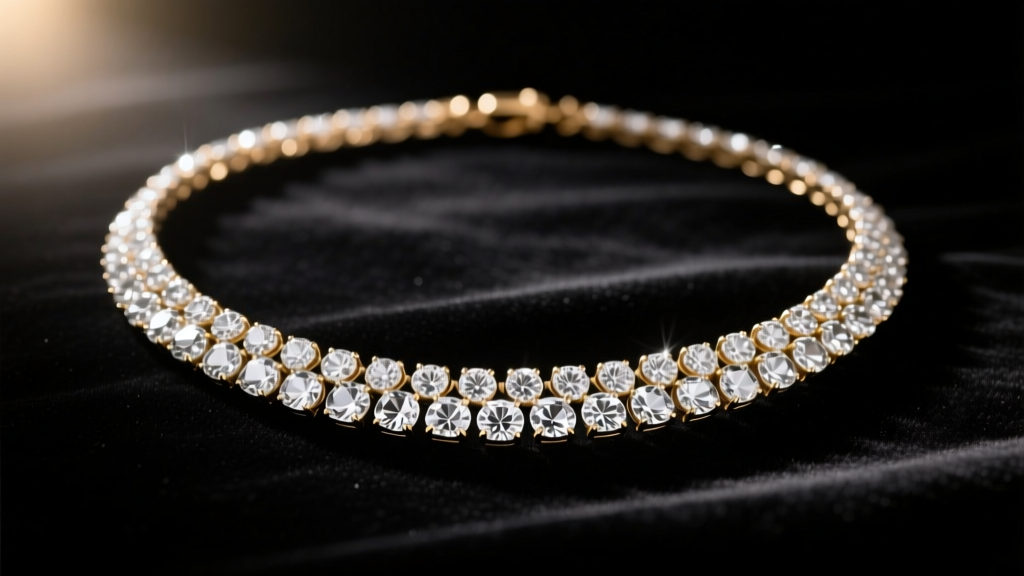
When analyzing the diamond necklace characters from Guy de Maupassant’s classic 1884 short story The Necklace (La Parure), modern gemologists and jewelry appraisers see more than just a tragic literary tale. The story of Mathilde Loisel, who borrows what she believes to be a priceless diamond riviere, loses it, and spends a decade in crushing poverty to replace it—only to discover the original was made of worthless paste—is a masterclass in the perils of assuming jewelry authenticity. In 2026, with the market flooded by high-grade moissanite, lab-grown diamonds, and advanced cubic zirconia, the mistakes made by the diamond necklace characters are more relevant than ever.
This guide uses the fatal errors of Maupassant’s characters as a troubleshooting framework to help you authenticate diamond necklaces, understand metal hallmarks, and avoid catastrophic financial decisions when dealing with lost or inherited jewelry.
The Mathilde Loisel Mistake: Assuming Value Without Verification
Mathilde’s primary error was a psychological one: she assumed the necklace was composed of natural diamonds simply because it belonged to her wealthy friend, Madame Forestier. In today's market, visual inspection is entirely insufficient for authentication. The human eye cannot reliably distinguish between a D-color natural diamond, a CVD lab-grown diamond, or a premium moissanite simulant once they are set in a complex pendant or chain.
To troubleshoot authenticity, you must bypass psychological bias and rely on gemological data. Never assume a necklace is genuine based on the prestige of the previous owner, the weight of the chain, or the brilliance of the stones under showroom lighting. Modern simulants are engineered to mimic the exact light return and scintillation of natural diamonds.
Real Diamonds vs. Paste and Simulants: A Gemological Breakdown
Madame Forestier’s necklace was likely made of 'paste'—a type of leaded glass popular in the 19th century. Today, paste has been replaced by far more deceptive materials. Understanding the physical properties of these stones is the first step in troubleshooting a suspicious diamond necklace.
| Material | Refractive Index (RI) | Specific Gravity | Thermal Conductivity | Mohs Hardness |
|---|---|---|---|---|
| Natural / Lab Diamond | 2.42 | 3.52 | Extremely High | 10 |
| Moissanite | 2.65 - 2.69 | 3.21 | High (but lower than diamond) | 9.25 |
| Cubic Zirconia (CZ) | 2.15 - 2.18 | 5.60 - 5.90 | Very Low | 8 - 8.5 |
| Glass / Paste | 1.50 - 1.70 | 2.20 - 4.20 | None | 5 - 6 |
As noted by the Gemological Institute of America (GIA), the high specific gravity of CZ makes it noticeably heavier than a diamond of the exact same millimeter dimensions, while moissanite exhibits double refraction, which can be spotted with a loupe by looking for 'doubled' facet junctions.
The Fog Test and Thermal Conductivity Troubleshooting
If you inherit a necklace and need a preliminary at-home troubleshooting step, the fog test relies on thermal conductivity. Diamonds are exceptional heat dissipators. If you breathe heavily onto a diamond pendant, the condensation will evaporate almost instantly. If the fog lingers for two to three seconds, the stone is likely CZ or glass, which retain heat. However, for definitive results, a dual thermal and electrical conductivity tester (like the Presidium Multi-Tester III) is required to separate diamond from moissanite, as both conduct heat similarly but differ in electrical conductivity.
Loupe Inspection: Inclusions and Girdle Inscriptions
A 10x triplet loupe is your best defense against fraud. Natural diamonds almost always contain microscopic inclusions (feathers, crystals, or clouds). Flawless stones are exceptionally rare and command premium prices. Conversely, CZ and glass are completely flawless. Furthermore, most modern natural and lab-grown diamonds over 0.18 carats feature a microscopic laser inscription on the girdle.

By examining the girdle, you can often find a GIA, IGI, or AGS report number that can be verified instantly on the respective laboratory's digital database.
Georges Loisel’s Debt: The Perils of Uninsured Replacement
Georges Loisel, Mathilde’s husband, signs ruinous promissory notes to purchase a replacement diamond necklace for 36,000 francs. His fatal flaw was attempting to replace a piece of jewelry without first verifying its original specifications or utilizing insurance.
In 2026, replacing a lost diamond tennis necklace or pendant out-of-pocket can cost tens of thousands of dollars. If you lose a piece of jewelry, follow this troubleshooting protocol before attempting a replacement:
- Check Scheduled Personal Property Endorsements: Standard homeowners insurance often caps jewelry theft/loss at $1,500. A 'scheduled' rider covers the exact appraised replacement value.
- Locate the Original Appraisal or Lab Report: Never buy a replacement based on memory. You need the exact carat weight, color grade, clarity, and metal type to ensure you aren't overpaying, just as Georges did.
- File a Police Report Immediately: Most insurance riders require a police report within 24 to 48 hours of discovering the loss to initiate the claims process.
Madame Forestier’s Secret: Decoding Metal Hallmarks
One detail the diamond necklace characters completely overlooked was the metal setting. High-value natural diamonds are almost never set in base metals or sterling silver due to the risk of prong failure and metal tarnish. If Mathilde had examined the clasp or the back of the pendant setting, a simple hallmark would have revealed the truth.
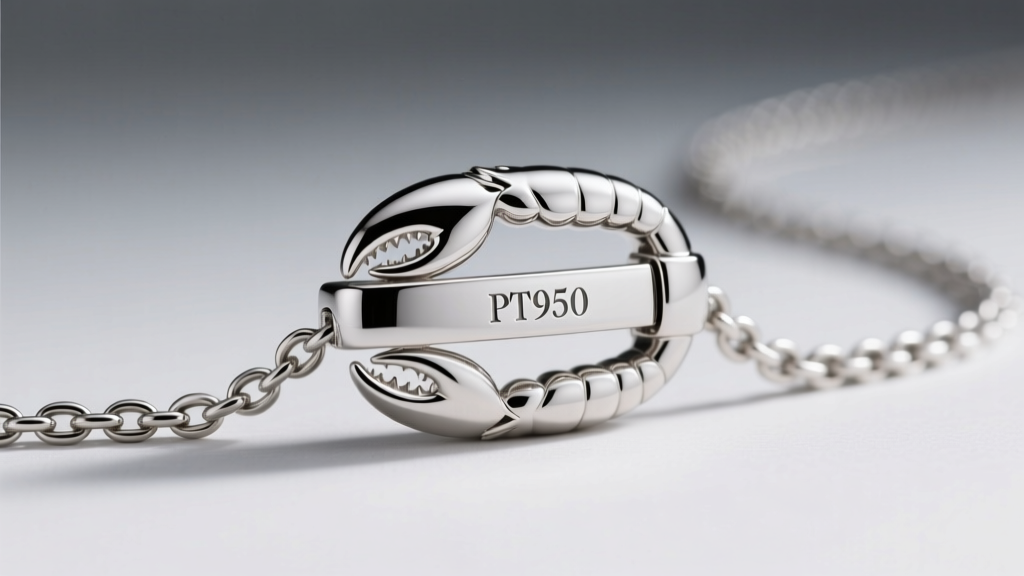
Use a loupe to inspect the clasp, the jump ring, or the back of the pendant bail for the following stamps:
- PT950, PT900, or PLAT: Indicates Platinum. Highly likely to hold genuine or high-grade lab diamonds.
- 18K, 750, 14K, or 585: Indicates solid gold. Standard for fine diamond jewelry.
- 925 or STER: Indicates Sterling Silver. While some small melee diamonds are set in silver, a large solitaire pendant or heavy riviere stamped '925' is a massive red flag for CZ or moissanite.
- CZ, DQ, or 'Diamond Cut': Explicit indicators that the stones are simulants.
Actionable Framework: The 2026 Authentication Checklist
To avoid the tragic fate of the diamond necklace characters, implement this 4-step verification framework when purchasing estate necklaces, inheriting pendants, or evaluating family heirlooms:
- Metal Verification: Perform an electronic gold test or XRF scan on the clasp and setting to confirm the precious metal purity.
- Thermal/Electrical Testing: Use a modern dual-tester to rule out moissanite and CZ.
- Magnification Check: Inspect for natural inclusions, doubled facet lines (moissanite), and laser girdle inscriptions.
- Professional Appraisal: Consult a Certified Gemologist (CG) or a Graduate Gemologist (GG) for a formal insurance replacement appraisal, as recommended by Jewelers of America.
Conclusion
The tragedy of Maupassant’s story hinges entirely on a lack of gemological literacy and a failure to verify provenance. By understanding the physical properties of diamonds, reading metal hallmarks, and relying on modern diagnostic tools rather than assumptions, you can confidently troubleshoot any necklace or pendant. Don't let the mistakes of the diamond necklace characters become your own financial reality; always verify before you value.


