Large Beaded Necklace Materials: Weight, Drape & Care
Discover how to choose the perfect large beaded necklace. Compare gemstone, glass, wood, and resin materials for weight, durability, and drape.

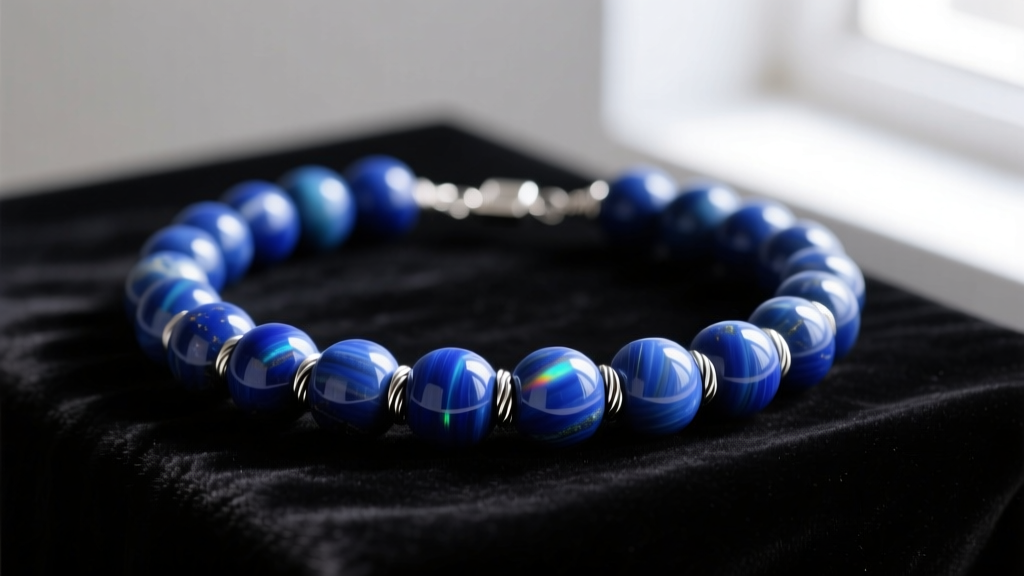
The Physics of Drape: Understanding Material Density
When selecting or designing a large beaded necklace, aesthetics are only half the equation. The physical properties of the bead material—specifically its density, tensile limits, and surface friction—dictate how the piece will drape across the clavicle and how long it will survive daily wear. A 20mm spherical bead made of natural quartz weighs approximately 11.5 grams, while the exact same volume in cast acrylic weighs barely 4.8 grams. This drastic difference in specific gravity (SG) fundamentally changes the necklace's center of gravity, requiring entirely different stringing architectures.
According to the GIA Gem Encyclopedia, understanding the specific gravity and Mohs hardness of materials is critical for jewelry makers to predict wear-and-tear. Heavy materials pull the necklace downward, creating a deep U-shape, while lighter materials allow for a wider, more gradual parabolic curve. Below is a comparative density chart for common large-bead materials.
| Material | Specific Gravity (SG) | Approx. Weight per 20mm Bead | Mohs Hardness | Drape Profile |
|---|---|---|---|---|
| Natural Gemstone (Quartz/Jade) | 2.60 - 3.30 | 11.0g - 14.0g | 6.5 - 7.0 | Heavy, deep U-shape |
| Lead-Free Crystal Glass | 2.50 - 2.80 | 10.5g - 11.8g | 5.5 - 6.0 | Heavy, structured drape |
| Glazed Ceramic | 2.30 - 2.50 | 9.5g - 10.5g | 6.0 - 7.0 | Medium-heavy, rigid |
| Cured Epoxy Resin | 1.10 - 1.25 | 4.5g - 5.2g | 2.0 - 3.0 | Light, fluid curve |
| Dense Hardwood (Ebony/Rosewood) | 0.80 - 1.10 | 3.4g - 4.6g | N/A (Janka scale) | Very light, relaxed |
Gemstone vs. Glass: The Heavyweight Contenders
For a statement large beaded necklace, natural gemstones and high-quality glass are the premier choices, but they behave differently under stress. Natural stones like agate, jasper, and lapis lazuli possess a crystalline or microcrystalline structure that makes them highly resistant to scratching (Mohs 6.5+). However, their internal inclusions and natural cleavage planes can make them vulnerable to catastrophic shattering if dropped on a hard surface.
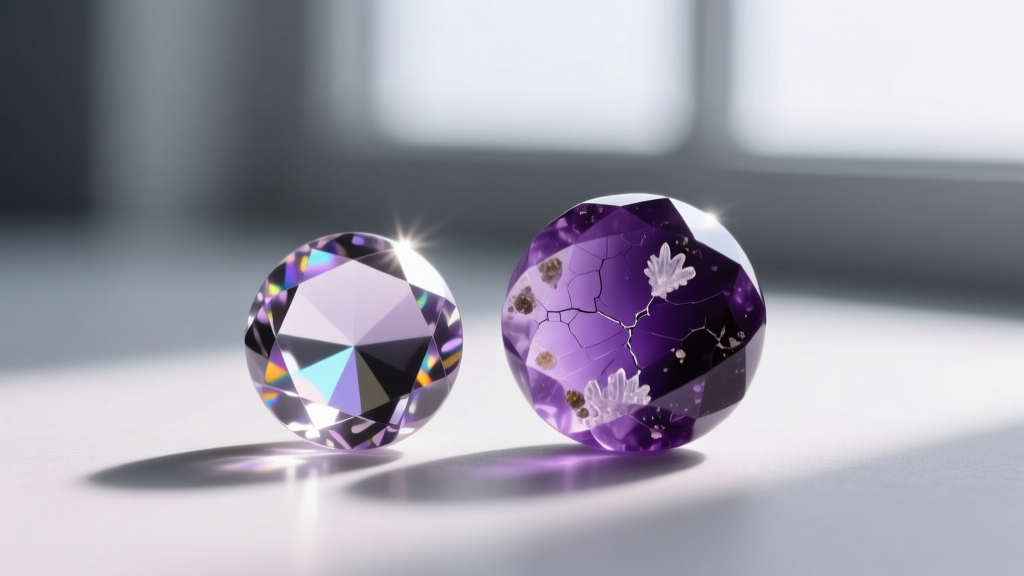
Conversely, modern lead-free crystal glass offers uniform consistency and brilliant light refraction without the risk of internal cleavage fractures. While glass is softer (Mohs 5.5) and will accumulate micro-scratches over years of friction against other beads, it lacks the brittle fault lines of natural stone. When drilling large glass beads, manufacturers use diamond-core drill bits to ensure the 1.5mm to 2.5mm holes are perfectly smooth. Rough, poorly drilled holes in cheap glass beads will act like saw blades, eventually fraying and snapping your stringing wire.
Organic & Synthetic Alternatives: Wood, Resin, and Ceramic
If the goal is to maximize bead volume without burdening the wearer's cervical spine, organics and synthetics are the optimal route. Large wooden beads offer an unparalleled lightweight profile. However, wood is highly porous and hygroscopic. Unsealed wood beads will absorb skin oils, sweat, and ambient humidity, leading to swelling, warping, and eventual degradation of the stringing material from the inside out. Always ensure large wooden beads are sealed with a micro-crystalline wax or a hardened polyurethane coating.
Ceramic beads offer a beautiful, earthy aesthetic with a moderate weight profile. The primary failure mode for large ceramic beads is not scratching, but chipping. The glaze surface is essentially glass fused to a clay body; a sharp impact against a marble countertop will easily chip the equator of the bead. Resin and acrylic beads are virtually shatterproof and incredibly light, but they are highly susceptible to UV degradation. Prolonged sun exposure will cause cheap acrylics to yellow and become brittle within a single summer season.
Stringing Mechanics for Heavy Beads
The most critical point of failure in any large beaded necklace is the stringing material. Standard nylon threads or elastic cords will snap under the dynamic load of heavy 15mm+ beads. For heavy gemstones and glass, you must use a 49-strand micro-fused stainless steel beading wire. According to the Fire Mountain Gems Encyclopedia, the 49-strand construction provides superior flexibility and drape compared to 7-strand or 19-strand wires, which suffer from metal fatigue and kinking when bent around large, heavy beads.
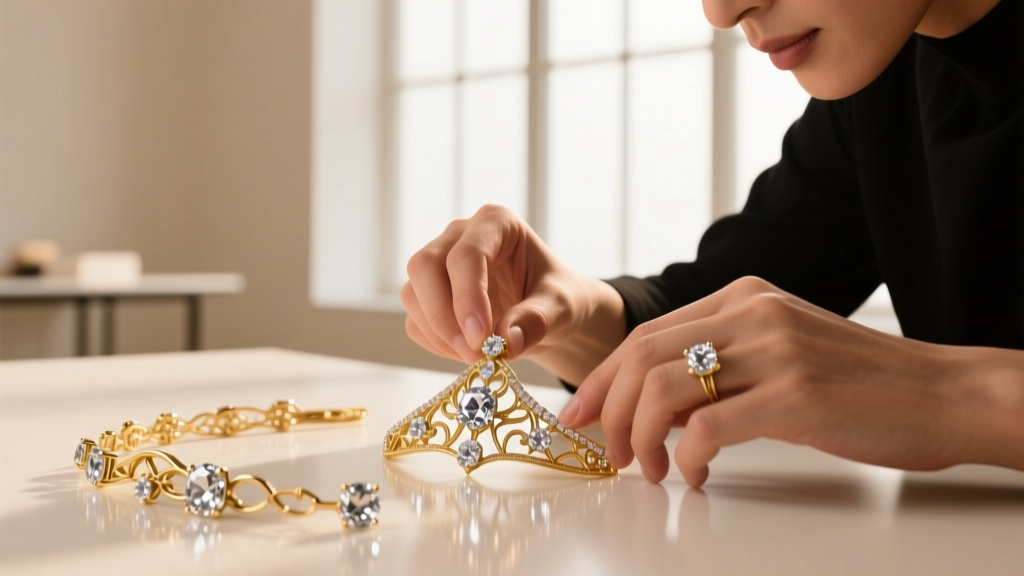
For beads weighing over 10 grams each, select a wire gauge of 0.024 inches (40 lb test) or 0.030 inches (60 lb test). Because these thick wires require larger crimp beads, use 2x3mm or 3x4mm sterling silver or gold-filled tube crimps. The crimping process must involve a two-step crush-and-fold technique using a specialized micro-crimping plier to ensure the wire is locked inside the folded metal, preventing the heavy beads from pulling the wire loose during wear.
The Importance of French Wire and Bead Tips
When finishing the ends of a heavy necklace, never loop the steel wire directly through a jump ring or clasp. The sharp metal edge of the clasp will eventually saw through the steel wire due to the immense tension exerted by the heavy beads. Always use a wire protector (French wire/gimp) to create a smooth, reinforced loop, and finish the design with a sturdy, soldered clamshell bead tip or a heavy-duty wire guardian.
Care, Maintenance, and Longevity
Maintaining a large beaded necklace requires material-specific protocols:
- Gemstones & Glass: Clean with a mild dish soap and warm water solution. Avoid ultrasonic cleaners for large beads with internal fractures, as the high-frequency vibrations can cause the stone to split entirely.
- Wood: Never submerge in water. Wipe with a slightly damp cloth and re-apply a thin layer of carnauba wax or specialized wood bead oil every six months to maintain the moisture barrier.
- Ceramic: Clean with a soft microfiber cloth. Avoid harsh chemical cleaners that can strip the metallic or matte glazes often used on artisan ceramic beads.
- Storage: Never hang a heavy, large beaded necklace on a standard jewelry tree. The sustained gravitational pull will permanently stretch the wire and weaken the crimps. Always store heavy necklaces flat in a padded jewelry box, coiled loosely to prevent kinking the steel core.
By matching the material density to your desired drape and employing heavy-duty stringing architecture, your large beaded necklace will remain a structurally sound and visually stunning staple in your collection for decades.


