Decoding Viral Necklace Images: 2026 Trend Analysis
Discover how analyzing viral 2026 necklace images reveals top jewelry trends, from mixed-metal layering to specific chain gauges and pendant drops.

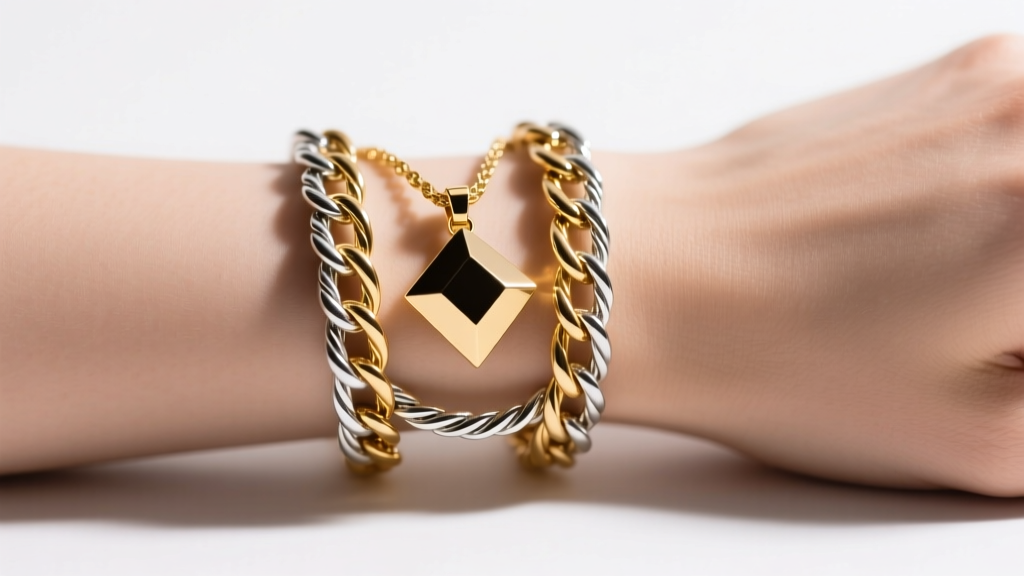
The evolution of pendant and chain styling is no longer just about what you wear; it is about how it translates visually across digital and editorial mediums. As we move through 2026, analyzing high-resolution necklace images from runway shows, street-style photography, and luxury campaigns reveals a distinct shift in proportion, material mixing, and hardware visibility. Gone are the days of the barely-there micro-chain that dominated the early 2020s. Today's visual landscape demands structural integrity, deliberate contrast, and hardware that acts as a focal point rather than an afterthought.
For jewelry enthusiasts, stylists, and collectors, learning to "read" these visual cues is essential. By breaking down the anatomy of trending necklace images, we can extract actionable data on chain gauges, clasp mechanics, and layering frameworks that define this year's aesthetic. According to industry analysis from JCK Online, the modern consumer is increasingly driven by visual weight and mixed-media versatility, demanding pieces that photograph as well as they wear.
The Visual Data: What 2026 Necklace Images Reveal About Scale
When examining the macro details in recent editorial necklace images, the most immediate shift is in chain gauge and link structure. The ultra-delicate 1.0mm to 1.5mm cable chains that saturated the market over the last five years have been largely replaced by structural chains ranging from 3.5mm to 5.0mm.
- Curb and Figaro Links: These dominate street-style photography because their flattened surfaces catch and reflect light dynamically on camera, creating high-contrast highlights that pop in digital formats.
- Rope Chains: Specifically in the 4.0mm to 4.5mm range, rope chains are favored in luxury campaigns for their intricate, twisted light-scattering properties, which give the illusion of higher karat weight and density.
- Box Chains: A 3.0mm box chain is frequently spotted in minimalist editorial shots, offering a geometric, modern edge that pairs seamlessly with architectural pendants.
This shift toward heavier gauges is not merely a stylistic whim; it is a practical response to the rise of substantial, asymmetric pendants. A 1.2mm chain simply cannot support the visual or physical weight of a 15-gram solid bronze or enamel drop without warping or snapping.
Decoding the Metals: Mixed-Media Dominance in Editorial Shots
Two-tone and mixed-metal styling is highly visible in current campaign imagery. The rigid rules of matching metals have been entirely discarded in favor of intentional friction. However, not all mixed-metal pieces are created equal. By looking closely at the edge wear and color depth in high-resolution necklace images, experts can differentiate between solid alloys, vermeil, and PVD-coated alternatives.
| Material Grade | Visual Finish in Photos | Average Price Point | Durability & Tarnish Resistance |
|---|---|---|---|
| Solid 14k Gold | Warm, consistent luster; no edge-wear discoloration | $450 - $1,200+ | Excellent; lifetime wear without plating loss |
| 18k Gold Vermeil (925 Base) | Deep, rich yellow tone; requires 2.5+ microns of plating | $120 - $350 | Good; may show silver undertones at friction points after 1-2 years |
| 316L Steel with PVD Gold | Slightly cooler, highly reflective yellow; extremely uniform | $45 - $150 | Superior tarnish resistance; PVD bonds at a molecular level |
| Oxidized Sterling Silver | Matte, darkened recesses with high-polish raised edges | $80 - $400 | Requires maintenance; oxidation can rub off on high-contact areas |
Insider Tip: When analyzing close-up necklace images, look at the clasp and jump rings. These are high-friction areas. If a piece marketed as "gold" shows a brassy or greyish undertone at the clasp connection points in macro shots, it is likely gold-plated brass or copper, not true vermeil or solid gold.
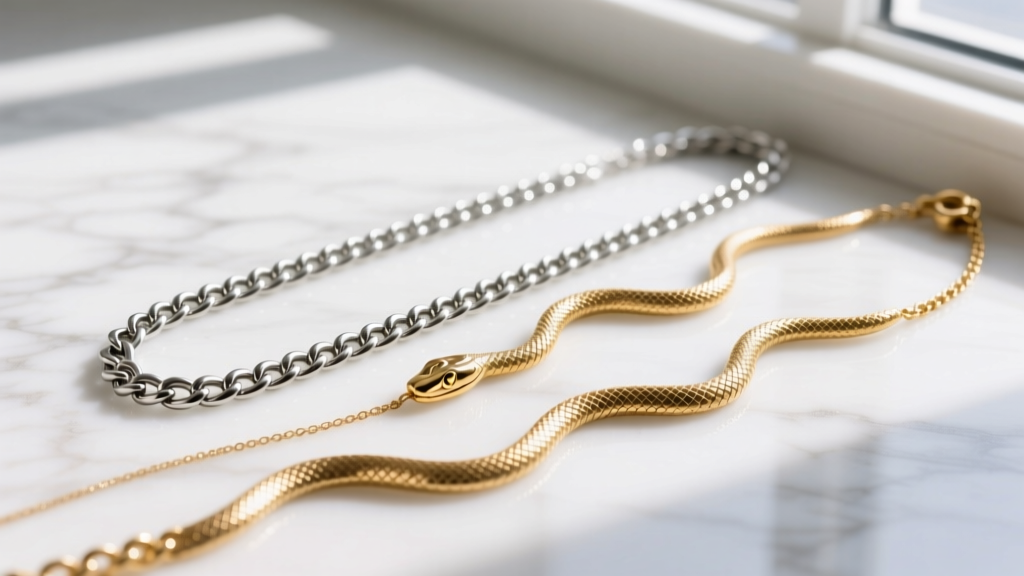
Pendant Proportions and Bail Mechanics
The bail—the crucial component that connects the pendant to the chain—is the unsung hero of jewelry design, and it is taking center stage in 2026. In macro necklace images, we are seeing a definitive move away from standard, soldered jump-ring bails. Instead, the market is favoring integrated European bails and oversized hidden tube bails.
"The hardware is no longer hidden; it is celebrated. An oversized, textured toggle clasp worn at the front of the neck, or a heavy, integrated tube bail, adds an industrial, bespoke element that elevates a simple chain into a statement piece." — Gemological Institute of America (GIA) trend reports on modern jewelry architecture.
Furthermore, pendant dimensions have expanded. The micro-pendant (5mm-8mm) has been relegated to secondary layering pieces. The primary focal pendant in current editorial images typically measures between 18mm and 25mm in width, featuring substantial bezel settings, raw uncut gemstones, or heavy cast metals. This scale ensures the pendant holds its own against the thicker 3.5mm+ chains discussed earlier.
Lighting and Metal Reflection: The Secret to Viral Imagery
Have you ever wondered why certain necklace images go viral on social media while others fall flat? The answer often lies in the metallurgical properties of the metals used and how they interact with light.
- Yellow Gold (14k/18k): Absorbs and reflects warm light beautifully. In natural sunlight or warm studio lighting, yellow gold creates a rich, glowing halo effect that is highly flattering to most skin tones.
- White Gold / Rhodium Plated Silver: Acts almost like a mirror. In flash photography or cool-toned lighting, rhodium-plated pieces create sharp, high-contrast specular highlights that draw the eye immediately.
- Rose Gold: Contains copper, which gives it a softer, more diffuse reflection. It tends to perform best in soft, diffused natural light rather than harsh direct flash.
Understanding these optical properties allows you to curate a collection that not only looks good in person but translates flawlessly into digital formats, should you choose to share your styling online.
Translating Editorial Necklace Images to Real-World Layering
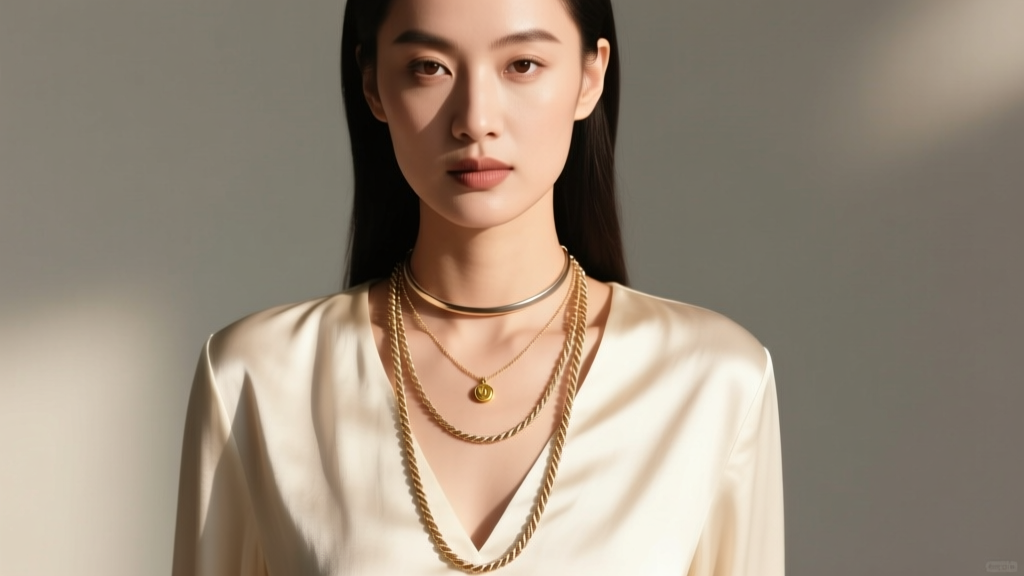
It is one thing to admire a professionally styled editorial shot; it is another to replicate that visual balance in everyday life. Based on the layering frameworks observed in top-tier 2026 campaigns, here is a precise, actionable formula for achieving the perfect three-piece stack:
The 2026 Structural Layering Framework
- Layer 1 (The Anchor): A 15-inch or 16-inch choker. Opt for a 3.0mm to 4.0mm solid link chain (like a curb or Figaro) without a pendant. This frames the collarbone and provides a visual baseline.
- Layer 2 (The Focal Point): An 18-inch princess-length chain. This should be a slightly more delicate chain (1.5mm to 2.0mm box or cable) featuring your primary 18mm-25mm pendant. The contrast in chain thickness between Layer 1 and Layer 2 is what creates visual depth.
- Layer 3 (The Elongator): A 22-inch or 24-inch matinee/opera-length chain. Use a 2.5mm rope or snake chain. This layer should either feature a very small, subtle drop (under 10mm) or no pendant at all, serving to elongate the torso and complete the gradient of scale.
By adhering to this strict gauge and length progression, you eliminate the tangling issues common in amateur layering while perfectly mimicking the curated, intentional look seen in high-fashion necklace images.
Forecasting the Next Visual Shift
As we look toward the latter half of 2026 and beyond, the analysis of current visual data suggests an impending return to organic, asymmetrical forms. While geometric and architectural pendants are currently peaking, we are beginning to see the edges of editorial frames populated with raw, unpolished materials like uncut sapphires, baroque pearls, and hammered recycled metals. The camera lens is shifting from perfection to texture. For the savvy collector, now is the time to invest in structural, mixed-metal chains that will serve as the perfect canvas for the organic, textural pendants that will inevitably define the next cycle of viral jewelry imagery.


