What Kind of Necklace Is Yamamoto Wearing? Material Guide
Discover what kind of necklace Yamamoto is wearing by analyzing oxidized silver, blackened titanium, and raw brass properties in avant-garde design.

The Enigma of the Avant-Garde: Decoding the Yamamoto Aesthetic
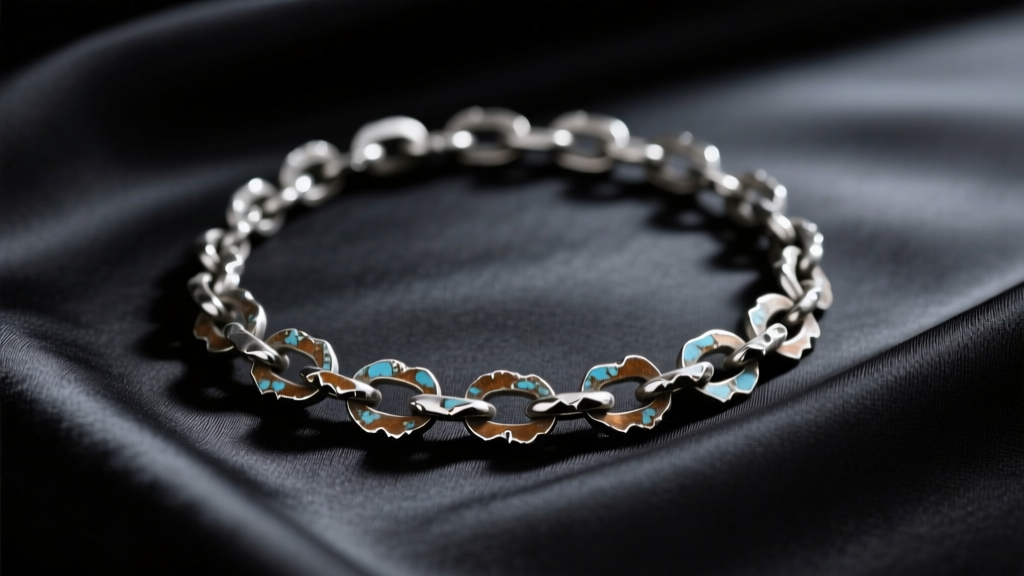
When fashion archivists, stylists, and avant-garde enthusiasts search for what kind of necklace is yamamoto wearing, they are rarely looking for a simple brand name or a delicate precious gemstone. Whether referencing the legendary Japanese designer Yohji Yamamoto’s personal uniform or the broader dark, deconstructivist archetype his name represents, the jewelry in question is defined by a deliberate rejection of traditional glamour. The 'Yamamoto aesthetic' in necklaces relies heavily on material distress, heavy gauge chains, industrial hardware, and anti-finishes that highlight the passage of time.
To truly understand and replicate this iconic look, we must look past the brand labels and examine the metallurgy. The heavy, brooding pendants and thick, darkened chains that define this style are crafted from specific alloys chosen for how they react to oxygen, friction, and human skin. In 2026, as the avant-garde jewelry market continues to blend historical craftsmanship with modern material science, understanding these properties is essential for any serious collector or designer.
Oxidized Sterling Silver (Ag925): The Core of Dark Jewelry
The most common answer to 'what kind of necklace is yamamoto wearing' is heavily oxidized sterling silver. Unlike bright, polished silver, oxidized silver has been intentionally exposed to sulfur compounds to create a black or dark grey patina. This process does not alter the structural integrity of the silver but dramatically changes its visual weight, allowing intricate gothic or brutalist textures to pop against the darkened recesses of the metal.
The Chemistry of Blackening and Gauge Sizing
Authentic avant-garde silver chains are typically treated using Liver of Sulfur (potassium polysulfide). When Ag925 (92.5% silver, 7.5% copper) is submerged in a heated liver of sulfur solution, the copper reacts to form copper sulfide, while the silver forms silver sulfide ($Ag_2S$). This creates a microscopic layer of black tarnish. Artisans then selectively polish the high points of the chain links, leaving the crevices pitch black.
For the Yamamoto silhouette, gauge size is critical. Delicate 20-gauge chains are entirely absent. Instead, look for heavy rolo or cable chains ranging from 4mm to 10mm in link thickness (roughly 4 to 8 gauge wire). These massive links provide the necessary drape and industrial clatter that define the aesthetic. According to The Silver Institute, the copper content in sterling silver is what makes this deep oxidation possible, as pure 999 fine silver resists sulfur tarnishing much more effectively.
Blackened Titanium (Grade 5): Lightweight Industrialism
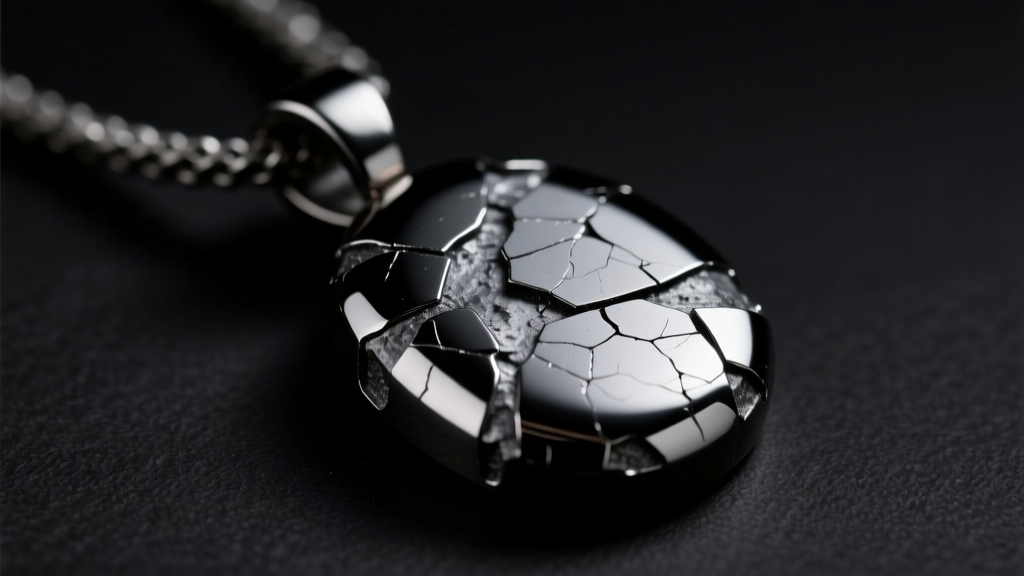
While silver provides the traditional dark aesthetic, the massive scale of avant-garde pendants can make silver prohibitively heavy. A solid silver pendant measuring 3 inches across can easily exceed 150 grams, causing severe neck strain over a day of wear. This is where Titanium Grade 5 (Ti-6Al-4V) enters the material matrix. Originally developed for aerospace, this alloy is 45% lighter than steel and significantly stronger than sterling silver.
To achieve the signature matte black finish, jewelers use Physical Vapor Deposition (PVD) rather than chemical oxidation. In a vacuum chamber, titanium is bombarded with carbon or titanium nitride ions, creating a microscopic, ultra-hard black coating (often 1 to 3 microns thick). Unlike silver sulfide, which can rub off over time, PVD blackened titanium is incredibly scratch-resistant, though heavy impacts on concrete or steel can chip the coating, revealing the bright, raw grey titanium beneath—a flaw that many avant-garde collectors actually prize as a badge of wear.
Material Comparison: Silver vs. Titanium vs. Brass
| Material | Alloy / Grade | Density (g/cm³) | Mohs Hardness | Darkening Method | Est. Price per Gram (2026) |
|---|---|---|---|---|---|
| Sterling Silver | Ag925 | 10.36 | 2.5 - 3.0 | Chemical (Liver of Sulfur) | $1.10 - $1.50 |
| Titanium | Grade 5 (Ti-6Al-4V) | 4.43 | 6.0 | PVD Coating / Anodizing | $0.80 - $2.00 |
| Cartridge Brass | C26000 | 8.53 | 3.0 - 4.0 | Natural Patina / Ammonia | $0.05 - $0.15 |
Raw Brass and Phosphor Bronze: The Patina of Time
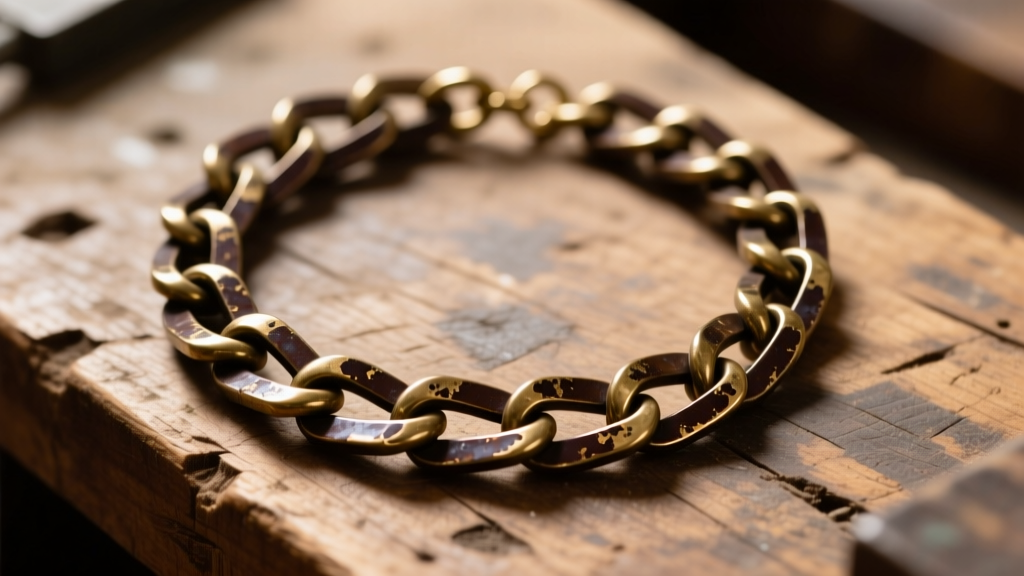
If the necklace in question features a warm, brownish-black or faintly greenish hue, it is likely crafted from unsealed brass or phosphor bronze. The avant-garde movement frequently utilizes base metals to challenge the traditional hierarchy of fine jewelry. Brass (an alloy of copper and zinc) and Bronze (copper and tin, often with phosphorus added for deoxidation) are celebrated for their 'living finishes.'
Unlike silver or titanium, raw brass reacts directly with the acidity of the wearer's skin and the moisture in the air. Over months of continuous wear, a C26000 cartridge brass chain will transition from a bright gold-like yellow to a deep, mottled brown, and eventually develop verdigris (copper acetate/carbonate) in the tightest links. The Copper Development Association notes that this patina actually acts as a protective layer against further corrosion. Designers like Carol Christian Poell and Boris Bidjan Saberi have long championed these materials, burying or chemically treating brass hardware before it even reaches the consumer to simulate decades of decay.
"True avant-garde jewelry does not resist time; it absorbs it. A pristine chain is a blank canvas, but an oxidized, skin-reacted brass chain is a completed collaboration between the metallurgist and the wearer."
How to Identify and Source Authentic Avant-Garde Chains
When attempting to identify or purchase a necklace that fits this specific material profile, you must be wary of mass-market imitations. Many fast-fashion brands attempt to replicate the Yamamoto aesthetic using cheap zinc alloys (Zamak) with a thin, electroplated black rhodium or black nickel wash. These plated finishes lack depth, feel unnaturally cold, and will flake off within weeks, revealing a silvery-grey base metal that cannot be re-patinated at home.
The Verification Framework
- The Smell Test: Rub the chain vigorously between your fingers. Raw brass and bronze will leave a distinct, metallic 'copper' smell on your skin due to the reaction between skin oils and copper alloys. Sterling silver and titanium are virtually odorless.
- The Magnet Test: Titanium and silver are completely non-magnetic. Some cheap base-metal counterfeits contain iron or steel cores and will weakly attract a neodymium magnet.
- The Weight and Temperature Test: Titanium feels remarkably light for its size and warms to the skin almost instantly. Silver is heavy and retains a cold temperature for much longer when first picked up.
- The Hallmark Check: Authentic pieces will bear stamps like '925', 'Ti-64', or specific artisan maker's marks. Look for stamps placed on the inside of the clasp or the bail of the pendant, rather than laser-etched on the front.
Care and Maintenance of Distressed Finishes
Caring for dark, avant-garde jewelry requires a complete reversal of traditional jewelry maintenance. The goal is to preserve the oxidation and patina, not remove it. Never use commercial silver dips, ultrasonic cleaners, or polishing cloths on oxidized Ag925, as these will strip the liver of sulfur treatment and return the piece to a bright, high-polish state, ruining the intended aesthetic.
Instead, clean these necklaces using only lukewarm water and a mild, phosphate-free dish soap. Use a soft-bristled toothbrush to gently remove skin oils and dirt from the crevices without abrading the blackened surfaces. For raw brass and bronze, if the verdigris becomes excessive or causes skin irritation, a gentle wipe with a microfiber cloth dampened with white vinegar will neutralize the green buildup while preserving the deep brown base patina. Store these pieces in a dry, unsealed environment; keeping oxidized silver in airtight anti-tarnish bags will actually cause the black finish to dry out and become brittle over time.
Conclusion: Embracing the Imperfect Alloy
Ultimately, answering the question of what kind of necklace defines the Yamamoto aesthetic requires an appreciation for material degradation. Whether it is the sulfur-blackened crevices of a heavy 6-gauge sterling silver rolo chain, the scratch-resistant matte void of a PVD-coated titanium pendant, or the organic, skin-reactive decay of raw phosphor bronze, these materials are chosen specifically for their imperfections. By understanding the metallurgical properties and chemical treatments behind these dark chains, collectors can confidently source, verify, and maintain pieces that truly embody the avant-garde spirit.


