Ancient Necklace Buying Guide: 2026 Authenticity Tips
Discover how to authenticate, value, and legally acquire an ancient necklace. Our 2026 buying guide covers Egyptian, Roman, and Greek antiquities.

The Allure and Reality of Collecting Ancient Jewelry
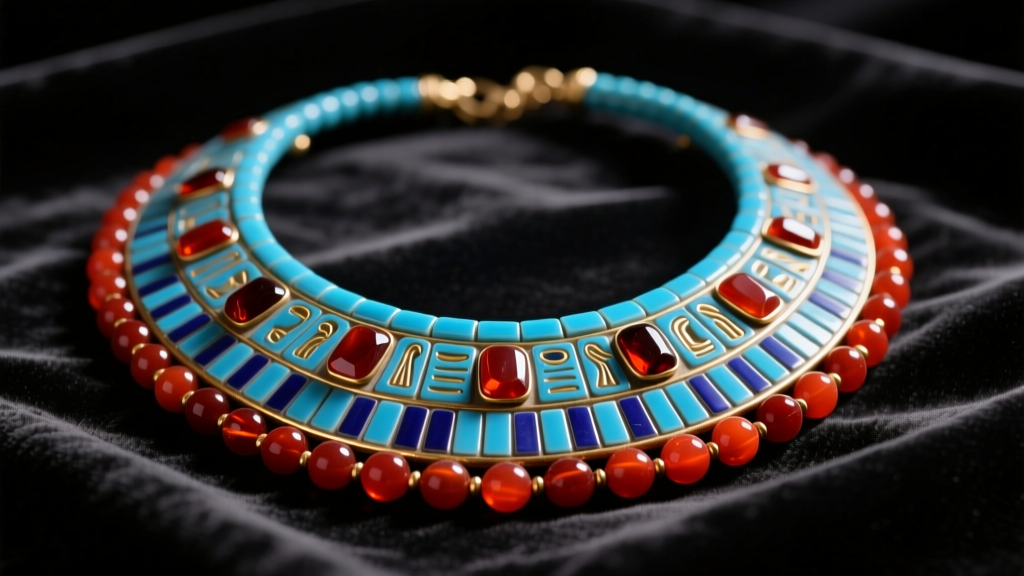
Acquiring an ancient necklace is not merely a fashion statement; it is an act of historical preservation and a serious financial investment. As the antiquities market matures in 2026, the proliferation of high-quality forgeries and the tightening of international heritage laws have made due diligence more critical than ever. Whether you are pursuing a Ptolemaic broad collar, a Roman mosaic glass bead strand, or a Hellenistic gold pendant, understanding the metallurgical, ceramic, and legal nuances of these artifacts is mandatory. This guide provides a specialized framework for collectors, focusing on material authentication, structural degradation, and the legalities of provenance.
Key Civilizations and Signature Necklace Materials
Ancient jewelry was deeply symbolic, serving as amulets, status markers, and currency. The materials used were dictated by regional trade routes and theological beliefs. According to the Metropolitan Museum of Art's Heilbrunn Timeline of Art History, the ancient Mediterranean and Near Eastern worlds relied on distinct material palettes that modern forgers frequently misunderstand or misapply.
| Civilization | Era | Common Materials | 2026 Market Price (USD) | Authentication Focus |
|---|---|---|---|---|
| Egyptian | New Kingdom to Ptolemaic | Faience, Carnelian, Lapis, Electrum | $2,000 - $45,000+ | Glaze crazing, drill hole asymmetry |
| Roman | 1st C. BCE - 4th C. CE | Mosaic Glass, Bronze, Pearls | $300 - $8,000 | Glass pitting, bronze patina stability |
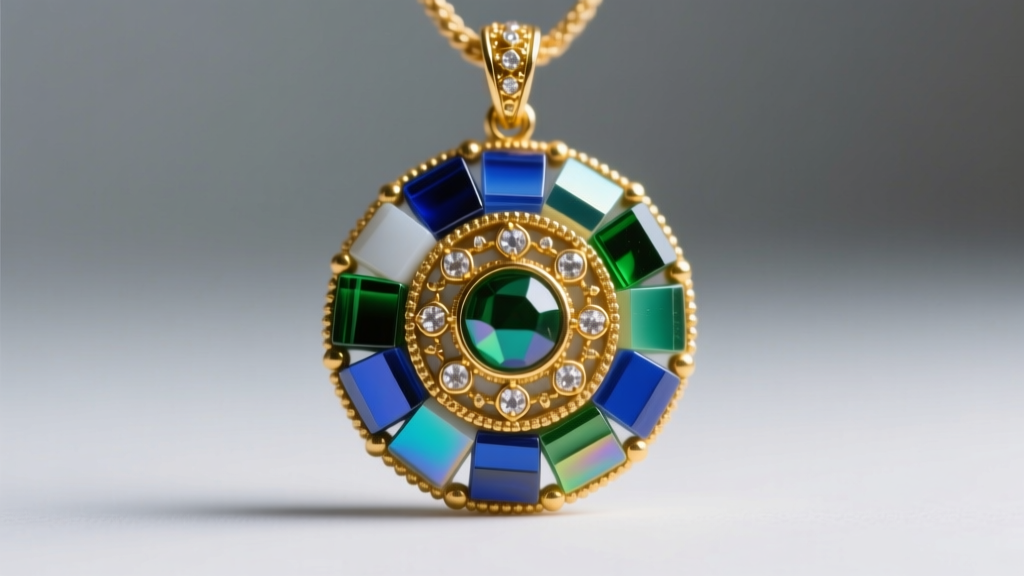
| Hellenistic | 323 BCE - 31 BCE | High-Karat Gold, Garnet, Emerald | $10,000 - $150,000+ | Granulation technique, tool marks |
| Mesopotamian | Sumerian to Neo-Assyrian | Lapis Lazuli, Gold, Carnelian | $5,000 - $60,000+ | Stone sourcing, cylinder seal beads |
Authentication: Spotting Fakes and Modern Reproductions
The market is saturated with 'ancient' bead necklaces that are actually modern composite pieces—genuine ancient beads mixed with modern glass, or entirely manufactured in workshops in the Middle East and Asia. To authenticate an ancient necklace, you must examine the micro-wear patterns and manufacturing techniques.
Drill Holes and Restringing Realities
It is an industry standard that 99% of ancient bead necklaces have been restrung in the modern era. The value lies in the beads themselves, not the string. However, the drill holes in the beads are the ultimate telltale sign of authenticity. Ancient artisans used bow drills tipped with copper or bone, combined with abrasive slurries of emery or quartz sand. This slow, friction-heavy process creates a bi-conical or 'hourglass' shaped hole, which is wider at the entry and exit points and narrower in the center. Furthermore, these holes are rarely perfectly straight. Conversely, modern forgeries utilize diamond-tipped rotary tools, leaving perfectly cylindrical holes with uniform, parallel striations that are easily visible under a 10x jeweler's loupe.
Material Degradation: Bronze Disease and Faience Crazing
Authentic antiquities bear the scars of their environment. Egyptian faience, a sintered-quartz ceramic, should exhibit 'micro-crazing'—a network of microscopic crackles in the alkaline glaze caused by thousands of years of thermal expansion and contraction. Fakes often feature a uniform, painted-on glaze or are cast from modern silicone molds, lacking the granular core visible at the chip sites. For Roman and Greek bronze chains or pendants, collectors must be vigilant against 'bronze disease.' This is a destructive chemical reaction where cuprous chloride interacts with moisture to form powdery, bright green spots that actively eat away the metal. While a stable, dark green or brown patina is desirable and protective, active bronze disease is a severe failure mode that requires immediate professional conservation.
Provenance and Legalities: The 1970 UNESCO Convention
The most significant risk in buying an ancient necklace is not a financial one, but a legal one. The global trade of antiquities is governed by the UNESCO 1970 Convention on the Means of Prohibiting and Preventing the Illicit Import, Export and Transfer of Ownership of Cultural Property. In 2026, major auction houses and reputable dealers will not touch an artifact that lacks documented provenance predating 1970, or verifiable legal export licenses from the country of origin issued after that date.
Collector's Rule of Thumb: Never purchase an ancient necklace based solely on a dealer's verbal guarantee or a generic 'ex-European collection' receipt. Demand a continuous paper trail, old auction catalogs, or pre-1970 export documentation. Always cross-reference the piece with the Art Loss Register (ALR).
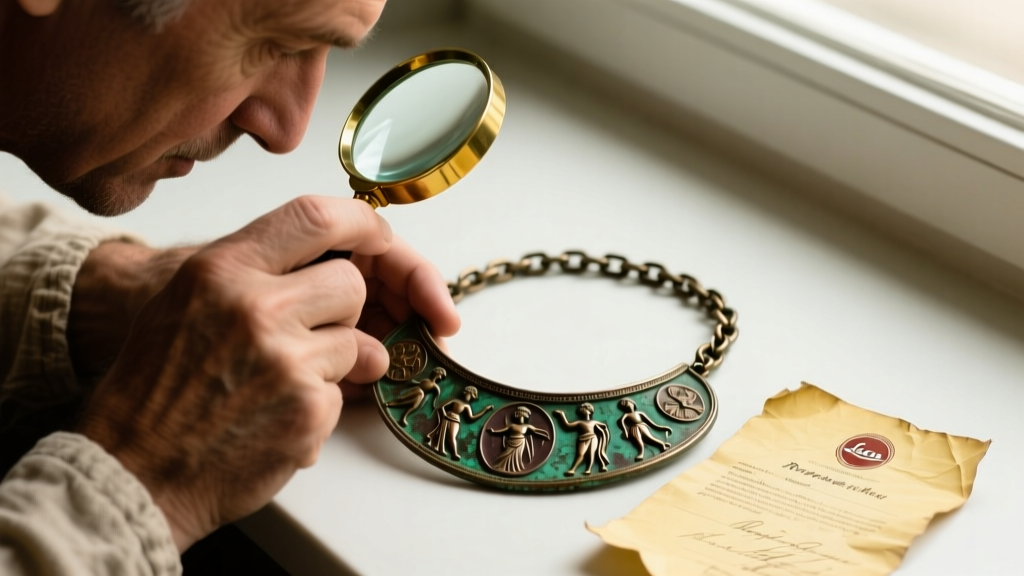
The British Museum Online Collection Database is an invaluable, free resource for comparing the typology, clasp mechanisms, and bead shapes of a prospective purchase against verified, excavated examples. If a seller's 'Roman gold pendant' perfectly matches a known, unexcavated museum piece without any signs of age, it is likely a modern electroformed copy.
Where to Buy and How to Verify Dealers
Sourcing an ancient necklace requires navigating a highly specialized tier of the jewelry market. Avoid general antique stores, estate sales, and unvetted online marketplaces. Instead, focus on:
- Specialized Antiquities Galleries: Dealers who are members of the Antiquities Dealers Association (ADA) or the International Association of Dealers in Ancient, Oriental and Primitive Art (IADAOPA). They adhere to strict codes of ethics and provide lifetime guarantees of authenticity.
- Major Auction Houses: Bonhams, Christie's, and Sotheby's hold dedicated antiquities sales. While buyer's premiums are high (often 25-30%), the cataloging is rigorously vetted by in-house scholars, and the provenance is legally indemnified.
- Numismatic and Antiquities Fairs: Events like the New York International Numismatic Convention (NYINC) often feature vetted antiquities dealers. Buying in person allows you to inspect the drill holes and patina under proper lighting.
Conservation and Care for Antiquities
Once you have acquired a verified ancient necklace, proper conservation is vital to maintaining its historical integrity and market value. Never attempt to clean ancient gold, faience, or glass with commercial jewelry dips, ultrasonic cleaners, or abrasive polishes. These methods will strip away the microscopic layers of historical patina and can dissolve the fragile glazes on faience beads. Store the necklace flat in an acid-free, archival-quality tissue box. For pieces containing bronze or copper alloys, maintain a strict relative humidity (RH) of below 40% in your display or storage environment to completely halt the risk of bronze disease. By treating these artifacts with the respect and scientific rigor they demand, you ensure that your ancient necklace remains a pristine window into the ancient world for generations to come.


