Shell Bead Necklace Trends 2026: Elevated Coastal Styling
Discover 2026 shell bead necklace trends. Learn how to style elevated coastal jewelry, grade shell materials, and layer puka and cowrie beads like a pro.

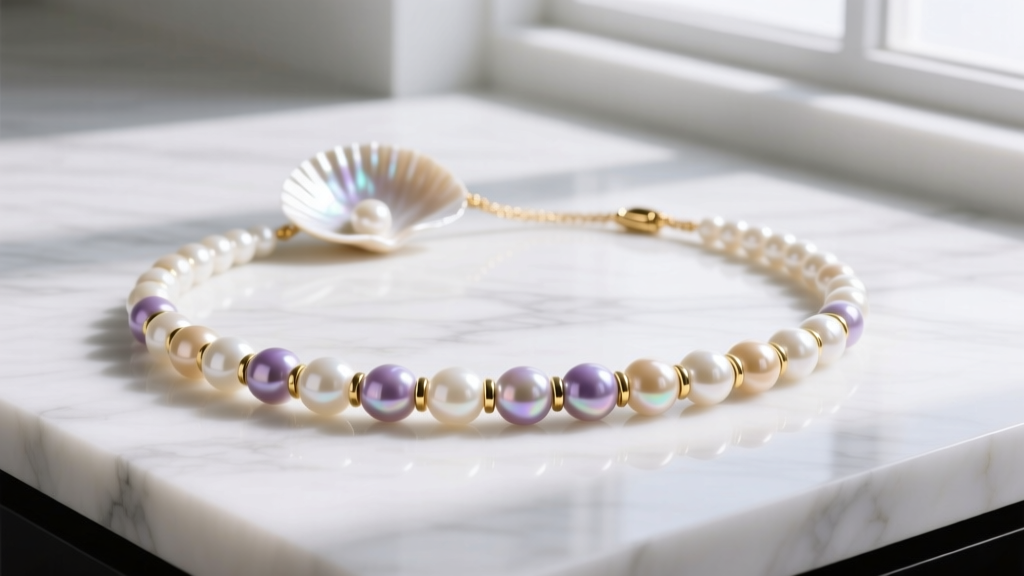
The Evolution of the Shell Bead Necklace: From Surf to Runway
For decades, the shell bead necklace was relegated to the realm of tourist shops, surf souvenirs, and fleeting summer festival trends. However, as we navigate the fashion landscape of 2026, a massive paradigm shift has occurred. Driven by the enduring influence of 'quiet luxury' and the sophisticated evolution of 'coastal grandmother' aesthetics, the shell bead necklace has been reclaimed by high-end designers and artisan jewelers. Today, this category is defined by meticulous material sourcing, architectural stringing techniques, and seamless integration with precious metals. No longer just a casual accessory, the modern shell bead necklace is a study in organic texture and refined elegance, commanding respect in both boardroom layering stacks and evening resort wear.
The transition from mass-produced, resin-coated shells to ethically sourced, hand-finished nacre and puka reflects a broader consumer demand for traceability and natural imperfection. According to trend forecasters at Vogue, the 2026 jewelry market heavily favors 'biophilic design'—pieces that connect the wearer to the natural world through unpolished, authentic materials. This means the perfectly uniform, bleached-white shell strands of the early 2010s are out, replaced by organic gradients, raw edges, and mixed-media compositions.
Material Grading: Not All Shell Beads Are Created Equal
To the untrained eye, a shell bead is simply a shell bead. To a gemologist or master stringer, the calcium carbonate and aragonite crystal structures dictate everything from the bead's luster to its vulnerability to acidic degradation. Understanding the specific mollusk origins and structural integrity of your shells is the first step in curating a luxury collection.
Puka, Cowrie, and Mother of Pearl
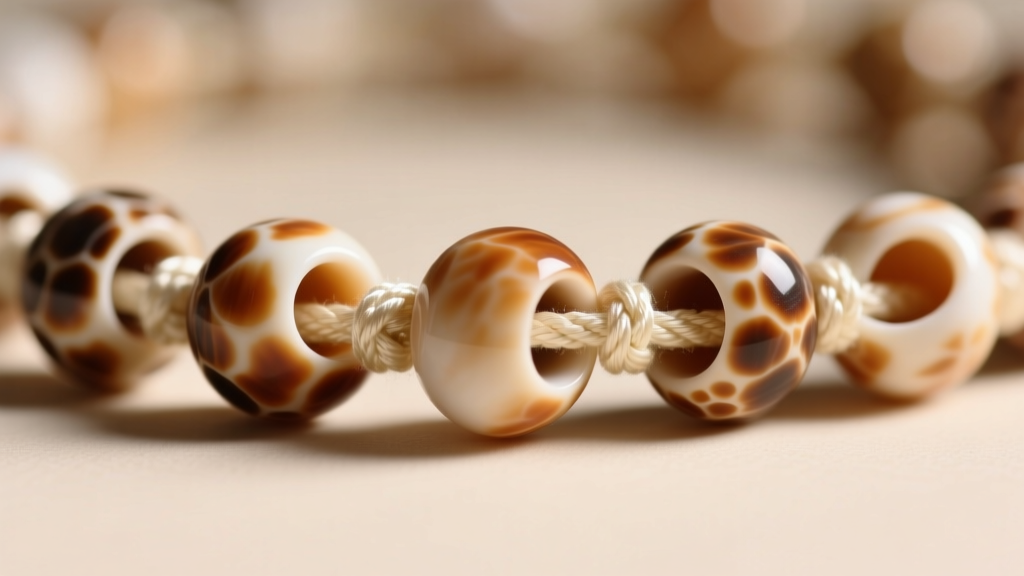
Genuine Hawaiian Puka (meaning 'hole') is traditionally formed by the ocean tumbling cone shell fragments until they are smooth, leaving a natural, asymmetrical center hole. Because true ocean-tumbled puka is incredibly rare, 95% of the market is flooded with heishi-cut shell imitations that are mechanically drilled and tumbled. Authentic puka features warm, uneven undertones and a distinct convex/concave bead profile. Cowrie shells, prized for their porcelain-like dorsal finish, are structurally fragile at the lip and require careful spacing on a strand to prevent edge-chipping. Mother of Pearl (MOP), harvested primarily from pearl oysters and abalone, offers unparalleled iridescence but ranks relatively low on the Mohs hardness scale, making it susceptible to scratching if stored improperly.
| Shell Material | Mohs Hardness | Average Retail (16-inch) | Ideal Stringing Material |
|---|---|---|---|
| Genuine Ocean Puka | 2.5 - 3.0 | $120 - $350 | Griffin 100% Silk (Size 2) |
| Mother of Pearl (Nacre) | 2.5 - 4.5 | $150 - $450 | Beadalon Nylon (0.012 inch) |
| Polished Cowrie | 3.0 - 3.5 | $85 - $220 | Waxed Cotton Cord (1.0mm) |
| Abalone (Paua) | 2.5 - 4.0 | $200 - $600 | PowerPro Braided (10lb test) |
2026 Trend Forecast: How the Industry is Styling Shells
This year's runway and boutique offerings showcase a distinct departure from the 'mermaid-core' overload of previous years. The 2026 shell bead necklace trends prioritize restraint, contrast, and architectural balance.
- Asymmetrical Graduation: Rather than uniform bead sizes, designers are utilizing organic tapering. A strand might feature 12mm cowrie shells at the sternum, gradually stepping down to 4mm seed shells near the clasp, mimicking natural skeletal structures.
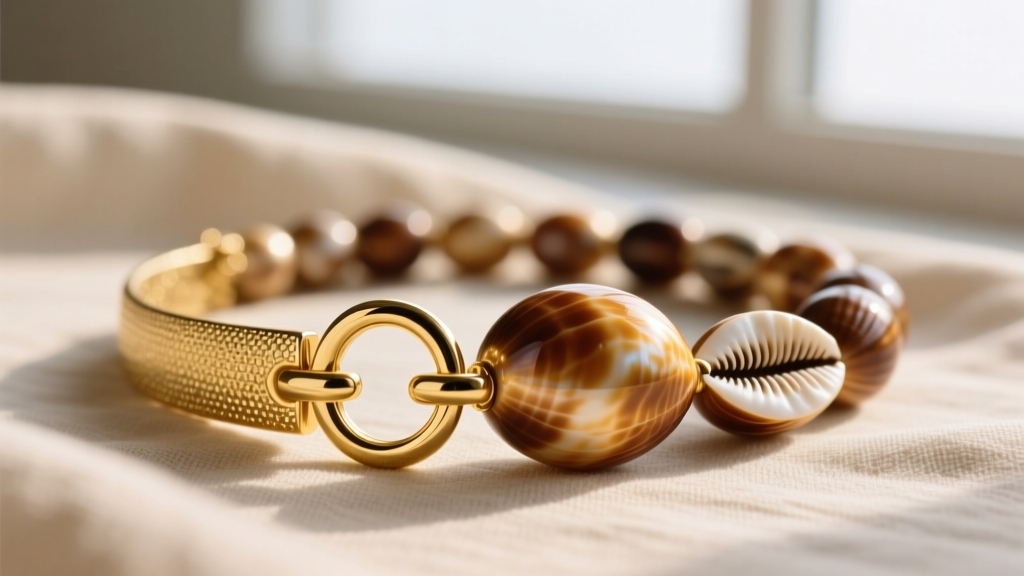
- Mixed Metal Integration: Shells are no longer strung alone. The insertion of 14k yellow gold vermeil corrugated tubes, oxidized sterling silver spacers, or tiny pave diamond rondelles between shell beads elevates the piece from beachwear to fine jewelry.
- Matte and Sandblasted Finishes: High-gloss, polyurethane-coated shells are being rejected by luxury buyers. The 2026 preference leans heavily toward matte, sandblasted, or raw-edged shells that absorb light rather than reflect it, providing a softer, more tactile visual experience.
- Dark and Melanistic Shells: While white nacre remains a staple, dark-lipped oyster shells, black-lip pearl oyster beads, and naturally occurring brown conch shells are surging in popularity for their moody, gender-neutral appeal.
The Anatomy of a High-End Shell Bead Necklace
The true marker of a luxury shell bead necklace lies not just in the beads, but in the engineering of the stringing and findings. Because shells are relatively heavy and possess sharp, unpolished internal drill holes, standard beading wire will eventually fray and snap.
For premium puka and MOP strands, master stringers utilize French wire (also known as bullion or gimp) at the terminal ends. This microscopic coiled metal spring protects the delicate silk thread from the friction of the metal clasp ring. Furthermore, the knotting technique is paramount. Hand-knotting between every single shell bead using Size 2 or Size 3 Griffin silk serves three purposes: it prevents bead-on-bead abrasion (which destroys nacre), it allows the necklace to drape fluidly like fabric rather than stiff wire, and it ensures that if the strand breaks, only one bead is lost rather than the entire strand scattering across a floor.
Clasp selection has also evolved. While traditional lobster claws are functional, the 2026 market favors brushed brass or matte gold T-bar toggles, which act as a secondary focal point when worn slightly off-center, or hidden magnetic tube clasps that maintain the unbroken visual flow of a shell choker.
Styling Framework: Necklines and Layering
"The secret to modern coastal styling is juxtaposition. You never want the jewelry to look like it belongs exclusively on a boat. Pair organic shell textures with sharp, tailored tailoring to create visual tension." — Contemporary Jewelry Styling Guidelines
The 3-Piece Layering Matrix
Layering a shell bead necklace requires balancing the visual weight of the organic material with the sharp reflectivity of metals. Here is the definitive 2026 layering framework for a 16-inch base shell strand:
Layer 1 (The Anchor): A 14-inch genuine puka shell choker on knotted silk. This sits flush against the collarbone and frames the face with warm, matte texture.
Layer 2 (The Bridge): An 18-inch 14k yellow gold snake chain (1.5mm width) featuring a single, bezel-set white sapphire or diamond pendant. The sharp metallic line cuts through the organic bulk of the shells.
Layer 3 (The Terminator): A 22-inch oxidized sterling silver rolo chain ending in a raw, unpolished mother-of-pearl bar pendant. This draws the eye downward and elongates the torso.
When wearing these layers, ensure your neckline provides a blank canvas. Deep V-necks, scoop necks, and unbuttoned linen poplins work best. Avoid high ruffled collars or heavily patterned fabrics, which will compete with the intricate natural patterns of the shell beads.
Care and Maintenance: Preventing Degradation
Shells are primarily composed of calcium carbonate and an organic protein called conchiolin. This chemical makeup makes them highly reactive to environmental stressors. According to care guidelines outlined by Jewelers of America, organic gems require a vastly different maintenance protocol than crystalline stones like diamonds or sapphires.
The Acid Threat: Human sweat contains lactic acid, which will slowly dissolve the calcium carbonate in shell beads, leading to a loss of luster, pitting, and a chalky white residue. Always wipe your shell bead necklace with a damp, lint-free microfiber cloth immediately after wearing it in warm weather or high-humidity environments.
Chemical Exposure: Never apply perfume, hairspray, or sunscreen while wearing your shell jewelry. The alcohol and synthetic chemicals will strip the natural oils from the shell and degrade the silk stringing material. Always follow the 'last on, first off' rule.
Storage and Cleaning: Never use ultrasonic cleaners, steamers, or commercial jewelry dips on shell beads; the vibrations and harsh acids will shatter or melt them. Store your necklaces flat in a soft anti-tarnish pouch away from direct, prolonged UV sunlight, which can cause naturally dyed shells to become brittle and fade. By treating your shell bead necklace with the same reverence as a strand of fine Akoya pearls, you ensure its structural integrity and aesthetic beauty for decades to come.


