Hawaiian Nut Necklace Materials: Kukui vs Organic Alternatives
Discover the material properties of the traditional Hawaiian nut necklace. Compare kukui, tagua, and coconut for durability and wear.

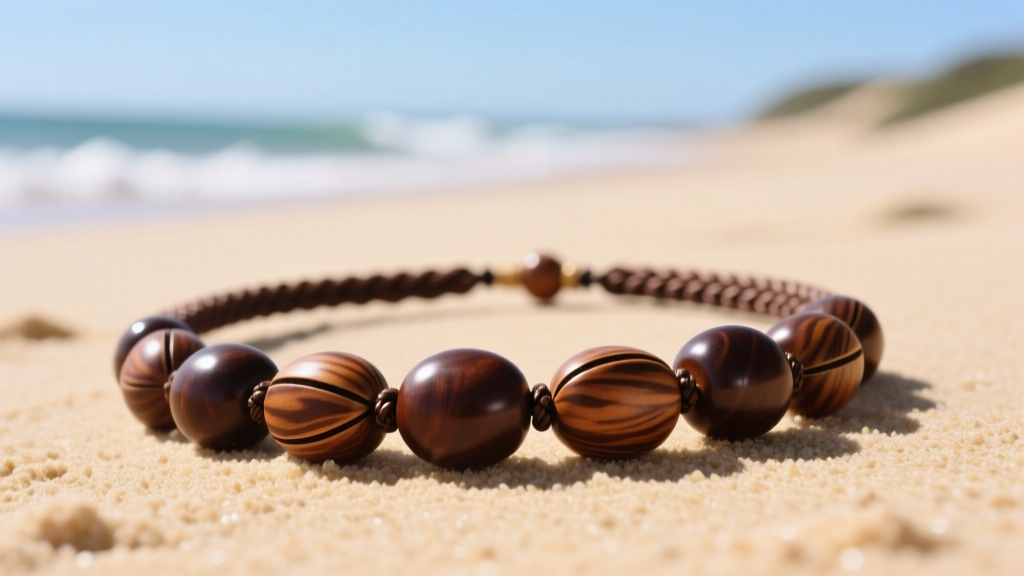
When collectors, surfers, and jewelry enthusiasts search for a Hawaiian nut necklace, they are almost exclusively referring to the iconic Kukui nut lei. However, the botanical jewelry market is vast, and understanding the material science behind these organic gems is critical for making an informed purchase. As of 2026, the demand for sustainable, non-wood forest products has surged, bringing alternative botanical materials like Tagua and polished coconut shell into direct competition with traditional Kukui. This guide breaks down the exact material properties, degradation risks, and finishing techniques of the Hawaiian nut necklace compared to its closest organic alternatives.
The Anatomy of a Traditional Hawaiian Nut Necklace
The authentic Hawaiian nut necklace is crafted from the seeds of the Aleurites moluccanus, commonly known as the Kukui or candlenut tree. Designated as the official state tree of Hawaii, the Kukui nut possesses a unique biochemical profile that dictates how it must be harvested, cured, and worn. According to the USDA Plants Database, the raw seed contains an exceptionally high oil content—often exceeding 60% by weight. This high lipid concentration is a double-edged sword for jewelry makers.
On one hand, the natural oils allow the nut to achieve a glass-like polish without the need for synthetic lacquers, provided it is sanded through progressive grits up to 3000. On the other hand, this oil content makes the nuts highly combustible if drilled improperly. Artisans must use brad-point drill bits at very low speeds (under 500 RPM) to prevent the friction from scorching the oils and causing the bead to fracture or smoke. Standard Kukui beads for a classic puka-style necklace range from 18mm to 22mm in diameter, offering a substantial, earthy weight that synthetic replicas cannot replicate.
Kukui vs. Tagua: The Great Botanical Necklace Debate
While the Kukui nut dominates the Polynesian jewelry market, the Tagua nut (often called 'vegetable ivory') is its primary rival in the broader organic jewelry space. Sourced primarily from South American palm species, Tagua offers a starkly different set of material properties. To understand how they compare, we must look at density, porosity, and carving potential.
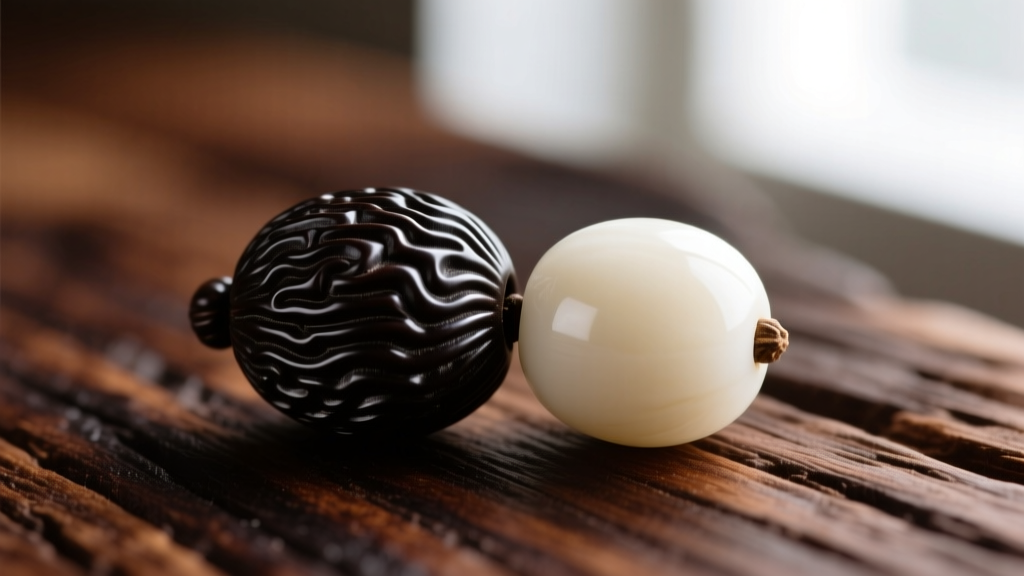
The Gemological Institute of America (GIA) notes that organic materials require specialized care due to their cellular structures. Tagua is highly porous and behaves much like elephant ivory, making it ideal for intricate carving and deep dye penetration. Kukui, conversely, is denser and heavily saturated with natural lipids, resisting most water-based dyes unless heavily bleached first.
| Material Property | Kukui Nut (Aleurites moluccanus) | Tagua Nut (Phytelephas aequatorialis) | Coconut Shell (Cocos nucifera) |
|---|---|---|---|
| Mohs Hardness | 2.5 (Relatively soft) | 2.5 to 3.0 (Moderate) | 3.5 to 4.0 (Hard but brittle) |
| Porosity & Oil Content | High oil, low porosity when cured | Highly porous, zero natural oils | Low oil, dense fibrous matrix |
| Moisture Reaction | Resists warping, develops patina | Prone to swelling and cracking | Highly stable, waterproof |
| Primary Aesthetic | Deep mahogany to glossy black | Creamy white, easily dyed | Dark brown with natural striations |
Moisture, Sweat, and Degradation: Real-World Wearability
The ultimate test of any organic necklace is how it handles human sebum, ambient humidity, and saltwater. A Hawaiian nut necklace is traditionally worn close to the skin, and the Kukui nut actually benefits from this environment. The natural salts and oils from human skin slowly penetrate the microscopic surface pores of a hand-polished Kukui bead, deepening its color and creating a rich, dark patina over years of wear.
Tagua necklaces, however, face severe degradation risks in similar conditions. Because Tagua lacks natural oils, it acts like a microscopic sponge. When exposed to heavy sweat or high humidity, unsealed Tagua beads absorb moisture, swell, and eventually develop hairline fractures as they dry out. Furthermore, the Food and Agriculture Organization (FAO) highlights that sustainable harvesting of botanical materials often leaves them susceptible to fungal attacks if not properly kiln-dried. If you plan to wear your botanical necklace while surfing or swimming in the ocean, Kukui and Coconut are your only viable options; Tagua will quickly deteriorate when exposed to saltwater.
The Curing and Finishing Process
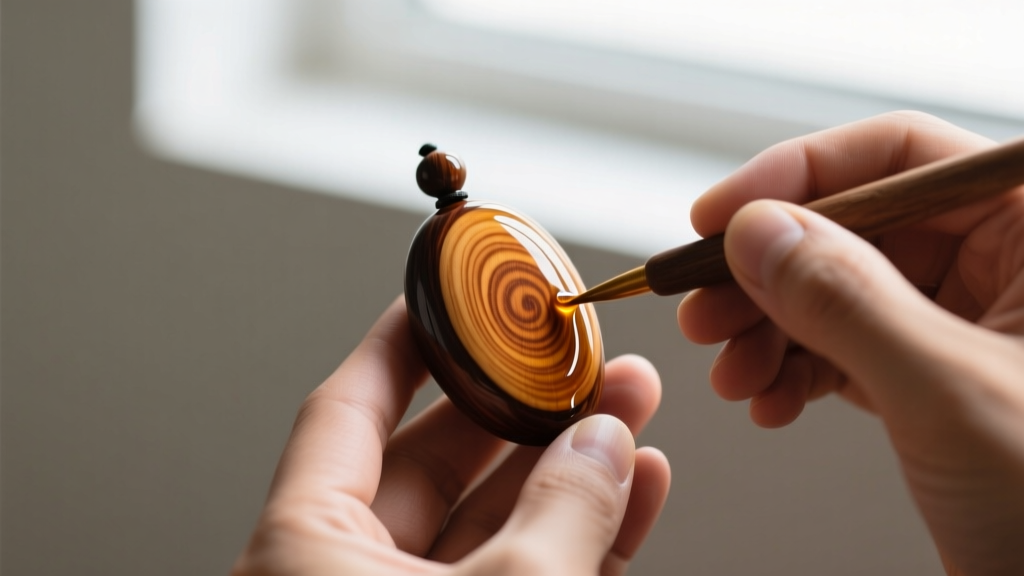
The longevity of a Hawaiian nut necklace is entirely dependent on the curing and finishing process. Raw Kukui nuts must be shade-dried for several months to allow the internal moisture to evaporate while retaining the structural lipids. If baked or sun-dried too quickly, the nuts will shatter.
In the modern market, you will encounter two primary finishes:
- Polyurethane-Dipped: Many mass-produced necklaces are dipped in a synthetic polyurethane resin. This creates a thick, plastic-like shell that is highly waterproof and scratch-resistant. However, by 2026, many collectors have noted that UV exposure causes these synthetic coatings to yellow, peel, and trap moisture underneath, eventually rotting the nut from the inside out.
- Natural Oil & Hand-Polished: Premium artisans use natural tung oil, raw kukui oil, or simply rely on friction-polishing up to 3000-grit micro-mesh. This leaves the cellular structure open to breathe and interact with the wearer's skin. While it requires occasional re-oiling to prevent desiccation in arid climates, it offers a vastly superior tactile feel and authentic aesthetic.
Sourcing, Ethics, and Authenticity in 2026
With the rise of e-commerce, the market has been flooded with counterfeit Hawaiian nut necklaces made from dyed phenolic resins or compressed wood dust. Identifying genuine Kukui requires a basic understanding of material thermodynamics. The most reliable method is the 'pin test'. By heating a needle with a lighter and pressing it into an inconspicuous area (like the inside of the drill hole), genuine Kukui will emit a faint, nutty aroma similar to burning wood or roasted seeds. Synthetic resins will melt, stick to the pin, and release an acrid, chemical odor.
Additionally, weight is a major tell. A standard 20mm Kukui bead weighs approximately 3.5 to 4 grams. Resin fakes are often uniformly heavier and lack the microscopic surface variations and natural indentations characteristic of real botanical seeds. When sourcing, always look for vendors who disclose the specific curing methods and avoid those selling perfectly uniform, flawlessly black beads at suspiciously low price points, as these are almost certainly dyed and lacquered alternatives.
How to Choose the Right Botanical Material for Your Lifestyle
Selecting the right organic necklace requires aligning the material properties with your daily environment. Use this decision framework to guide your purchase:
- The Active Beachgoer: Choose a hand-polished Kukui nut necklace. Its natural lipid barrier repels saltwater, and it will only look better as it absorbs the sun and sea air. Avoid polyurethane coatings, as sand will eventually scratch the plastic finish.
- The Office Professional: A Tagua nut necklace dyed in deep navy or charcoal is an excellent choice. Worn over clothing in climate-controlled environments, it avoids the sweat and humidity that cause cracking, offering an elegant, ivory-like aesthetic without the ethical concerns of animal products.
- The Rugged Outdoorsman: Opt for Coconut shell or heavily textured, raw Kukui. Coconut shell boasts the highest Mohs hardness of the botanical options, making it highly resistant to impacts, scratches, and accidental drops on hard surfaces.
Ultimately, the Hawaiian nut necklace remains a masterclass in natural material engineering. By respecting the biochemical realities of the Kukui nut and understanding how it stacks up against alternatives like Tagua and Coconut, you can invest in a piece of botanical jewelry that will gracefully outlast fleeting fashion trends.


