Angel Number Necklace Buying Guide: Metals, Chains & Meanings
Discover how to choose the perfect angel number necklace. Our expert buying guide covers metal grades, chain durability, engraving types, and pricing.

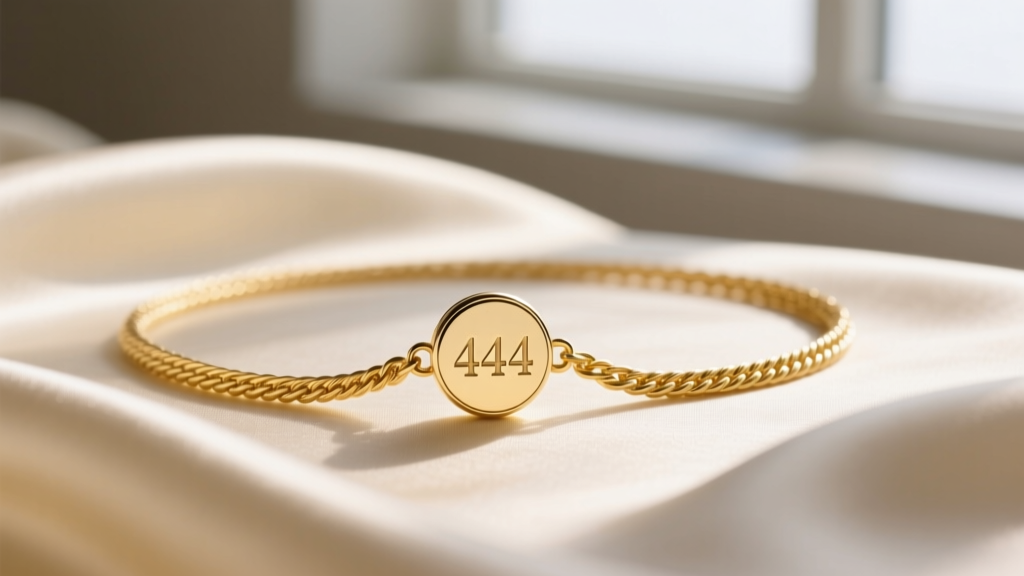
The surge in popularity of spiritual and intentional jewelry has made the angel number necklace a staple in modern collections. Whether you are drawn to 111 for manifestation, 444 for protection, or 777 for divine luck, these numerical talismans offer a deeply personal touch to everyday styling. However, the market is currently saturated with fast-fashion alternatives that utilize inferior alloys, weak chain links, and shallow engravings that fade within months.
As a jewelry buyer, navigating the metallurgy and structural mechanics of these pieces is critical. This comprehensive buying guide breaks down exactly what to look for when investing in an angel number pendant, ensuring your meaningful piece survives daily wear without tarnishing, snapping, or losing its numerical imprint.
The Numerology Foundation: Choosing Your Sequence
Before evaluating the hardware, it is essential to select a sequence that aligns with your personal intentions. Angel numbers are rooted in numerology, where repeating digits carry specific vibrational frequencies. While personal resonance should always be your primary guide, understanding the traditional associations can help you make a deliberate choice.
- 111 (Manifestation): Represents alignment, new beginnings, and the power of thought creation. Ideal for entrepreneurs or those starting a new life chapter.
- 222 (Balance): Symbolizes harmony, partnerships, and trust in the universe. A popular choice for those focusing on relationship building or inner peace.
- 333 (Support): Associated with ascended masters, creativity, and spiritual growth. Often chosen by artists and healers.
- 444 (Protection): The ultimate grounding number, signifying that you are surrounded by guidance and stability. Highly recommended for frequent travelers.
- 777 (Fortune): The number of divine luck, spiritual awakening, and serendipity. A favorite for those seeking unexpected opportunities.
Metal Metallurgy: What Actually Lasts?
The longevity of your angel number necklace is entirely dependent on the base metal and the thickness of any surface plating. Many brands market 'gold' necklaces that are actually brass coated in a microscopic layer of gold that wears off in weeks, exposing the reactive base metal to your skin's natural acids and causing the dreaded green tarnish.
Solid Gold vs. Vermeil vs. Standard Plating
When shopping, you will encounter three primary tiers of gold jewelry. Understanding the legal and metallurgical definitions of these terms will save you from deceptive marketing.
Solid Gold (14k and 18k): According to the Gemological Institute of America (GIA), pure 24k gold is too soft for delicate jewelry chains. Therefore, it is alloyed with metals like copper, silver, and zinc. 14k gold (58.5% pure gold) offers the highest tensile strength, making it the superior choice for thin, lightweight chains that resist stretching and snapping. 18k gold (75% pure gold) offers a richer, warmer yellow hue but is slightly softer and more prone to micro-scratches.
Gold Vermeil: The Federal Trade Commission (FTC) strictly regulates the term 'vermeil.' To qualify, a piece must have a sterling silver (925) base and be plated with a minimum of 2.5 microns of 10k or higher gold. This thickness ensures the plating can withstand years of friction before wearing down to the silver base.
Gold Plated / Gold Filled: Standard 'gold plated' jewelry usually features a brass or copper base with a mere 0.5 microns of gold. 'Gold filled' is a better alternative, consisting of a thick layer of gold mechanically bonded to a brass core (legally required to be 5% of the total weight), but it cannot be cast into intricate, seamless 3D pendant shapes like solid gold or vermeil can.
Chain Mechanics: Preventing the 'Lost Pendant' Syndrome
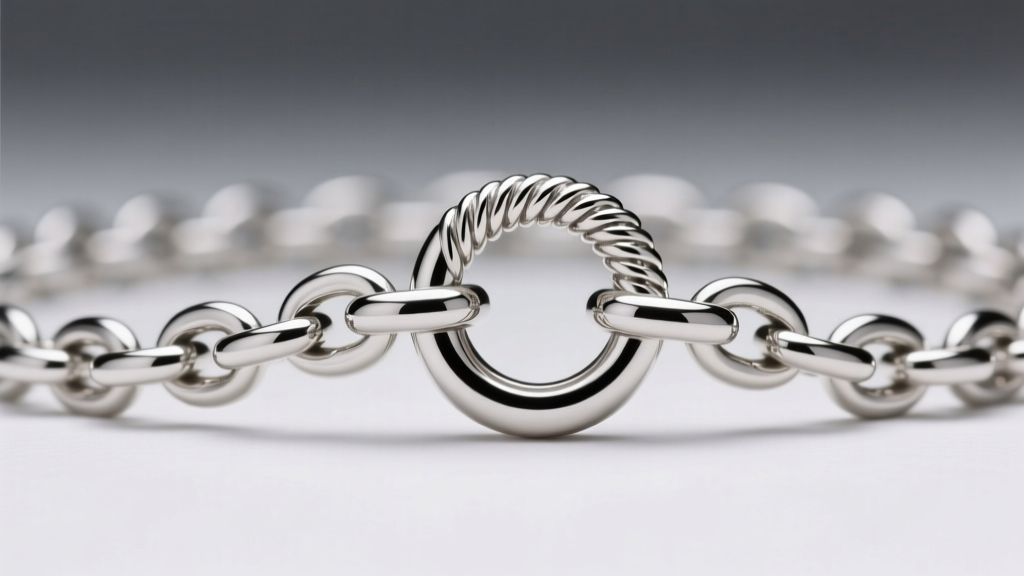
The most common point of failure in any pendant necklace is not the chain itself, but the connection points and the clasp mechanism. A beautiful 14k gold 444 pendant is useless if it falls off and gets lost in the grass because of a faulty clasp.
Gauge Thickness and Link Styles
Chain gauge refers to the thickness of the wire used to make the links. For delicate angel number discs (typically 10mm to 15mm in diameter), you need a chain that balances visibility with structural integrity.
- 0.5mm - 0.7mm (Ultra-Delicate): Avoid these for daily wear. They possess very low tensile strength and will snap if caught on a sweater or towel.
- 0.9mm - 1.2mm (The Sweet Spot): This gauge provides enough thickness to resist pulling apart while remaining visually subordinate to the pendant. Cable chains and rolo chains in this size are highly recommended.
- 1.5mm+ (Heavy): Too visually dominant for standard angel number pendants; the chain will distract from the numerical engraving.
Clasp and Jump Ring Engineering
Always inspect the clasp type. Spring ring clasps rely on a tiny internal coil spring that frequently degrades when exposed to sweat, lotions, and friction, eventually failing to close completely. Always opt for a lobster clasp, which utilizes a sturdier lever mechanism and a thicker internal spring.
Furthermore, the jump ring (the small circular ring connecting the clasp to the chain, and the pendant to the chain) must be soldered closed. An unsoldered jump ring is essentially a tiny hook; if it catches on your hair or clothing, it will pull open, and your pendant will slide off and be lost forever.
Engraving Precision: Laser vs. Hand-Stamped vs. Cast
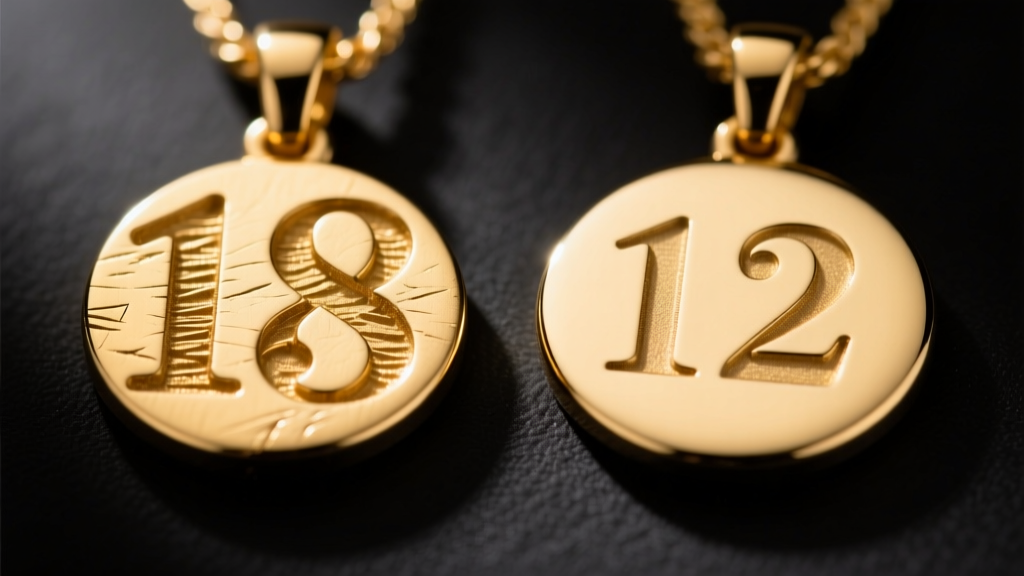
The way the numbers are applied to the pendant dictates how legible they will be in five or ten years. Because necklaces rest against the collarbone and experience constant friction from clothing, surface-level engravings will eventually polish away.
Evaluating the Imprint Methods
| Engraving Method | Process Details | Longevity & Wear | Aesthetic Profile |
|---|---|---|---|
| Laser Engraving | Uses a focused laser beam to vaporize microscopic layers of metal. | Moderate. Shallow depths can fade over years of high friction. Best for intricate, tiny fonts. | Crisp, perfectly uniform, and modern. |
| Hand-Stamping | A steel die is struck with a hammer, physically displacing the metal. | Exceptional. The deep impression will never wear away, though the metal may scratch around it. | Rustic, slightly imperfect, and highly artisanal. |
| Enamel Infill | Laser or CNC routed, then filled with black or colored vitreous enamel. | High, provided the enamel is kiln-fired. Painted infills will chip and flake off within months. | High contrast, bold, and highly legible from a distance. |
| Cast in Place | The numbers are part of the original 3D CAD wax model and cast in metal. | Permanent. The numbers are raised or recessed as part of the solid metal structure. | Smooth, integrated, and luxurious. |
Pricing Tiers: What You Should Actually Pay
Understanding the fair market value of materials prevents you from overpaying for branded costume jewelry or underpaying for suspicious 'solid gold' claims. Below is a realistic pricing framework for a standard 12mm-15mm angel number pendant on an 18-inch chain.
- Tier 1: Fast Fashion / Plated Brass ($15 - $35)
Expect gold-plated brass or stainless steel with laser etching. High risk of skin irritation and chain breakage. Treat as temporary, seasonal jewelry. - Tier 2: Premium Vermeil & Gold Filled ($65 - $130)
Sterling silver base with 2.5+ microns of 14k or 18k gold. Hand-stamped or deep laser engraving. Excellent for daily wear if removed before showering or swimming. - Tier 3: Solid 14k Gold ($250 - $450)
The benchmark for fine, heirloom-quality jewelry. Will not tarnish, can be worn in the shower, and holds intrinsic scrap value. Look for brands that specify the exact gram weight of the piece.
Care & Maintenance for Longevity
Even the highest quality 14k gold or rhodium-plated sterling silver requires basic maintenance to maintain its luster. Avoid exposing your angel number necklace to chlorine (pools and hot tubs), which chemically attacks the alloys in karat gold, causing microscopic pitting and structural weakness. For sterling silver pieces, store them in an anti-tarnish cloth pouch with a silica gel packet to absorb ambient moisture and prevent the formation of silver sulfide. By prioritizing structural mechanics, metal purity, and deep engraving techniques, your chosen angel number will remain a lasting, legible talisman for decades to come.


