Angelina Jolie Necklace With Blood: Vial Pendant Buyer's Guide
Explore the legacy of the Angelina Jolie necklace with blood. Our 2026 buying guide covers vial pendants, relic jewelry materials, and safe sealing.

The Enduring Legacy of Y2K Macabre Jewelry
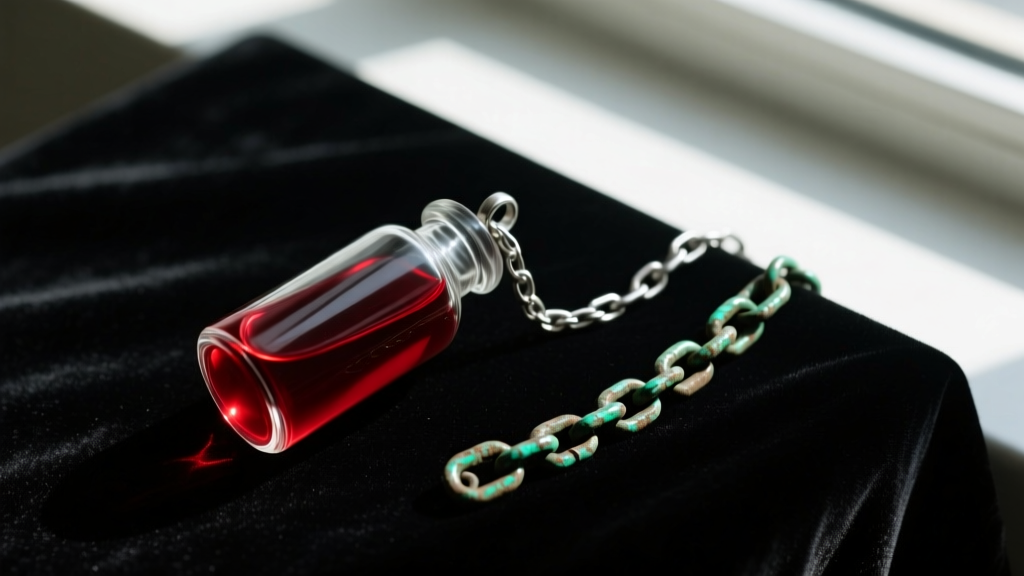
When the angelina jolie necklace with blood first made headlines in 2001, it fundamentally shifted the cultural perception of celebrity jewelry. The infamous vial pendant, containing the blood of her then-husband Billy Bob Thornton, became the ultimate symbol of grunge-gothic romance and Y2K macabre aesthetics. While the original piece was eventually retired and its contents disposed of, the visual impact of the apothecary vial necklace has experienced a massive resurgence. In 2026, the demand for relic-style pendants, gothic vial necklaces, and custom macabre jewelry is at an all-time high, driven by a nostalgia for early-2000s edge and a growing interest in highly personalized, sentimental adornment.
However, purchasing or commissioning a high-quality vial pendant requires a deep understanding of jewelry materials, glass engineering, and safe encapsulation techniques. Whether you are looking to recreate the iconic grunge look or commission a bespoke relic locket, this comprehensive buying guide will help you navigate the market, avoid cheap imitations, and select materials that ensure longevity and safety.
The Anatomy of a High-Quality Vial Pendant
The market is flooded with inexpensive, mass-produced glass tubes that leak, shatter, or tarnish within weeks. A true collector-grade vial pendant—capable of safely holding liquids, powders, or organic matter—relies on three critical components: the vessel, the hardware, and the sealant.
The Vessel: Borosilicate vs. Soda-Lime Glass
Most cheap pendants sold on fast-fashion marketplaces use soda-lime glass. While affordable, soda-lime is highly susceptible to thermal shock and micro-fractures. If worn against the skin daily, body heat and environmental temperature shifts can cause invisible stress cracks, leading to catastrophic failure and leakage.
For a premium angelina jolie necklace with blood inspired piece, you must seek out borosilicate glass. Originally developed for laboratory equipment, borosilicate glass contains boron trioxide, which gives it an exceptionally low coefficient of thermal expansion (approximately 3.3 × 10⁻⁶ /K). This makes it virtually impervious to temperature shock, ensuring the vial remains structurally sound for decades. Furthermore, borosilicate offers superior optical clarity, allowing the deep crimson hues of the pendant's contents to catch the light beautifully.
Material Breakdown: Seals and Hardware
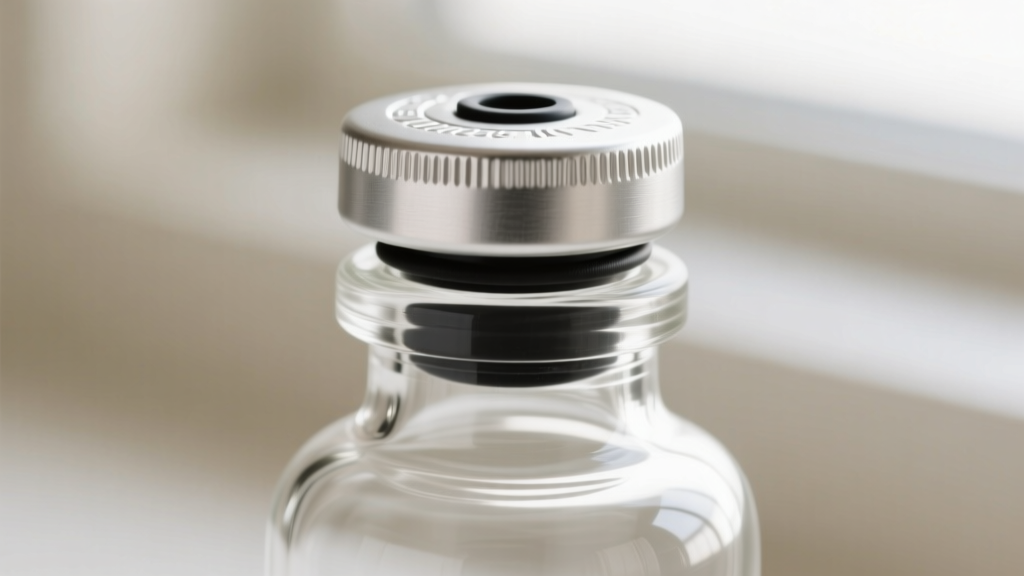
The most common point of failure in any liquid-filled pendant is the cap. Threaded metal caps must be precision-machined to prevent cross-threading, which can crack the glass neck.
| Component | Standard Grade (Avoid) | Collector Grade (Buy) |
|---|---|---|
| Glass Type | Soda-Lime (Fragile, cloudy over time) | Borosilicate (Shatter-resistant, high clarity) |
| Cap Hardware | Plated brass or zinc alloy | Solid 316L Steel or Sterling Silver |
| O-Ring Seal | None or cheap foam gasket | Nitrile or Silicone (Shore A 70 Hardness) |
| Threading | Glued plastic inserts | Precision-cut metal male/female threads |
When shopping, always verify that the pendant utilizes a silicone or nitrile O-ring seated inside the cap. According to jewelry engineering standards, an O-ring with a Shore A hardness of 70 provides the optimal balance between compression and watertight sealing without exerting enough outward pressure to crack the glass threads.
Safe & Ethical Alternatives to Real Biological Elements
While the original angelina jolie necklace with blood utilized real biological material, modern jewelers and health experts strongly advise against sealing untreated human or animal blood in glass vials. Real blood is a biohazard; it oxidizes, turns brown or black within weeks, separates into plasma and solids, and can harbor dangerous pathogens if the glass ever breaks.
To achieve the exact visual aesthetic safely and ethically, custom jewelers in 2026 utilize advanced alternative materials:
- Theatrical Grade Synthetic Blood: Used in Hollywood productions, this viscous liquid maintains a vibrant, oxygenated crimson color indefinitely. It is non-toxic and chemically stable.
- Red UV-Stabilized Resin: For a solid, shatterproof alternative, jewelers cast deep-red epoxy resins. When poured into a mold or directly into a glassless bezel, it mimics the look of coagulated blood or raw ruby.
- Crushed Ruby or Garnet Dust: For a high-end, luxurious take on the macabre, some artisans use actual gemstone dust suspended in clear resin. As noted by the Gemological Institute of America (GIA), ruby inclusions and dust provide a natural, brilliant red hue that synthetic dyes cannot perfectly replicate.
Chain Selection: Matching the Grunge-Gothic Aesthetic
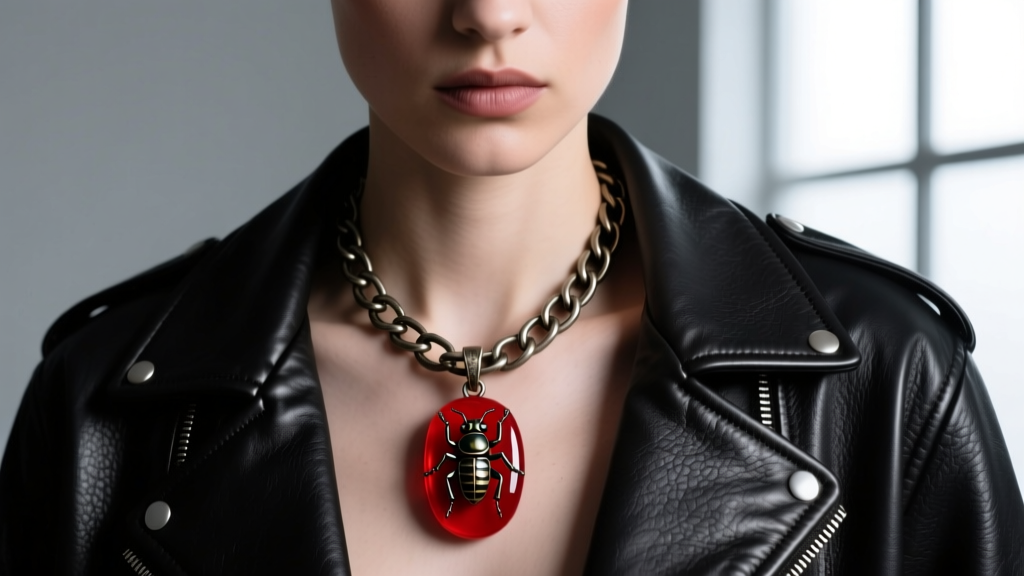
The original 2001 look often featured a simple, somewhat utilitarian leather cord or a very thin, basic chain. However, to properly support the weight of a glass vial filled with liquid—and to elevate the piece to modern luxury standards—the chain must be carefully selected.
Gauge and Material Recommendations
A liquid-filled borosilicate vial with a solid silver cap can weigh between 15 and 30 grams. A delicate 0.8mm chain will eventually snap under the dynamic stress of daily wear. You should look for chains in the 1.5mm to 2.5mm gauge range.
316L Marine-Grade Stainless Steel is the premier choice for the grunge-gothic aesthetic. It contains 16-18% chromium and 2-3% molybdenum, making it entirely impervious to sweat, water, and tarnish. When treated with an oxidized (blackened) finish, it perfectly captures the early-2000s rock-and-roll vibe without the high maintenance required by oxidized sterling silver, which requires frequent polishing to prevent unwanted patina buildup on the high-relief areas.
Pricing Tiers: What Should You Expect to Pay?
Understanding the market pricing will help you avoid overpaying for dropshipped goods or underestimating the cost of true artisanal work. According to retrospective analyses of Y2K fashion revivals by Vogue, the demand for authentic-feeling nostalgia pieces has created a bifurcated market.
1. Mass-Market Hollow Vials ($15 - $45)
These are typically soda-lime glass tubes with glued-on alloy caps. They are sold empty and are suitable only for holding dry items like rolled-up paper notes or dried herbs. They are not watertight and will leak if filled with liquid.
2. Mid-Tier Watertight Apothecary Pendants ($80 - $180)
This tier features genuine borosilicate glass, threaded stainless steel or sterling silver caps, and proper O-ring seals. These are often sold by specialized gothic jewelry boutiques or independent glassblowers on platforms like Etsy. They are safe for synthetic liquids and fine powders.
3. Bespoke Artisanal Relic Jewelry ($300 - $800+)
At the highest tier, you are paying for custom metalwork. Artisans will hand-fabricate sterling silver or 14k gold bezels that house the glass vial, incorporating intricate gothic motifs, gargoyle clasps, or custom engraving. These pieces often include professional resin encapsulation services, where the jeweler safely encases your chosen sentimental items (like ethically sourced flowers, ash, or synthetic crimson elements) in museum-grade, non-yellowing epoxy.
Final Thoughts on Wearing Statement Macabre Jewelry
The cultural footprint of the angelina jolie necklace with blood proves that jewelry is rarely just about adornment; it is about storytelling, rebellion, and deeply personal symbolism. When investing in a vial pendant or macabre relic necklace, prioritize structural integrity over fleeting trends. By insisting on borosilicate glass, precision-machined hardware, and safe, stable interior elements, you ensure that your statement piece remains a wearable artifact for years to come, rather than a broken memory.
For further reading on the history of sentimental and mourning jewelry—which paved the way for modern macabre aesthetics—BBC News has featured extensive retrospectives on how Victorian mourning jewelry evolved into the gothic subculture staples we see on red carpets and runways today.