The Velociraptor Claw Necklace: A Beginner's Style Guide
Discover how to choose, style, and care for a velociraptor claw necklace. Learn about premium metals, chain pairings, and anatomical designs.

The Evolution of Paleo-Core Jewelry
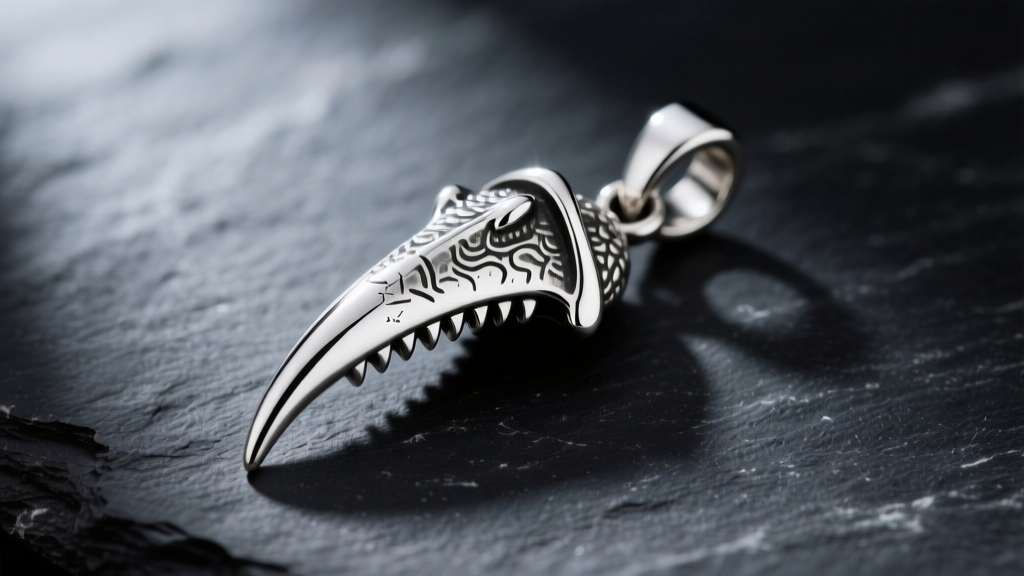
When most people think of a velociraptor claw necklace, they immediately picture cheap plastic movie merchandise or novelty shop trinkets. However, as we navigate the jewelry trends of 2026, the 'paleo-core' and nature-inspired aesthetic has matured significantly. Today, a high-quality raptor claw pendant is a sophisticated statement piece that blends anatomical fascination with artisanal metalwork. For beginners looking to invest in their first premium piece, understanding the nuances of material grades, anatomical accuracy, and structural integrity is essential. This guide will help you separate high-end jewelry from costume toys, ensuring your investment stands the test of time.
Anatomical Accuracy: Separating Toys from Jewelry
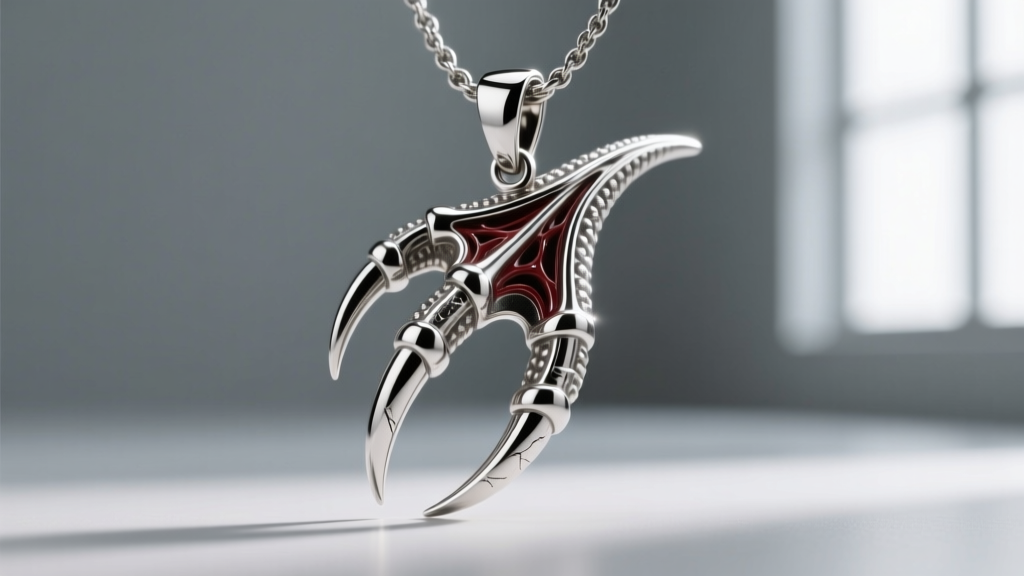
The defining feature of a dromaeosaurid (the family that includes Velociraptor) is the hyper-extended, sickle-shaped claw on the second toe. In paleontology, this is known as the digit II ungual. When shopping for a premium necklace, anatomical accuracy is the primary indicator of a jeweler's dedication to craft.
High-end replicas are often 3D-scanned from actual fossil casts, such as those housed in the American Museum of Natural History. A premium pendant will feature specific anatomical landmarks:
- The Flexor Tubercle: A pronounced bump near the base of the claw where the flexor tendon attached in life. This isn't just for show; in a heavy metal casting, this tubercle acts as a natural counterweight.
- Blood Grooves and Keratin Sheaths: Subtle texturing along the lateral edges that mimic the grooves where the keratinous sheath (the sharp outer layer) attached to the bone core.
- Asymmetric Curvature: Real claws are not perfectly symmetrical. They curve inward to aid in gripping. Mass-produced molds often flatten this curve to save on casting costs.
Material Grades: What You Are Actually Wearing
The material of your pendant dictates its longevity, weight, and how your skin reacts to it. According to the Gemological Institute of America (GIA), understanding metal purity is the cornerstone of smart jewelry purchasing. Here is a breakdown of the most common materials used for these specific pendants.
| Material | Price Range | Durability | Weight & Feel | Skin Sensitivity |
|---|---|---|---|---|
| Zinc Alloy (Zamak) | $15 - $35 | Low (Porous, bends) | Heavy, clunky | High (Often contains nickel) |
| 316L Surgical Steel | $40 - $80 | High (Scratch resistant) | Dense, solid | Very Low (Hypoallergenic) |
| 925 Sterling Silver | $90 - $250 | Medium (Tarnishes, soft) | Premium, smooth | Low (Ensure nickel-free) |
| Grade 5 Titanium | $120 - $300 | Extreme (Aerospace grade) | Feather-light | Zero (Biocompatible) |
Expert Tip: Avoid 'Tibetan Silver' or 'Antique Silver' listings unless the exact metallurgical breakdown is provided. These are almost always zinc alloys plated with a thin layer of copper and silver that will wear off in weeks, leaving you with a green neckline and potential contact dermatitis.
The Physics of the Pendant: Chain Pairing and Bail Placement
A solid metal velociraptor claw is inherently asymmetrical and surprisingly heavy. A 2.5-inch sterling silver or steel claw can easily weigh between 25 and 45 grams. This introduces a structural challenge that novice buyers often overlook: chain failure and pendant flipping.
Choosing the Right Chain
Do not pair a heavy claw with a thin cable or curb chain. The weak point in any necklace is the jump ring connecting the chain to the pendant bail. According to Rio Grande Jewelry Supply, the tensile strength of a chain is only as good as its thinnest link. For a 30+ gram pendant, you need a chain with structural integrity:
- Box Chains (3mm - 5mm): Excellent weight distribution and a modern, geometric look that pairs well with the sharp lines of the claw.
- Rope Chains (4mm+): The twisted links provide immense tensile strength and a vintage, rugged aesthetic.
- Wheat (Spiga) Chains: Woven tightly, these offer a fluid drape while maintaining high weight tolerance.
The Center of Gravity Dilemma
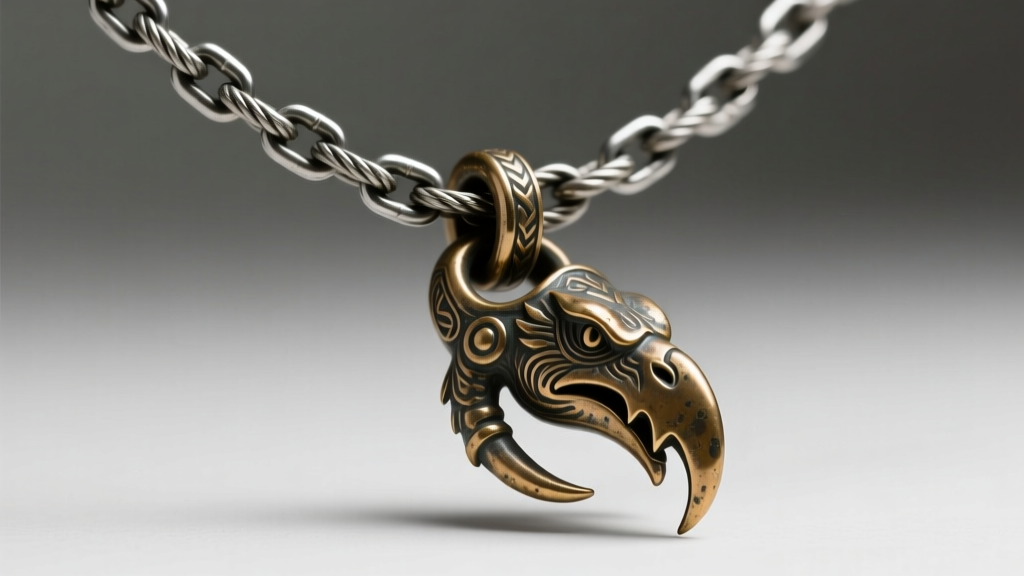
Because the sickle claw is curved, the center of gravity is not in the middle of the piece; it rests near the sharp tip. If the jeweler places the bail (the loop the chain passes through) dead-center at the top of the claw, the heavy tip will constantly pull forward, causing the pendant to flip upside down against your chest. Look for pendants where the bail is positioned slightly toward the back of the claw, or features an integrated counterweight at the base to ensure it hangs perfectly upright.
'A well-designed pendant respects gravity. If you have to constantly flip your necklace right-side up, the jeweler failed the physics test.' — Master Bench Jeweler Adage
Styling Your Velociraptor Claw Necklace
Styling a bold, nature-inspired piece requires balancing its ruggedness with your wardrobe. In 2026, the trend leans heavily into intentional layering and contrasting textures.
- The Henley & V-Neck Canvas: A claw necklace (ideally on a 22-inch or 24-inch chain) rests perfectly in the negative space of an unbuttoned henley or a deep V-neck. This elongates the torso and frames the pendant without it getting lost in fabric folds.
- Intentional Layering: Pair your heavy claw on a 24-inch rope chain with a thinner, 18-inch or 20-inch chain featuring a subtle, minimalist pendant (like a small geometric bead or a plain bar). This creates depth and prevents the claw from looking like an isolated costume piece.
- Metal Mixing: Don't be afraid to mix metals. A warm bronze or copper-toned claw pendant layered with a cool silver chain creates a striking, earthy contrast that fits perfectly into modern streetwear and dark academia aesthetics.
Long-Term Care and Maintenance
Maintaining the intricate textures of your claw necklace requires specific care, especially in the deep crevices of the blood grooves and flexor tubercle where dirt and oils accumulate.
- For Sterling Silver: Avoid commercial silver dips, as they can strip the intentional antiquing (oxidation) that jewelers apply to highlight the claw's texture. Instead, use a soft-bristled toothbrush with mild dish soap and warm water. For heavy tarnish, use the aluminum foil and baking soda electrolytic method.
- For Surgical Steel & Titanium: These are virtually maintenance-free, but a quick wipe with a microfiber cloth after exposure to sweat or saltwater will keep the high-polish areas mirror-bright.
- Storage: Because the tip of the claw is sharp, storing it loose in a jewelry box will result in it scratching your other pieces. Always store it in a dedicated soft flannel pouch or hang it on a dedicated jewelry stand.
By prioritizing anatomical accuracy, premium metallurgy, and structural chain pairings, your velociraptor claw necklace will transcend novelty status and become a lasting, wearable piece of functional art.


