How to Clean a Serpentine Necklace Without Kinking It
Learn how to safely clean, store, and maintain your serpentine necklace. Expert tips to remove tarnish and prevent kinks without damaging S-links.

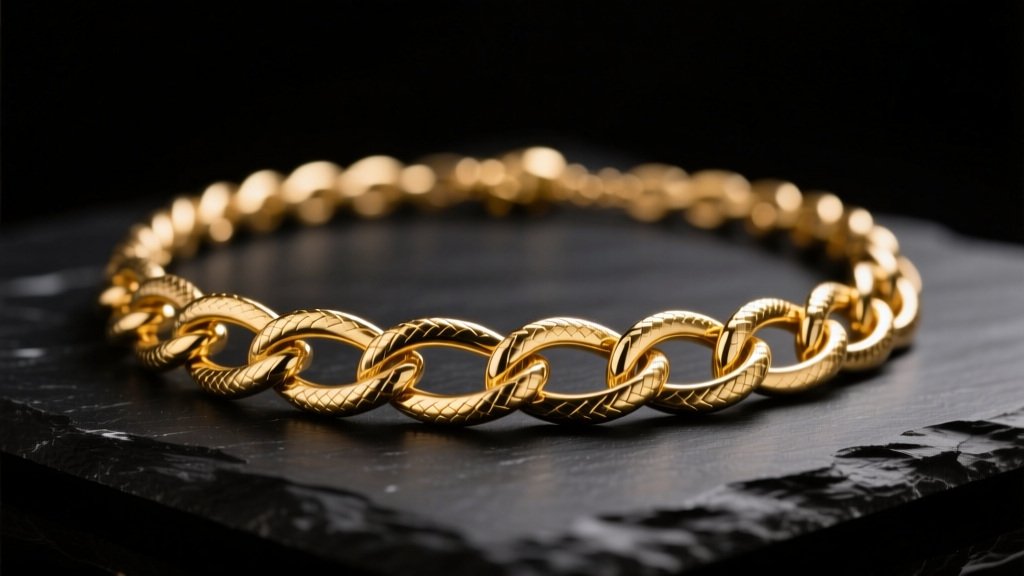
The serpentine necklace is a masterpiece of jewelry engineering, celebrated for its fluid, snake-like drape and exceptional light reflection. Unlike standard cable or curb chains, the serpentine chain is crafted from round wire that is flattened and stamped into interlocking 'S' shapes. While this design creates a stunning, high-shine surface, it also introduces unique structural vulnerabilities. The flat planes of the links resist torsion, meaning a simple twist can lead to work hardening, kinking, and eventual snapping. Furthermore, the tight crevices between the S-links act as magnets for sebum, cosmetic residue, and environmental tarnish.
As of 2026, modern jewelry care standards emphasize targeted, low-impact cleaning methods that preserve the structural integrity of delicate chain weaves. Whether you own a 1.5mm delicate sterling silver serpentine chain or a robust 4.0mm 14k gold statement piece, maintaining its pristine condition requires a departure from generic jewelry cleaning routines. Below is a masterclass in the care, maintenance, and cleaning of serpentine necklaces, designed to keep your chain fluid, untangled, and brilliantly polished.
The Anatomy of Serpentine Links: Why They Require Special Care
To understand how to clean a serpentine necklace, you must first understand its metallurgy and geometry. The manufacturing process involves passing round wire through a rolling mill to flatten it, followed by a stamping press that forms the S-curves. This flattening process increases the surface area for light reflection but creates distinct stress points along the edges of the links.
When a serpentine chain is bent backward against its natural horizontal axis, the metal undergoes rapid work hardening. According to metallurgical guidelines referenced by the Gemological Institute of America (GIA), repeated stress on flattened wire structures leads to microscopic fissures. Therefore, any cleaning method that involves aggressive pulling, twisting, or harsh ultrasonic vibrations can compromise the tensile strength of the chain, particularly at the solder points near the clasp.
Step-by-Step Cleaning Protocol for S-Links
Because the interlocking S-links sit flush against one another, dirt and oxidized oils become trapped in the microscopic gaps. Standard soaking is rarely sufficient; mechanical agitation is required, but it must be done with precision.
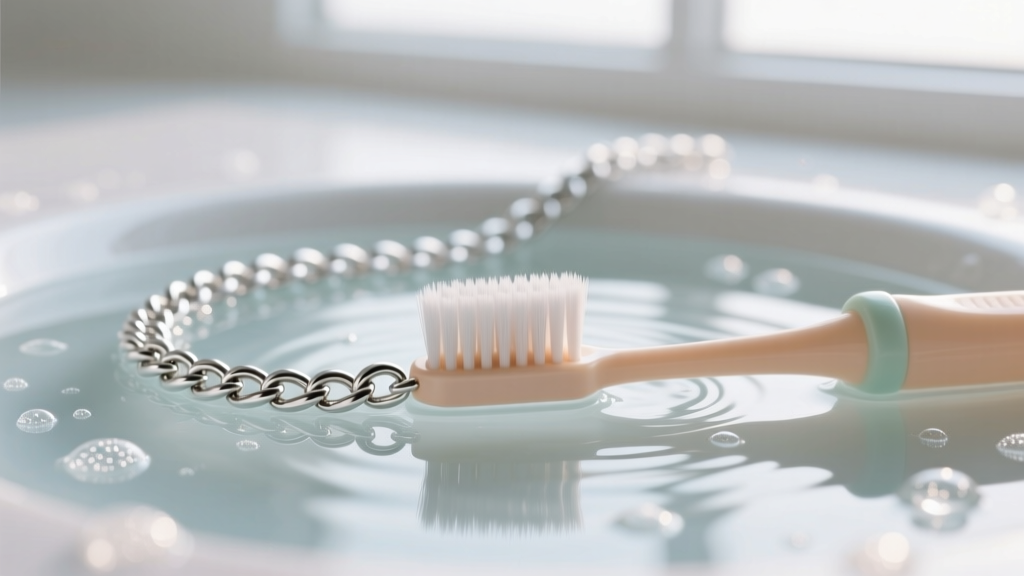
Phase 1: The Surfactant Soak
Fill a ceramic or glass bowl with warm water (approximately 95°F to 105°F). Avoid metal bowls, which can cause galvanic reactions with certain alloys. Add three drops of a phosphate-free, mild dish soap (such as Dawn Ultra or a dedicated jewelry surfactant). Submerge your serpentine necklace and allow it to soak for exactly 10 to 15 minutes. This window is critical: long enough to break down lipid bonds from skin oils, but short enough to prevent moisture from lingering in the clasp's spring mechanism, which can cause internal rusting on lower-grade steel components.
Phase 2: Micro-Scrubbing
Remove the necklace and lay it flat on a clean, lint-free microfiber cloth. Using a soft-bristled baby toothbrush (bristle diameter under 0.1mm), gently stroke the chain in the direction of the links. Never scrub in a circular motion or against the grain of the S-links, as this can lift the edges of the metal and cause snagging. For heavy tarnish in the crevices, dip the brush in a paste of baking soda and distilled water, applying zero downward pressure—let the mild abrasiveness of the paste do the work.
Phase 3: Rinsing and Drying
Rinse the chain under a gentle stream of lukewarm distilled water. Tap water contains chlorine and dissolved minerals that can leave microscopic hard water spots on the flattened surfaces of the serpentine links. Pat dry with a microfiber cloth, and use a hair dryer on the 'cool' setting to blow out any trapped moisture from the interlocking joints.
Material-Specific Cleaning Agents and Warnings
The chemical composition of your serpentine necklace dictates which cleaning agents are safe. The Jewelers of America consistently warns against using universal dip cleaners on porous or plated metals. Refer to the table below for material-specific guidelines.
| Material | Common Tarnish / Grime | Recommended Cleaner | What to Avoid |
|---|---|---|---|
| 925 Sterling Silver | Silver Sulfide (Black Tarnish) | Aluminum foil + baking soda + hot water bath (electrochemical reduction) | Harsh silver dip liquids (thiourea-based) which strip rhodium plating |
| 14k / 18k Yellow Gold | Copper oxidation, skin oils | Mild dish soap + warm water + baby toothbrush | Chlorine bleach (causes irreversible stress corrosion cracking in gold alloys) |
| 316L Stainless Steel | Water spots, environmental dust | Isopropyl alcohol (70%) on a cotton swab for spot cleaning | Abrasive polishing pastes (scratches the passivation layer) |
| Gold-Plated / PVD Coated | Wear-through, cosmetic buildup | Only warm water and a microfiber cloth | Ultrasonic cleaners, baking soda, or any mechanical brushing |
How to Safely Untangle a Kinked Serpentine Chain
The most common cause of death for a serpentine necklace is improper untangling. When the flat S-links fold over one another, they form a rigid knot. Pulling the ends of the chain will only tighten the knot and snap the work-hardened links. Instead, jewelers utilize a friction-reduction technique.
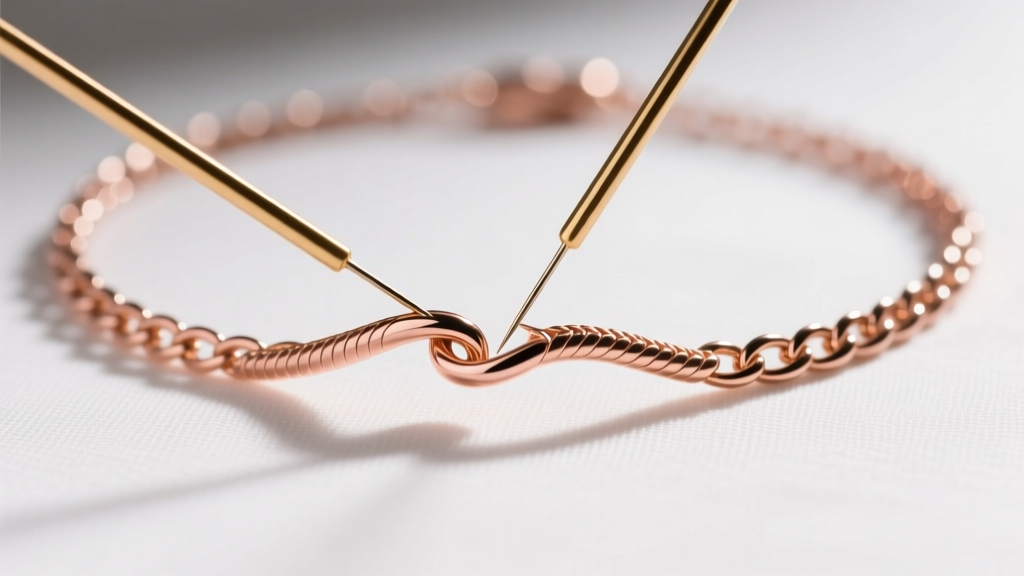
Place the knotted section of the chain on a hard, flat surface. Apply a single drop of mineral oil or a dusting of talc-free baby powder directly to the knot to eliminate friction. Take two fine sewing needles (size 9 or 10) and gently insert the tips into the center of the knot. Instead of pulling outward, use a gentle pushing and wiggling motion to create slack in the S-links. Once a single link is freed, the rest of the knot will easily collapse. Wipe away the oil with a mild degreasing soap afterward.
Storage Strategies to Prevent Deformation
Proper storage is 80% of serpentine chain maintenance. Because these chains are designed to lay flat, tossing them into a communal jewelry box guarantees kinks and tangles.
- The Hanging Method: Store the necklace on a vertical jewelry stand with a velvet-lined hook. The weight of the chain will naturally pull the S-links into their correct horizontal alignment.
- The Flat Roll Method: If traveling, lay the necklace completely flat on a soft cloth, ensuring no links are flipped backward. Roll the cloth loosely like a scroll and secure it. Never fold the chain.
- Tarnish Prevention: For sterling silver serpentine chains, store them in an airtight polyethylene ziplock bag alongside a 3M anti-tarnish strip. The strip absorbs sulfur compounds in the air, preventing the formation of black silver sulfide in the tight S-link crevices.
When to Consult a Master Jeweler
While routine cleaning and careful untangling can be performed at home, certain issues require professional intervention. If your serpentine necklace has developed a 'hard kink'—a sharp 90-degree fold in the metal—the link has likely suffered structural fatigue. A master jeweler can assess whether the link needs to be carefully snipped out and the chain re-soldered using a laser welder, which concentrates heat in a 0.2mm zone, preventing thermal damage to the surrounding S-links. Additionally, if the spring ring clasp feels stiff or fails to snap shut, internal corrosion may be at play, necessitating a clasp replacement to secure your investment.


