Ank Necklace Trends: Styling the Egyptian Ankh Symbol
Discover the 2026 ankh necklace trend. Learn how to style the Egyptian cross, choose the right chain gauge, and layer for any neckline.

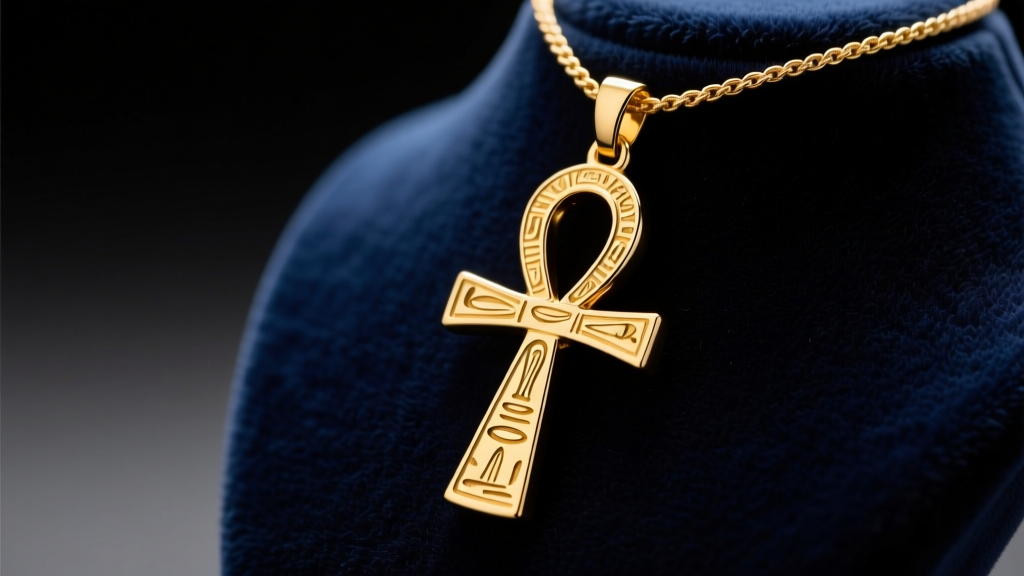
The resurgence of ancient symbology in modern jewelry has cemented the ankh as a definitive staple for 2026. While algorithmic search trends show a high volume of users typing 'ank necklace' due to phonetic spelling errors, the authentic term for this ancient Egyptian hieroglyph is the ankh. Representing eternal life and the breath of creation, the ankh has transcended its niche 1990s gothic and nu-metal associations to become a cornerstone of the modern 'quiet luxury' and 'dark academia' aesthetics. Today, we are breaking down the metallurgy, chain architecture, and styling frameworks required to wear this historic talisman with contemporary precision.
The 2026 Ankh Revival: Beyond the Gothic Subculture
Historically, the ankh was held by deities in ancient Egyptian art, symbolizing their power to grant life. According to the Metropolitan Museum of Art's Egyptian archives, the loop at the top represents the sun rising over the horizon, while the crossbar signifies the earth. In the late 20th century, the symbol was co-opted by alternative subcultures, often rendered in heavy, oxidized pewter or cheap base metals.
However, the 2026 jewelry landscape has reclaimed the ankh through a lens of refined minimalism and high-end craftsmanship. Designers are stripping away the bulky, exaggerated proportions of the past, favoring sleek, die-struck silhouettes and pavé diamond accents. The modern ankh is no longer just a statement of rebellion; it is a sophisticated nod to historical permanence, frequently spotted on the runways and integrated into everyday capsule wardrobes.
Material Grades and Pricing Matrix
When investing in an ankh pendant, understanding metal composition is critical to avoiding fast-fashion degradation. The market is currently saturated with gold-plated brass that will tarnish within weeks. For a piece meant to last, you must look for solid metals or high-grade vermeil. The Gemological Institute of America (GIA) outlines strict standards for gold alloys and plating thickness that every informed buyer should know.
| Material Grade | Composition & Hallmarks | Estimated Price Range (Pendant Only) | Best Use Case |
|---|---|---|---|
| 925 Sterling Silver | 92.5% Silver, 7.5% Copper (Stamped '925') | $45 - $120 | Everyday wear, oxidized 'grunge' aesthetics |
| Gold Vermeil | 925 Silver base with >2.5 microns of 14k/18k gold | $85 - $180 | Budget-conscious luxury, requires careful maintenance |
| Solid 14k Gold | 58.5% Pure Gold (Stamped '14k' or '585') | $250 - $600 | Waterproof daily wear, heirloom longevity |
| Solid 18k Gold | 75% Pure Gold (Stamped '18k' or '750') | $450 - $1,200+ | High-end luxury, rich yellow hue, softer metal |
Expert Insight: Avoid 'gold plated' or 'gold filled' if you have acidic skin chemistry, as the ankh's intricate loops and crevices will trap sweat and accelerate the peeling process. Always opt for solid 14k gold for a worry-free, waterproof experience.
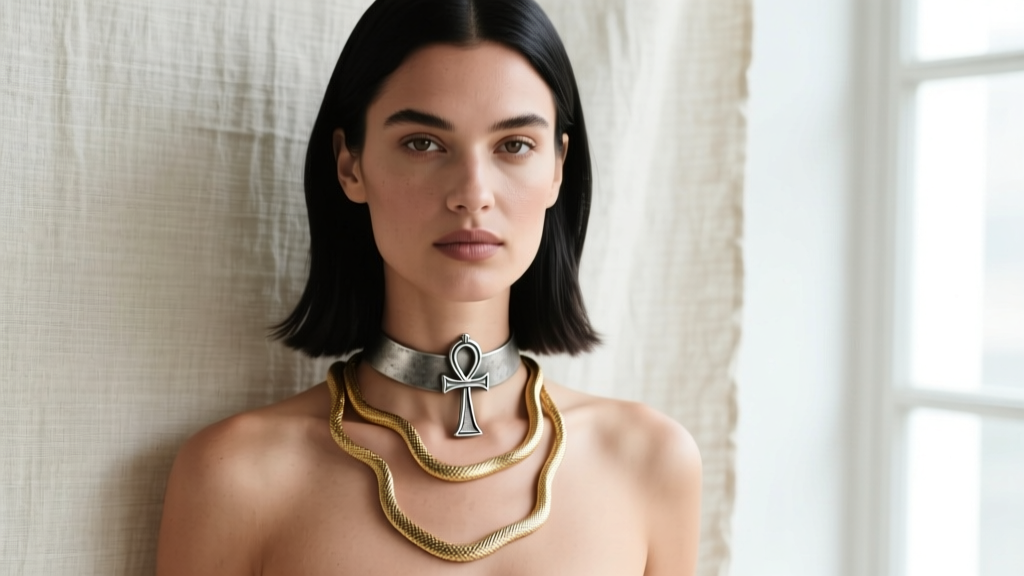
Chain Selection: The Architecture of the Drop
The pendant is only half the equation; the chain dictates the drape, movement, and structural integrity of the necklace. Ankh pendants range from delicate 2-gram minimalist cuts to heavy 15-gram solid cast pieces. Matching the chain gauge to the pendant weight is essential to prevent breakage.
- 0.9mm - 1.2mm Cable or Box Chains: Ideal for lightweight, minimalist ankhs (under 5 grams). Box chains offer a modern, geometric reflection that complements the sharp angles of the ankh's crossbar.
- 1.5mm - 2.0mm Rope or Figaro Chains: The sweet spot for medium-weight pendants (5-10 grams). The twisted texture of a rope chain adds a vintage, heirloom quality that pairs beautifully with 18k yellow gold.
- 2.5mm - 4.0mm Curb or Cuban Chains: Reserved for heavy, oversized cast ankhs. These chains provide the necessary tensile strength to support the pendant without snapping at the clasp.
Clasp Mechanics: Never use a standard spring-ring clasp for an ankh pendant weighing more than 8 grams. The tension required to open a spring ring weakens over time, leading to catastrophic drops. Always upgrade to a lobster-claw clasp or a secure box clasp with a safety figure-eight catch for heavier pieces.
Neckline Pairing and Layering Frameworks
Styling an ankh necklace requires an understanding of visual weight and geometric balance. The vertical drop of the ankh naturally elongates the neck, but pairing it with the wrong neckline can create visual clutter.
The Solitaire Drop (Single Pendant)
For a single ankh pendant on an 18-inch princess chain, pair it with deep V-necks, scoop necks, or unbuttoned silk blouses. The vertical line of the ankh should mirror the vertical exposure of the skin. Avoid high, ruffled crew necks, which will cause the pendant to get lost in the fabric folds.
The 2026 Layering Matrix
Layering the ankh requires strict adherence to the '2-inch rule' to prevent the chains from tangling and the pendants from scratching one another.
- Base Layer (14-16 inches): A simple 1.0mm gold choker or a delicate pearl strand. This sits high on the collarbone and frames the face.
- The Anchor (18 inches): Your primary ankh pendant. This should be the heaviest and most visually dominant piece in the stack, resting just below the collarbone.
- The Terminator (20-22 inches): A longer, lightweight chain featuring a small geometric charm (like a simple gold sphere or a tiny diamond solitaire) to draw the eye downward and complete the cascade.
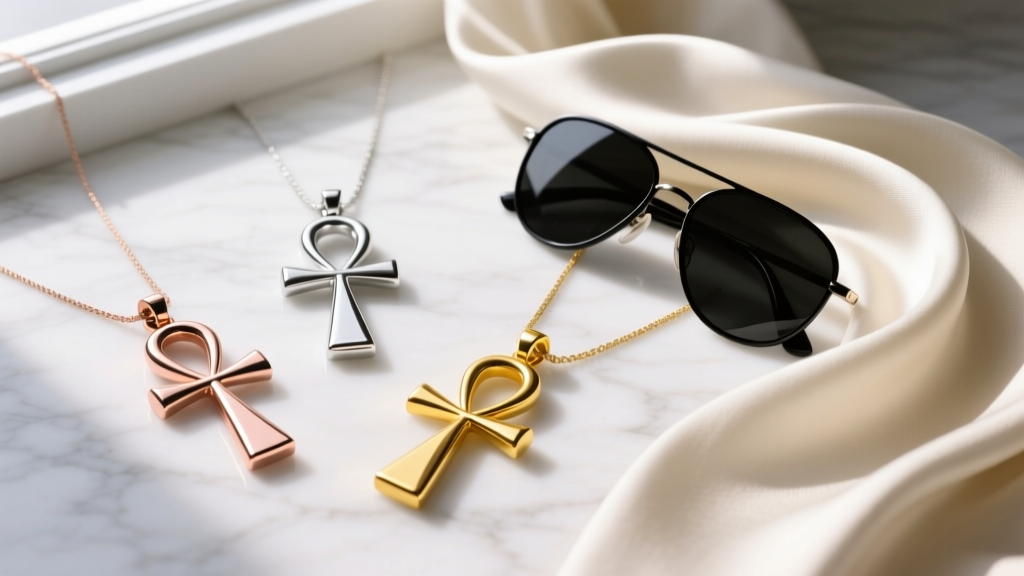
Authenticity Hallmarks and Sourcing
As the demand for symbolic jewelry rises, so does the influx of counterfeit and poorly manufactured pieces. When sourcing your ankh necklace, inspect the piece for structural integrity and legal hallmarks.
First, examine the bail (the loop that connects the pendant to the chain). High-quality ankhs feature a soldered, seamless bail or a hinged 'snap-top' bail that allows you to slide the pendant onto thicker chains without forcing it over the clasp. Cheaply cast ankhs often have a pinched, unsoldered bail that will easily bend open under the weight of the metal.
Second, use a jeweler's loupe to locate the hallmark. In the US and Europe, solid gold must be stamped with its karatage (e.g., 14k, 18k) or its millesimal fineness (585, 750). Sterling silver must bear the '925' stamp. If the pendant is entirely devoid of stamps, or features vague markings like '18k GP' (Gold Plated) or 'Tibetan Silver' (which contains zero actual silver), you are purchasing costume jewelry that will not hold its value or its finish.
By prioritizing solid metallurgy, precise chain gauges, and intentional styling frameworks, you can elevate the ankh from a fleeting trend into a permanent, deeply personal fixture in your jewelry collection.


