Ann Taylor Necklace Materials: Properties & Care Guide
Discover the material properties of an Ann Taylor necklace. We compare base metals, plating thickness, and care tips to maximize your fashion jewelry lifespan.

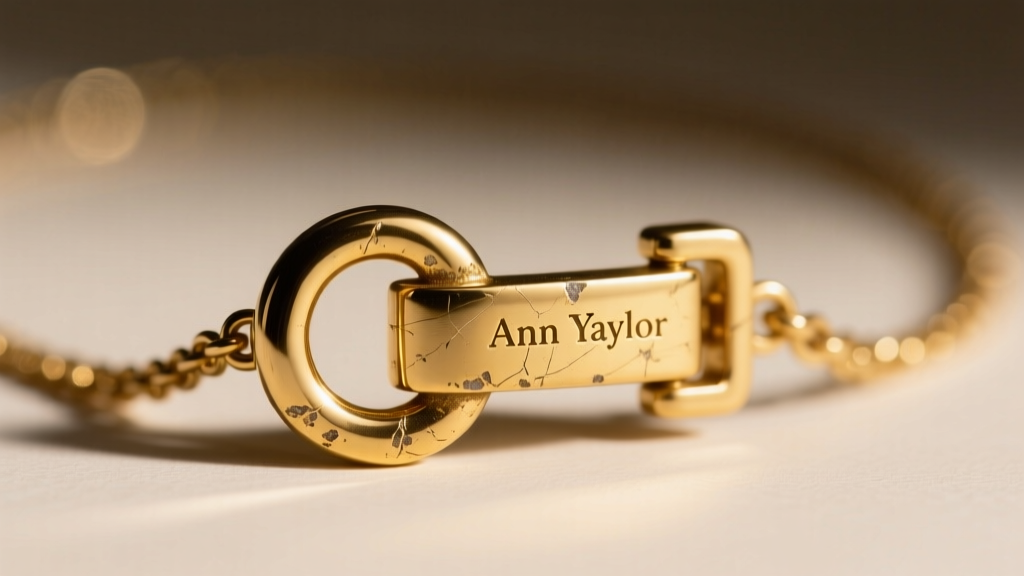
The Metallurgy of Fashion Jewelry: What is an Ann Taylor Necklace Made Of?
When evaluating an Ann Taylor necklace, it is essential to understand that you are looking at high-quality fashion jewelry, not fine jewelry. The material science behind fashion accessories is vastly different from that of solid gold or platinum pieces. Ann Taylor and its sister brand, LOFT, engineer their necklaces for aesthetic versatility, trend responsiveness, and accessible price points. To achieve this, they rely on a complex layering of base metals, electroplated finishes, and synthetic or semi-precious embellishments.
Unlike fine jewelry, which derives its value from the intrinsic worth of its metals, the value of an Ann Taylor necklace lies in its design, craftsmanship, and material stability. Understanding the exact metallurgical composition of these pieces is the key to predicting their longevity, preventing skin irritation, and implementing the correct care protocols to prevent oxidation and plating failure.
Base Metal Architecture: Zamac vs. Brass
The structural core of most Ann Taylor pendants, charms, and heavy chain links is rarely solid precious metal. Instead, the brand predominantly utilizes two base materials: Zamac and Jeweler's Brass.
Zamac (Zinc Alloy)
Zamac is an acronym for the alloy's primary components: Zinc, Aluminum, Magnesium, and Copper. It is the industry standard for die-cast fashion jewelry due to its low melting point (around 385°C), excellent fluidity, and high tensile strength. When you hold a substantial, intricately detailed Ann Taylor pendant, it is likely cast Zamac. However, Zamac is highly porous at a microscopic level. If not properly sealed, these pores can trap moisture and skin oils, leading to subsurface corrosion that eventually causes the outer plating to blister and flake.
Jeweler's Brass (Copper-Zinc Alloy)
For components that require stamping, bending, or wire-drawing—such as the delicate chains, jump rings, and clasps of an Ann Taylor necklace—manufacturers turn to jeweler's brass. Typically composed of 70% copper and 30% zinc, this alloy offers the necessary ductility and malleability. The primary failure mode of brass is dezincification, a form of corrosion where the zinc leaches out when exposed to the acidic pH of human sweat (which typically ranges from 4.5 to 7.0), leaving behind a brittle, porous copper structure that turns the skin green.
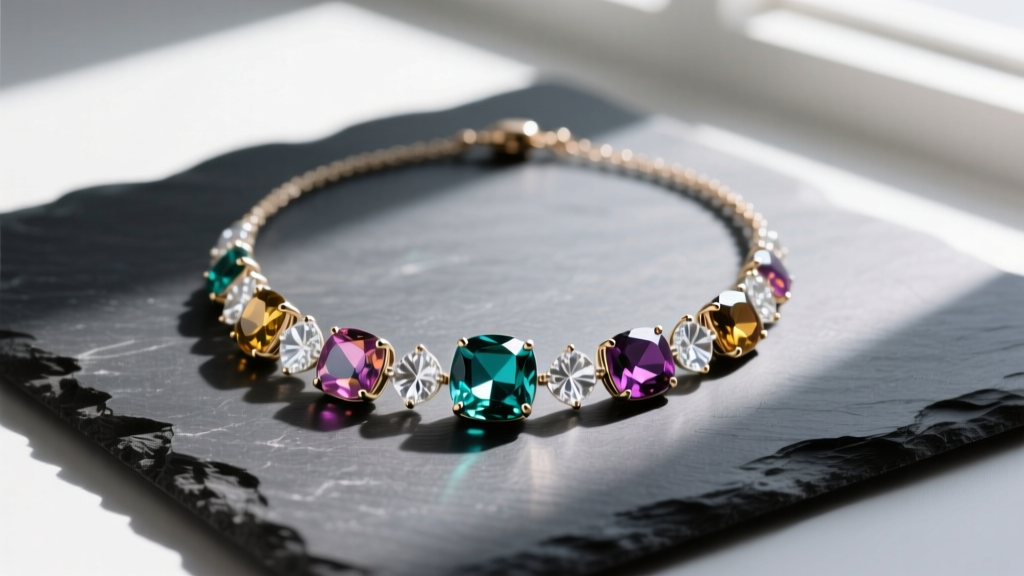
Plating Technologies: Flash vs. Micron Thickness
The brilliant gold, silver, or rose-gold finish of an Ann Taylor necklace is achieved through electroplating. The longevity of the piece depends entirely on the thickness of this plated layer and the barrier coats applied beneath it.
- Flash Plating (0.1 to 0.3 microns): Often used on lower-tier seasonal accessories, flash plating provides an immediate, brilliant color but lacks durability. It can wear through to the base metal within weeks of daily friction.
- Standard Fashion Plating (1.0 to 2.5 microns): Most premium Ann Taylor necklaces utilize this thicker plating standard. A 2-micron layer of gold-tone or rhodium-tone metal provides a robust barrier that can withstand months of regular wear, provided it is not exposed to harsh chemicals.
- E-Coating (Electro-Coating): In recent years, modern fashion jewelry brands have adopted e-coating—a process where an invisible, electrically cured polymer resin is applied over the metal plating. This acts as a physical shield against oxygen and sulfur, drastically reducing the tarnish rate of silver-tone finishes.
For a comprehensive understanding of how the Federal Trade Commission regulates the marking and plating thickness of jewelry metals, refer to the FTC Jewelry Guides, which outline the legal definitions for terms like 'gold electroplate' and 'gold flash'.
Material Breakdown: Properties and Failure Modes
To make informed purchasing and care decisions, it is helpful to compare the specific materials found in an Ann Taylor necklace against their physical properties and common failure modes.
| Material Component | Typical Use in Necklace | Mohs Hardness | Common Failure Mode |
|---|---|---|---|
| Zamac Alloy | Cast Pendants, Charms | 2.5 - 3.0 | Subsurface blistering, snapping under torque |
| Jeweler's Brass | Chains, Clasps, Jump Rings | 3.0 - 4.0 | Dezincification, structural fatigue at links |
| Gold-Tone Plating | Surface Finish | 2.5 (Pure Au) | Friction wear, chemical stripping by lotions |
| Acrylic Resin | Opaque Cabochon Stones | 2.0 - 3.0 | Micro-scratches, clouding from alcohol/acetone |
| Lead-Free Glass | Faceted Crystals | 5.5 - 6.0 | Chipping at the girdle, epoxy adhesive failure |
The Nickel Factor: Allergies and Skin Reactions
One of the most critical material considerations for any fashion jewelry buyer is the presence of nickel. Historically, nickel was used as a brightening agent and a hard barrier layer beneath gold plating. However, nickel is the leading cause of allergic contact dermatitis in jewelry wearers.
Today, reputable brands like Ann Taylor adhere to strict international standards, such as the EU Nickel Directive (REACH compliance), which limits nickel migration from jewelry to the skin to less than 0.5 micrograms per square centimeter per week. Modern Ann Taylor necklaces typically use a copper or palladium barrier layer instead of nickel. However, if the outer plating of a vintage or heavily worn piece wears away, the underlying base metals can still cause localized skin reactions in highly sensitive individuals. The American Academy of Dermatology notes that even trace amounts of nickel exposed through worn plating can trigger severe eczematous reactions on the neck and décolletage.
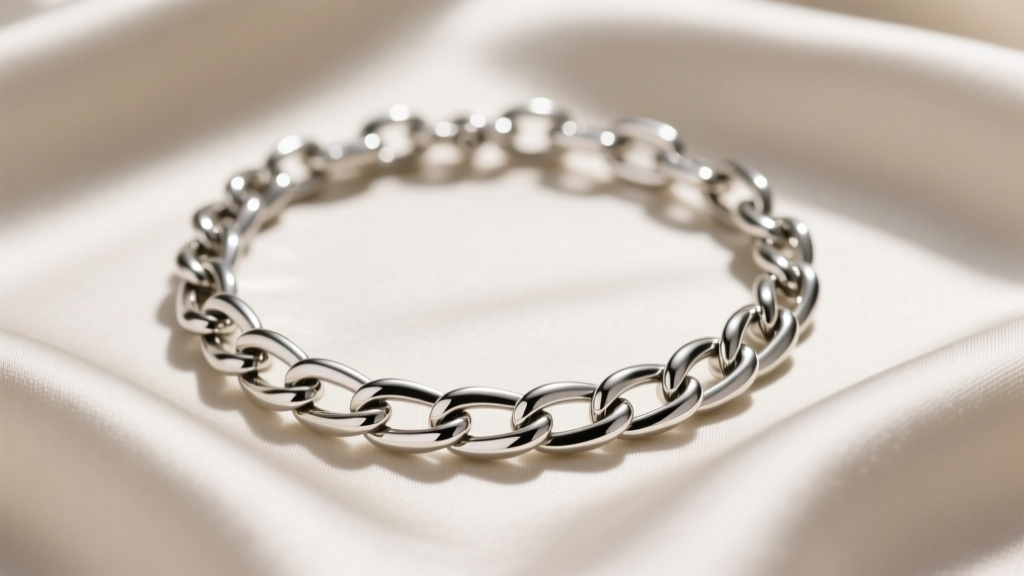
Embellishments: Acrylic vs. Glass vs. Cubic Zirconia
The visual impact of an Ann Taylor necklace often relies on its stone embellishments. The brand utilizes a tiered approach to gemstones based on the desired optical effect and the structural requirements of the setting.
Acrylic and Resin
Acrylic is favored for large, bold, opaque cabochons. It is incredibly lightweight, allowing for statement necklaces that do not strain the brass chain or the wearer's neck. However, acrylic is highly susceptible to chemical degradation. Exposure to alcohol-based perfumes or hand sanitizers will cause the surface to craze and cloud permanently.
Faceted Glass Crystals
For brilliance and light refraction, Ann Taylor utilizes precision-cut lead-free glass. While glass offers a higher Mohs hardness (5.5) than acrylic, making it resistant to everyday scratching, it is brittle. The most common point of failure is not the glass itself, but the epoxy adhesive used to secure it in the Zamac bezel. Prolonged exposure to heat or moisture can degrade the epoxy, causing stones to loosen and fall out.
Cubic Zirconia (CZ)
In their more elevated, evening-focused collections, Ann Taylor occasionally incorporates Cubic Zirconia. With a Mohs hardness of 8.0 to 8.5, CZ is highly durable and scratch-resistant. These stones are typically prong-set rather than glued, leveraging the malleability of the brass or Zamac base to secure the stone mechanically, vastly improving the piece's longevity.
Longevity and Care: Preserving Plated Fashion Necklaces
Because an Ann Taylor necklace relies on surface plating rather than solid precious metals, the care regimen must focus on preventing chemical and mechanical abrasion. Implementing the following protocol will extend the lifespan of the plating by years:
- The 'Last On, First Off' Rule: Always put your necklace on after applying cosmetics, perfumes, and hairsprays. The solvents in these products actively dissolve e-coatings and accelerate the oxidation of the base brass.
- pH Neutralization: Human sweat is mildly acidic and highly corrosive to copper-based alloys. After wearing the necklace, gently wipe the chain and the back of the pendant with a soft, dry microfiber cloth to remove acidic salts and sebum.
- Anti-Tarnish Storage: Store the necklace in an airtight polyethylene ziplock bag alongside a 3M anti-tarnish strip. These strips absorb atmospheric sulfur and hydrogen sulfide, the primary catalysts that cause silver-tone rhodium and copper alloys to tarnish.
- Avoid Ultrasonic Cleaners: Never use ultrasonic jewelry cleaners or harsh chemical dips on an Ann Taylor necklace. The high-frequency vibrations will shatter epoxy-set glass stones, and the chemical dips will instantly strip the micron-thin gold plating, exposing the raw Zamac beneath.
Ann Taylor vs. Fine Jewelry: When to Choose Which
Understanding the material properties of an Ann Taylor necklace helps clarify its place in a well-curated jewelry wardrobe. These pieces are engineered for high-impact, trend-driven styling. They are the ideal choice for seasonal color palettes, oversized statement silhouettes, and layered workplace styling where the risk of loss or damage is higher, and the need for variety is paramount.
Conversely, if you are seeking a piece for 24/7 wear, swimming, or showering, the material science dictates that you must transition to fine jewelry—specifically solid 14k gold, platinum, or surgical-grade titanium. Fine metals possess the metallurgical density to withstand constant water exposure and friction without blistering or oxidizing. By respecting the material boundaries of fashion jewelry, you can enjoy the brilliant designs of Ann Taylor while maintaining their pristine condition for years to come.


