Ann Taylor Statement Necklace Materials: Properties & Care Guide
Discover the metallurgy, stone properties, and care requirements of an Ann Taylor statement necklace. Learn how base metals and plating age over time.

The Metallurgy of Fashion: Base Metals and Alloys
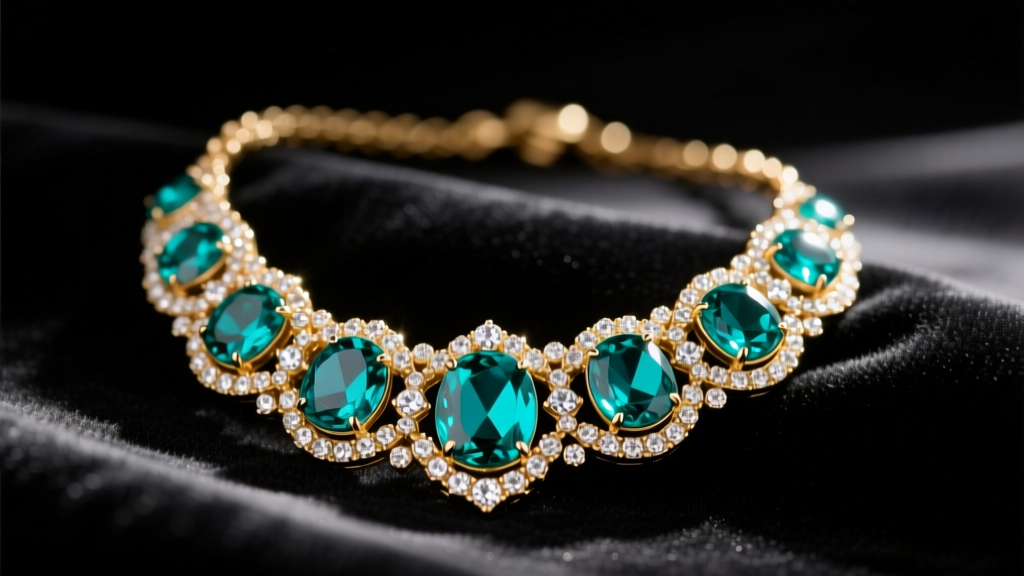
When evaluating an Ann Taylor statement necklace, it is crucial to look past the immediate visual impact and understand the underlying metallurgy. Unlike fine jewelry crafted from solid 14k gold or platinum, high-end fashion jewelry relies on specific base metal alloys to achieve a luxurious weight and intricate casting detail without the prohibitive cost. Historically, and continuing into the 2026 resale market for vintage pieces, Ann Taylor has heavily utilized Zamak (a zinc alloy comprising zinc, aluminum, magnesium, and copper) and stamped brass for their boldest statement pieces.
Zamak is favored in fashion jewelry manufacturing because of its relatively high density (approximately 6.6 g/cm³), which gives a substantial, 'expensive' hand-feel to large pendants and collar necklaces. However, Zamak is inherently brittle. If a heavy statement piece is dropped on a hard surface, the alloy is more likely to fracture or chip at stress points (like the bail or clasp solder joints) than brass, which tends to bend or dent. Understanding this material property is essential for collectors and daily wearers alike, as structural repairs on fractured Zamak are notoriously difficult; standard jewelers' torches will melt the low-melting-point zinc alloy, requiring specialized laser welding or cold-solder epoxies.
The Plating Reality: Flash vs. Micron Thickness
The brilliant gold or silver finish on these necklaces is achieved through electroplating. Most Ann Taylor statement pieces feature 'flash plating'—a microscopically thin layer of gold or rhodium, typically measuring less than 0.5 microns, applied over a copper or nickel strike layer. While Physical Vapor Deposition (PVD) has become more common in the broader fashion jewelry industry for its durability, traditional electroplating remains prevalent in legacy Ann Taylor collections. Over time, friction from clothing and the acidic nature of human sebum will wear through this flash plating, exposing the underlying strike layer and eventually the base alloy.
Embellishment Breakdown: Glass vs. Resin vs. Acrylic
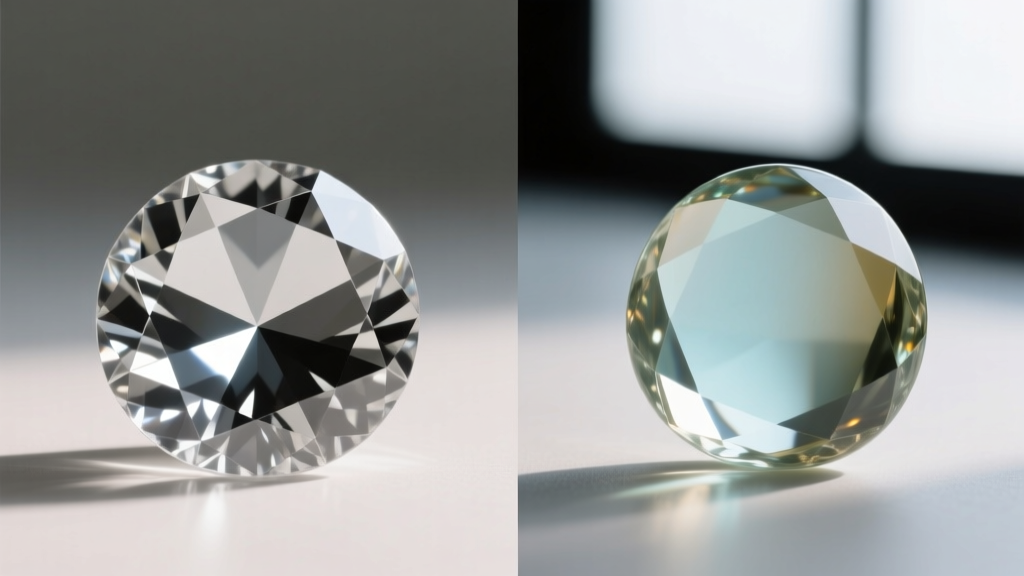
The 'stones' in an Ann Taylor statement necklace are rarely genuine gemstones. Instead, the brand excels at utilizing high-quality simulants that mimic the optical properties of natural gems. According to the GIA Gem Encyclopedia, understanding the distinction between glass, acrylic, and epoxy resin is vital for assessing a piece's longevity and scratch resistance.
| Material Type | Approx. Mohs Hardness | Weight & Thermal Feel | Long-Term Aging (5-10 Years) |
|---|---|---|---|
| Cast Glass | 5.5 - 6.5 | Heavy, cold to the touch | Highly stable; resists scratching and UV yellowing. |
| Acrylic / Lucite | 2.0 - 2.5 | Lightweight, warms to skin | Prone to micro-scratches; may yellow with UV exposure. |
| Epoxy Resin | 2.5 - 3.0 | Medium weight, neutral temp | Can become brittle; adhesives may degrade with heat. |
| Coated Faux Pearl | N/A (Surface coating) | Varies by bead core | Coating can peel or flake if exposed to cosmetics. |
Glass cabochons are the hallmark of premium Ann Taylor designs. They offer superior optical clarity and a high refractive index that closely mimics quartz or beryl. Acrylic, while lighter and allowing for larger, more dramatic oversized stones without causing neck strain, requires careful storage to avoid surface marring. Resin elements, often used for opaque, jade-like, or turquoise-imitating stones, are set using industrial adhesives that can fail if exposed to extreme heat or harsh chemical solvents.
Wearability and Skin Reactivity: The Nickel and Copper Factors
A common complaint with aging fashion jewelry is skin discoloration or contact dermatitis. This is rarely caused by the base Zamak or brass itself, but rather by the intermediate 'strike' layers used in the electroplating process. To ensure the thin gold plating adheres properly to the base metal, a microscopic layer of nickel or copper is often applied first.
According to dermatological studies published by the National Center for Biotechnology Information (NCBI), nickel is a primary sensitizer for allergic contact dermatitis. While the Federal Trade Commission (FTC) provides guidelines on jewelry labeling and metal content, fashion jewelry is often exempt from the strict 'nickel-free' mandates applied to fine jewelry in certain international markets. When the flash plating on an Ann Taylor necklace wears thin at the clasp or the back of the pendant, sweat (which contains sodium chloride) reacts with the exposed copper strike layer to form copper chloride—a green salt that transfers to the skin. This is a harmless chemical reaction, not a sign of toxicity, but it can be mitigated by applying a thin barrier of clear, flexible jewelry sealant to the areas of the necklace that rest directly against the collarbone.
Archival Care and Preservation for Vintage Pieces
As early 2010s Ann Taylor collections become highly sought after in the 2026 vintage and resale markets, proper archival care is essential to preserve both the plating and the integrity of the adhesives holding the statement stones in place.
Critical Cleaning Rules
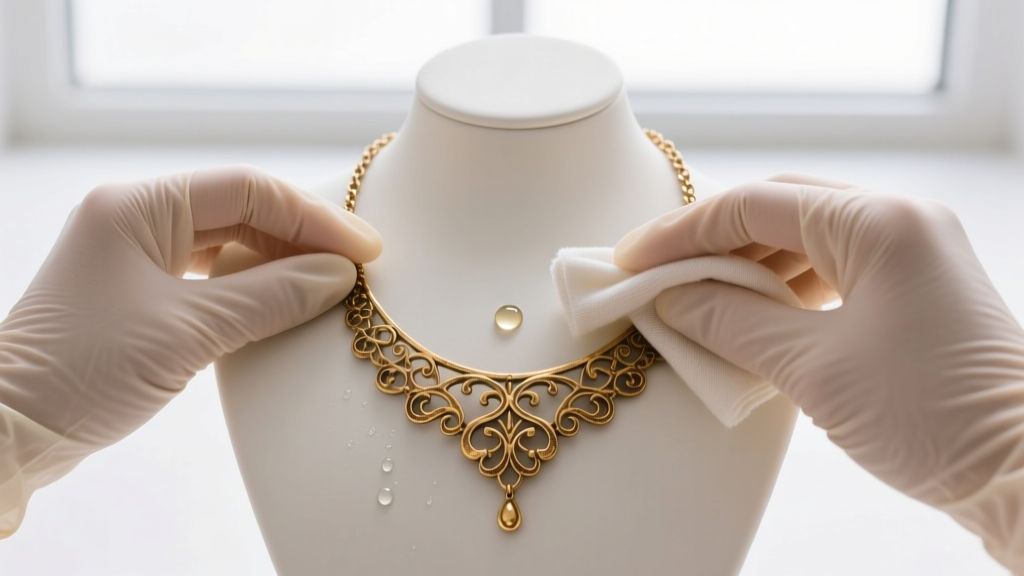
- Avoid Ultrasonic Cleaners: The high-frequency vibrations will shatter glass cabochons and instantly dissolve the epoxy resins used to set acrylic stones.
- No Alcohol or Ammonia: Rubbing alcohol and ammonia-based glass cleaners will cloud acrylic elements and strip the protective top-coat off faux pearls, leaving them dull and pitted.
- Use pH-Neutral Surfactants: Clean the metal components using distilled water mixed with a drop of pH-neutral dish soap. Agitate gently with a baby-hair brush to reach the pavé settings without dislodging the micro-stones.
Storage and Humidity Control
Zinc alloys and brass are highly susceptible to oxidation when exposed to ambient humidity and sulfur compounds in the air. Store your statement necklaces flat in a climate-controlled environment. Hanging heavy Zamak necklaces on standard jewelry trees places undue stress on the chain links and soldered jump rings, leading to metal fatigue and eventual snapping. Utilize anti-tarnish strips infused with activated carbon inside your storage boxes to absorb airborne sulfides, ensuring the flash plating remains pristine for decades to come.
"The true value of a fashion statement piece lies not in its melt-weight, but in its architectural design and the meticulous preservation of its original surface finishes." — Archival Jewelry Preservation Guidelines, 2025 Edition
Final Verdict: Sartorial Impact vs. Material Reality
An Ann Taylor statement necklace remains a masterclass in accessible, high-impact design. By understanding the material science—the heavy but brittle nature of Zamak, the optical brilliance of glass cabochons, and the delicate chemistry of flash plating—wearers can make informed decisions about maintenance and styling. When cared for with an understanding of its specific metallurgical and synthetic properties, these pieces transcend their 'fashion jewelry' categorization, becoming enduring staples of a curated wardrobe.


